Knowledge application Normal Worksheets for Ages 7-8
6 filtered results
-
From - To
Our "Knowledge Application Normal Worksheets for Ages 7-8" offer a fun and interactive way for young learners to deepen their understanding of essential concepts. Designed for children in this age group, these worksheets cover various subjects, enabling them to apply knowledge in practical scenarios. From math problems to reading comprehension tasks, each worksheet is crafted to enhance critical thinking and problem-solving skills. Ideal for classroom use or home study, these engaging activities encourage children to think creatively while solidifying their learning. Help your child build confidence and mastery in their academic journey with our comprehensive, age-appropriate resources!
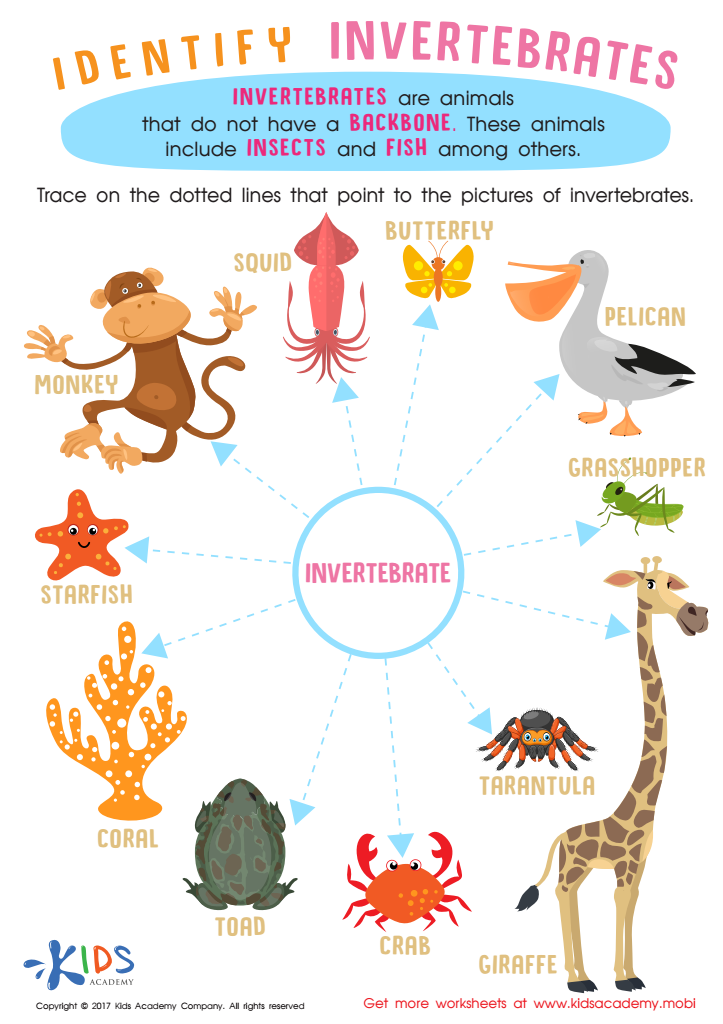
Invertebrates Worksheet for Grade 3
 Assign to My Students
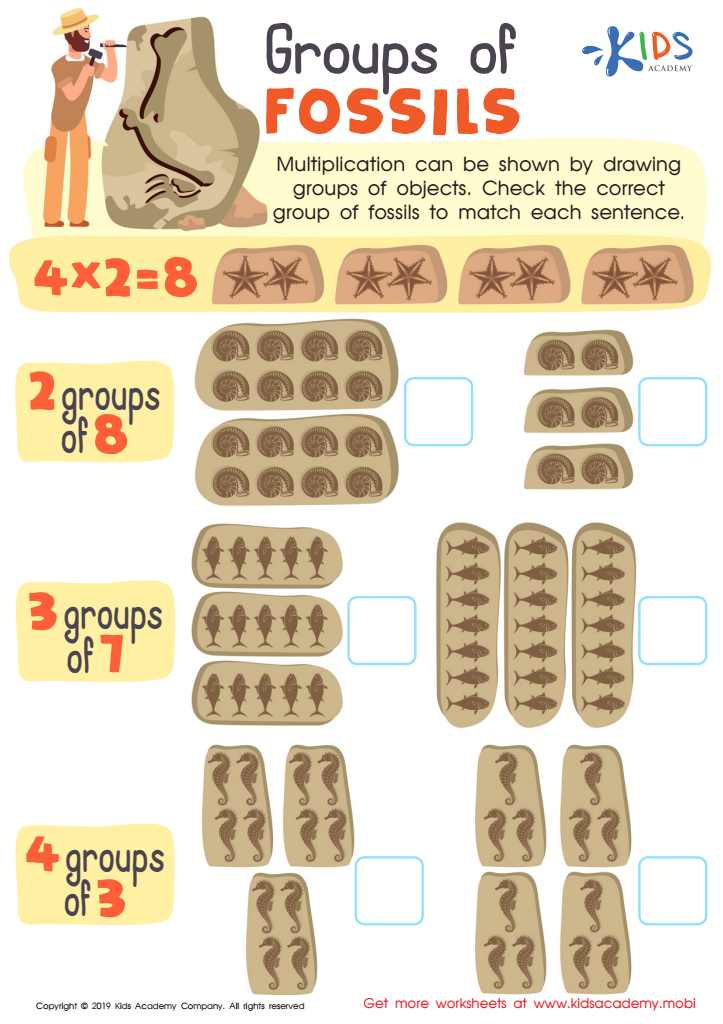
Groups of Fossils Worksheet
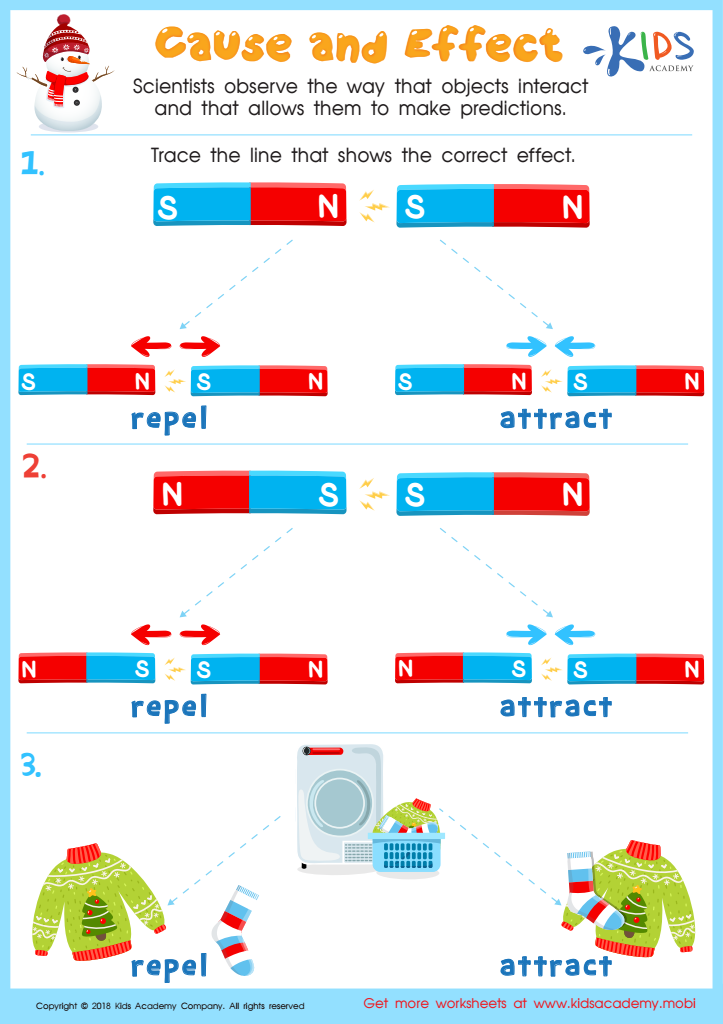
Repel and Attract Magnet Worksheet
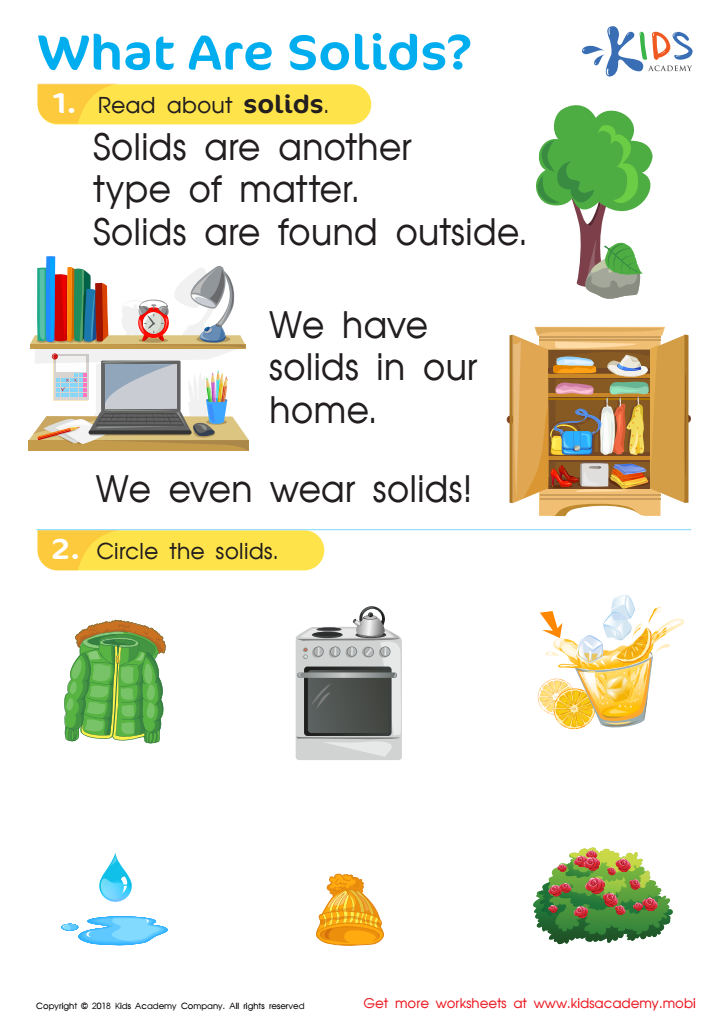
What Are Solids? Worksheet
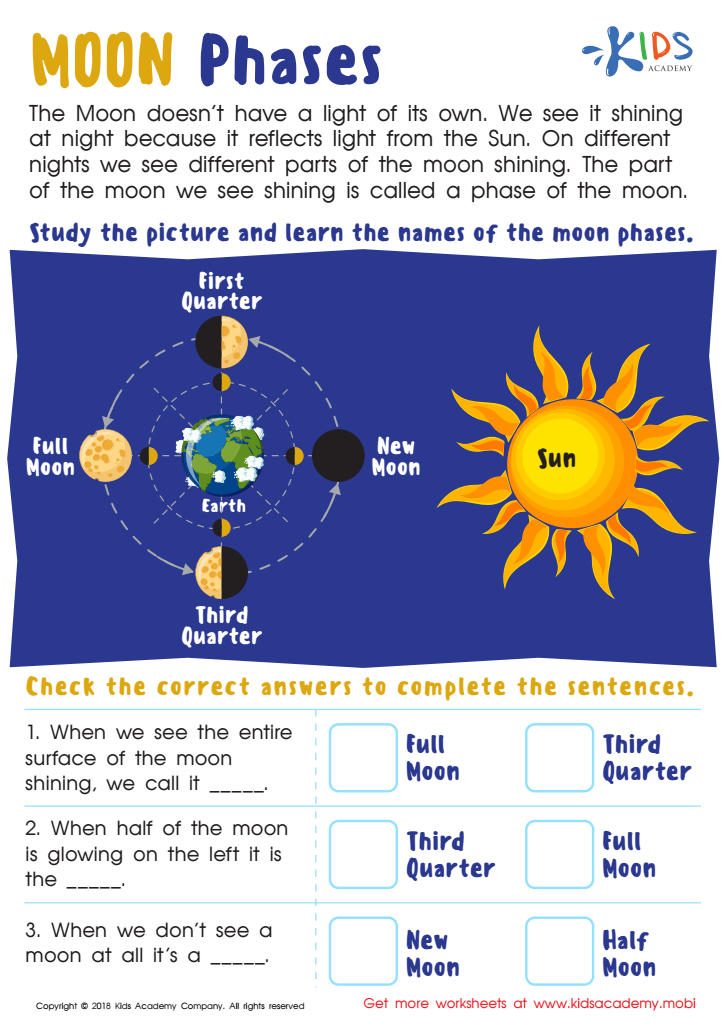
Moon Phases Worksheet
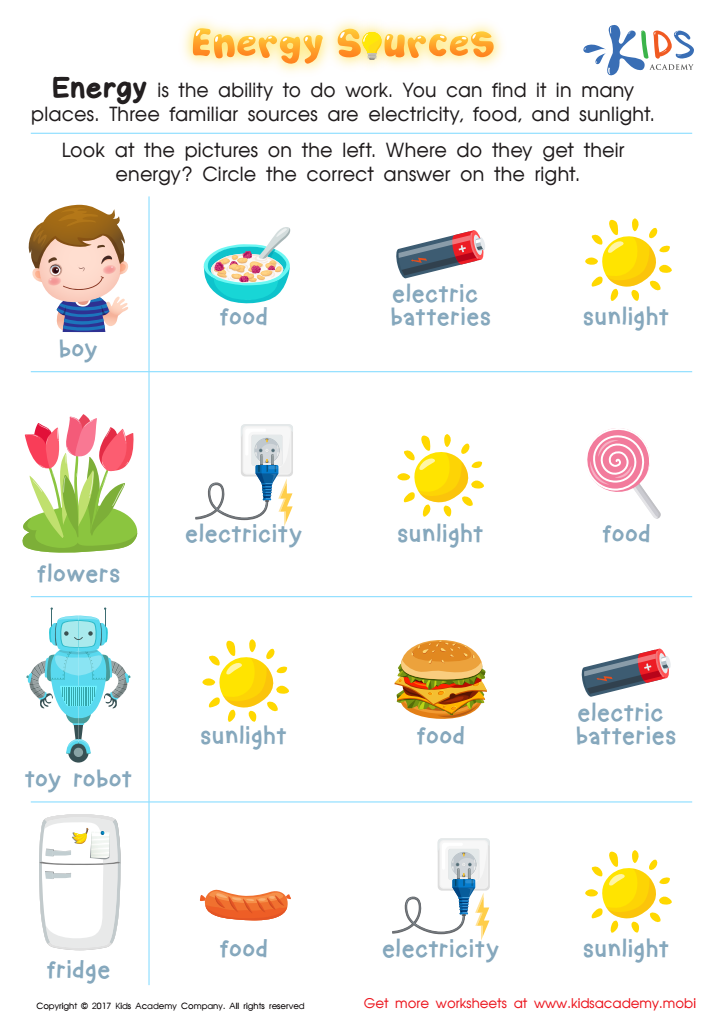
Energy Sources Printable





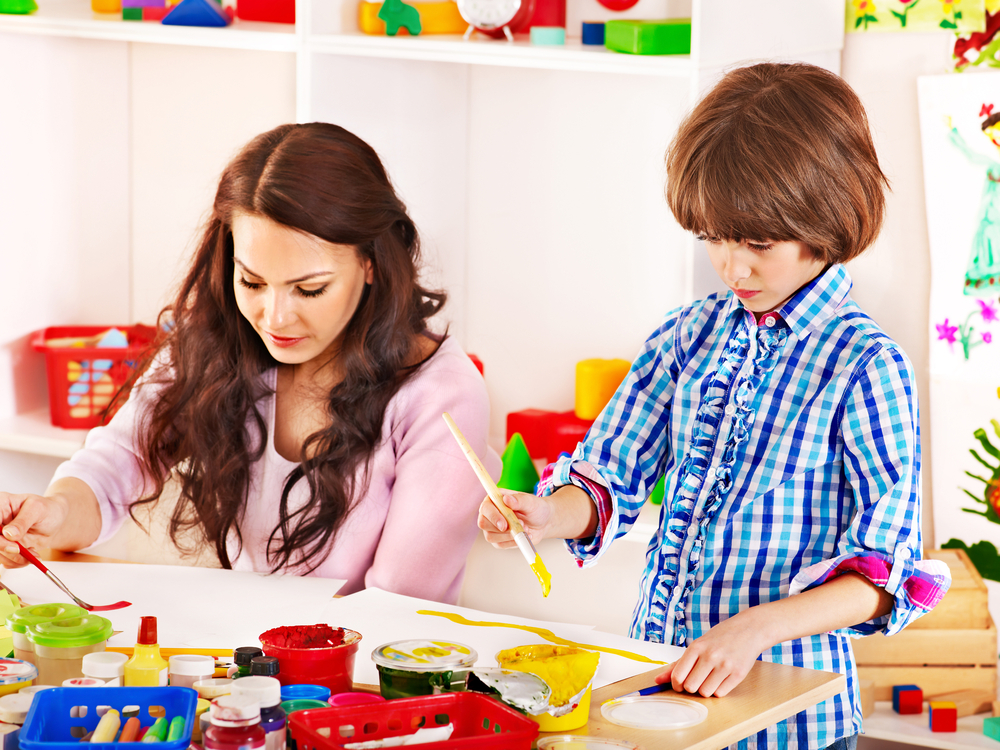
Knowledge application, especially for children aged 7-8, is crucial as it bridges theoretical understanding and real-world use. At this age, children are better able to connect what they learn in school to their daily experiences, making the process of knowledge application vital for their cognitive development. Engaging in activities that encourage them to apply their learning fosters critical thinking, problem-solving skills, and creativity.
Parents and teachers should recognize that this stage of development is characterized by a growing curiosity and enthusiasm for learning. When kids can use what they’ve learned—from math concepts in budgeting a shopping trip to science principles in gardening—they develop a deeper understanding, making retention stronger. Moreover, learning through application nurtures confidence, as children experience success in solving problems, enhancing their motivation.
Furthermore, structural knowledge application supports social-emotional learning. Collaborative projects or hands-on experiences encourage teamwork, communication, and respect for others' ideas, essential skills for future social interactions.
Incorporating knowledge application into learning not only equips children for academic success but also prepares them to be adaptable, inquisitive, and resourceful individuals in an ever-evolving world, thus benefiting their overall growth and development.








