Developing analytical thinking Normal Comparing Numbers Worksheets for Ages 7-8
3 filtered results
Difficulty Level
Grade
Age
-
From - To
Subject
Activity
Standards
Enhance your child's analytical thinking skills with our Normal Comparing Numbers Worksheets designed for ages 7-8. These engaging resources provide a fun and interactive way for young learners to compare numbers, fostering critical thinking and problem-solving skills. Each worksheet challenges students to analyze and assess various numeric relationships, helping them build a solid foundation in mathematics. With colorful visuals and varied activities, children will enjoy developing their analytical abilities while gaining confidence in their math skills. Perfect for home or classroom use, our worksheets cater to diverse learning styles, making math both enjoyable and educational! Start nurturing analytical thinkers today!
Favorites
With answer key
Interactive
Less Than Worksheet
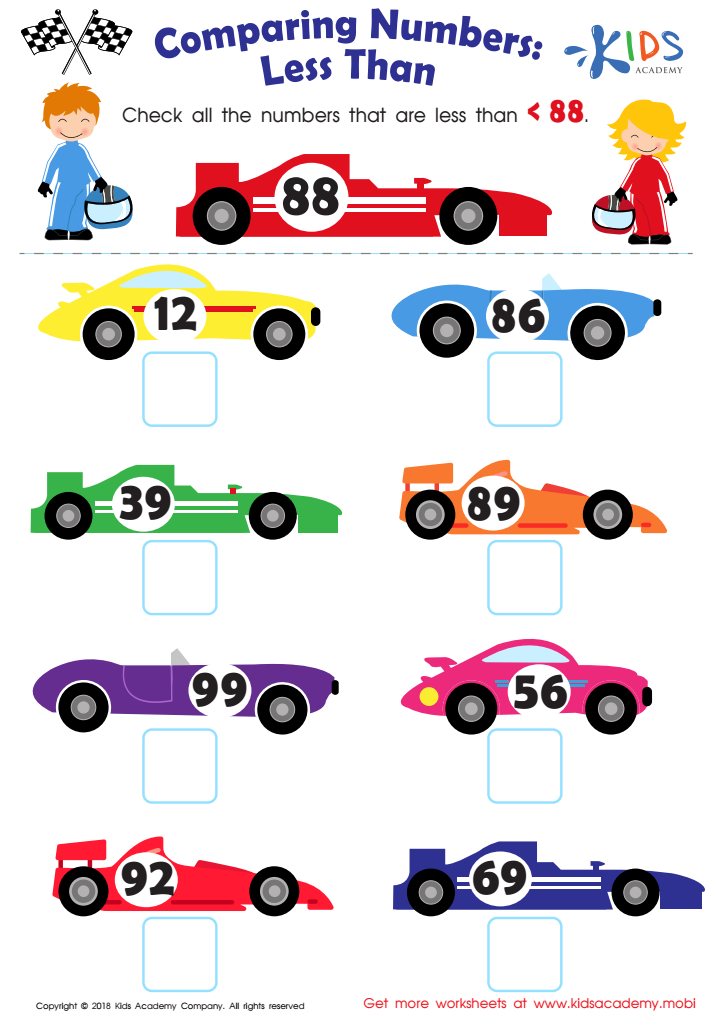
Compare numbers with your child using this fun worksheet! Paintings of sports cars add visuals to the task of counting up to 88. Make learning enjoyable with this colorful activity - your child will stay engaged and eager to learn more.
 Assign to My Students
Less Than Worksheet
Worksheet

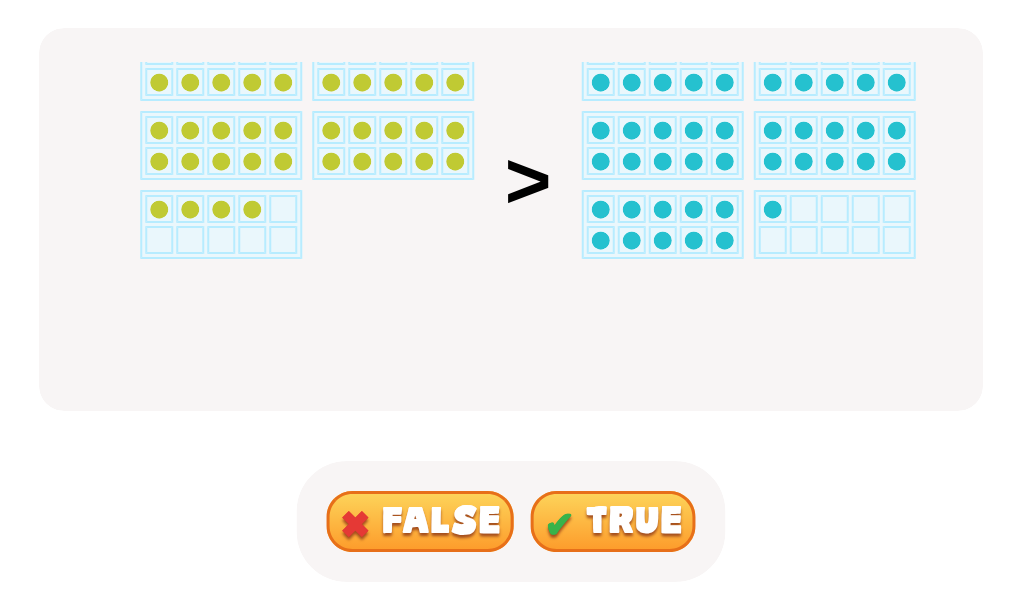
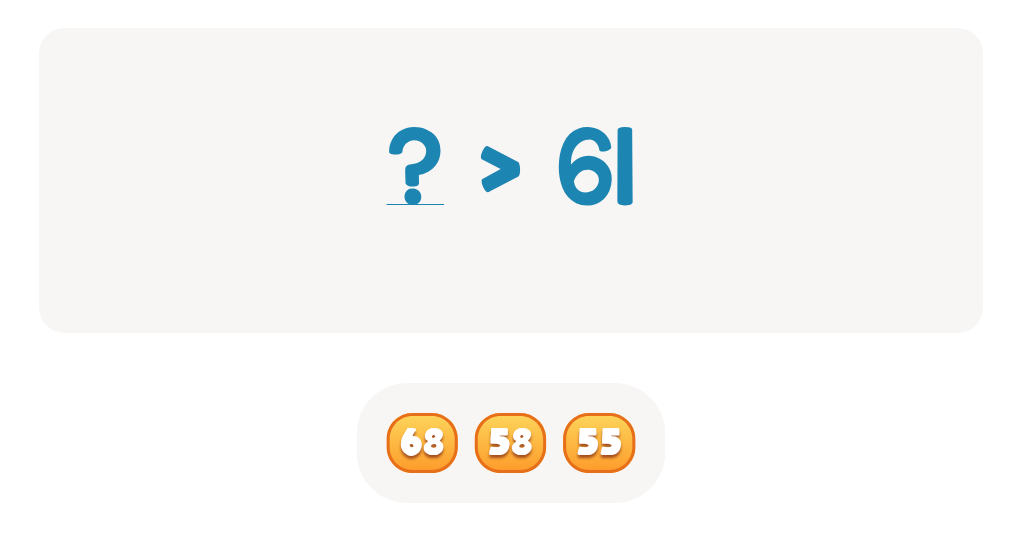
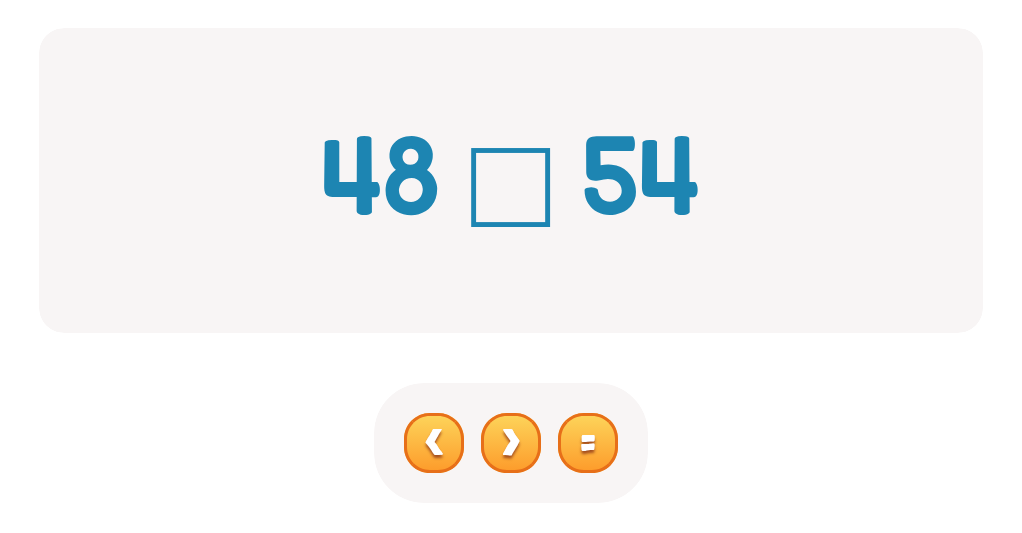
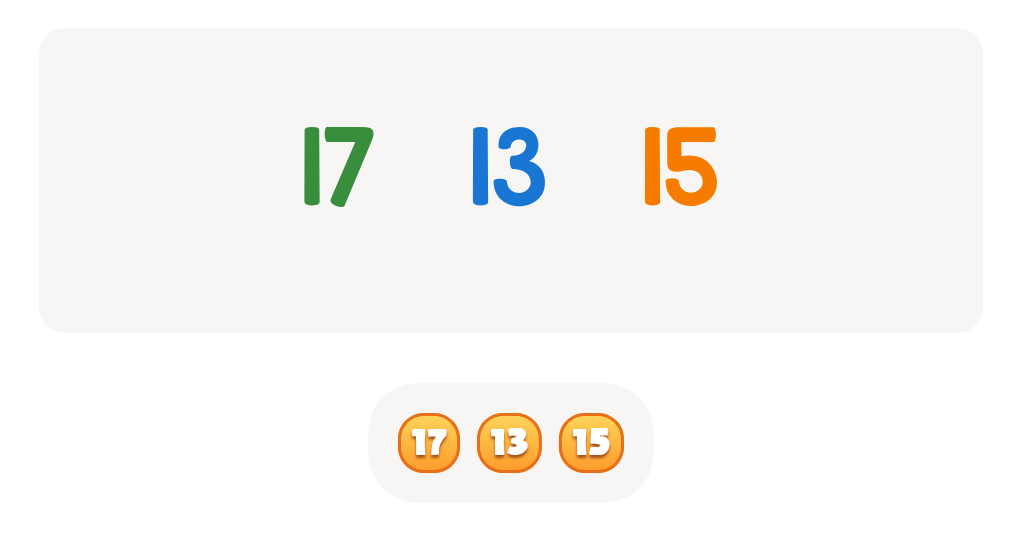
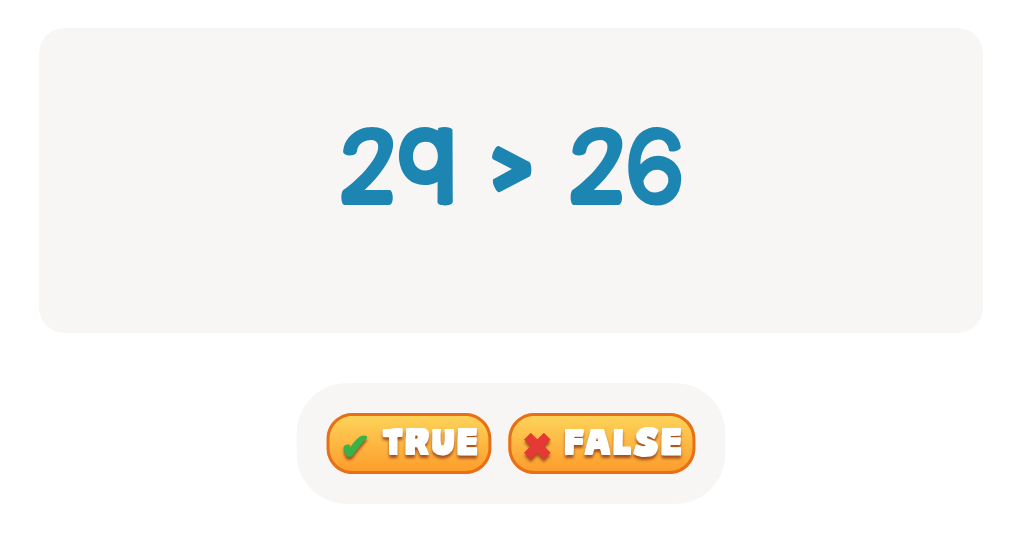
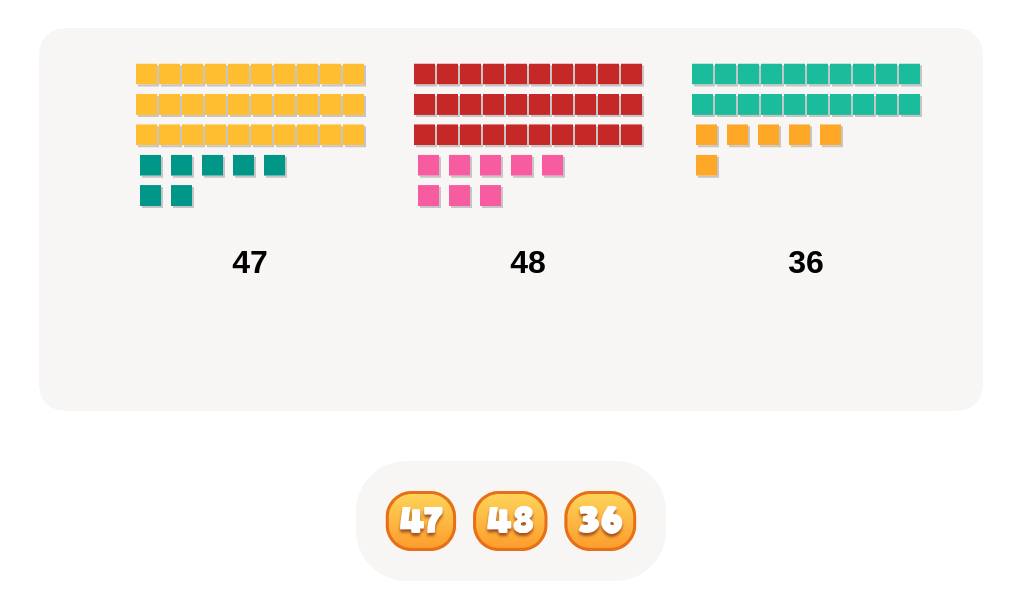
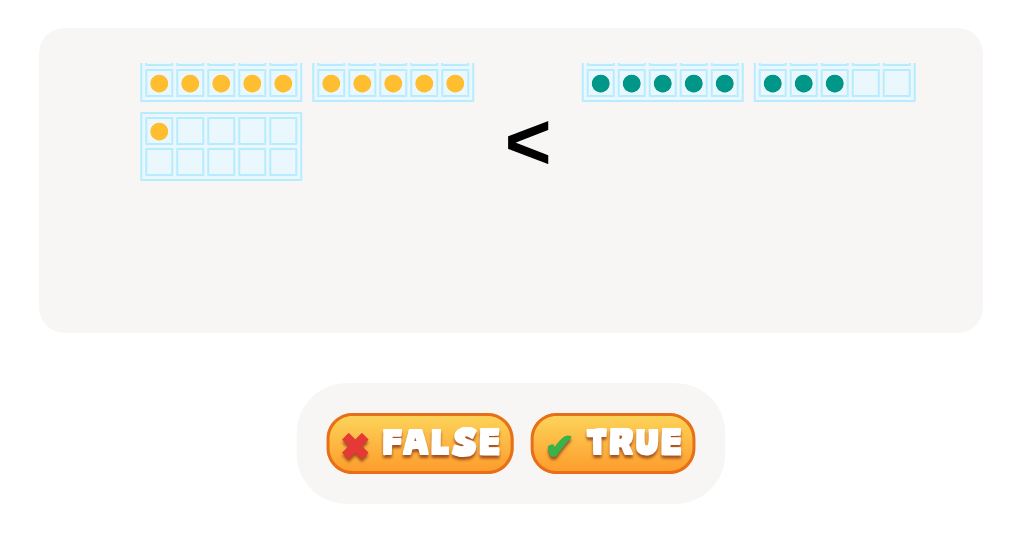
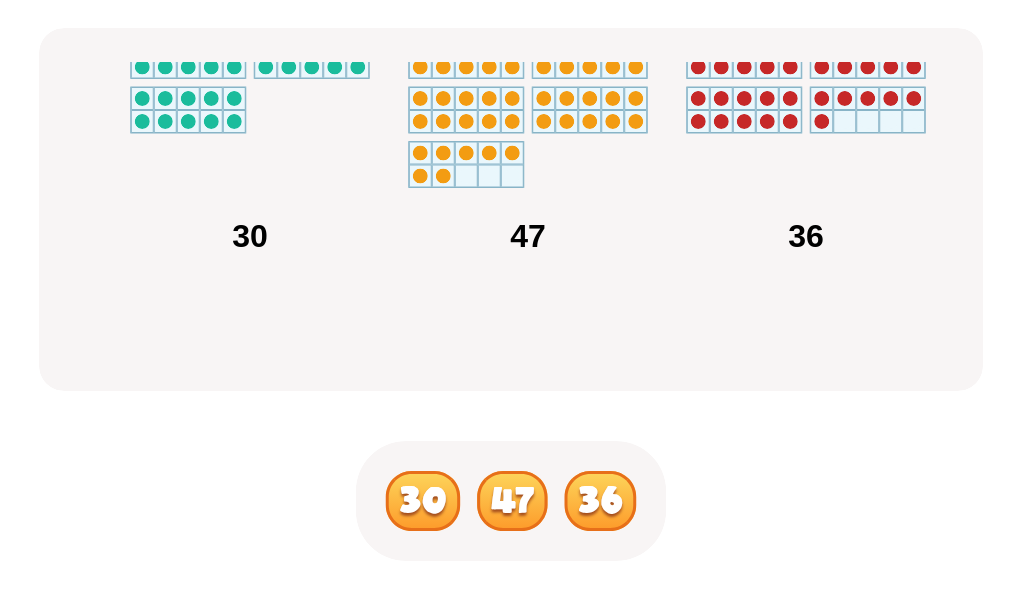
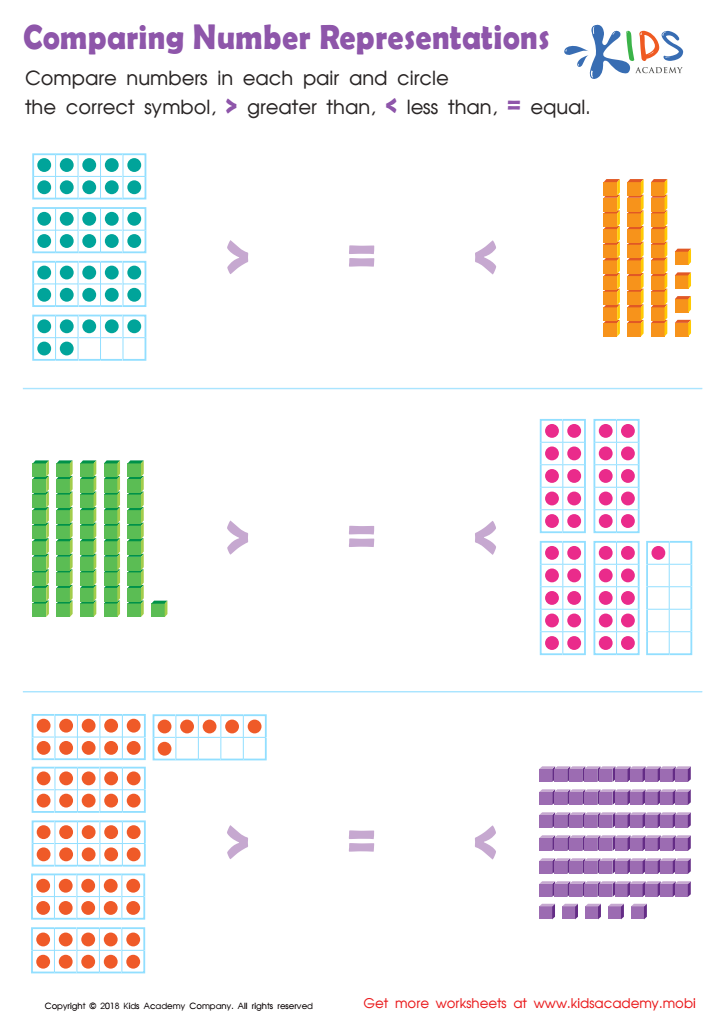
Comparing Number Representations Worksheet
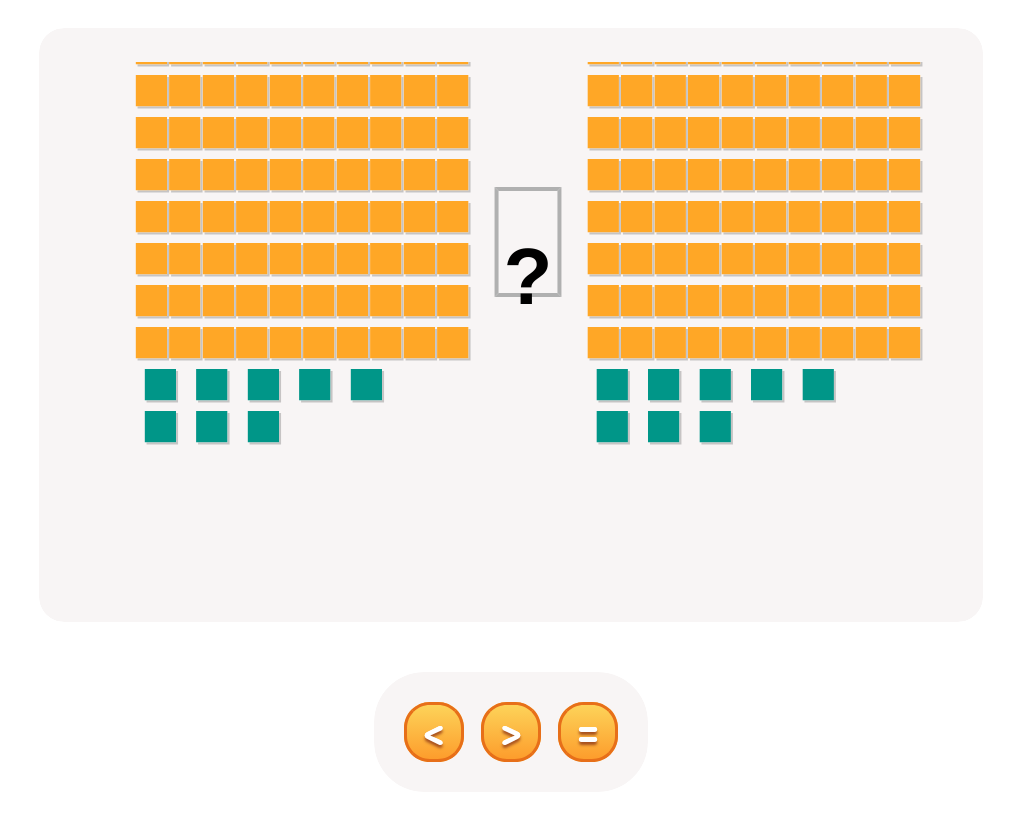
Children need number representation skills to develop efficient computation and number sense. This free worksheet gives them practice with ten frames and place value blocks. They compare numbers and select the right comparative symbol: <, > or =. This helps them build a solid foundation for math.
Comparing Number Representations Worksheet
Worksheet
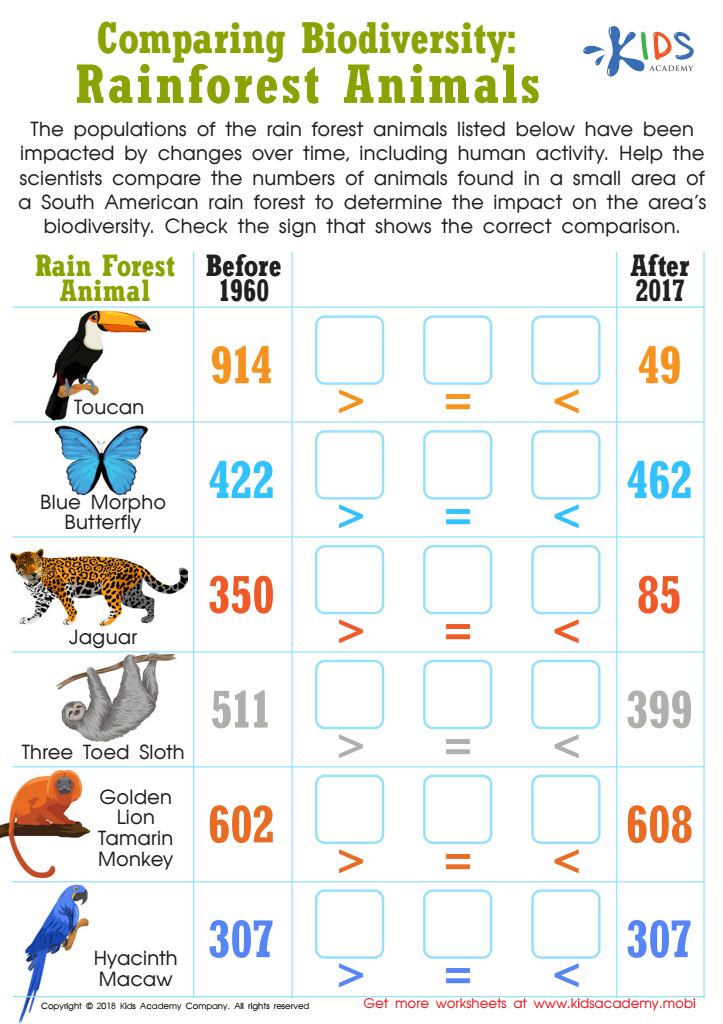
Comparing Biodiversity: Rainforest Animals Worksheet
This dynamic PDF worksheet combines fun and education. Kids will explore rainforest animals and biodiversity, comparing numbers from 1960 to 2017. They'll strengthen number sense and reasoning skills while learning about area biodiversity and its effects. A perfect mix of math and social science!
Comparing Biodiversity: Rainforest Animals Worksheet
Worksheet
Join Kids Academy for Free
Who is primarily going to use this learning content?








Developing analytical thinking skills, particularly in the context of comparing numbers for children aged 7-8, is essential for both parents and teachers. This foundational skill enhances children's problem-solving abilities and critical thinking as they learn to assess relationships between quantities, discern patterns, and make informed decisions. As children engage in activities that require number comparison—such as determining which number is larger, understanding place values, or estimating quantities—they not only practice basic math but also develop a framework for logical reasoning.
By fostering this analytical approach, educators and parents equip children with essential skills that extend beyond mathematics. Children become more adept at analyzing information, recognizing similarities and differences, and articulating their thought processes. These skills are crucial in everyday life, as well as in academic settings as children progress in their education.
Furthermore, analytical thinking enhances self-confidence, encouraging children to tackle challenges rather than shy away from them. Engaging in comparatives in a supportive environment encourages curiosity and promotes a lifelong love for learning. Therefore, understanding the importance of developing analytical thinking in number comparison can significantly impact a child’s educational journey, shaping both their academic success and personal growth.