Concentration improvement Normal Building Vocabulary Worksheets for Ages 7-8
5 filtered results
-
From - To
Enhance your child's vocabulary and concentration skills with our engaging Concentration Improvement Normal Building Vocabulary Worksheets, specially designed for ages 7-8. These fun and interactive activities promote active learning while helping kids develop essential reading and language skills. Each worksheet includes exciting tasks that challenge young learners to match words, improve retention, and reinforce understanding through repetition. Ideal for classroom use or at-home practice, our resources make learning enjoyable and effective. Foster a love for language as children explore new words and improve their focus in a dynamic, supportive environment. Start building strong vocabularies today with our printable worksheets!
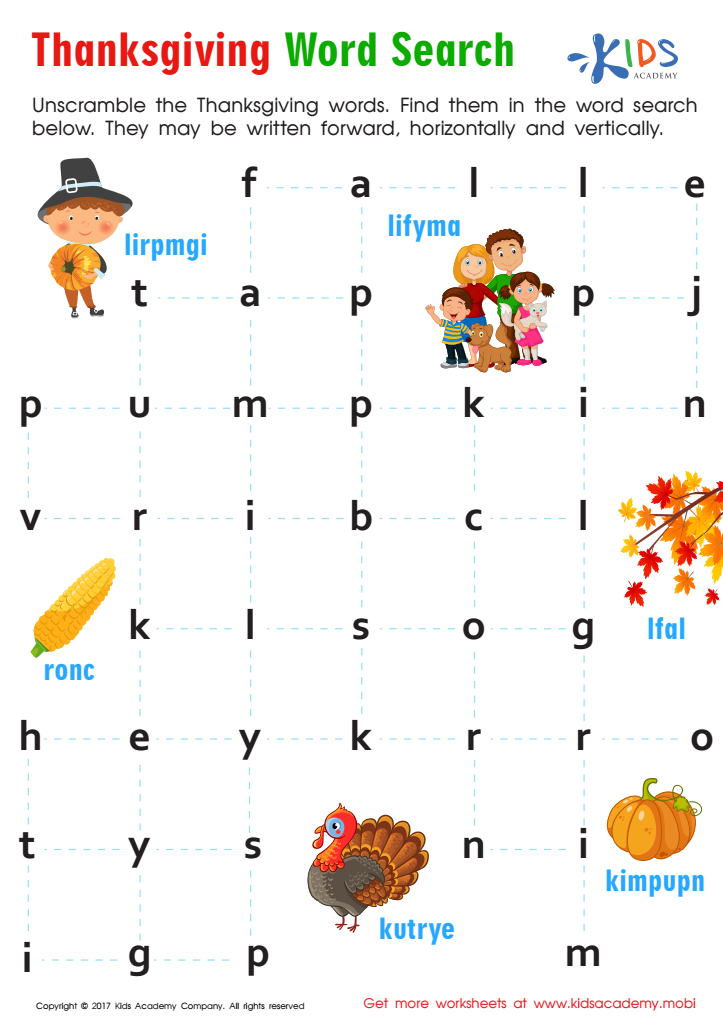
Thanksgiving Word Search Sight Words Worksheet
 Assign to My Students











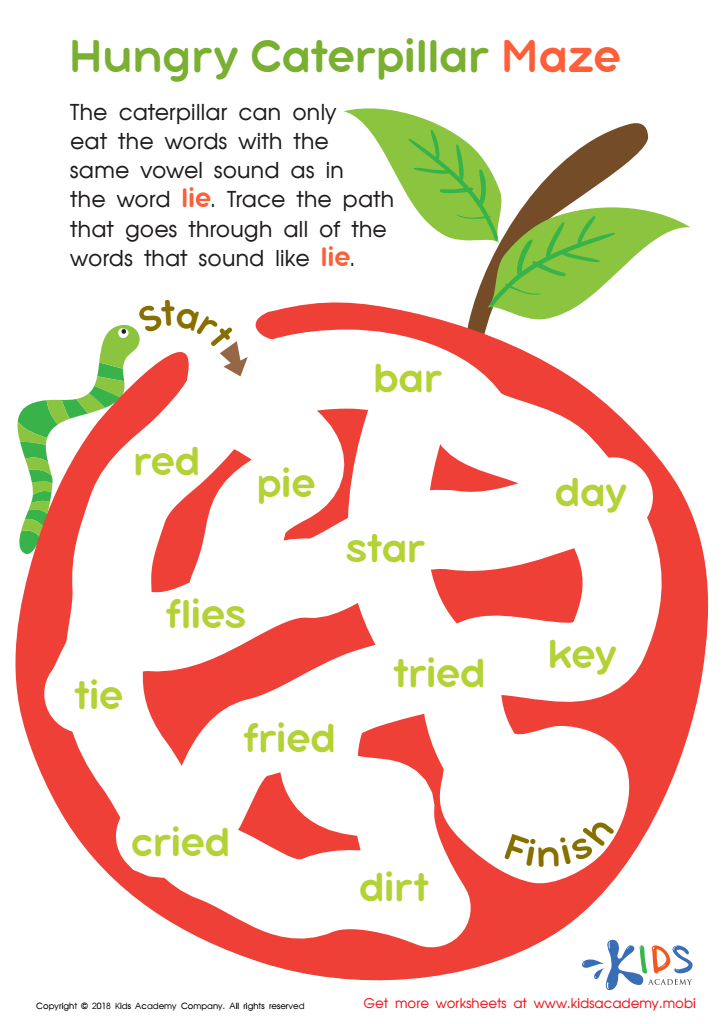
Hungry Caterpillar Maze Worksheet
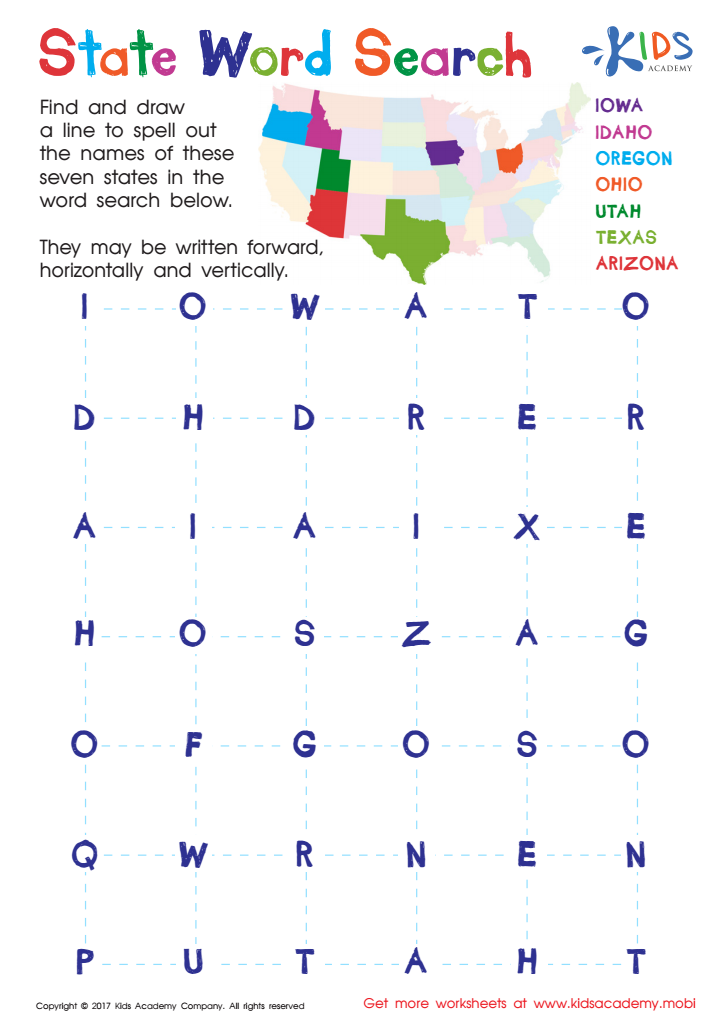
State Word Search Worksheet
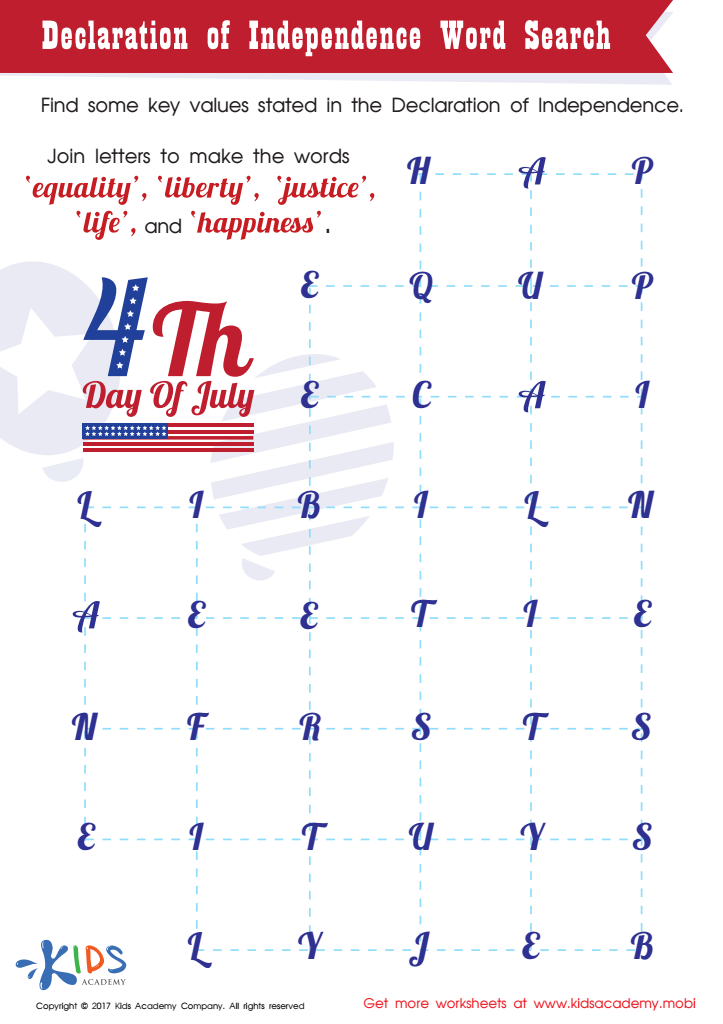
Declaration of Independence Word Search Printable
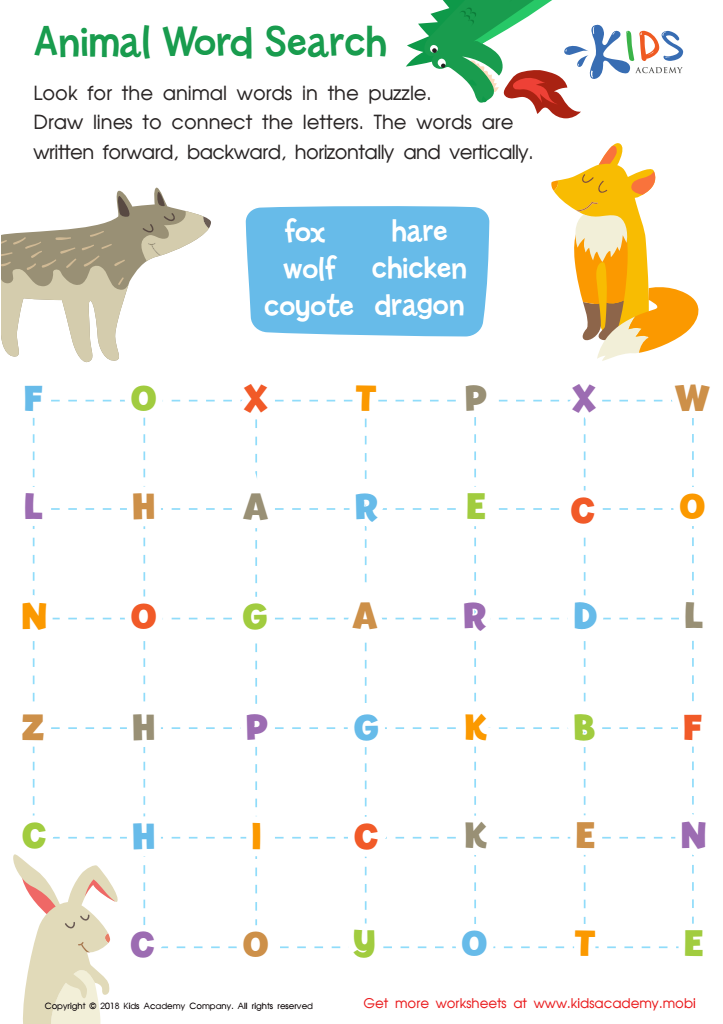
Animal Word Search Worksheet







.jpg)
Parents and teachers should prioritize concentration improvement and vocabulary building for children aged 7-8, as these skills are foundational for academic success and overall development. At this age, children are increasingly exposed to complex ideas and language, and a strong vocabulary equips them to comprehend and articulate these concepts effectively. Enhanced vocabulary can lead to better reading comprehension, writing skills, and participation in discussions, fostering a love for learning.
Moreover, concentration is critical for absorbing new information and completing tasks successfully. Children who can focus are more likely to engage in classroom activities, tackle assignments with enthusiasm, and develop a sense of responsibility towards their studies. Improved concentration not only aids in academic performance but also contributes to better social interactions and emotional regulation.
Cultivating these skills can help children build confidence and a positive attitude towards learning. Engaging in activities that promote concentration and vocabulary—such as reading, storytelling, or vocabulary games—can make the learning process enjoyable and effective. By supporting these pursuits, parents and teachers can lay the foundation for lifelong learning, critical thinking, and successful communication, ultimately preparing children for the challenges of the future.








