Filters

7 filtered results

Clear all filters
Favorites
With answer key
Interactive

7 filtered results

Difficulty Level

Grade


Enhance your child's vocabulary while boosting their fine motor skills with our expertly designed worksheets for ages 7-8. Our resources focus on normal building vocabulary, combining engaging word exercises with activities that strengthen hand-eye coordination and dexterity. Perfect for young learners, these worksheets offer a fun, educational experience that supports language development and fine motor growth simultaneously. Whether used in the classroom or at home, they provide an interactive, supportive environment for kids to expand their vocabulary and motor skills, laying the foundation for future academic success. Explore our collection and watch your child thrive!

Check out this FREE Trial Lesson on Building Vocabulary for age 7-8!

Context Clues

Favorites
With answer key
Interactive
  • 7-8
  • Fine Motor Skills
  • Building Vocabulary
  • Normal
Fish Worksheet
Fish Worksheet

Fish Worksheet

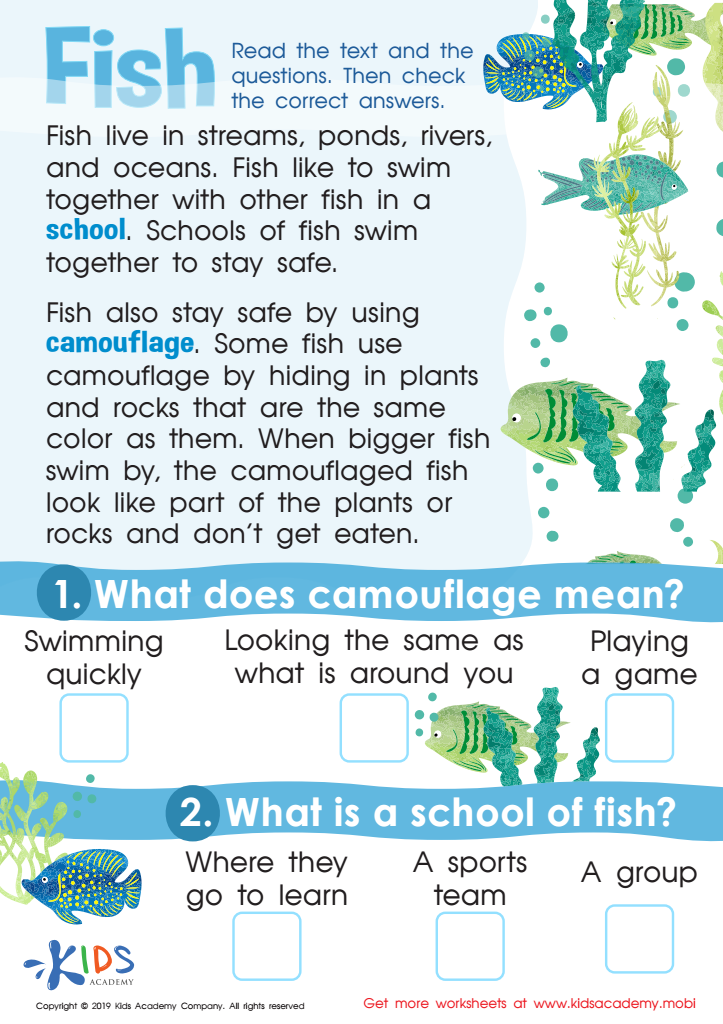
Kids love learning about the creatures that live in water! This free PDF worksheet covers fish, teaching kids larger vocabulary and contextual reading comprehension. Questions prompt them to choose the right answer from multiple choices, just like in a classroom. It's a fun way to boost their reading skills and comprehension without them even realizing it!
Fish Worksheet
Worksheet
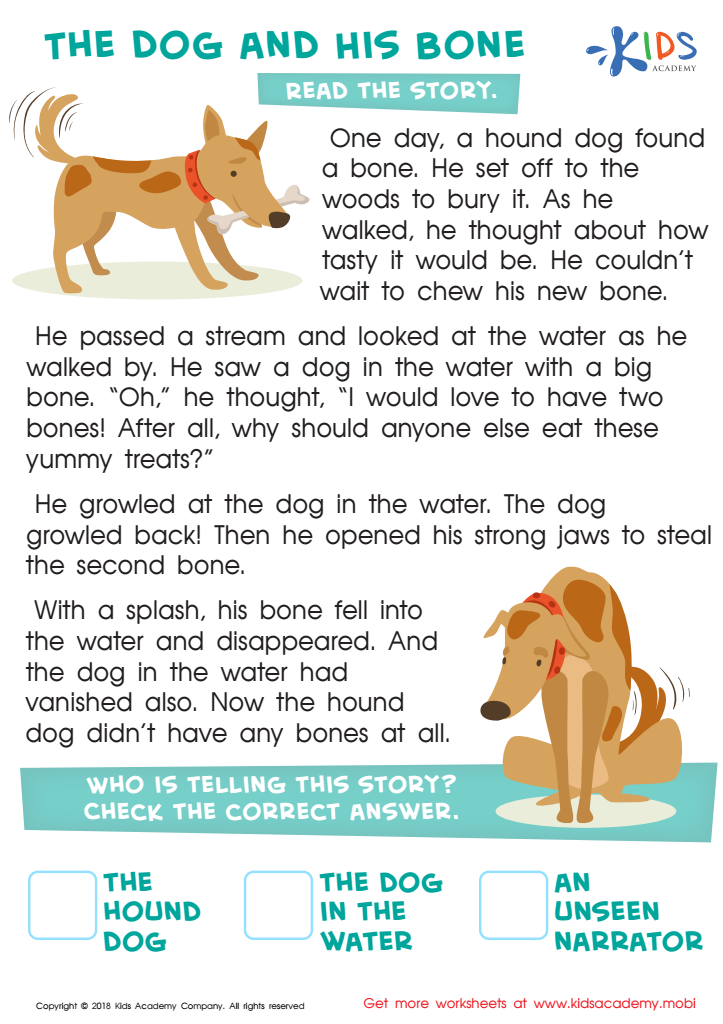
The Dog and His Bone Worksheet

The Dog and His Bone Worksheet

Read the story of The Dog and His Bone to your kids, making sure they take in the details. Ask them the questions in this worksheet and help them check the answers. Encourage them to think carefully.
The Dog and His Bone Worksheet
Worksheet
Count Them Up Worksheet

Count Them Up Worksheet

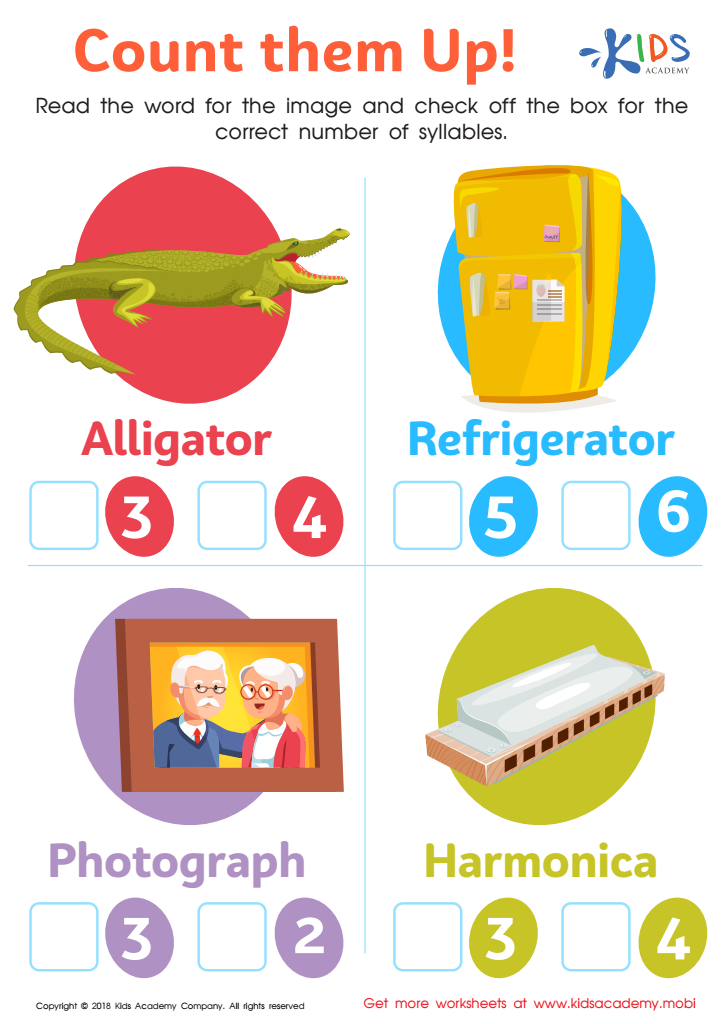
This worksheet has four colorful pictures. Ask your students to identify and name each image, then count the syllables in the word. Make them repeat the word after you, and check off the box with the correct number of syllables. Mastering the art of counting goes beyond numbers. Get your students counting syllables with this activity!
Count Them Up Worksheet
Worksheet
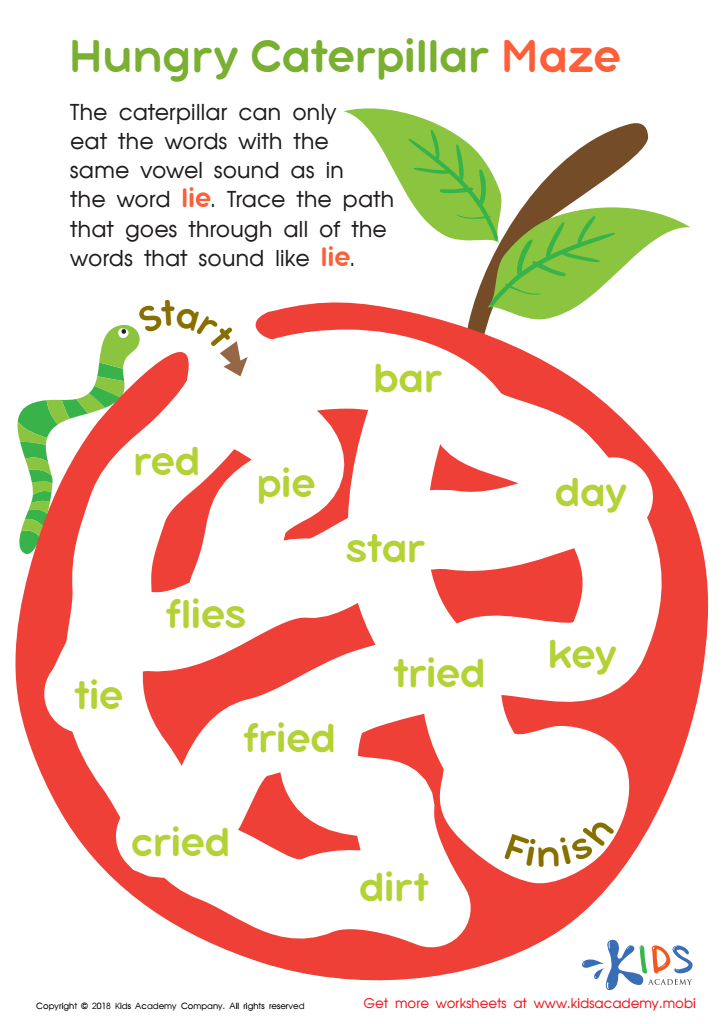
Hungry Caterpillar Maze Worksheet

Hungry Caterpillar Maze Worksheet

Remind the kids that caterpillars turn into butterflies! This worksheet helps them practice their vowel sounds. They must trace the path of words that sound like ‘lie’ to help the caterpillar reach the finish line. It's a fun way to learn and explore!
Hungry Caterpillar Maze Worksheet
Worksheet
Tracing Fun Worksheet

Tracing Fun Worksheet

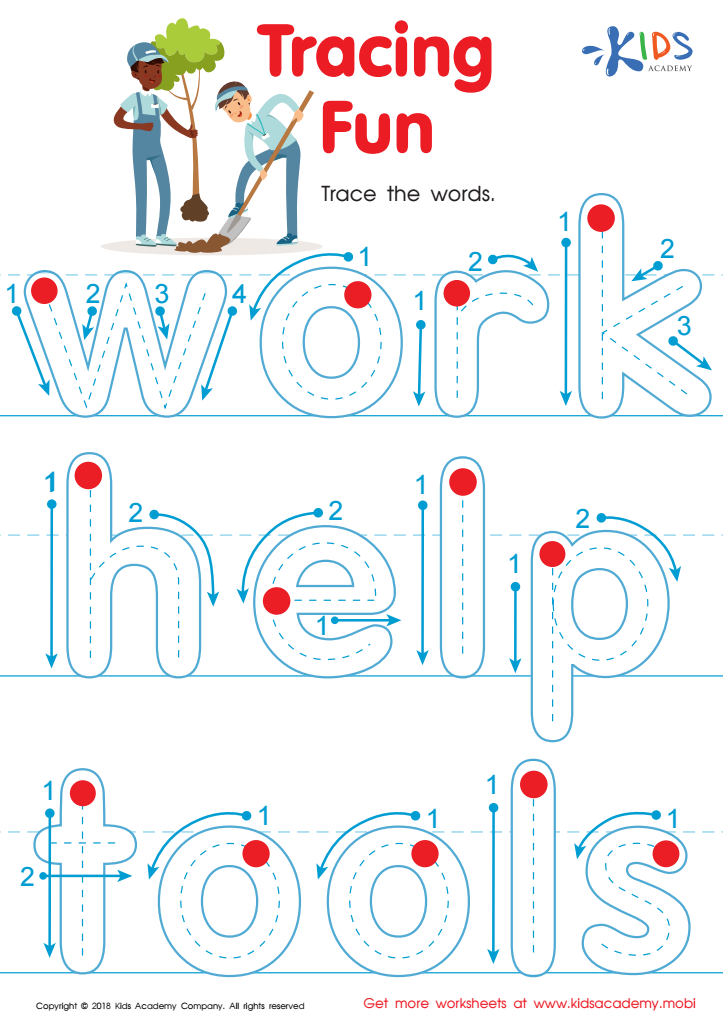
Believe it or not, good handwriting helps with reading! Starting at the top left and writing legibly builds reading skills. This free worksheet helps little learners practice basic sight words. Red dots show them where to start and the words provide reinforcement without them realising. An enjoyable way to boost their reading and writing.
Tracing Fun Worksheet
Worksheet
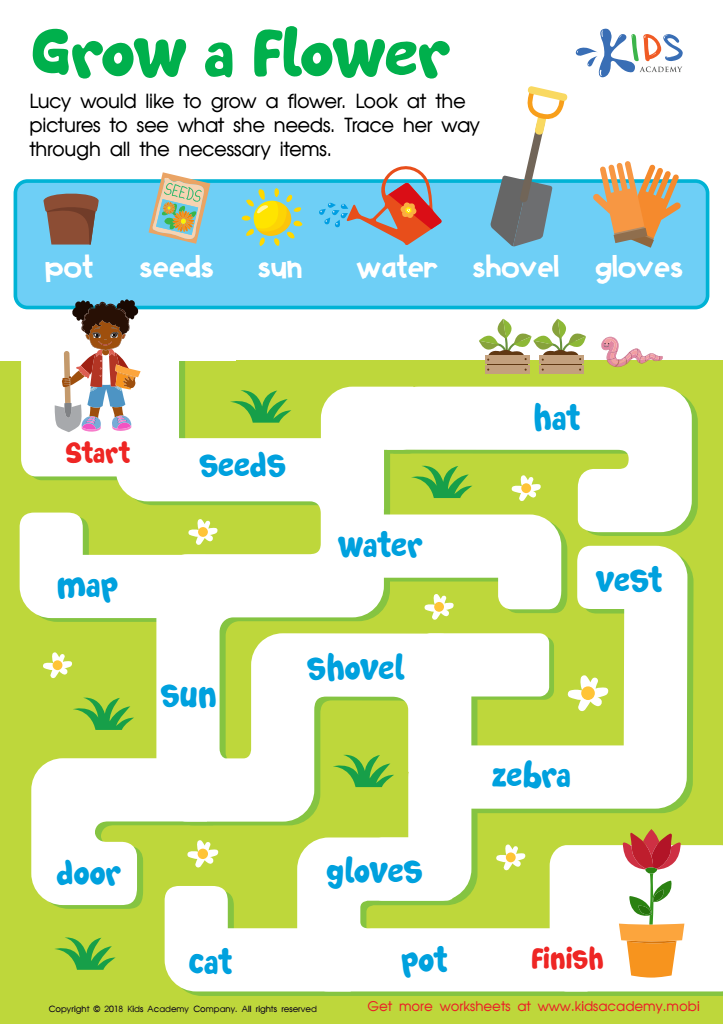
Grow a Flower Worksheet

Grow a Flower Worksheet

Download this worksheet to teach your kids how to grow a flower with Lucy. Ask them to look at the pictures and trace the necessary steps. Help them go through the process of growing a beautiful flower with Lucy!
Grow a Flower Worksheet
Worksheet
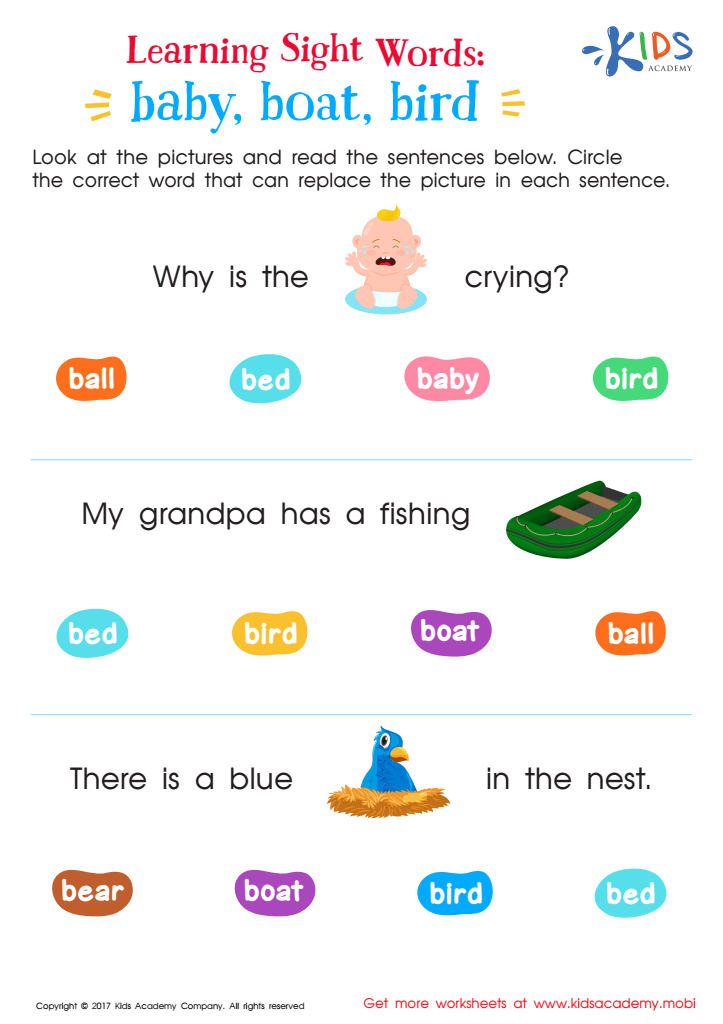
Sight Word Worksheet: Baby, Boat, Bird

Baby, Boat, Bird Worksheet Sight Words Worksheet

Sight words are an essential part of fluency; help kids build it by writing and reading them. This worksheet is a great way to start.
Baby, Boat, Bird Worksheet Sight Words Worksheet

Worksheet


Parents and teachers should place a high priority on the development of fine motor skills and vocabulary for children aged 7-8 because these skills are foundational to future learning and daily life success. Fine motor skills, which involve the coordination of small muscle movements in the hands and fingers, are critical for performing essential tasks such as writing, cutting with scissors, and buttoning clothes. At this age, children are expected to be honing these skills to better navigate their schoolwork and build independence. Strong fine motor skills also positively impact their ability to express ideas clearly through written communication, directly influencing academic performance.

Building a robust vocabulary at this stage is similarly important. At ages 7-8, children's cognitive abilities are growing rapidly, which makes it an ideal time to expand their word knowledge. A strong vocabulary enhances reading comprehension and facilitates more effective communication. This, in turn, boosts their confidence in social interactions and classroom participation. Importantly, vocabulary acquisition at an early age has been linked to future academic success as it underlines almost all areas of learning, from reading and writing to understanding complex concepts and instructions. Ultimately, attention to both fine motor skills and vocabulary ensures that children develop into proficient, self-assured learners who can navigate the increasing academic demands.