Phonics recognition Normal Building Vocabulary Worksheets for Ages 7-8
3 filtered results
-
From - To
Our Phonics Recognition Normal Building Vocabulary Worksheets are designed specifically for ages 7-8. These engaging activities help young learners enhance their reading skills through systematic phonics instruction. The worksheets focus on recognizing letter patterns, mastering word sounds, and expanding vocabulary. Build essential reading foundations as children confidently decipher new words and improve pronunciation. Versatile and interactive, these worksheets support classroom learning or at-home practice, fostering a love for reading in every child. Prepare your 7-8-year-old students for literacy success with our expertly crafted phonic worksheets, tailored to develop critical decoding skills and enrich their vocabulary seamlessly.
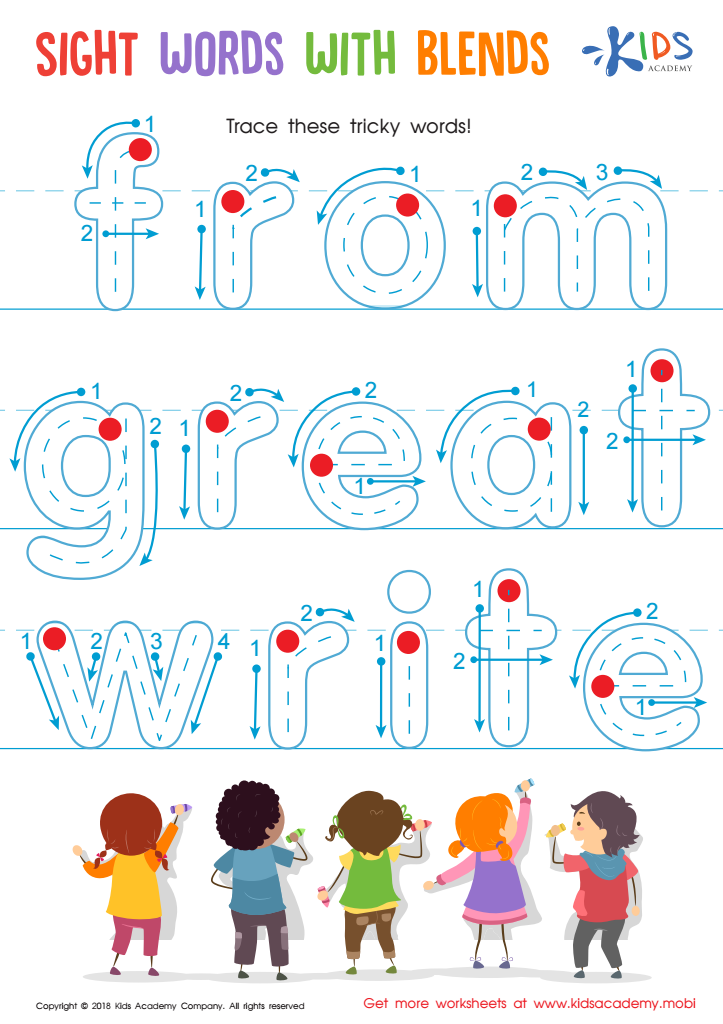
Sight Words with Blends Worksheet
 Assign to My Students











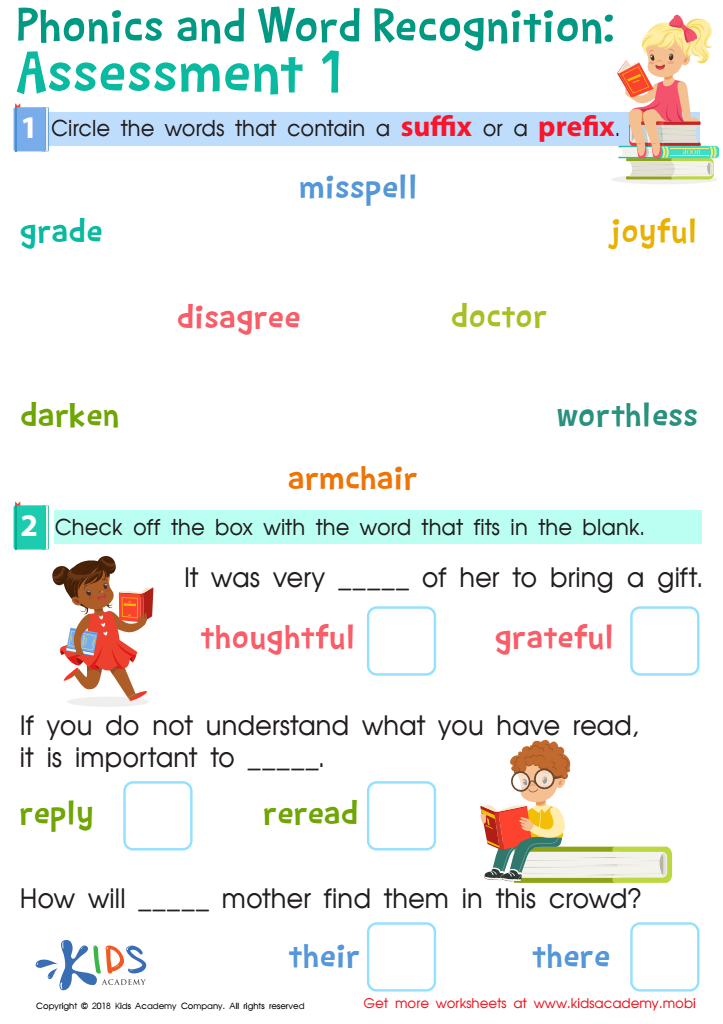
Phonics and Word Recognition: Assessment 1 Worksheet
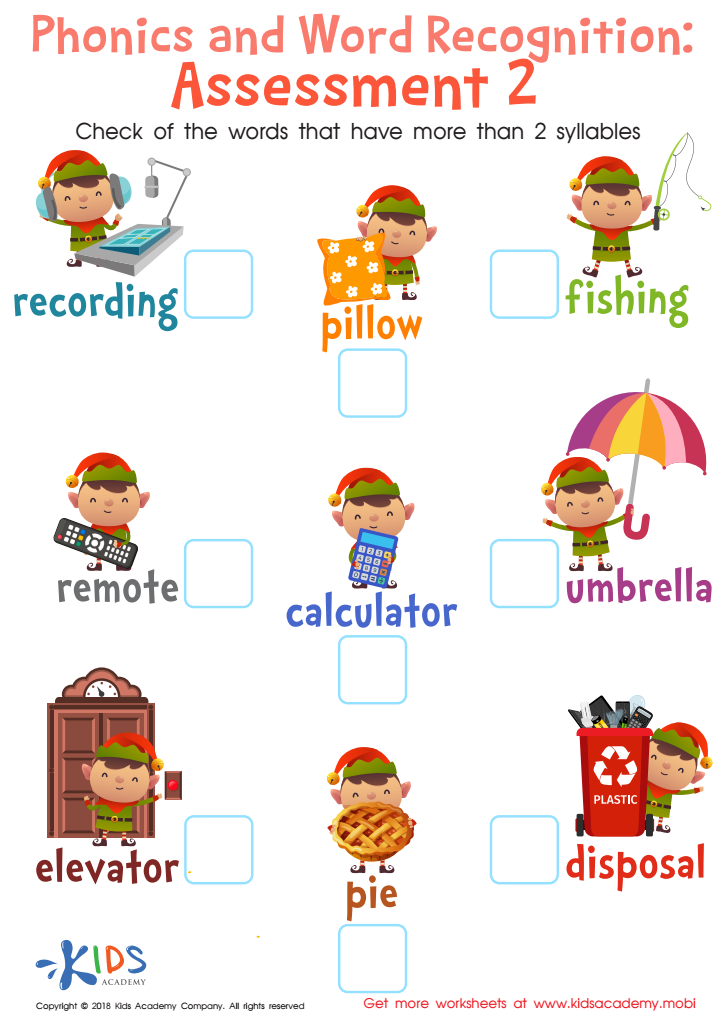
Phonics and Word Recognition: Assessment 2 Worksheet





.jpg)
.jpg)

Phonics recognition and building vocabulary serve as foundational skills crucial to early literacy development for children aged 7-8. This period is typically when children begin transitioning from simple word decoding to reading with greater fluency and comprehension. Phonics aids in decoding new words by understanding the relationship between letters and sounds, fostering an ability to tackle unfamiliar terms independently, thereby boosting reading confidence.
A robust vocabulary, on the other hand, enriches children's language, reading comprehension, and expressive capabilities. Exposure to a diverse range of words enables children to better understand the texts they read and effectively articulate their thoughts, advancing their overall academic performance.
Both phonics recognition and vocabulary development are intertwined; proficiency in phonics accelerates vocabulary acquisition and vice versa. When children recognize sounds and their corresponding letters efficiently, it becomes easier to learn new words, thereby expanding their vocabulary pool.
Therefore, parents and teachers should prioritize these skills to establish a strong literacy foundation. Engaging in phonics games, read-aloud sessions, and vocabulary-rich conversations can support these areas. By emphasizing phonics and vocabulary during these critical years, adults can set children on a path toward lifelong reading success and academic achievement.








