Color recognition Normal Reading Worksheets for Ages 7-8
3 filtered results
-
From - To
Explore our vibrant collection of Color Recognition Normal Reading Worksheets designed for ages 7-8. These engaging resources help children develop crucial reading and color-identification skills in a fun and interactive way. Each worksheet combines colorful images with exciting reading activities, perfect for enhancing vocabulary and comprehension. Tailored to align with educational standards, our worksheets support young learners as they confidently identify colors while enjoying the reading process. Ideal for classroom use or at-home practice, these activities are sure to foster a love for reading and sharpen observation skills. Dive into a world of colors and words with our expertly crafted worksheets!

Twinkle Twinkle Little Star Coloring Page
 Assign to My Students
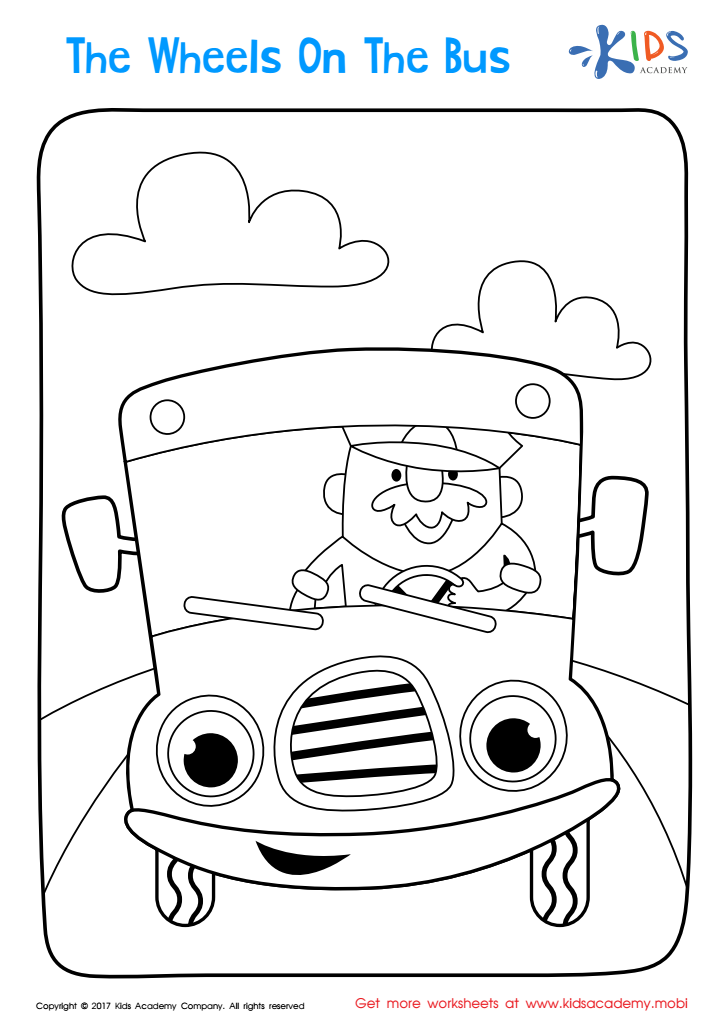
The Wheels on the Bus Coloring Page
Assign to My Students
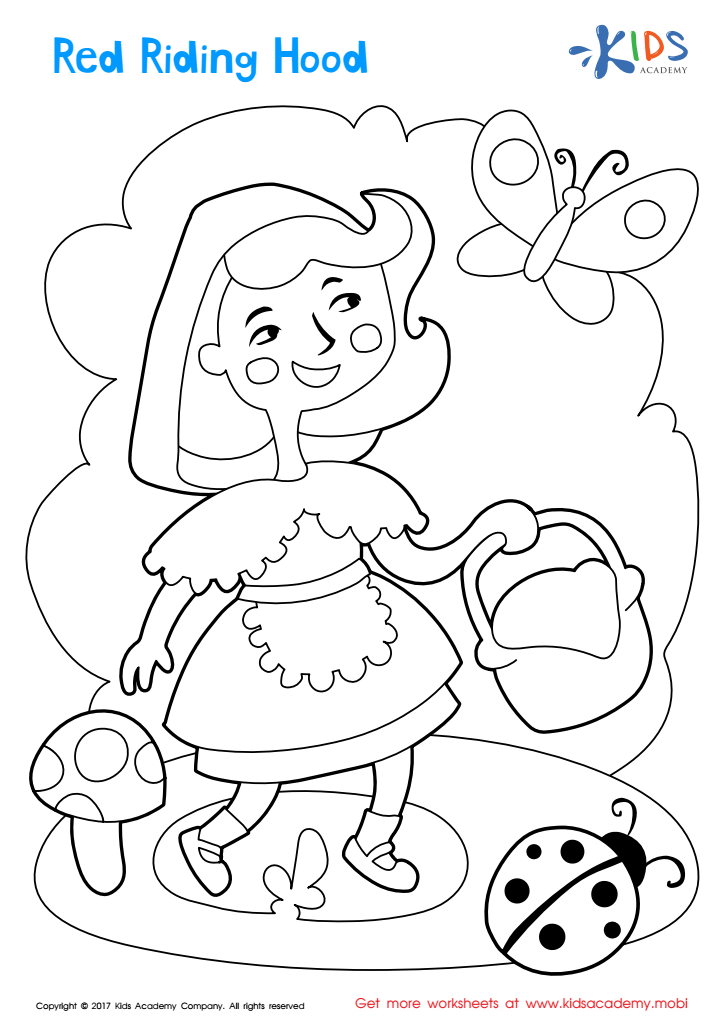
Red Riding Hood Coloring Page
Assign to My Students








Color recognition is a crucial skill for children aged 7-8 as it significantly contributes to their developmental stages and learning processes. For parents and teachers, understanding the importance of color recognition can facilitate a more effective educational approach. In early reading, colors serve as vital visual cues that help children differentiate and categorize information. For instance, different colors in books are often used to highlight specific words, segments, or themes, which aids in comprehension and retention.
Moreover, color recognition is tightly linked to cognitive development. Recognizing and naming colors enhances children’s vocabulary and language skills, which are pivotal components of early literacy. Activities involving colors, such as sorting objects or identifying colors in their environment, sharpen a child’s attention to detail, pattern recognition, and memory.
Furthermore, proficiency in color recognition can boost a child’s confidence and self-esteem. When children can identify and name colors correctly, it reinforces their understanding of the world around them and instills a sense of achievement. This foundation is critical as they progress to more complex learning tasks.
Therefore, parents and teachers should prioritize activities that enhance color recognition, like interactive games, reading colorful books, and incorporating color-based activities into daily routines. Doing so not only enriches their overall educational experience but sets the stage for more robust academic growth.








