Vocabulary development Normal Reading Worksheets for Ages 7-8
17 filtered results
-
From - To
Enhance your child's vocabulary with our engaging "Normal Reading Worksheets for Ages 7-8." Designed specifically for young learners, these worksheets incorporate fun and interactive activities to promote vocabulary development. Your child will explore new words through diverse exercises, including matching exercises, fill-in-the-blanks, and word scrambles. Not only do these worksheets stimulate cognitive skills, but they also encourage a love for reading and language. Perfect for at-home practice or classroom use, our resources align with educational standards, ensuring learning success. Invest in your child's literacy journey and watch their confidence grow as they master essential vocabulary skills!
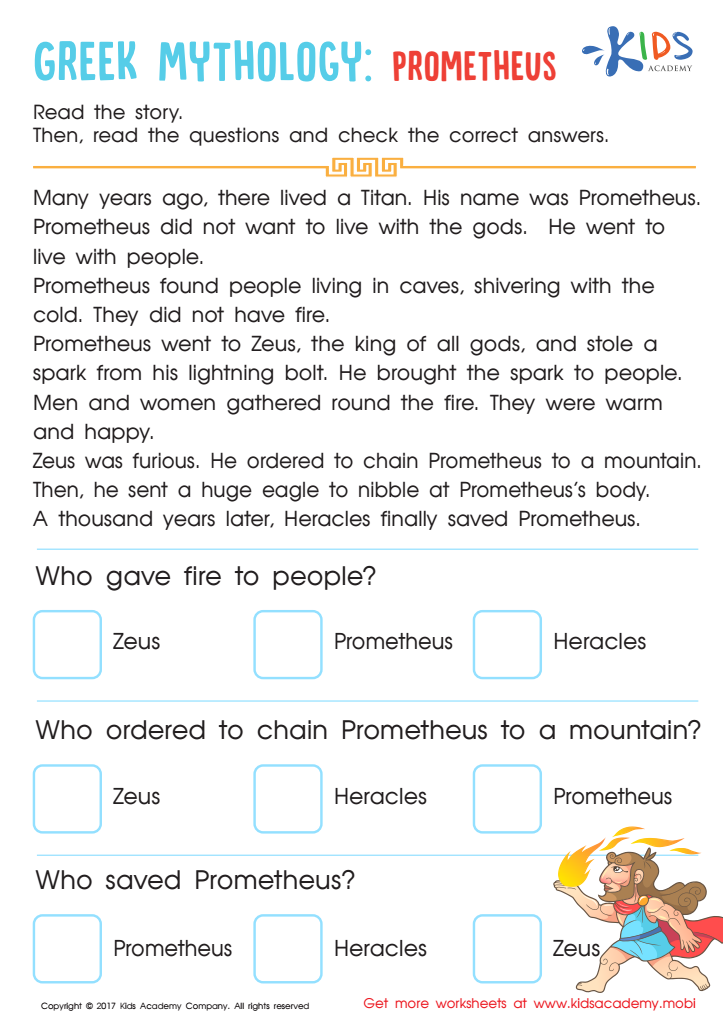
Prometheus Story Worksheet
 Assign to My Students
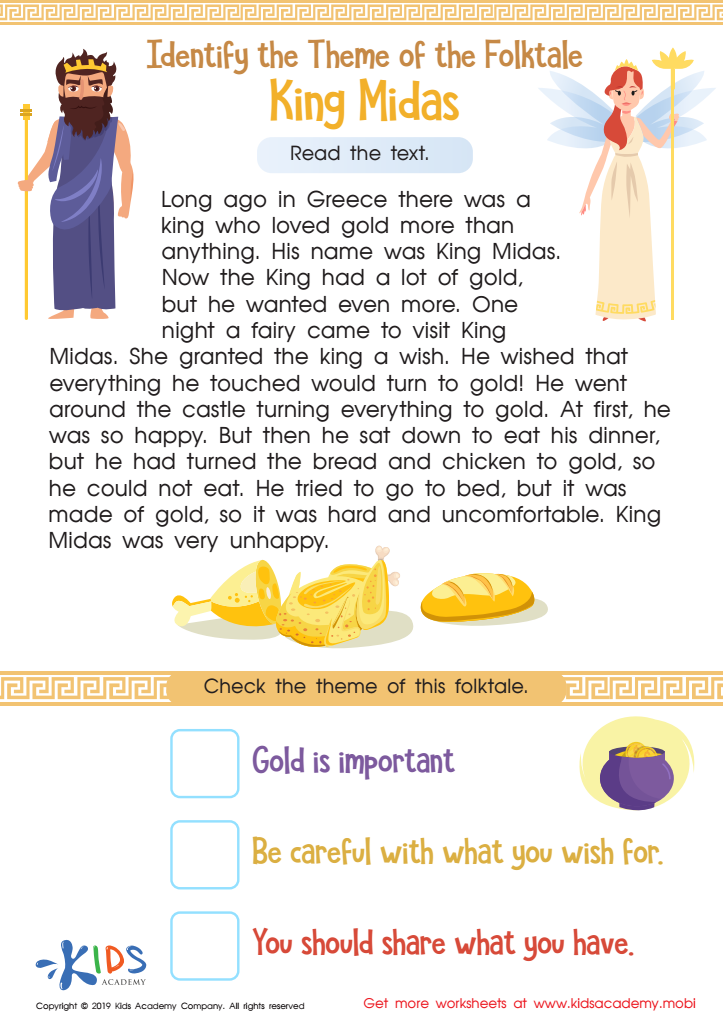
King Midas Worksheet
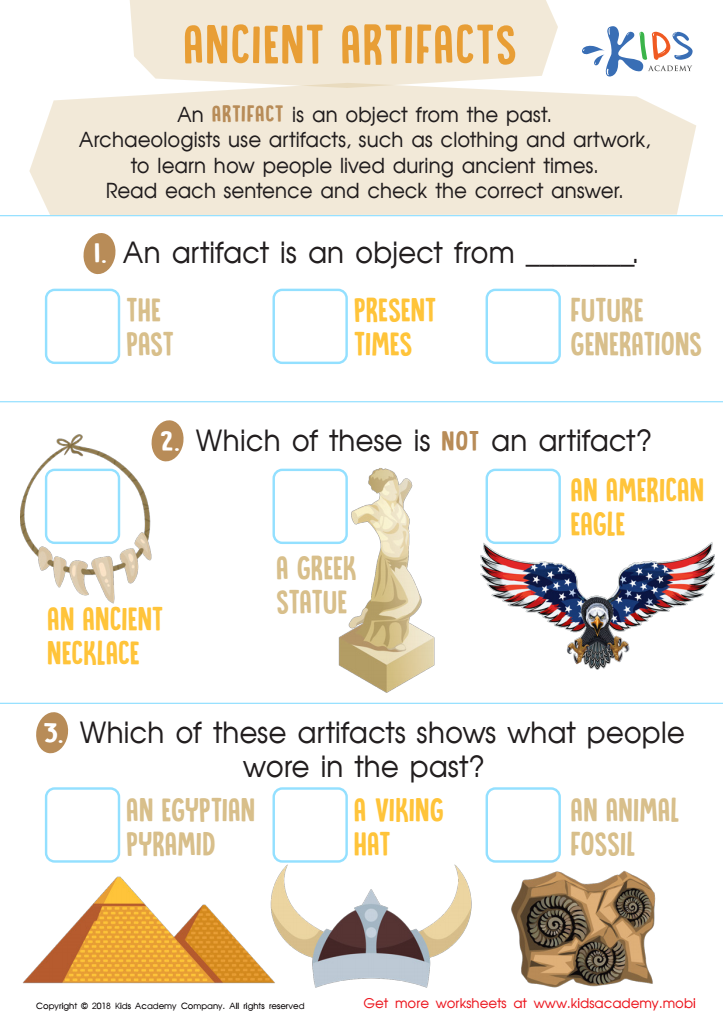
Ancient Artifacts Worksheet
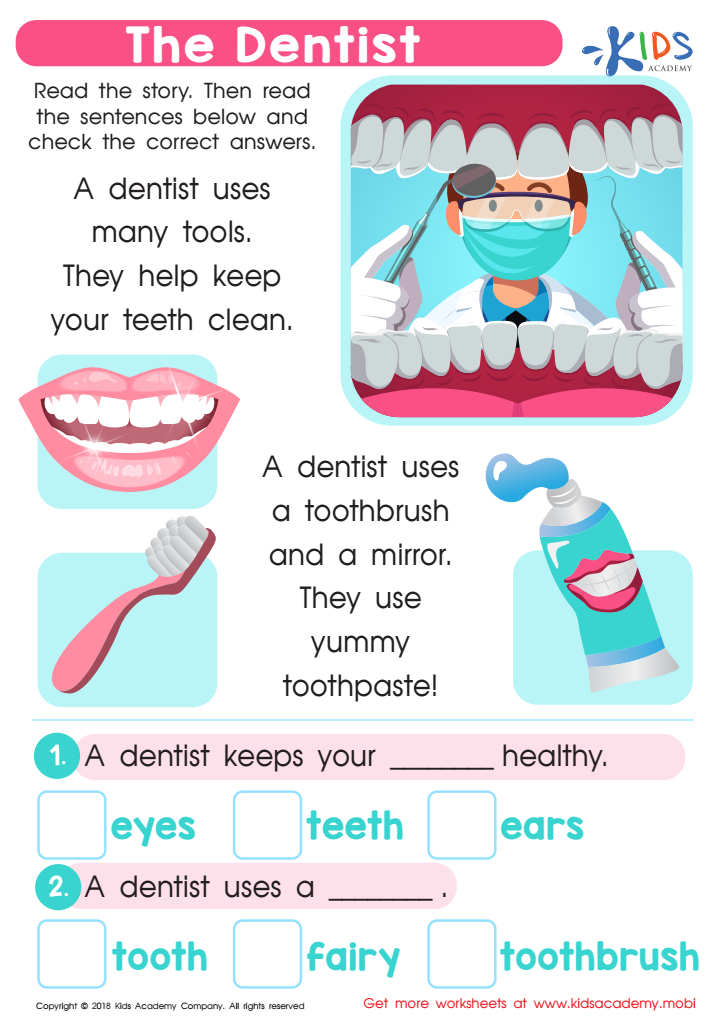
The Dentist Worksheet
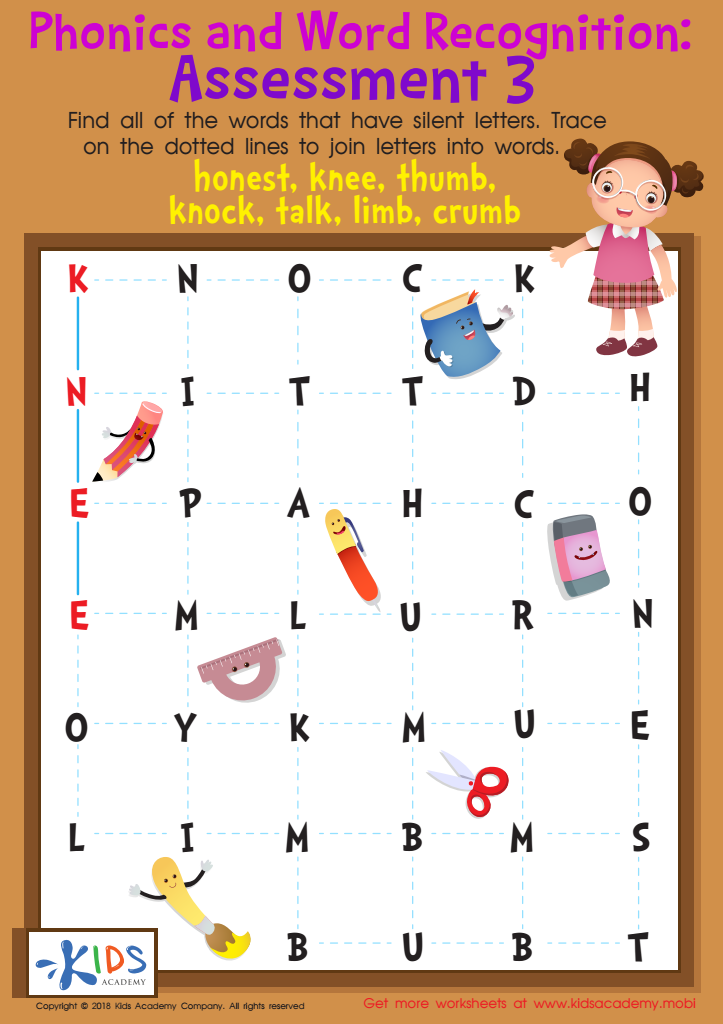
Phonics and Word Recognition: Assessment 3 Worksheet
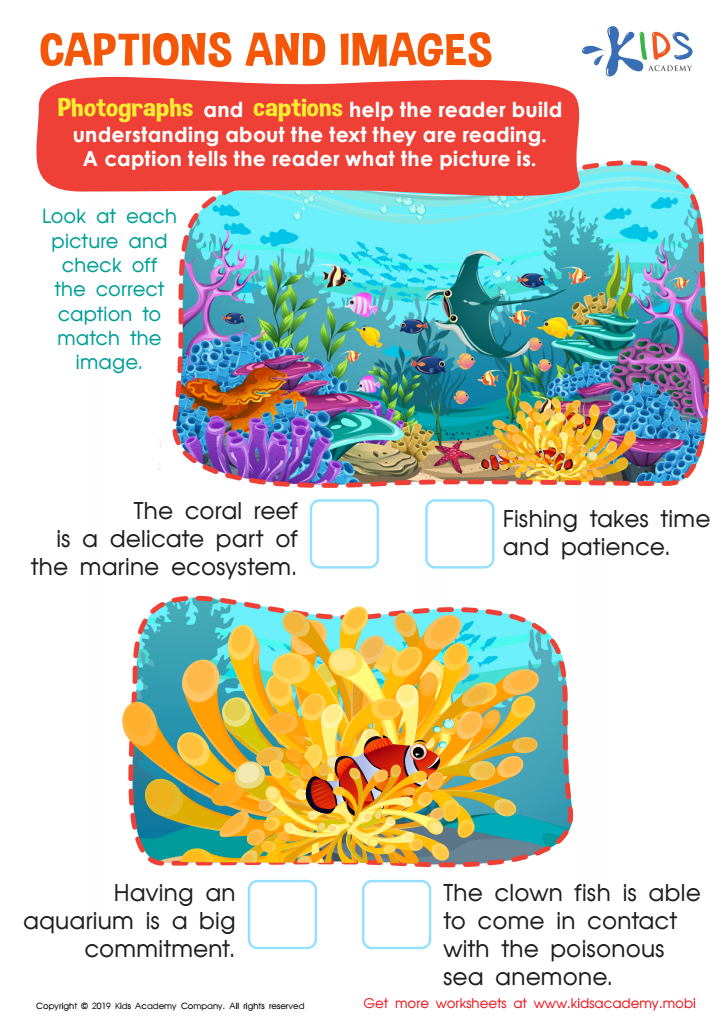
Captions and Images Worksheet
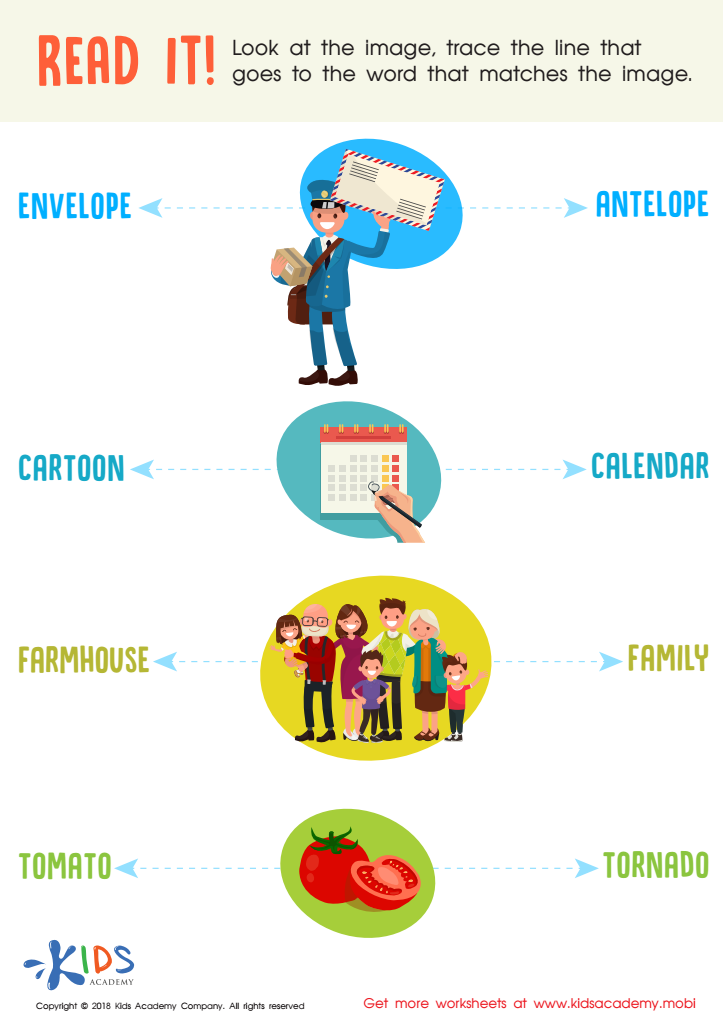
Read It! Worksheet
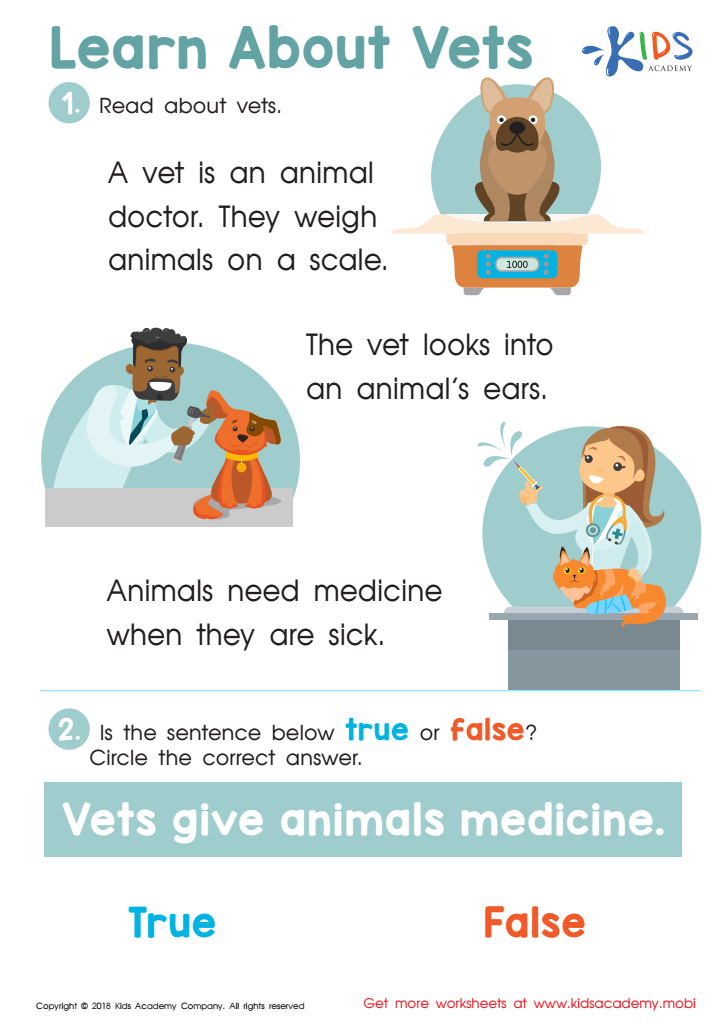
Learn About Vets Worksheet
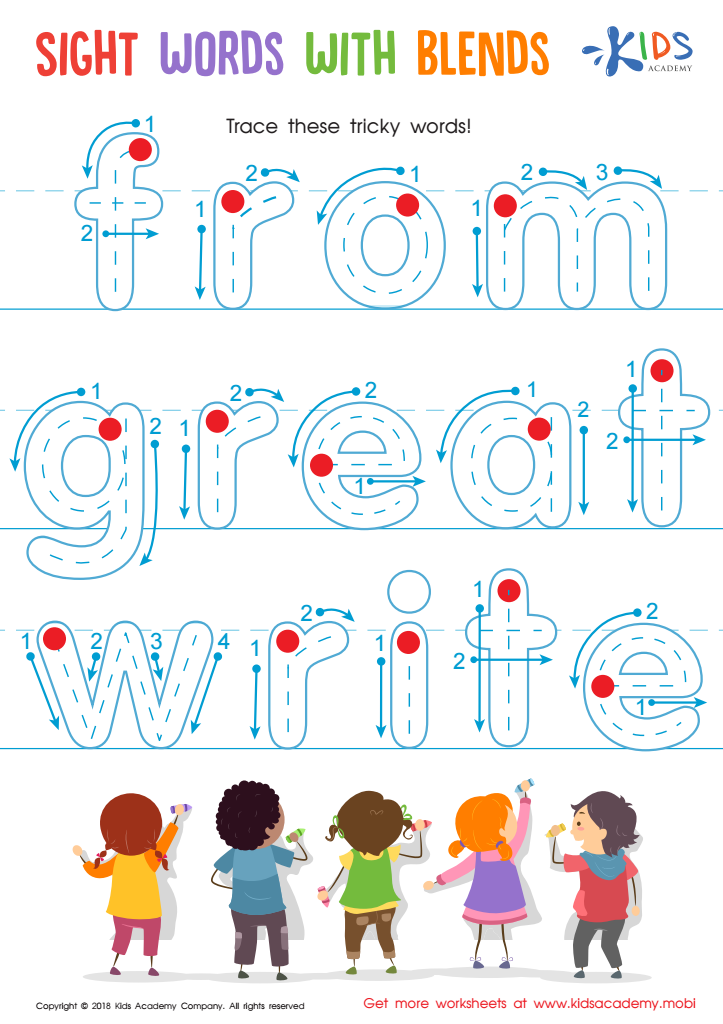
Sight Words with Blends Worksheet
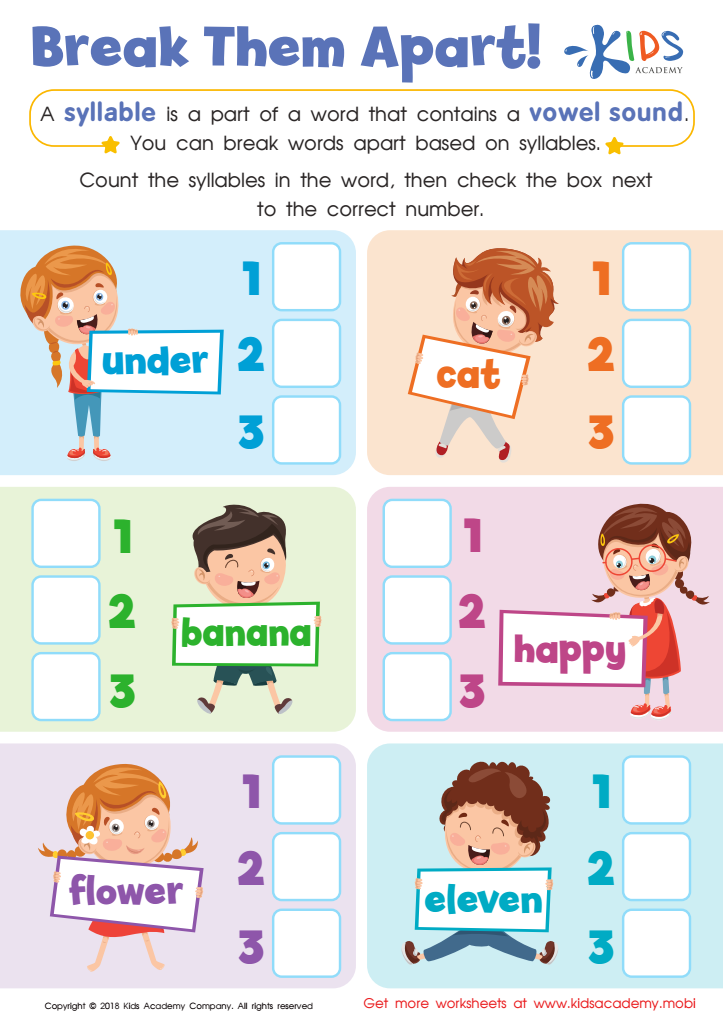
Reading: Break Them Apart Worksheet
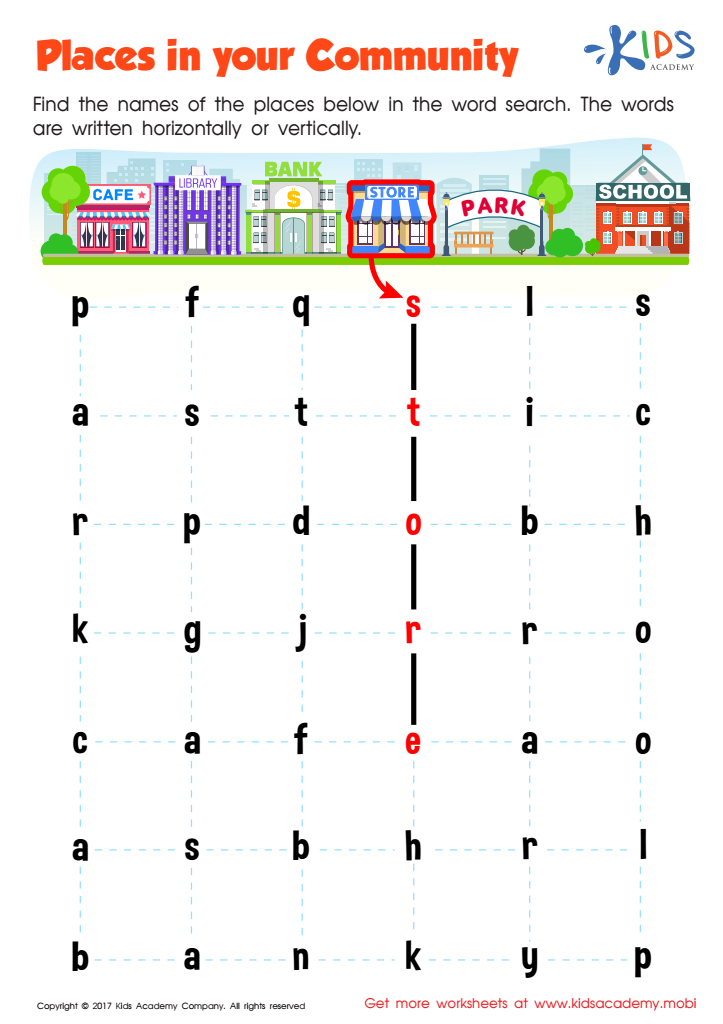
Places in Your Community Worksheet
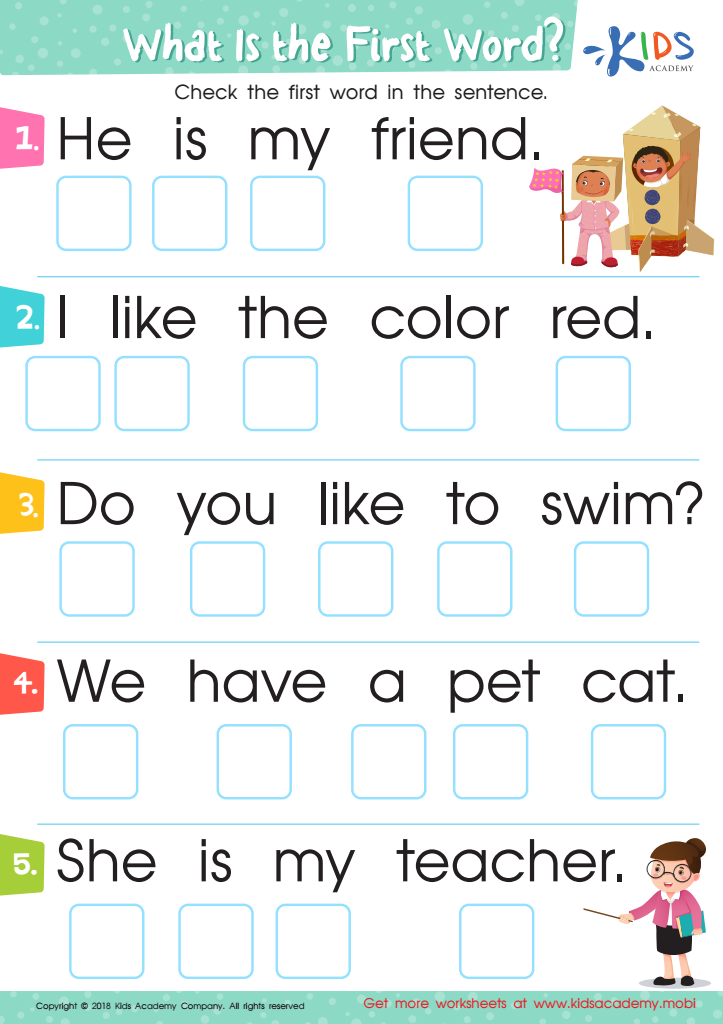
What is the First Word? Worksheet
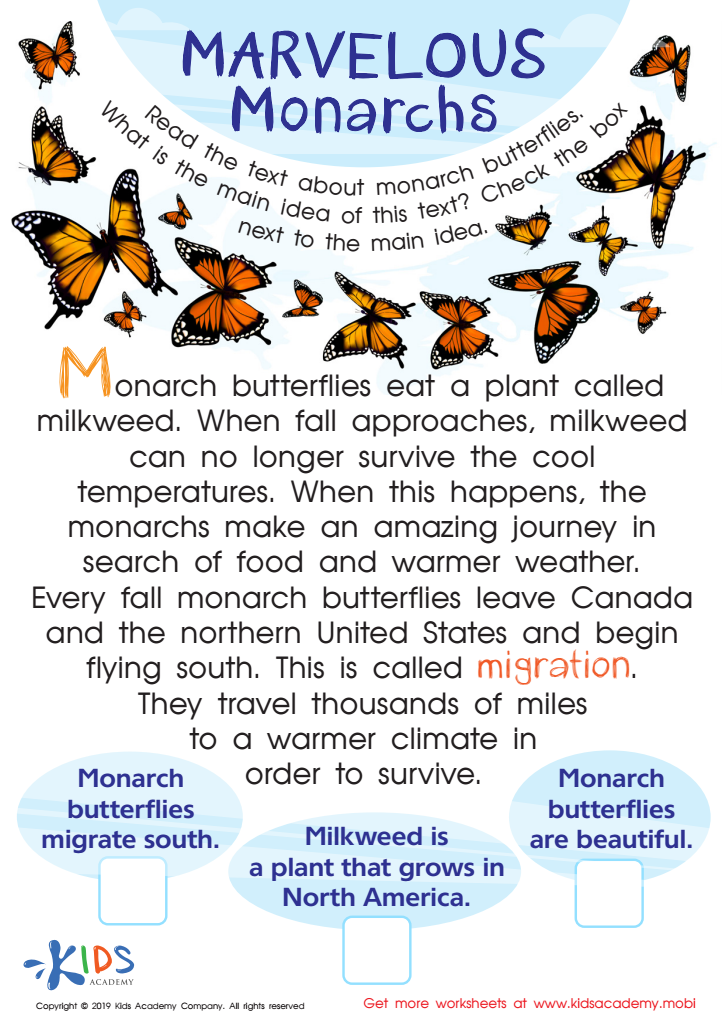
Marvelous Monarchs Worksheet
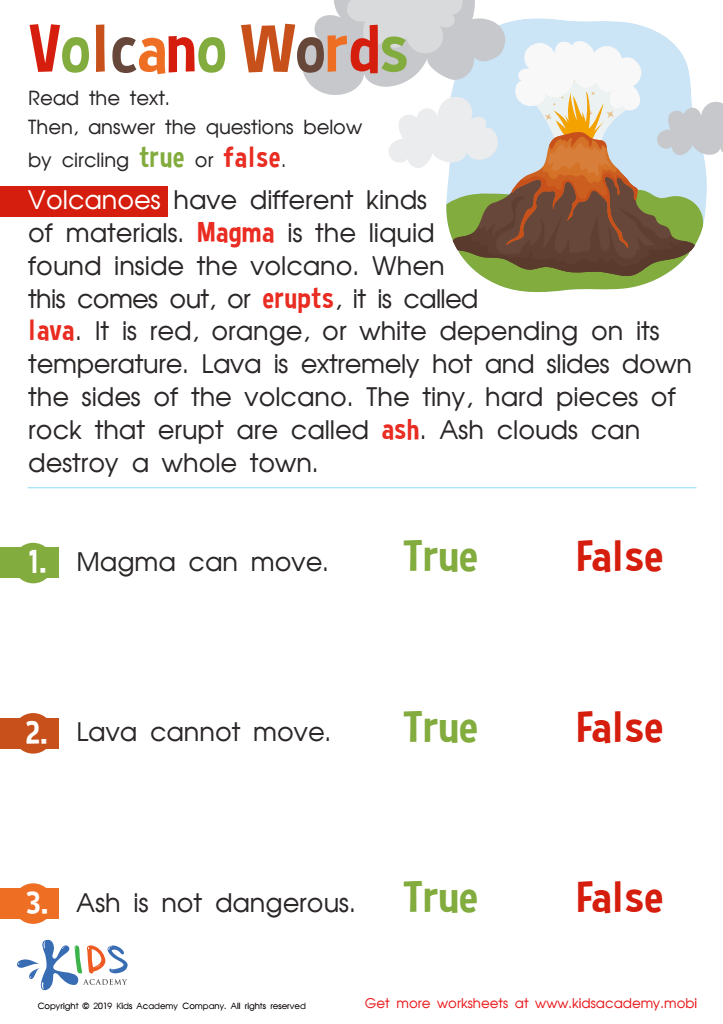
Volcano Words Worksheet
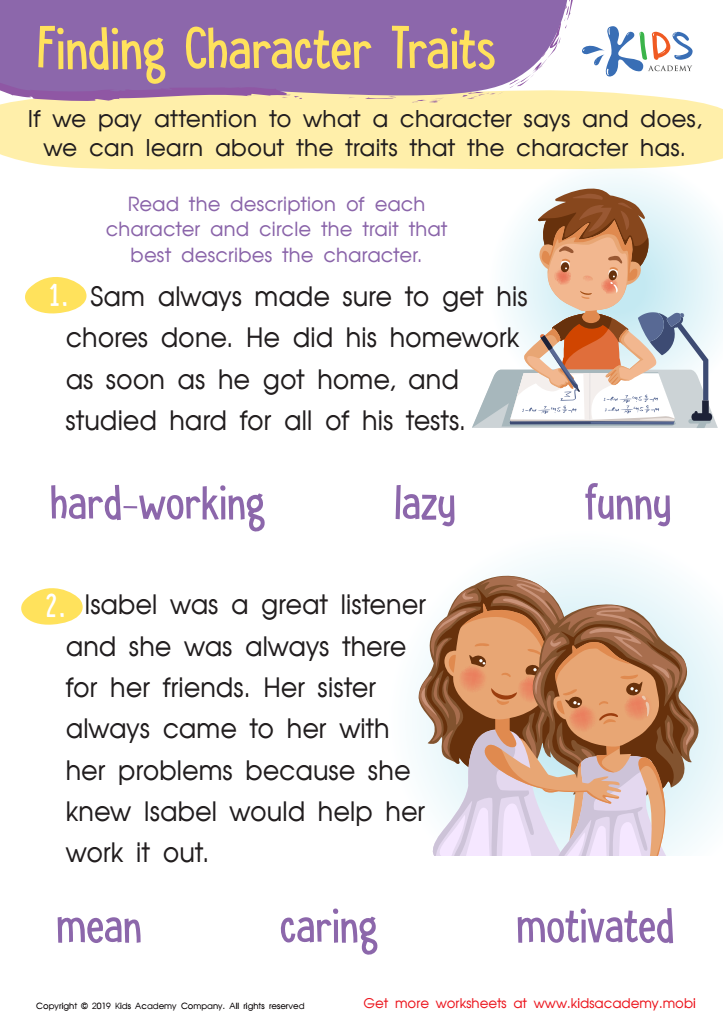
Finding Character Traits Worksheet
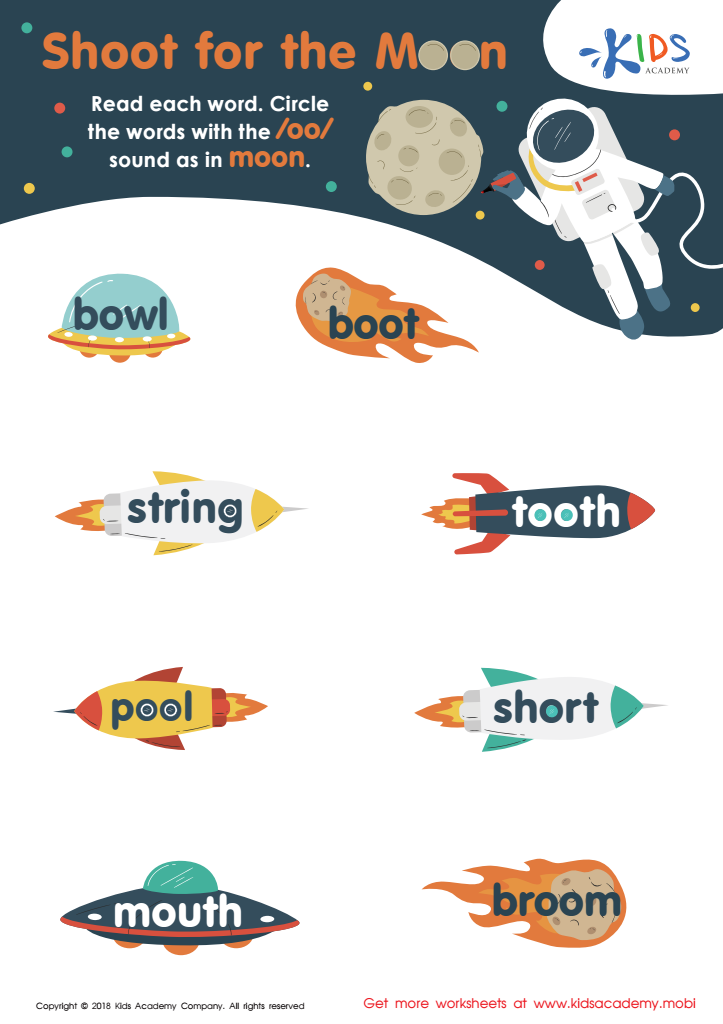
Reading: Shoot for the Moon Worksheet
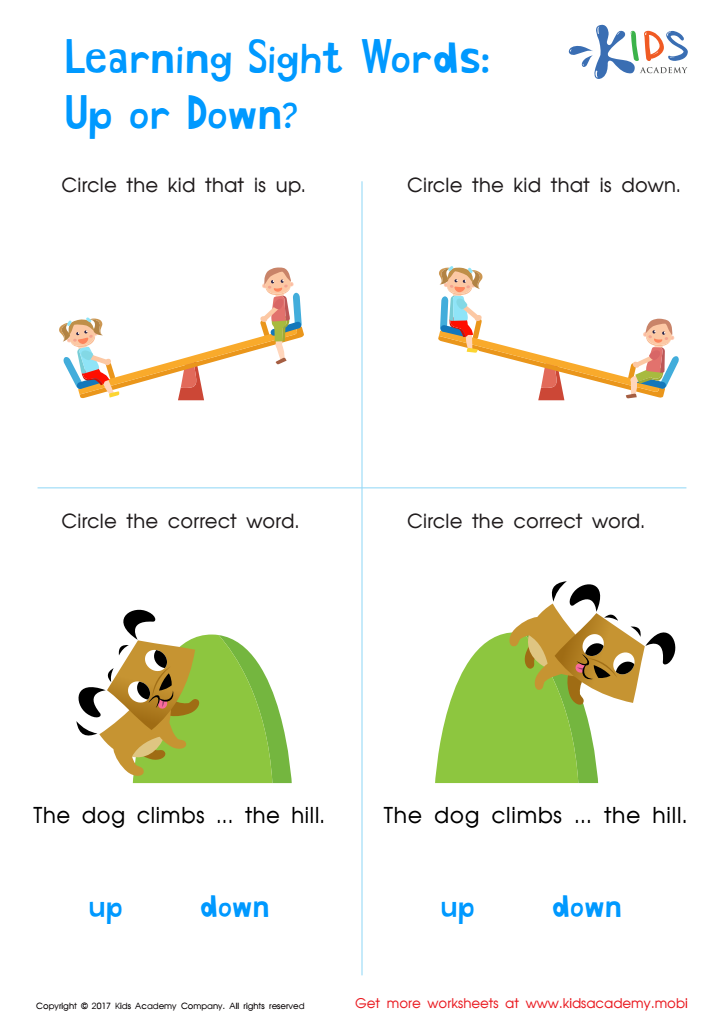
Up or Down Printable Sight Words Worksheet







.jpg)
Vocabulary development is crucial for children ages 7-8 as they transition from early literacy to more complex reading and comprehension tasks. At this age, children typically begin to encounter more challenging texts and diverse topics in their reading materials. A robust vocabulary enables them to understand and engage with these texts fully, fostering a deeper comprehension of their meaning and context.
Parents and teachers should care about vocabulary development because it directly impacts a child's academic success. A rich vocabulary enhances not only reading skills but also writing, speaking, and overall communication abilities. Children with a more extensive vocabulary tend to perform better in school, express their thoughts clearly, and participate more confidently in discussions.
Moreover, vocabulary development plays a pivotal role in a child's emotional and social growth. Being able to articulate feelings, experiences, and ideas allows children to connect with peers and adults, enhancing their interpersonal skills.
Encouraging vocabulary development through reading diverse books, engaging in conversations, and exploring new words together provides a significant advantage. It builds a solid foundation for lifelong learning and intellectual curiosity, ultimately preparing children for future academic endeavors and success in life. Parents and teachers can make a significant impact by prioritizing and nurturing this essential aspect of literacy.








