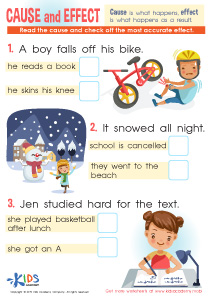
Vocabulary development Normal Reading Non-Fiction Worksheets for Ages 7-8
5 filtered results
-
From - To
Explore our engaging collection of Vocabulary Development Normal Reading Non-Fiction Worksheets designed specifically for ages 7-8. These worksheets aim to enhance vocabulary skills through stimulating non-fiction content. Each worksheet presents age-appropriate topics that captivate young minds, support reading comprehension, and build essential language abilities. Perfect for classroom use or at-home learning, our exercises promote curiosity and a deeper understanding of the world. Empower your child's literacy journey with fun, educational, and expertly crafted resources tailored to foster a love for reading and an expanded vocabulary. Discover the difference our worksheets can make in your child's learning.
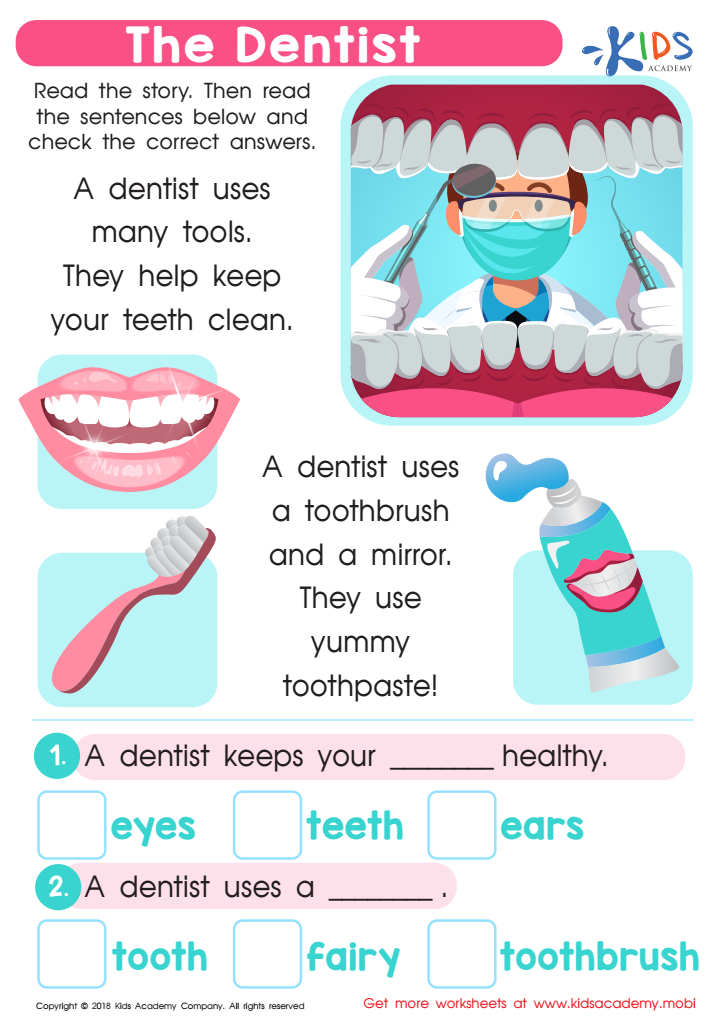
The Dentist Worksheet
 Assign to My Students
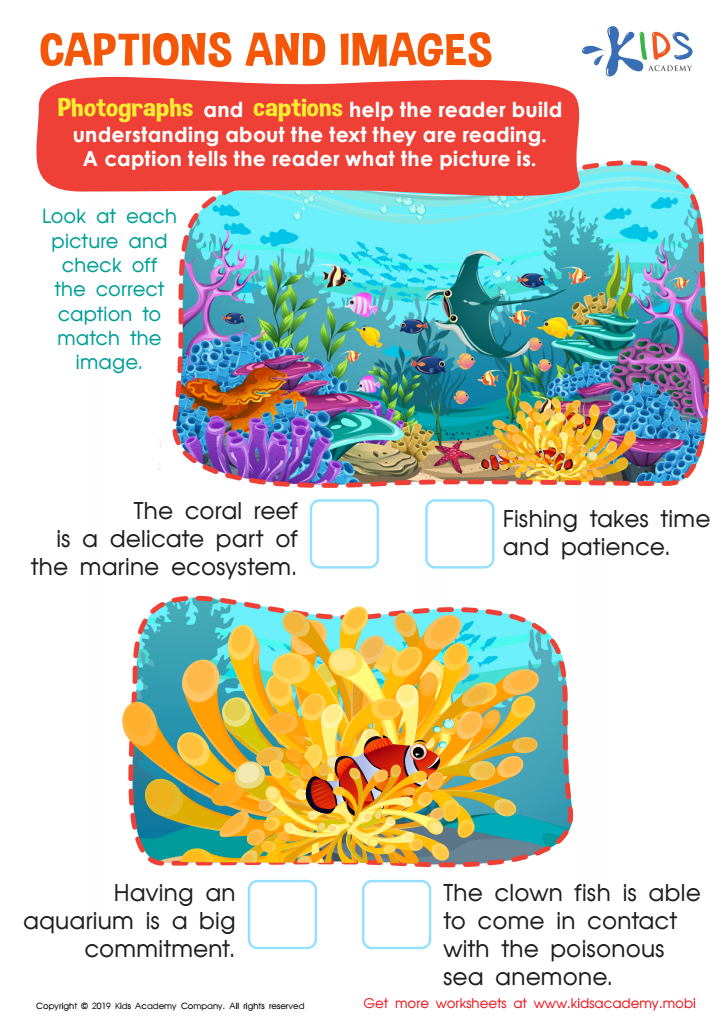
Captions and Images Worksheet
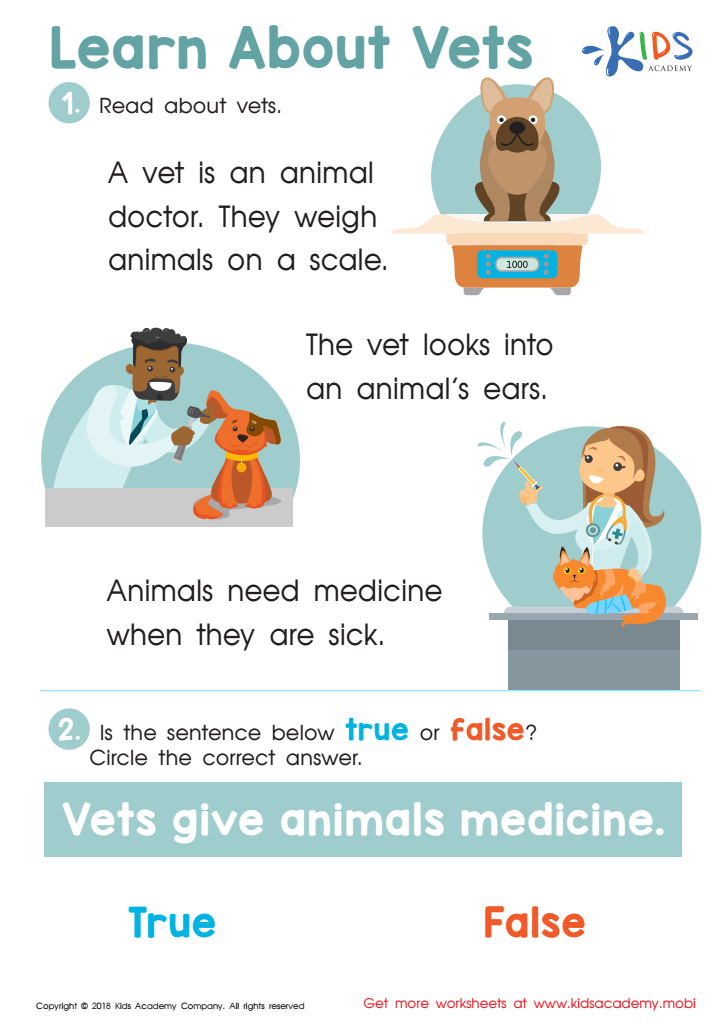
Learn About Vets Worksheet
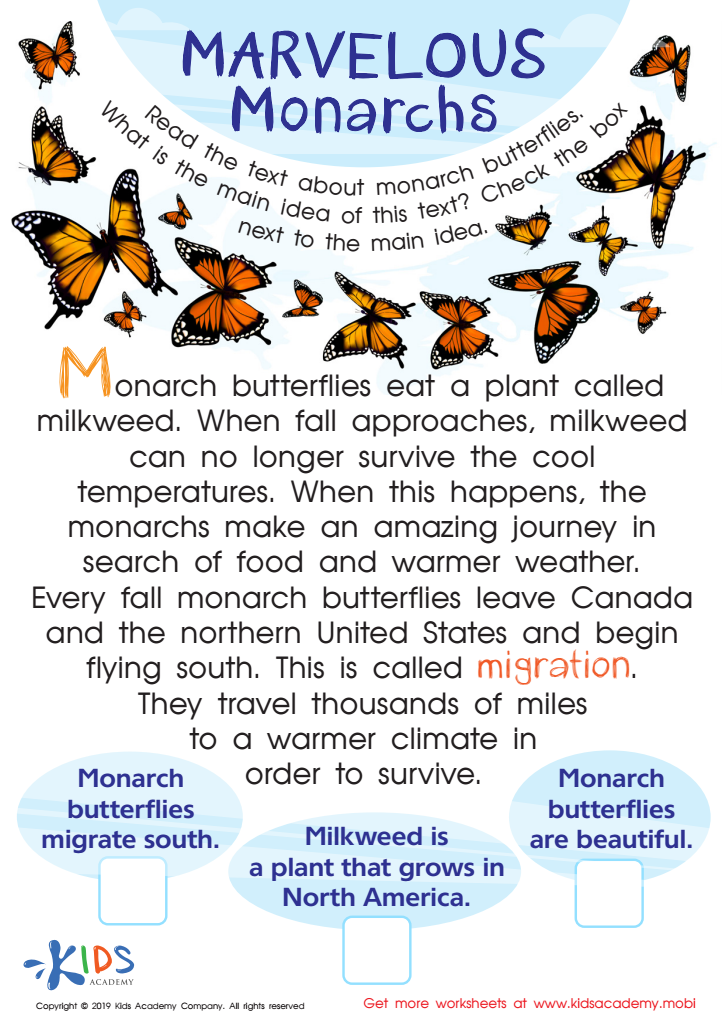
Marvelous Monarchs Worksheet
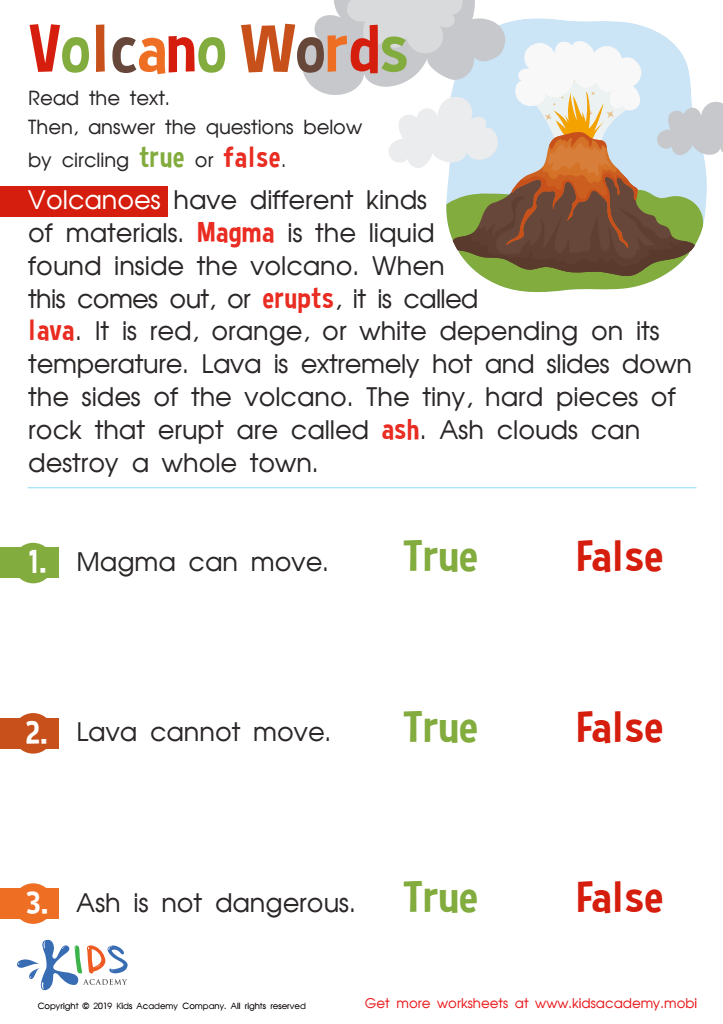
Volcano Words Worksheet








Vocabulary development is critical for children aged 7-8 as it significantly influences their academic success and overall cognitive development. At this age, children transition from learning to read to reading to learn, making a strong vocabulary essential for comprehension. Children with a rich vocabulary can better understand the core concepts in their texts, fostering more profound learning in subjects like science, social studies, and mathematics. This enrichment also boosts their ability to express thoughts and ideas clearly, both in writing and orally.
Reading non-fiction, in particular, exposes children to real-world knowledge and various text structures. Non-fiction texts often feature domain-specific vocabulary not typically found in everyday conversations, thus broadening children's word knowledge and usage. This exposure helps build the critical and analytical skills necessary for understanding and engaging with complex informational content as they progress through their education.
Further, vocabulary growth has social benefits; it enhances communication skills, empowering children to effectively articulate their feelings, build stronger relationships, and navigate social interactions more confidently.
Parents and teachers play a pivotal role by integrating rich, age-appropriate vocabulary and non-fiction reading into daily activities, sparking curiosity, and promoting lifelong learning habits. Investing in vocabulary development now lays a solid foundation for children’s future educational endeavors and personal growth.