Analyzing data Normal Science Worksheets for Ages 7-8
5 filtered results
-
From - To
Explore our engaging "Analyzing Data Normal Science Worksheets" designed for children aged 7-8. These worksheets provide exciting activities that help young learners develop essential data analysis skills through hands-on experience. With visually stimulating illustrations and relatable contexts, students will enjoy interpreting charts, graphs, and basic statistical concepts. The worksheets are crafted to align with educational standards, promoting critical thinking and enhancing mathematical proficiency in a fun, interactive way. Ideal for classroom use or extra practice at home, these resources support your child's journey in becoming a confident problem solver and analyzer of information. Start fostering scientific curiosity today!
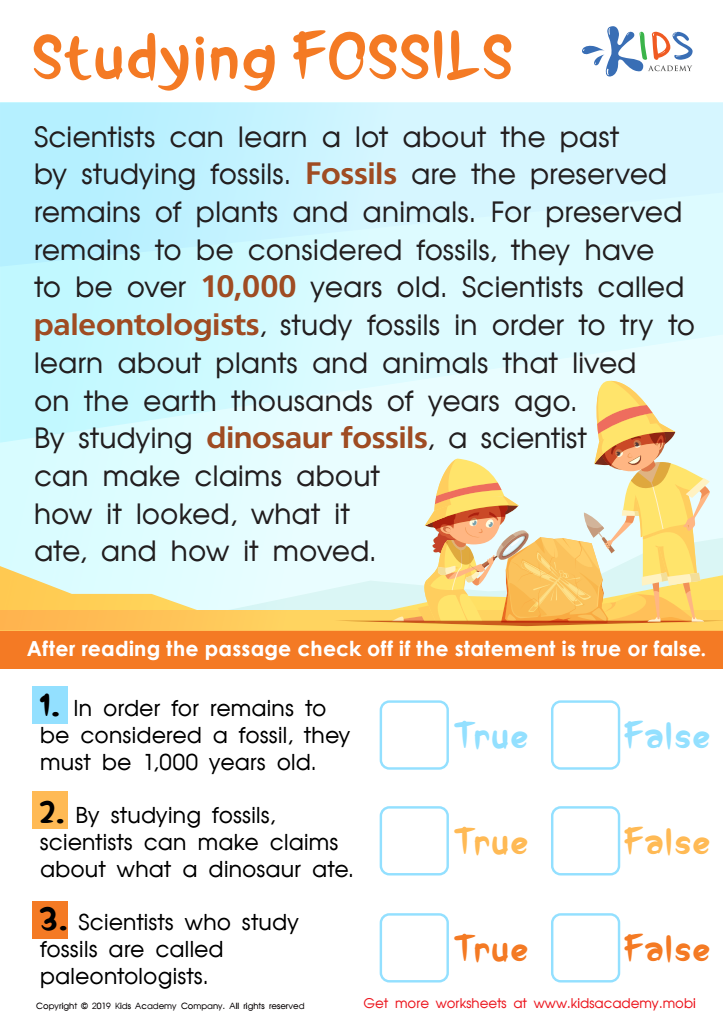
Studying Fossils Worksheet
 Assign to My Students
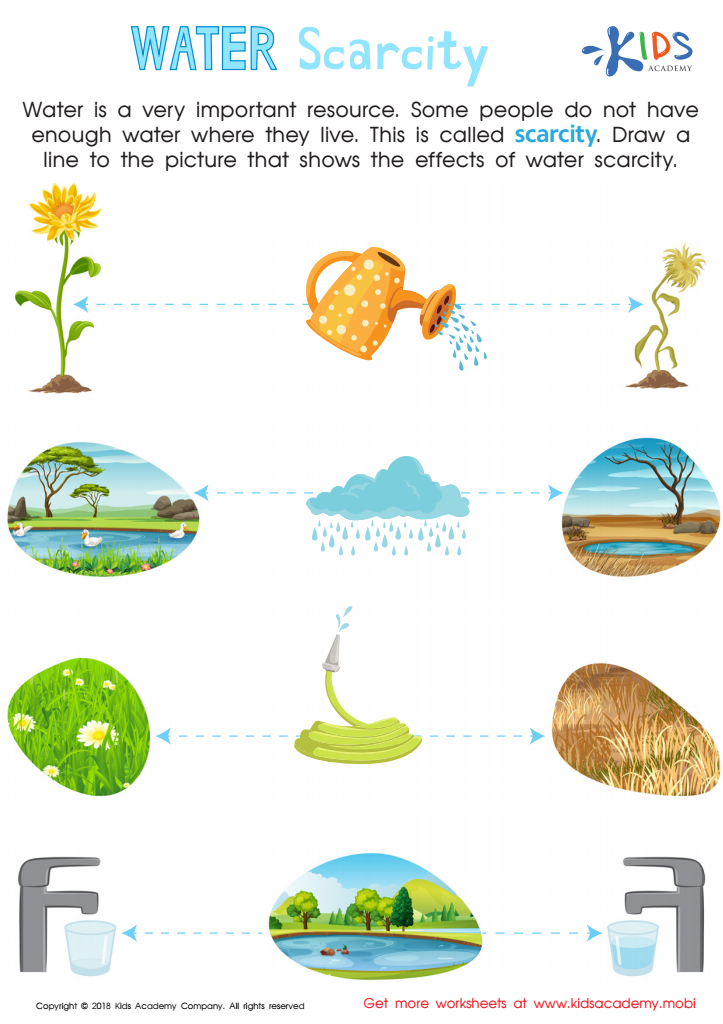
Water Scarcity Worksheet
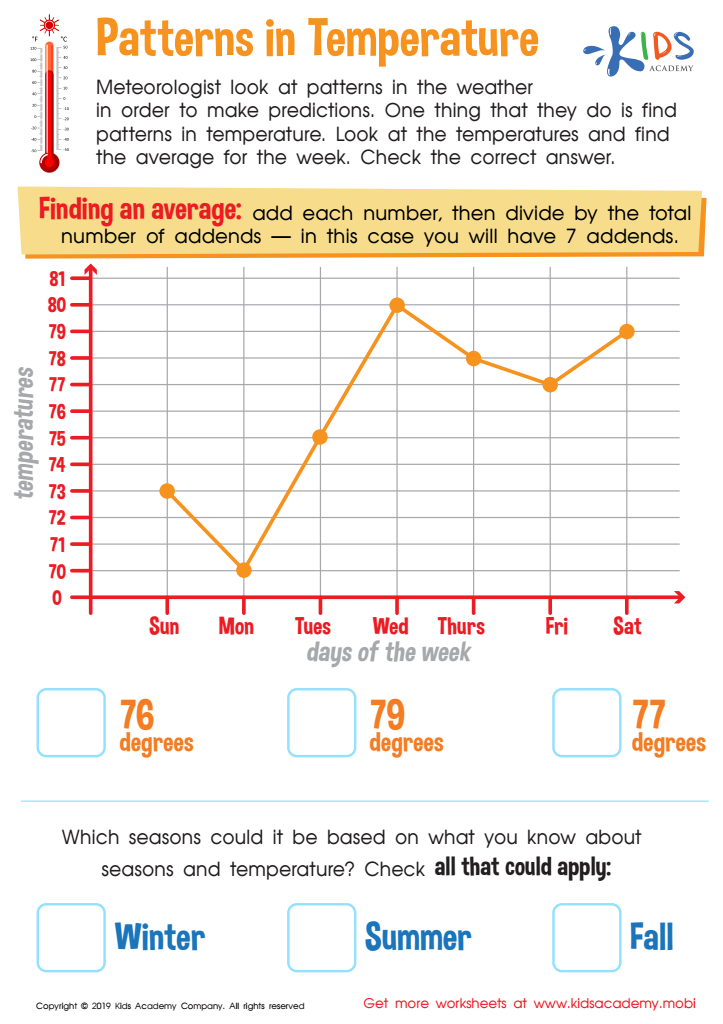
Patterns in Temperature Worksheet
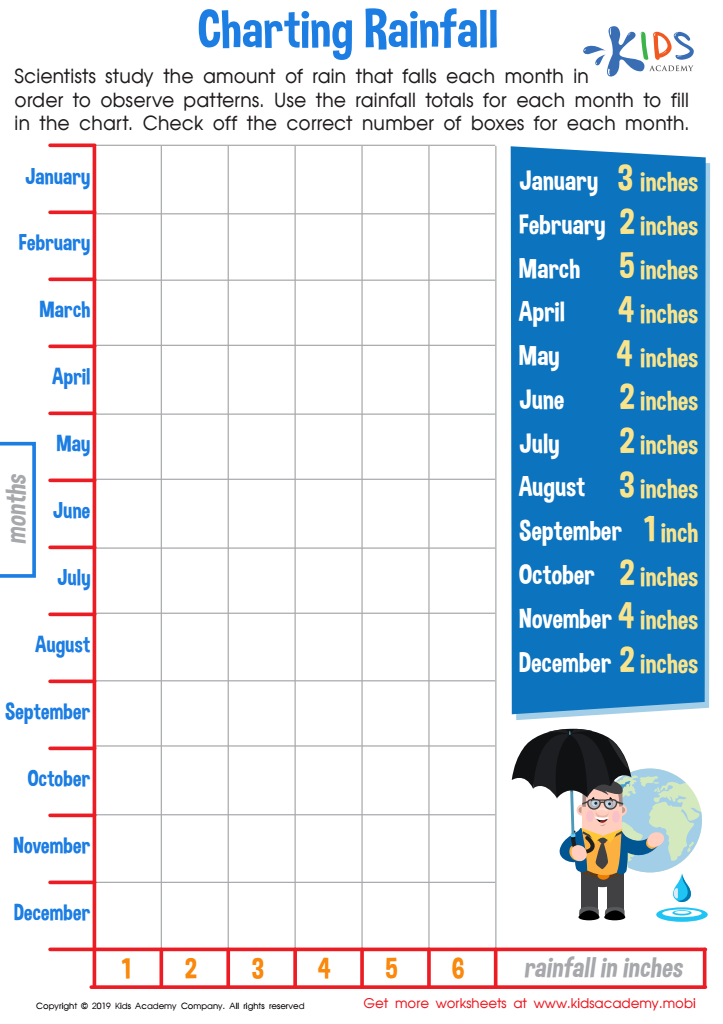
Charting Rainfall Worksheet
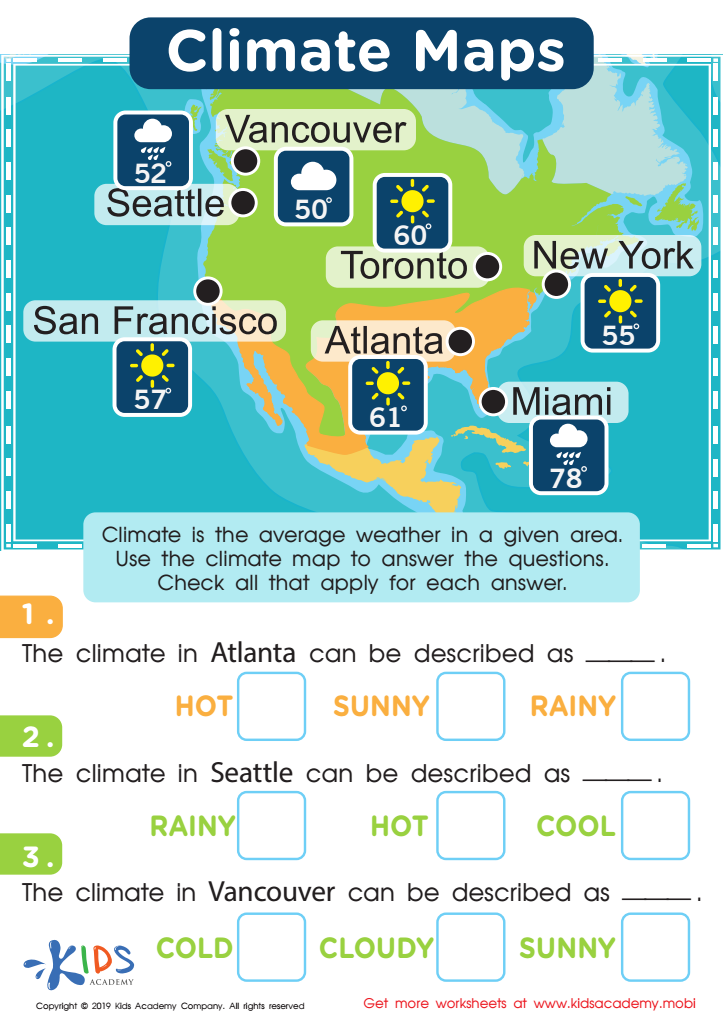
Climate Maps Worksheet


.jpg)





Analyzing data is an important skill for children ages 7-8, as it lays a foundation for critical thinking and problem-solving abilities. At this age, children are naturally curious and eager to explore the world around them. By engaging them in activities that involve collecting, organizing, and interpreting data, parents and teachers can cultivate analytical skills that will serve them throughout their academic journey and beyond.
Understanding how to analyze data helps children make sense of information, ascertain patterns, and draw meaningful conclusions. This not only enhances their ability to succeed in subjects like math and science but also fosters an inquisitive mindset that encourages lifelong learning. When children analyze data, they learn to approach problems methodically, asking questions and seeking evidence to support their findings.
Furthermore, data analysis ties closely to real-world applications. For example, by tracking daily temperatures or gathering information on their favorite fruits, children can see the relevance of math in everyday life. Encouraging this skill fosters teamwork and collaboration when they share their findings with peers.
Overall, parents and teachers play a crucial role in nurturing these skills, ensuring that children grow into informed individuals ready to tackle future challenges.







