Knowledge application Normal Science Worksheets for Ages 7-8
5 filtered results
-
From - To
Unlock your child's scientific potential with our "Knowledge Application Normal Science Worksheets" designed specifically for ages 7-8! These engaging worksheets encourage critical thinking and application of learned concepts through interactive activities. Kids will explore various scientific principles while answering fun questions, identifying patterns, and conducting simple analyses. Perfect for home or classroom use, our worksheets promote independent learning and foster curiosity about the natural world. With vibrant illustrations and age-appropriate content, students will enjoy mastering essential science skills while building confidence in their knowledge. Start their scientific journey today with our thoughtfully crafted resources that make learning both enjoyable and effective!
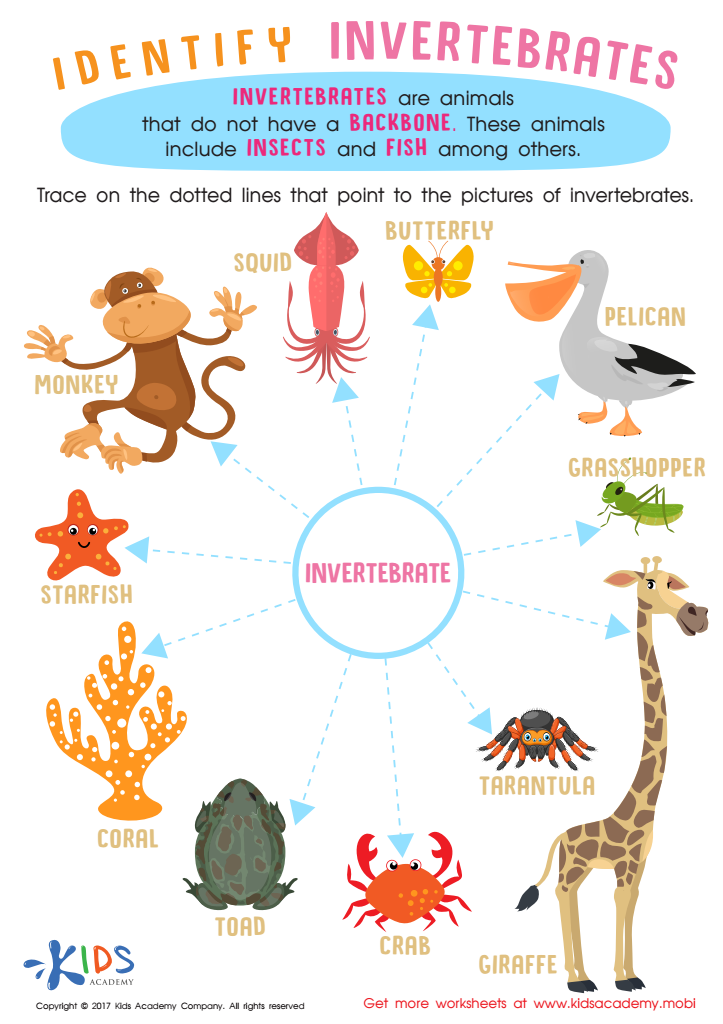
Invertebrates Worksheet for Grade 3
 Assign to My Students
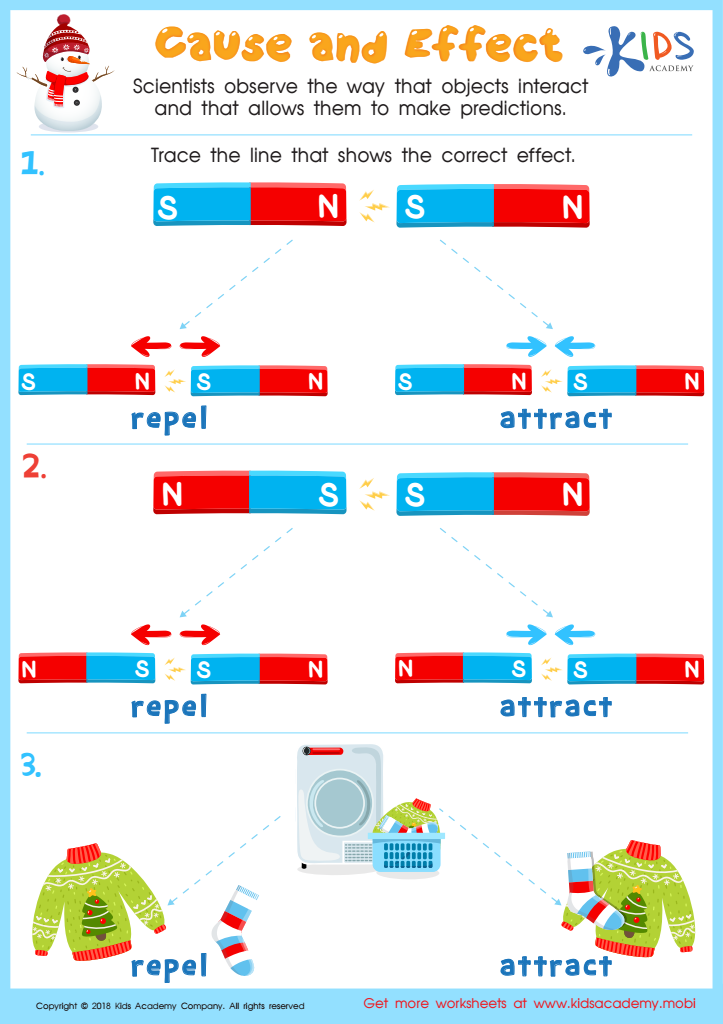
Repel and Attract Magnet Worksheet
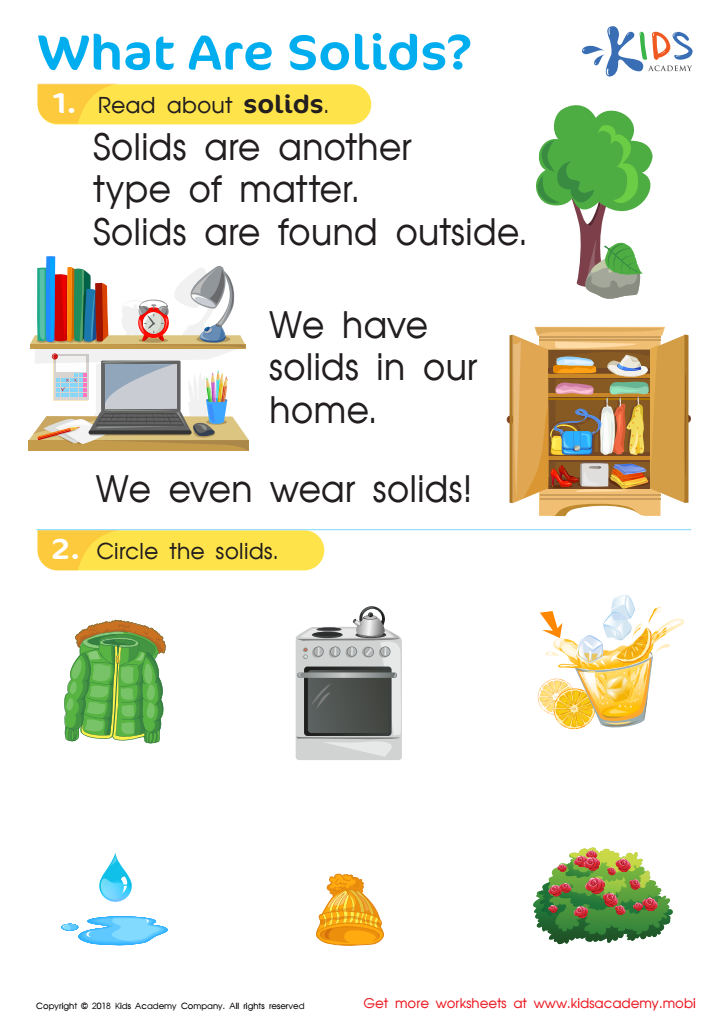
What Are Solids? Worksheet
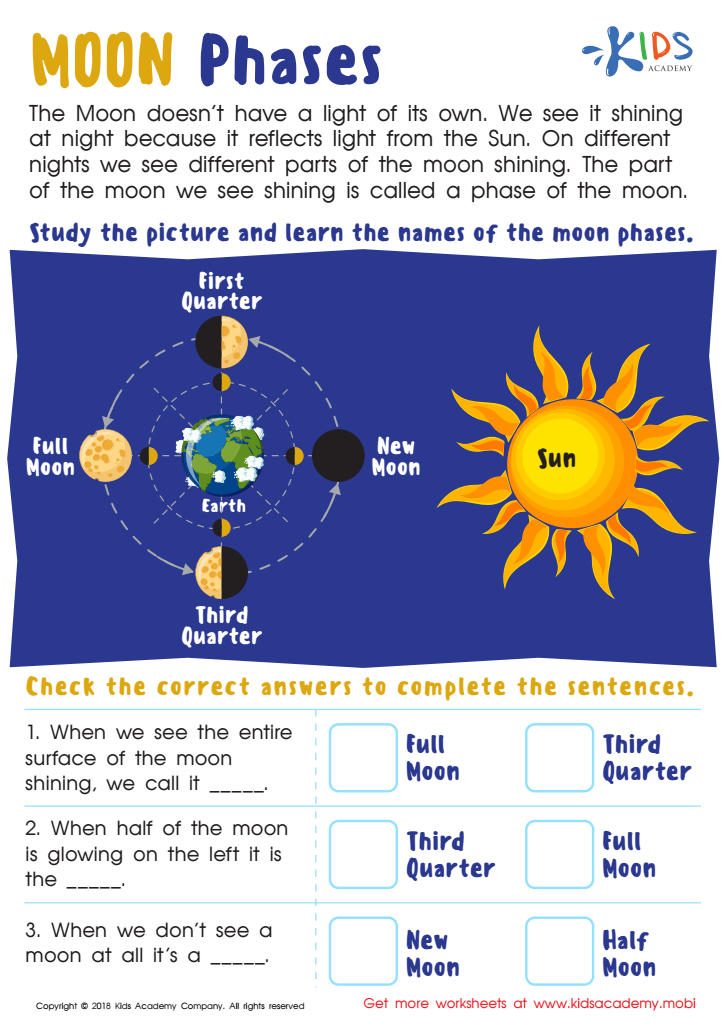
Moon Phases Worksheet
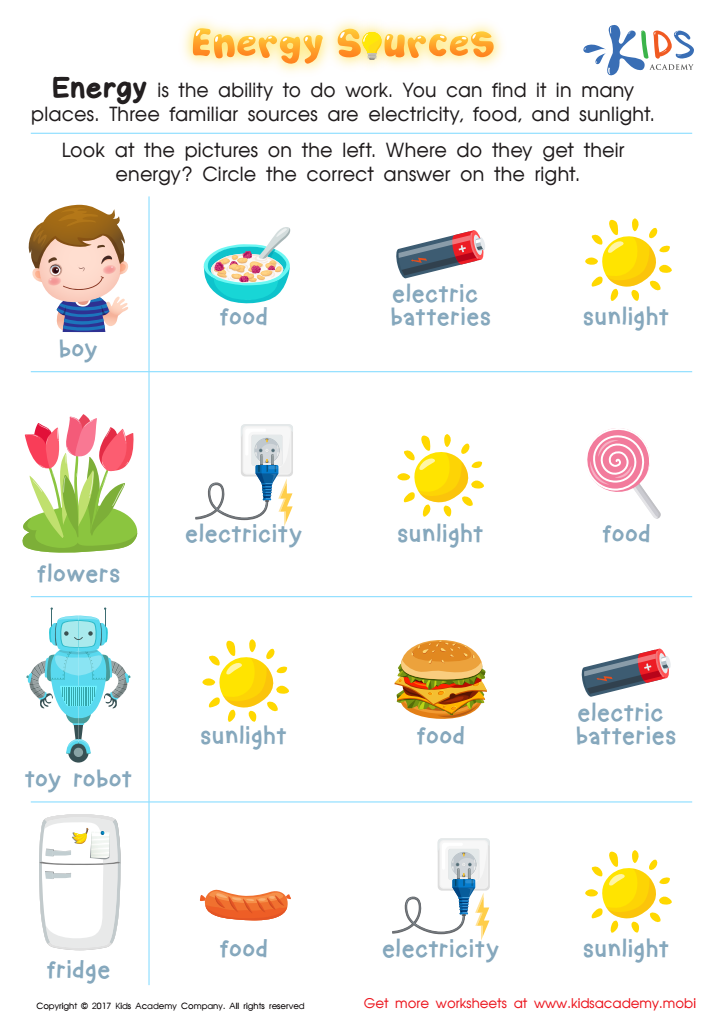
Energy Sources Printable





Knowledge Application in Normal Science is vital for children aged 7-8 as it plays a crucial role in fostering a deeper understanding of scientific concepts through hands-on experiences and real-world connections. At this age, children are naturally curious and eager to explore their environment. Encouraging them to apply knowledge enables them to transform theoretical learning into practical skills, empowering them to ask questions, conduct experiments, and seek answers.
Parents and teachers should care about this aspect of science education because it enhances critical thinking, problem-solving, and inquiry skills. These abilities not only build a strong foundation for future learning but also ignite a lifelong love for science. Engaging in normal science helps children understand the scientific method, encouraging systematic thinking—formulating hypotheses, testing them, and analyzing results.
Moreover, applications of science reinforce the relevance of education in everyday life. When children see the application of science in activities like cooking, gardening, or simple projects, they are more likely to show enthusiasm for learning. This approach cultivates an engaging classroom atmosphere where students learn collaboratively, ensuring they are well-prepared for advanced studies and, ultimately, everyday decision-making. Supporting knowledge application ultimately shapes well-rounded, scientifically literate individuals.







