Science vocabulary expansion Normal Science Worksheets for Ages 7-8
3 filtered results
-
From - To
Explore our engaging "Science Vocabulary Expansion Normal Science Worksheets" designed for children aged 7-8. These worksheets aim to enhance your child's scientific vocabulary, nurturing a deeper understanding of key concepts within the world of science. Through fun activities, kids will learn essential terms related to various topics such as life cycles, ecosystems, and basic physics. Each worksheet encourages critical thinking and boosts confidence as students translate complex ideas into simple, relatable language. Ideal for classroom or home use, our science vocabulary worksheets promote an enjoyable way to learn and spark curiosity about the amazing world of science. Start the adventure today!
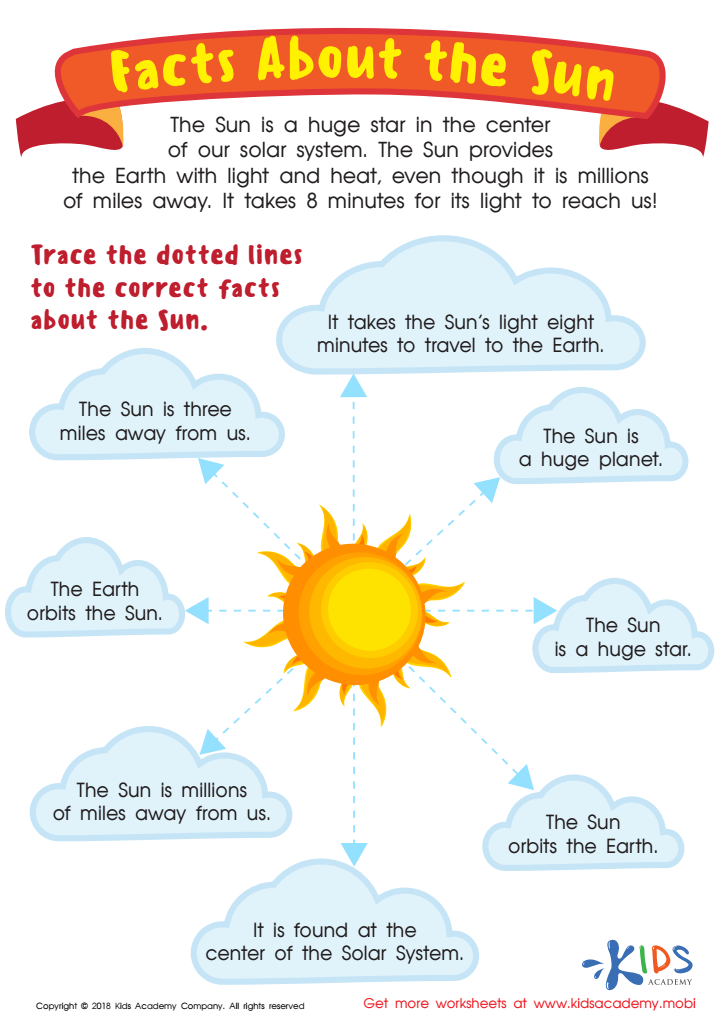
Facts About the Sun Worksheet
 Assign to My Students
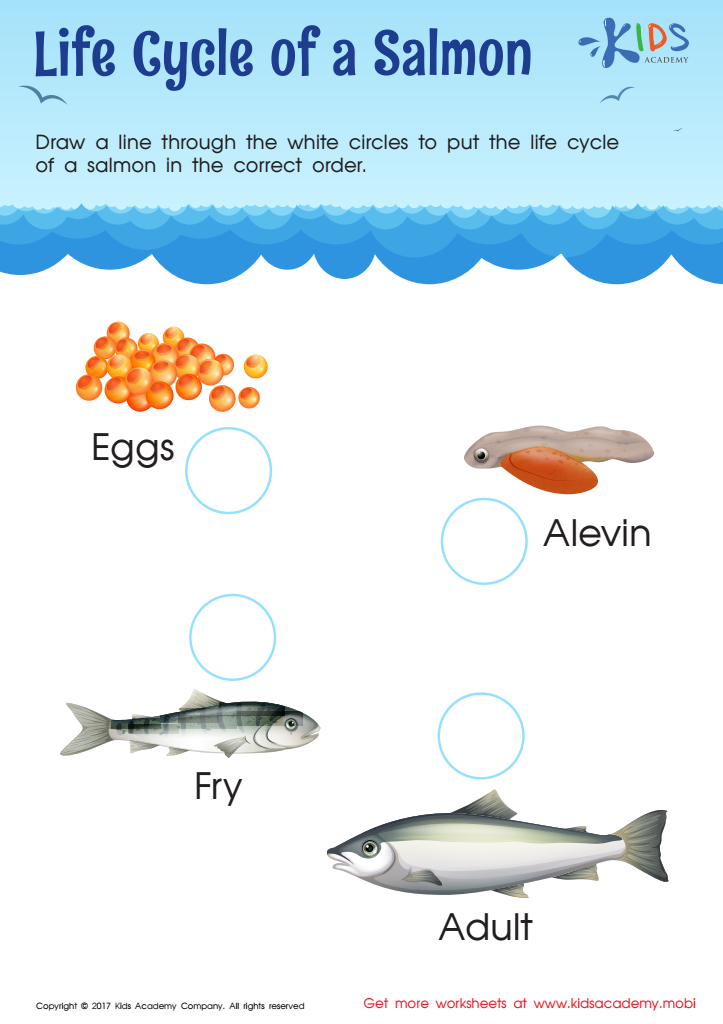
Cycle Of Salmon Worksheet
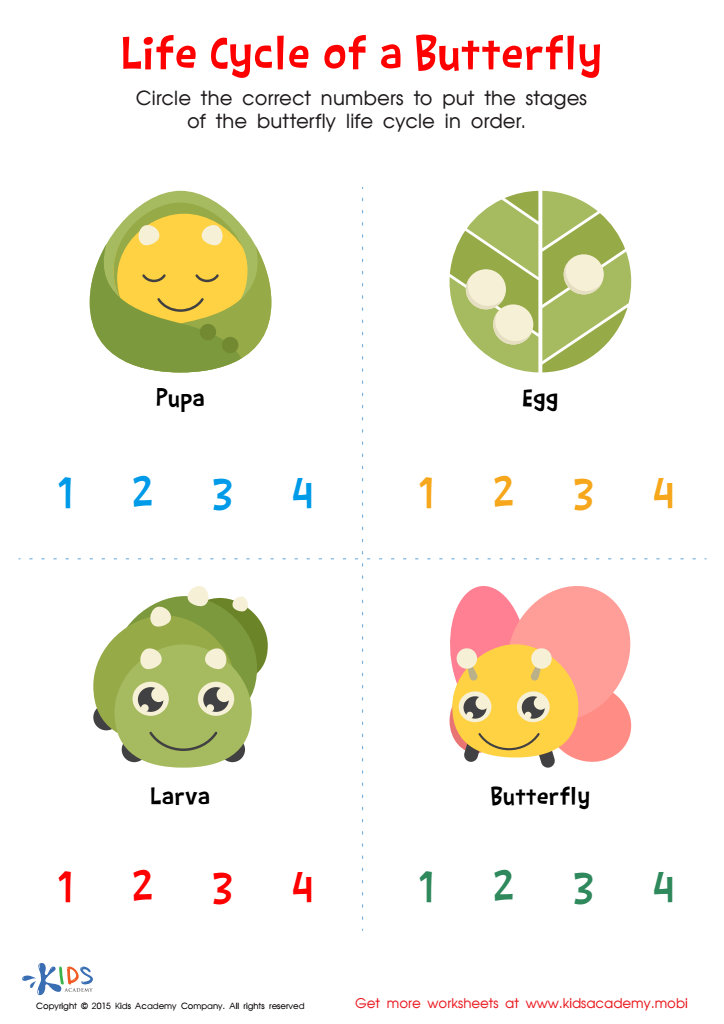
Life Cycle of Butterfly Printable







Expanding science vocabulary for children aged 7-8 is essential for several reasons. First, a robust vocabulary forms the foundation for effective communication. When children grasp scientific terms and concepts, they can better articulate their observations, ask meaningful questions, and engage in discussions about scientific phenomena. This enhances their critical thinking and reasoning skills.
Second, early exposure to scientific vocabulary ignites curiosity and fosters a love for learning. Children who are comfortable with science language are more likely to participate actively in experiments, discussions, and projects. This participatory learning approach deepens their understanding and retention of scientific concepts.
Additionally, a strong science vocabulary prepares children for future academic success. As they progress in their education, these foundational skills will be vital for comprehending more complex texts and materials in science-related subjects.
Lastly, a well-rounded vocabulary lays the groundwork for an informed citizenry. In a world increasingly shaped by science and technology, being able to understand scientific discussions is crucial for making informed decisions about health, environment, and policy. Therefore, parents and teachers should prioritize vocabulary expansion in early education to nurture confident learners and engaged citizens.







