
Critical Thinking Normal Life Science Worksheets for Ages 7-8
4 filtered results
Difficulty Level
Grade
Age
-
From - To
Subject
Activity
Standards
Enhance your child's intellectual development with our "Critical Thinking Normal Life Science Worksheets for Ages 7-8." Designed to spark curiosity and deepen understanding, these interactive worksheets challenge young minds through engaging activities. Our expertly curated materials cover key life science concepts, promoting analytical thinking and problem-solving skills. Perfect for classroom or home use, each worksheet nurtures inquisitiveness, fosters creativity, and supports knowledge retention. Equip your 7-8-year-old with the tools to explore the wonders of life science as they build critical thinking abilities. Start their journey towards lifelong learning and scientific literacy today with Kids Academy worksheets!
Favorites
With answer key
Interactive
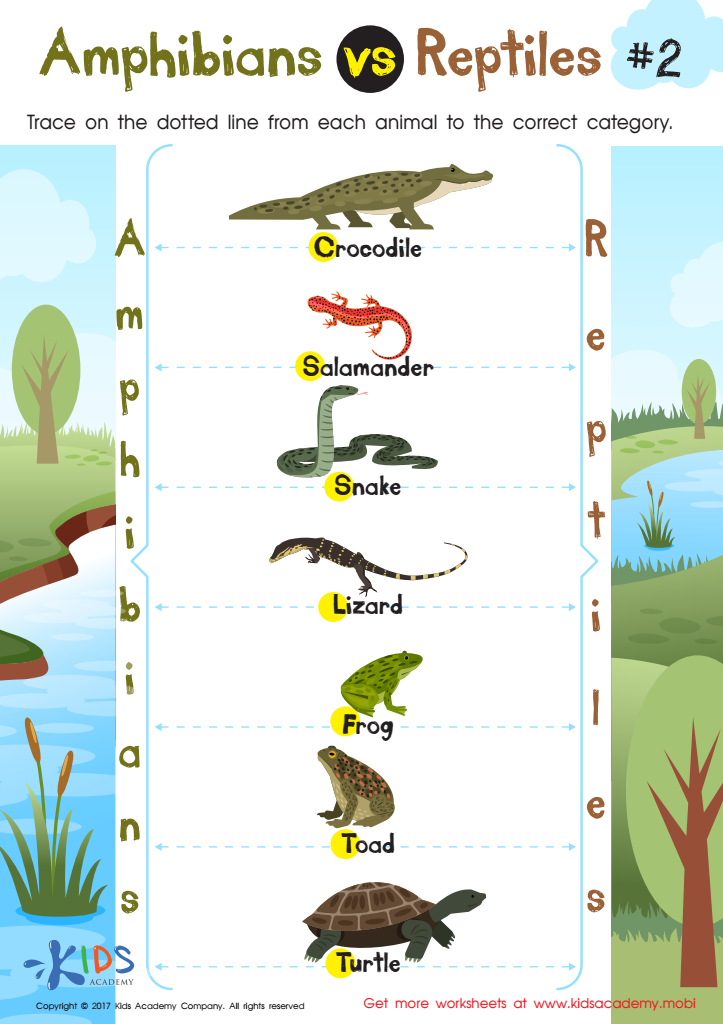
Amphibians vs Reptiles Worksheet for 3rd Grade
Let your 3rd grader challenge themselves and have fun by distinguishing between reptiles and amphibians. With this cool worksheet, they'll explore vivid pictures and learn about these fascinating creatures!
 Assign to My Students
Amphibians vs Reptiles Worksheet for 3rd Grade
Worksheet
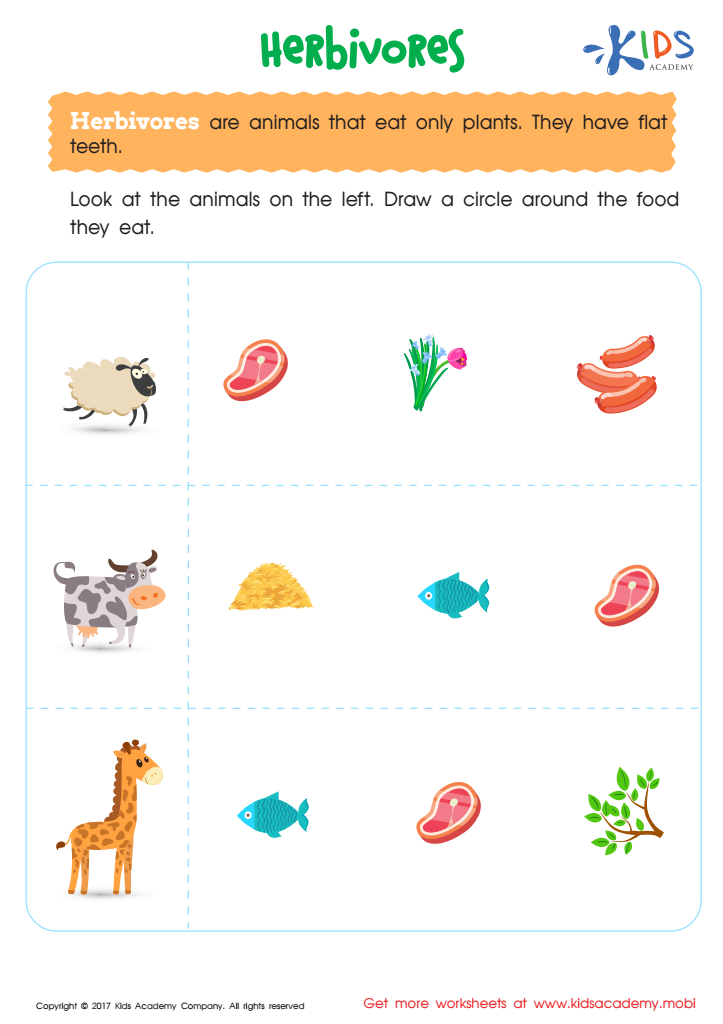
Herbivores Printable
Strengthen their vocab with these fascinating creatures, as they explore an intriguing aspect of beloved animals.
Herbivores Printable
Worksheet
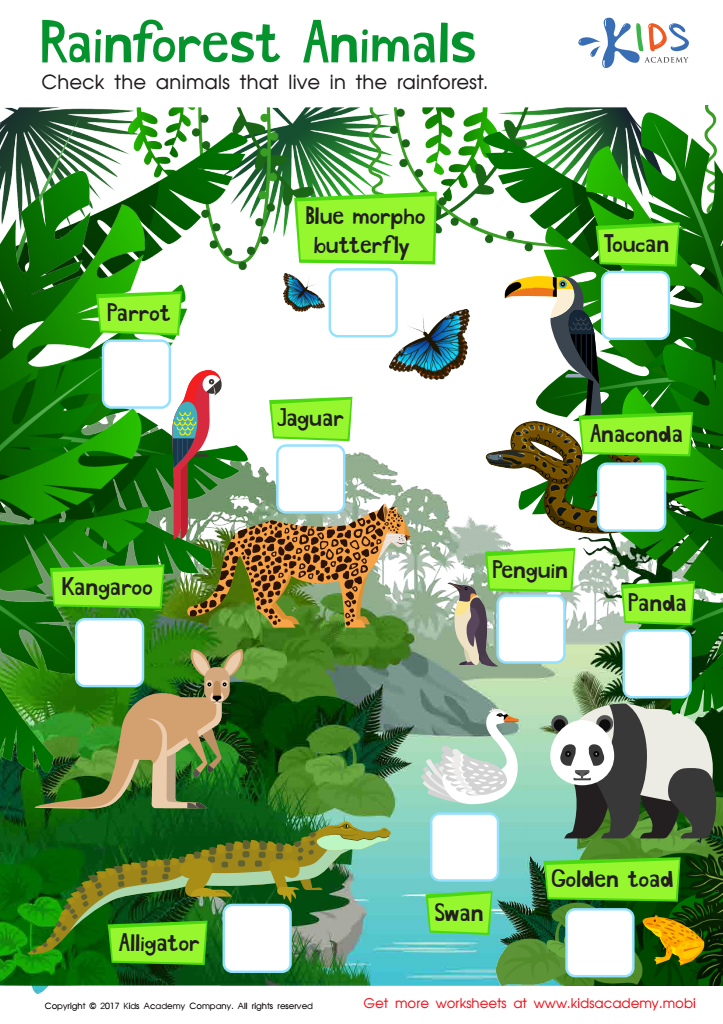
Rainforest Animals Worksheet
Kids love the bright, vivid pics of rainforest animals in this worksheet. It fuels their interest in life science and brings joy to their learning. It encourages them to study these animals in detail.
Rainforest Animals Worksheet
Worksheet
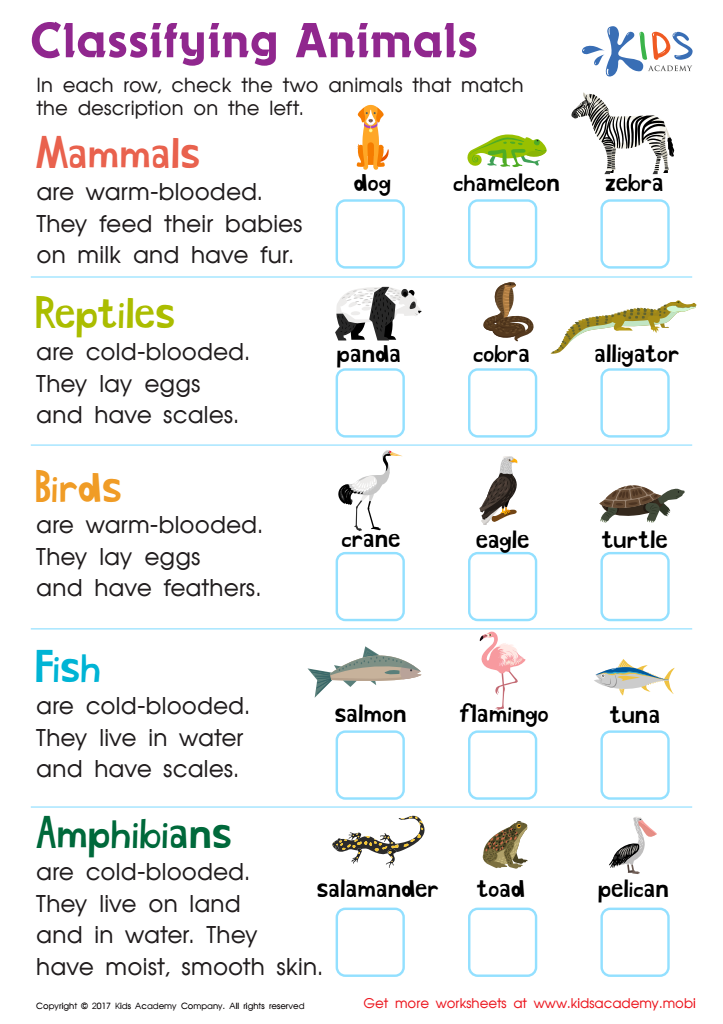
Classifying Animals Worksheet
Print the 2nd grade animal classification worksheet and help kids study the differences between mammals, reptiles, birds, fish and amphibians. Let them pick two examples from the options given.
Classifying Animals Worksheet
Worksheet
Join Kids Academy for Free
Who is primarily going to use this learning content?





%20(1).jpg)


Critical thinking in early life science education for ages 7-8 is essential for developing foundational cognitive skills that can benefit children throughout their lives. When parents and teachers emphasize critical thinking, they encourage children to move beyond mere memorization and engage actively with the material. This can involve asking questions, making observations, and drawing conclusions based on evidence. For example, when a science lesson covers plant growth, children can be encouraged to predict what might happen if a plant receives no sunlight, test their hypotheses, and discuss the outcomes.
This approach fosters various essential skills. It enhances problem-solving abilities, as children learn to identify problems, gather information, and think through possible solutions. Moreover, it promotes curiosity and lifelong love for learning, as students feel empowered to explore questions and seek answers. Critical thinking also supports language development, as explaining and discussing ideas requires clear communication.
On a broader scale, developing these skills at an early age lays the groundwork for informed decision-making and responsible citizenship. In a world increasingly shaped by science and technology, critical thinking equips young minds to handle complex issues effectively, setting them up for future academic and personal success. Therefore, prioritizing critical thinking in normal life science for young learners is both an immediate and long-term investment in their intellectual growth and well-being.








