Map reading Normal Geography Worksheets for Ages 7-8
3 filtered results
-
From - To
Enhance your child's geography skills with our engaging Map Reading Normal Geography Worksheets designed for ages 7-8. These worksheets provide a fun and interactive approach to mastering map skills. Young learners will explore key concepts, including map symbols, directions, and scale. Each worksheet features captivating exercises that encourage critical thinking and observation. Perfect for classroom use or at-home learning, our resources help children build confidence and proficiency in navigating maps. Equip your child with essential skills for understanding their world, strengthening their geography foundation, and cultivating a lifelong love for exploration. Download our worksheets today and embark on an educational adventure!
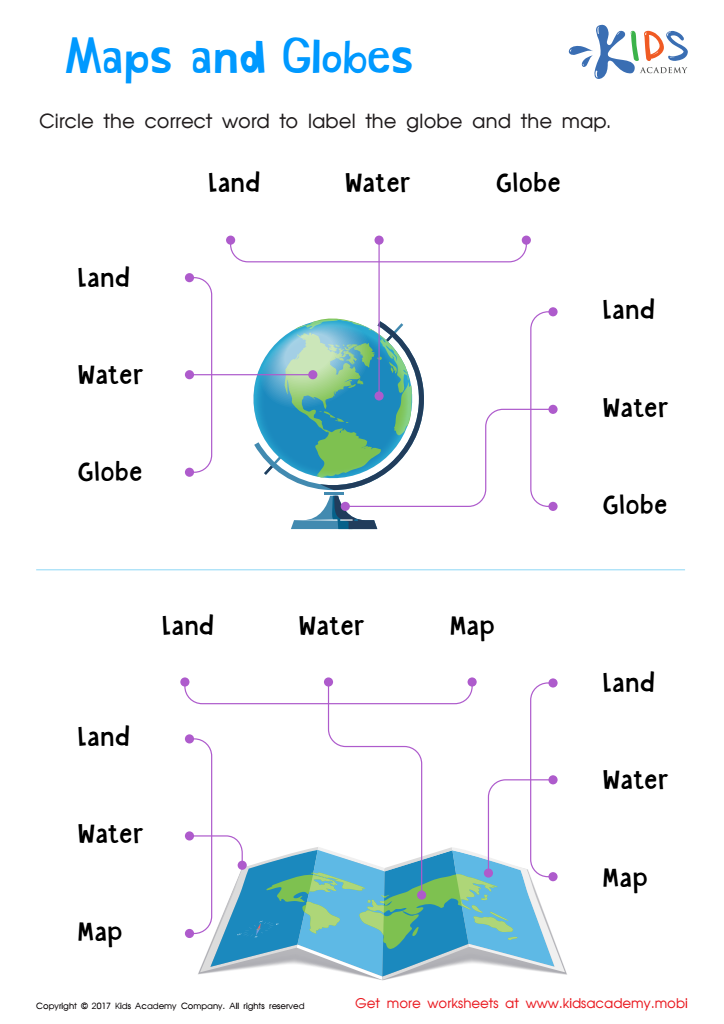
 Assign to My Students
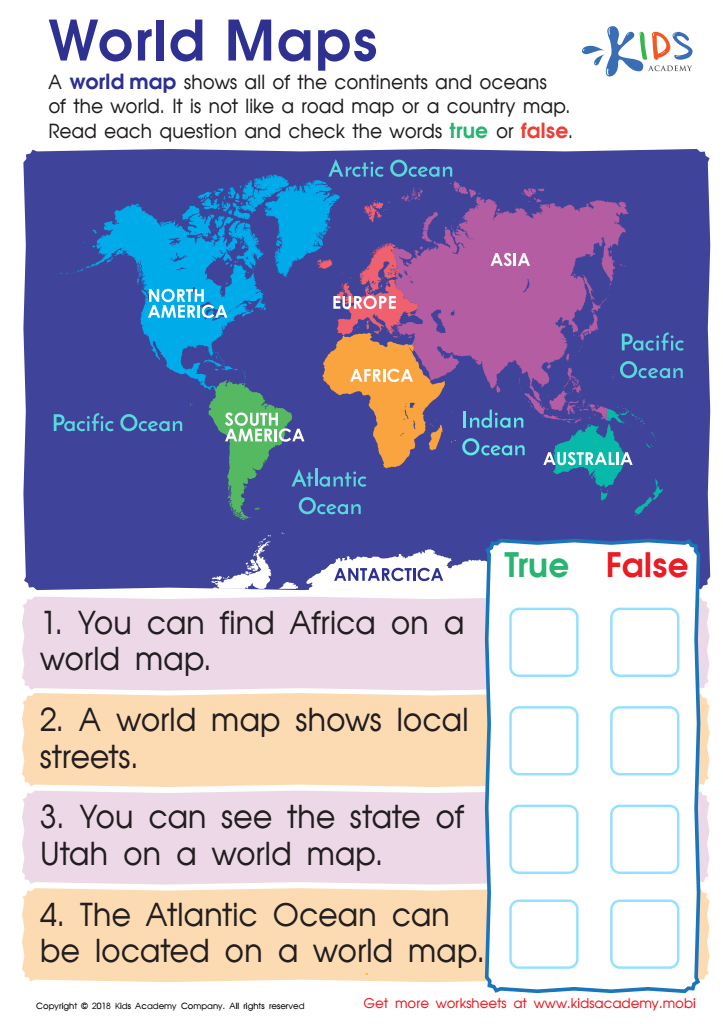
World Maps Worksheet
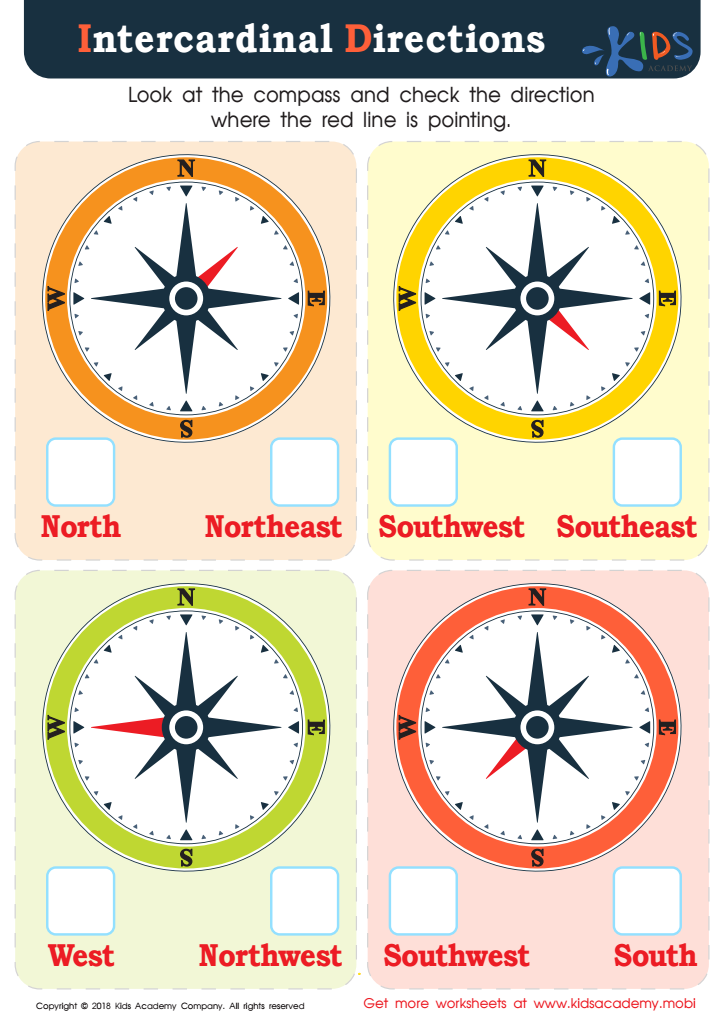
Intercardinal Directions Worksheet


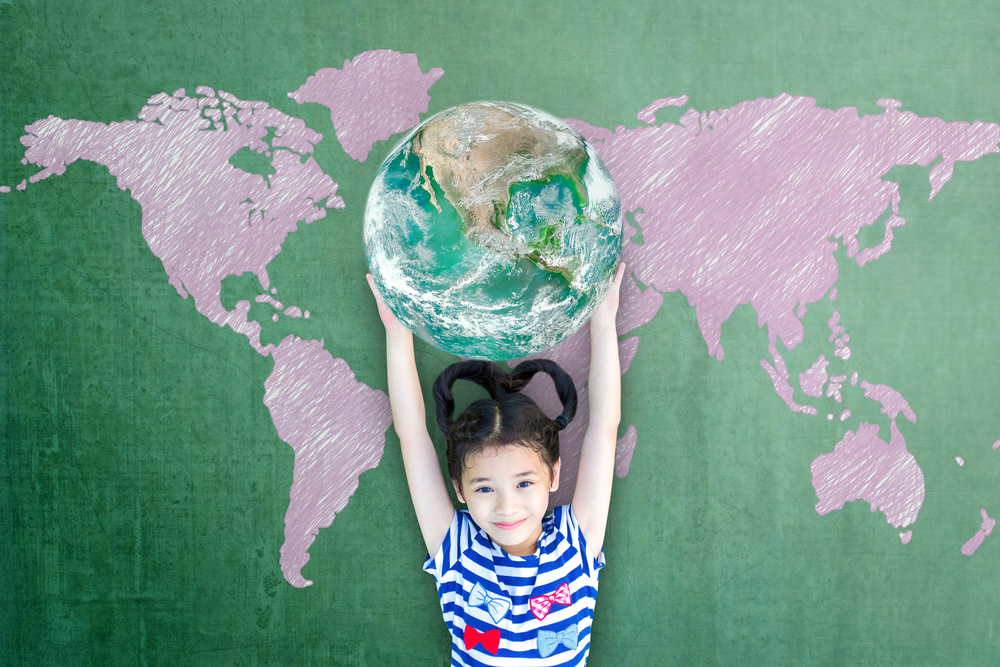
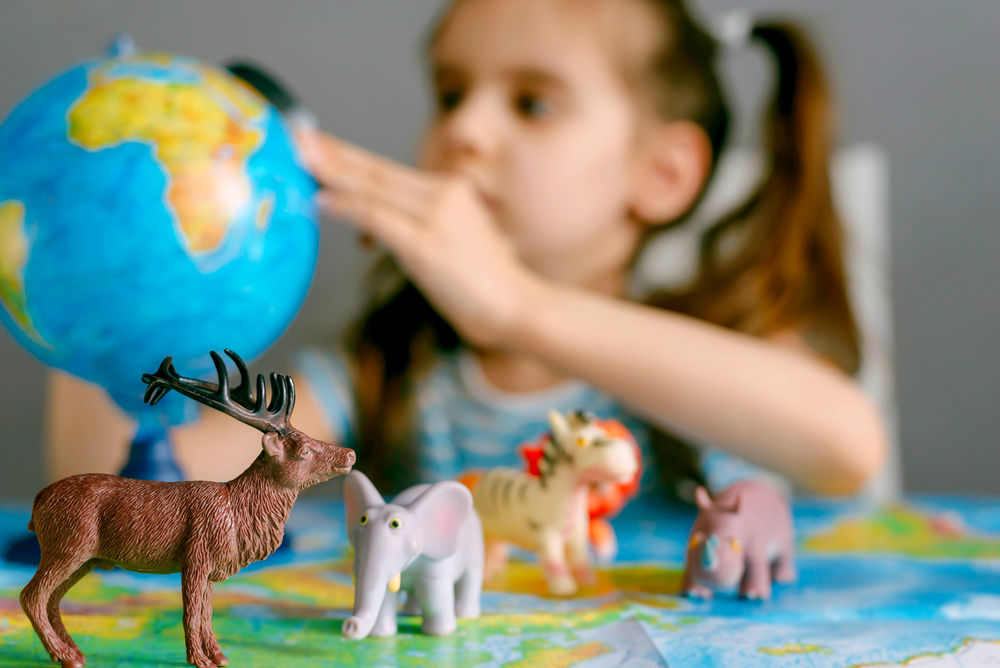



Parents and teachers should prioritize map reading and geography for children aged 7-8 because these skills lay the foundation for critical thinking and spatial awareness. At this early age, children are naturally curious about their surroundings, and incorporating map reading taps into that curiosity, helping them understand the world around them.
Firstly, map reading enhances cognitive development. Children learn to interpret symbols, understand directions, and navigate spaces, fostering problem-solving skills and encouraging independent learning. These competencies build confidence and enhance their ability to engage with various subjects, from mathematics to history.
Secondly, geography promotes cultural awareness. As children learn about different places, they also explore diverse cultures and perspectives, fostering empathy and global citizenship. This knowledge helps them make sense of current events and understand the complexities of the world they inhabit.
Lastly, map reading stimulates teamwork and cooperation when children work on group activities, promoting social interactions and communication. By emphasizing map reading and geography, parents and teachers can equip children with essential life skills, nurturing informed citizens who appreciate and understand the diversity of our planet. In essence, it’s about cultivating lifelong learners who are curious, aware, and connected to the world.