Vocabulary expansion Normal Geography Worksheets for Ages 7-8
3 filtered results
-
From - To
Enhance your child's vocabulary with our engaging Geography Worksheets designed specifically for ages 7-8! These no-frills, user-friendly resources help young learners explore key geographic terms and concepts, fostering a curiosity about their world. Each worksheet focuses on expanding vocabulary through enjoyable activities, including word matching, fill-in-the-blanks, and essential map skills. Perfect for home or classroom use, these worksheets promote both learning and retention, ensuring students grasp essential geographic vocabulary in a fun and interactive way. Help your child build a strong foundation in geography while expanding their lexicon—start their journey today with our carefully crafted resources!
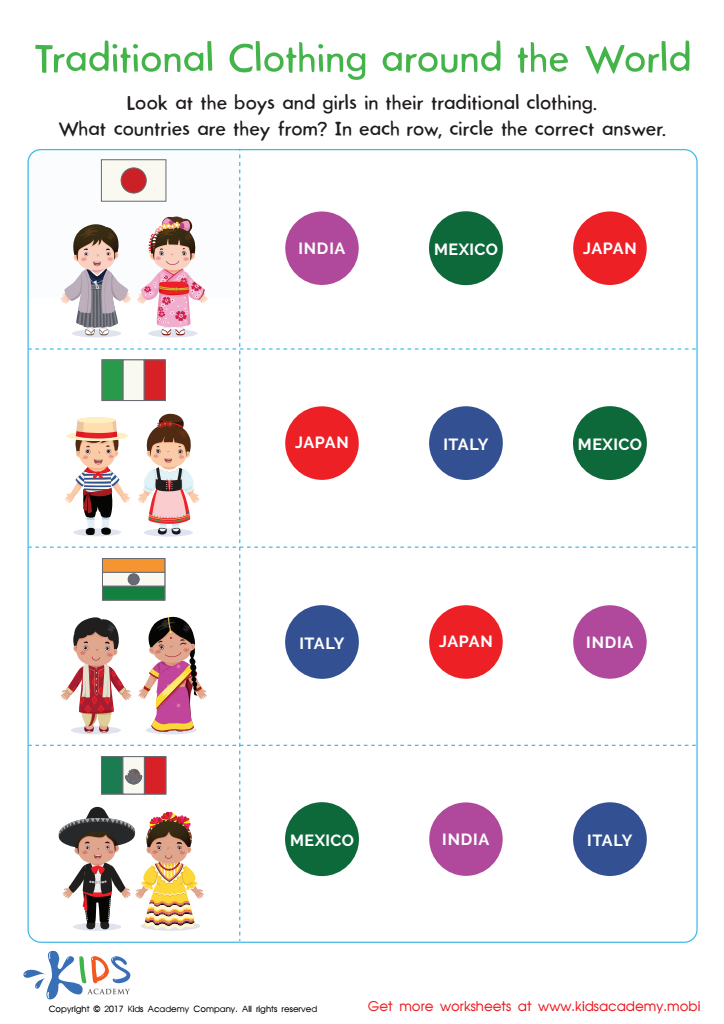
Traditional Clothing Worksheet
 Assign to My Students
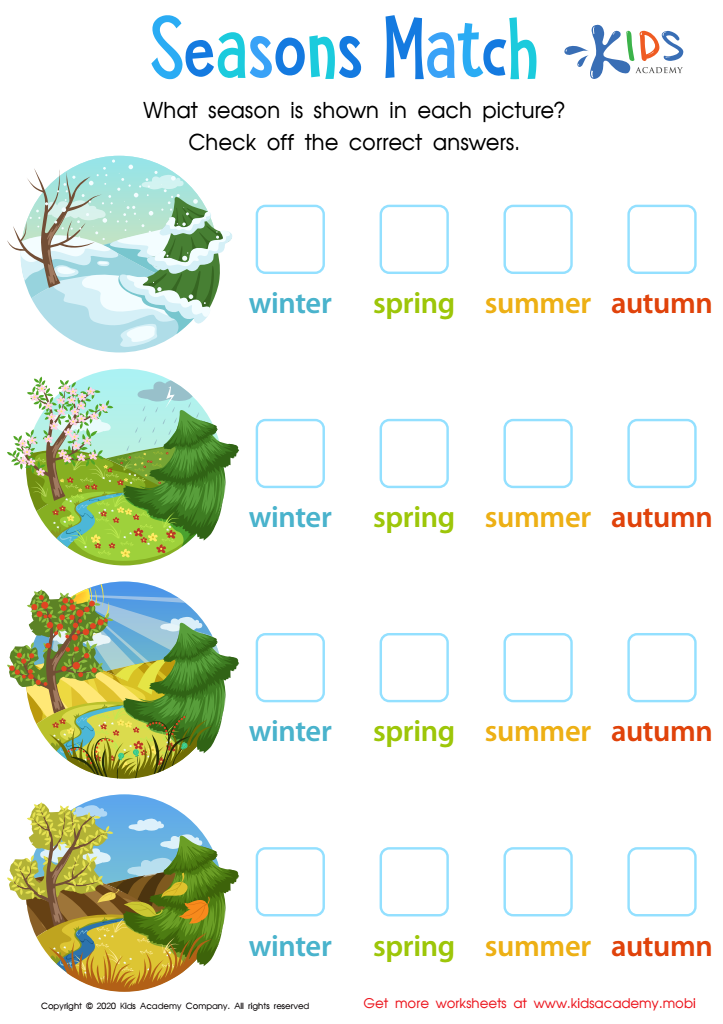
Seasons Match Worksheet
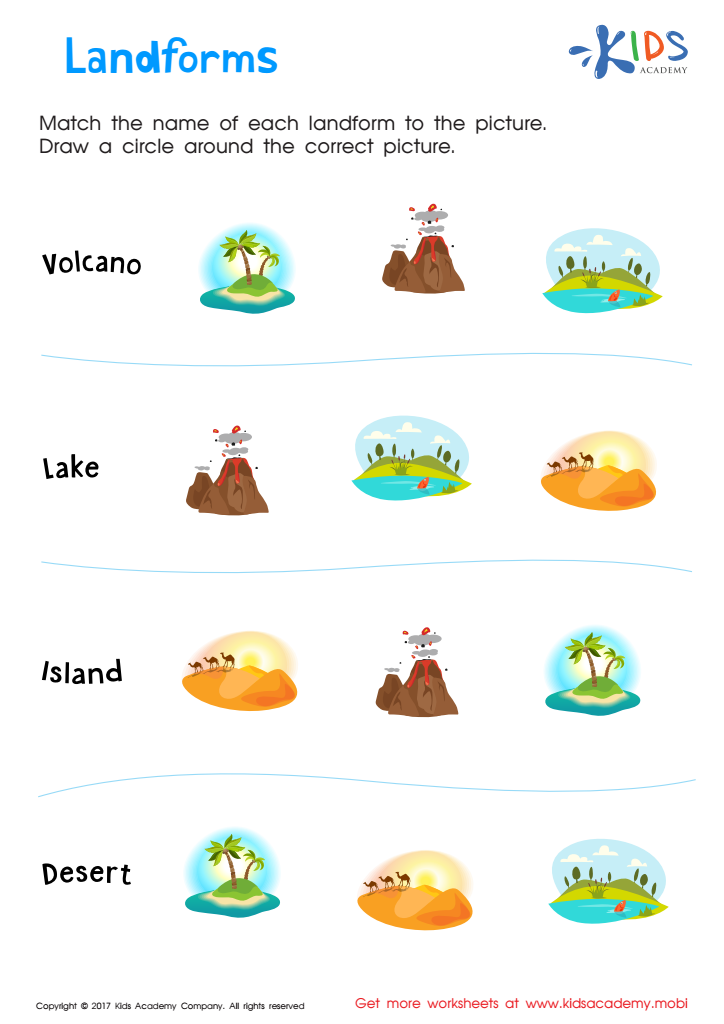
Landforms Printable







Vocabulary expansion in the context of Normal Geography for ages 7-8 is essential for several reasons. First, it enhances comprehension; as children learn geographical terms and concepts, they become more capable of understanding maps, environmental issues, and the relationships between people and places. With a robust vocabulary, they can articulate their thoughts, ask insightful questions, and engage actively in discussions.
Moreover, a well-developed vocabulary fosters critical thinking and analytical skills. By learning specific terms associated with geography, such as "urban," "rural," "climate," and "ecosystem," children can make sense of complex ideas and begin to understand the world around them. This foundational knowledge is crucial for their academic journey and personal development.
Additionally, early vocabulary expansion contributes to a child's confidence in expressing ideas and opinions. Children who can effectively communicate their understanding of geography are more likely to participate in classroom conversations and collaborative projects. Finally, a strong geographical vocabulary can inspire a sense of curiosity about the world, encouraging children to explore diverse cultures and environments, thus laying the groundwork for informed, engaged global citizens. Therefore, teachers and parents must prioritize vocabulary development in this critical learning area.