Improving reading skills Normal Alphabet Worksheets for Ages 7-9
3 filtered results
-
From - To
Enhance your child's reading abilities with our "Improving Reading Skills Normal Alphabet Worksheets" designed for ages 7-9. These engaging worksheets provide a fun and effective way for young learners to master the alphabet and develop essential reading skills. Featuring a variety of interactive activities—such as tracing, matching, and completing sentences—each worksheet aids in reinforcing letter recognition, phonics, and vocabulary. Perfect for both home and classroom use, these printable resources ensure children cultivate a strong foundation in reading. Empower your child's literacy journey and nurture their enthusiasm for learning with our thoughtfully crafted worksheets. Start making reading enjoyable today!
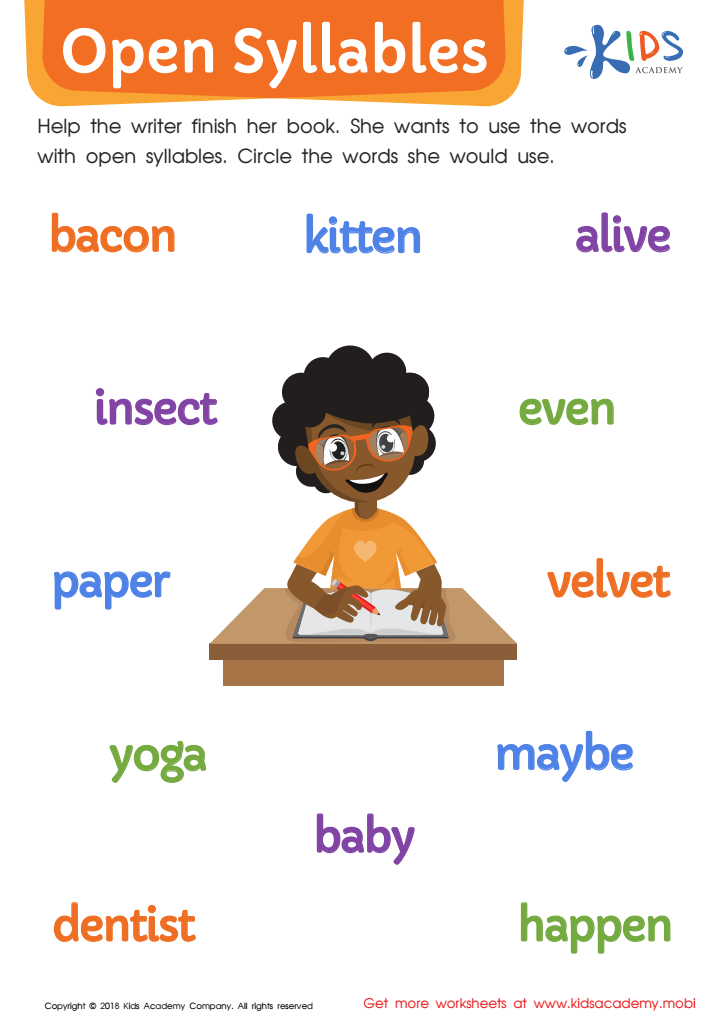
Open Syllables Worksheet
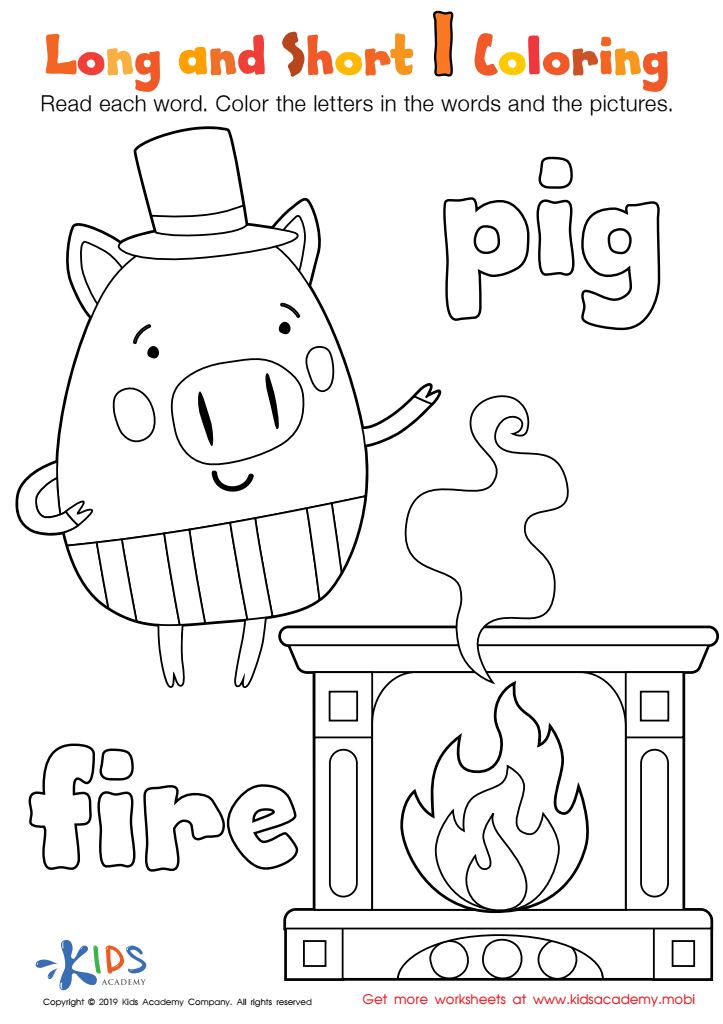
Long and Short I Worksheet
 Assign to My Students
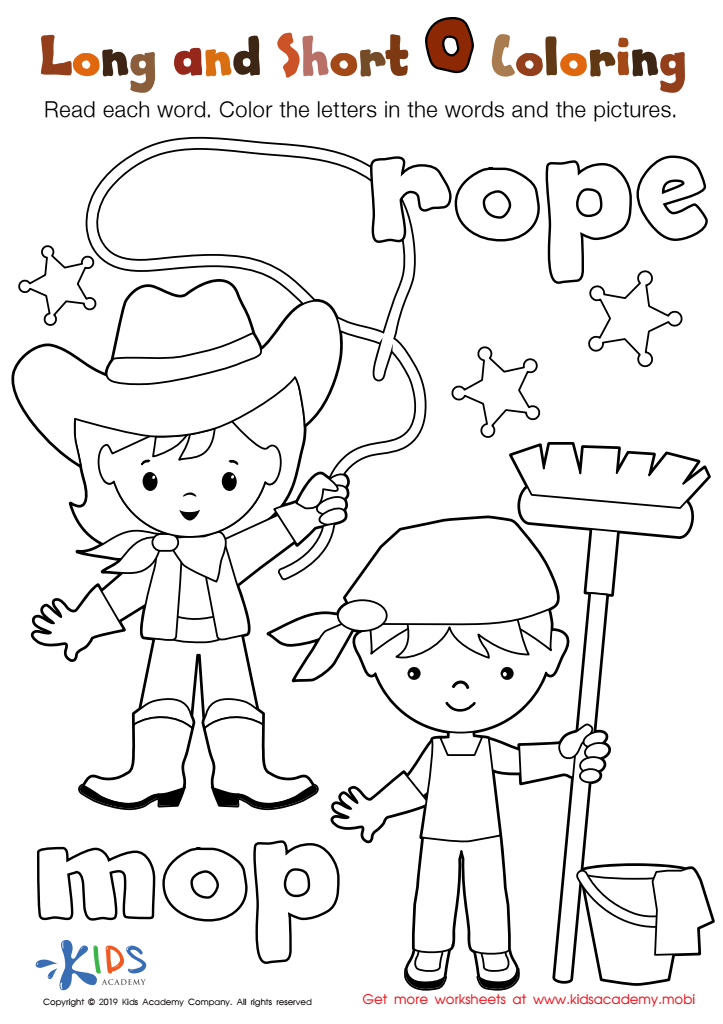
Long and Short O Worksheet
Assign to My Students







Improving reading skills in children aged 7-9 is crucial for their overall development, and it is essential for both parents and teachers to be actively involved in this process. At this age, children are transitioning from learning to read to reading to learn, meaning that strong reading skills are foundational for their future academic success across all subjects. Proficient reading enhances comprehension, vocabulary, and critical thinking skills, providing a solid basis for subjects like math and science, where reading directions and problems is vital.
Furthermore, the ability to read well boosts children’s confidence and self-esteem. When they can engage with texts fluently, they are more likely to participate in class discussions and express their opinions, leading to better classroom interactions and social skills. For parents, being involved in their child's reading journey creates bonds and establishes a supportive learning environment at home. For teachers, fostering a strong reading culture helps create responsible, informed citizens who can navigate and contribute to society effectively. Overall, prioritizing reading skills development at this age lays the groundwork for lifelong learning and enriches children's educational experiences.







