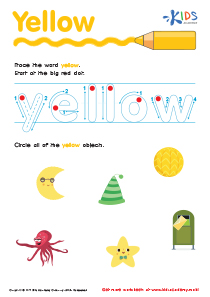
Motor skills development Normal English for Beginners Worksheets for Ages 7-9
3 filtered results
-
From - To
Boost your child's motor skills and English proficiency with our "Normal English for Beginners Worksheets," specially designed for ages 7-9. These fun and engaging worksheets help young learners enhance their hand-eye coordination, fine motor skills, and language abilities. Featuring a variety of exciting activities such as tracing, cutting, and puzzles, each worksheet is crafted to make learning enjoyable and effective. Perfect for young English language learners, our resources support skill development that’s crucial for academic success. Equip your child with the tools they need to thrive both in motor skills and English language learning with these comprehensive worksheets.
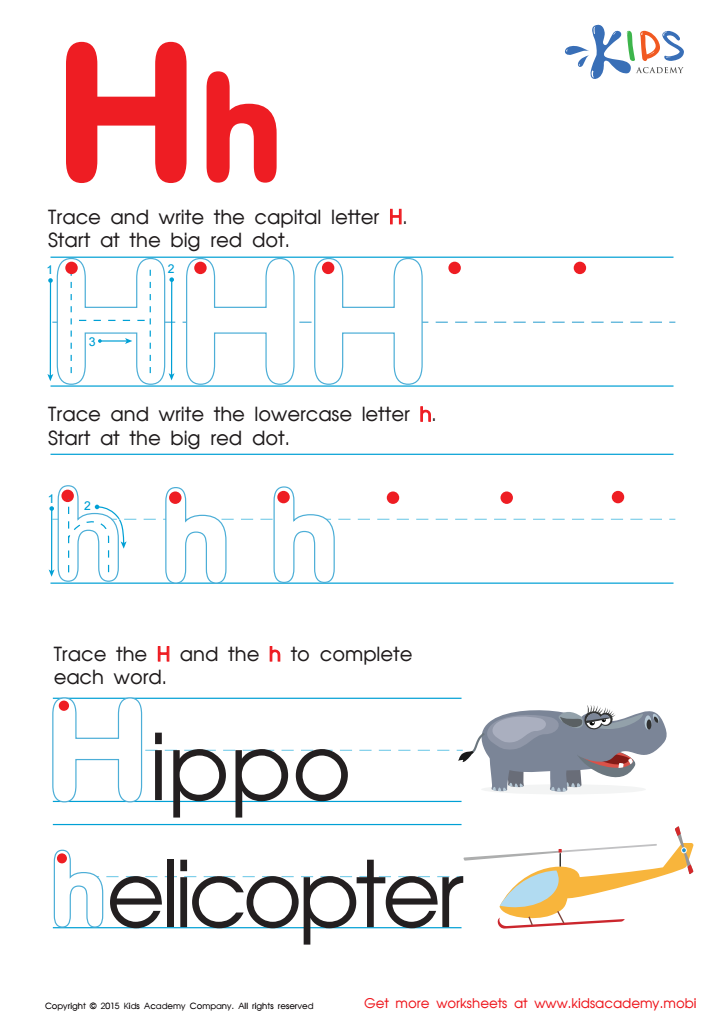
Letter H Tracing Page
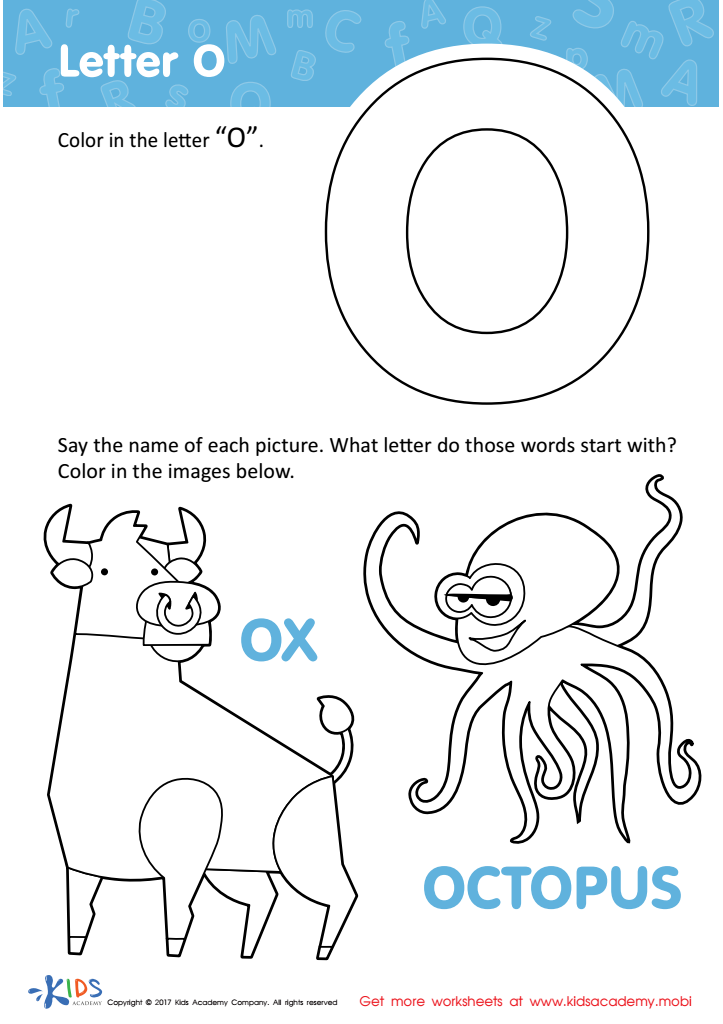
Letter O Coloring Sheet
 Assign to My Students
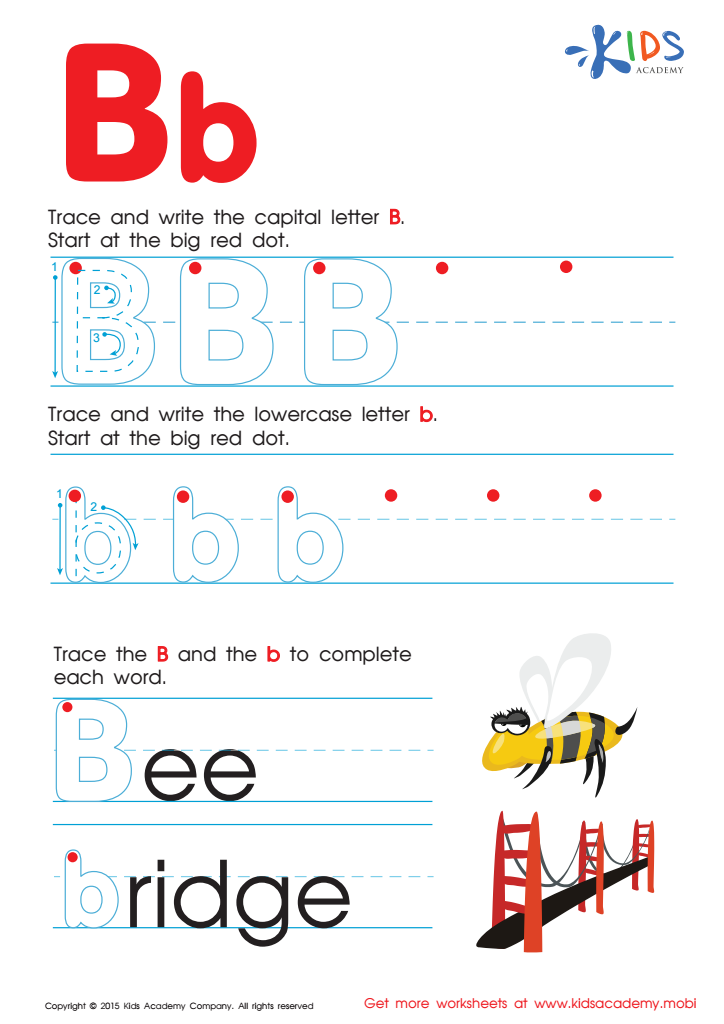
Letter B Tracing Page




Motor skills development is very important for kids aged 7-9. These skills help children learn how to use their muscles to do things like running, jumping, writing, and even tying their shoes. Good motor skills make kids feel more confident and happy because they can play sports, join games with friends, and take care of themselves more easily.
When parents and teachers focus on motor skills, they help children in many ways. For example, writing clearly needs strong hand muscles and coordination. If a child has trouble holding a pencil or controlling a crayon, they might get frustrated with schoolwork. Similarly, poor motor skills can make it hard for kids to play safely. They might fall more often or have a hard time participating in playground activities.
Plus, developing motor skills is not just about the body—it also helps the brain. Doing activities that involve movement, like drawing, playing with blocks, or riding a bike, supports brain development. This makes it easier for children to learn other important things like math, reading, and problem-solving.
In short, helping kids develop good motor skills sets them up for success in school and everyday life. It makes sure they are ready to learn, play, and grow into happy, healthy individuals.