Vocabulary Building Normal Science Worksheets for Ages 7-9
9 filtered results
-
From - To
Boost your child's vocabulary with our engaging Normal Science Worksheets, designed exclusively for ages 7-9. These worksheets incorporate fun graphics and age-appropriate language, making it easier for young learners to grasp essential scientific terminology. Each activity encourages students to explore new words, understand their meanings, and apply them in relevant contexts related to their science curriculum. Perfect for home or classroom use, these worksheets promote critical thinking and enhance vocabulary skills in an exciting, hands-on manner. Give your child the tools they need to excel in science with our comprehensive collection of vocabulary-building resources!
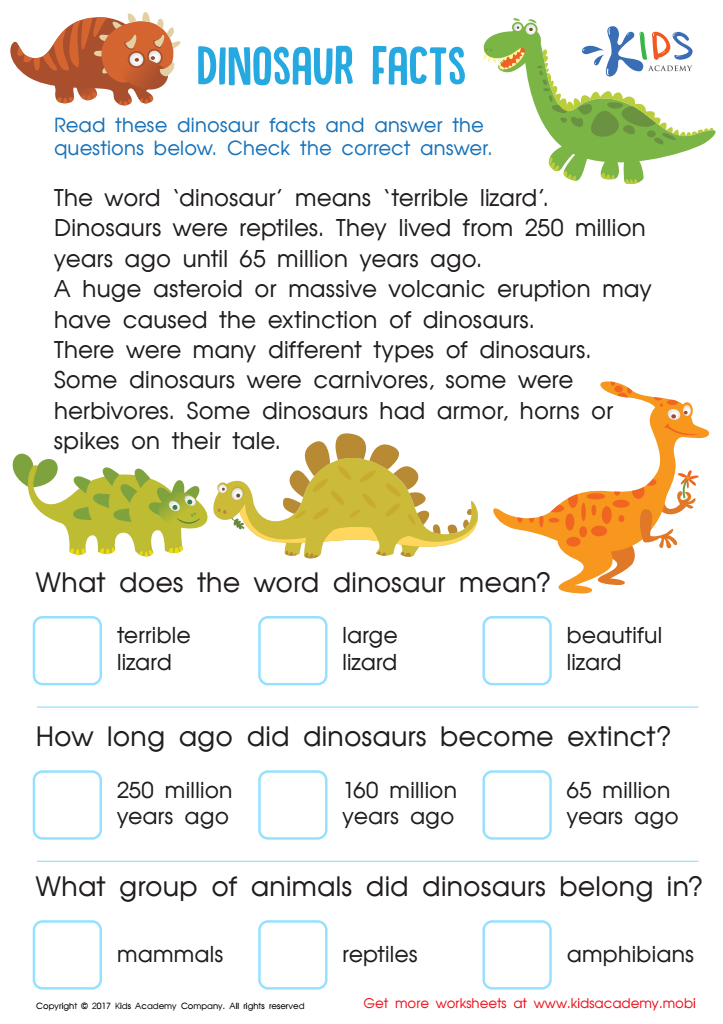
Dinosaur Facts Worksheet
 Assign to My Students
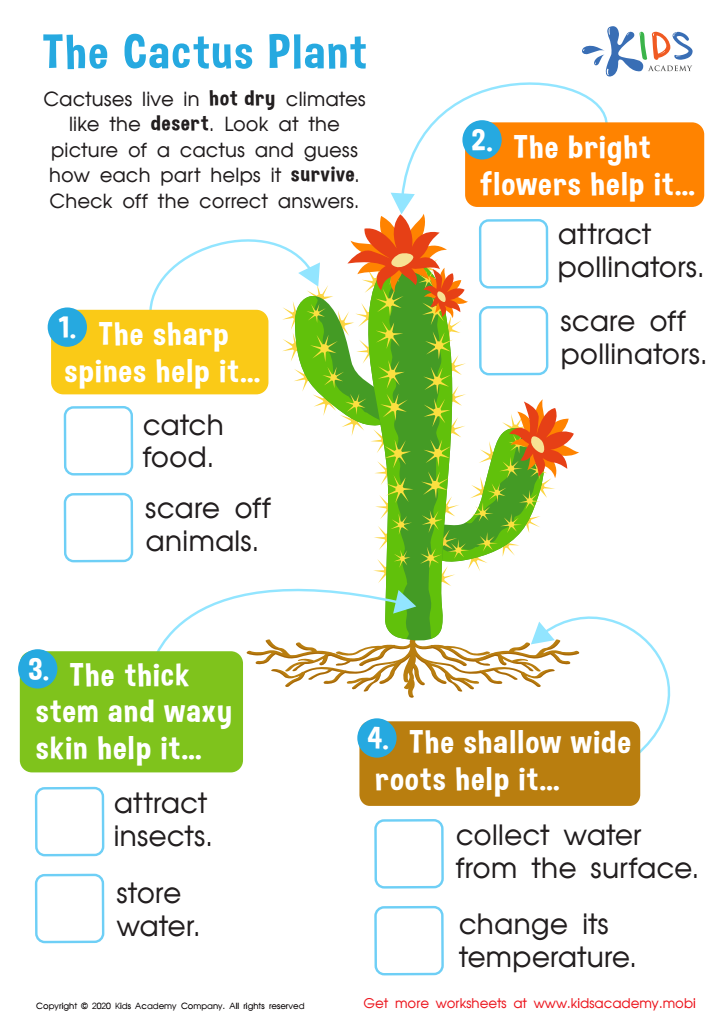
The Cactus Plant Worksheet
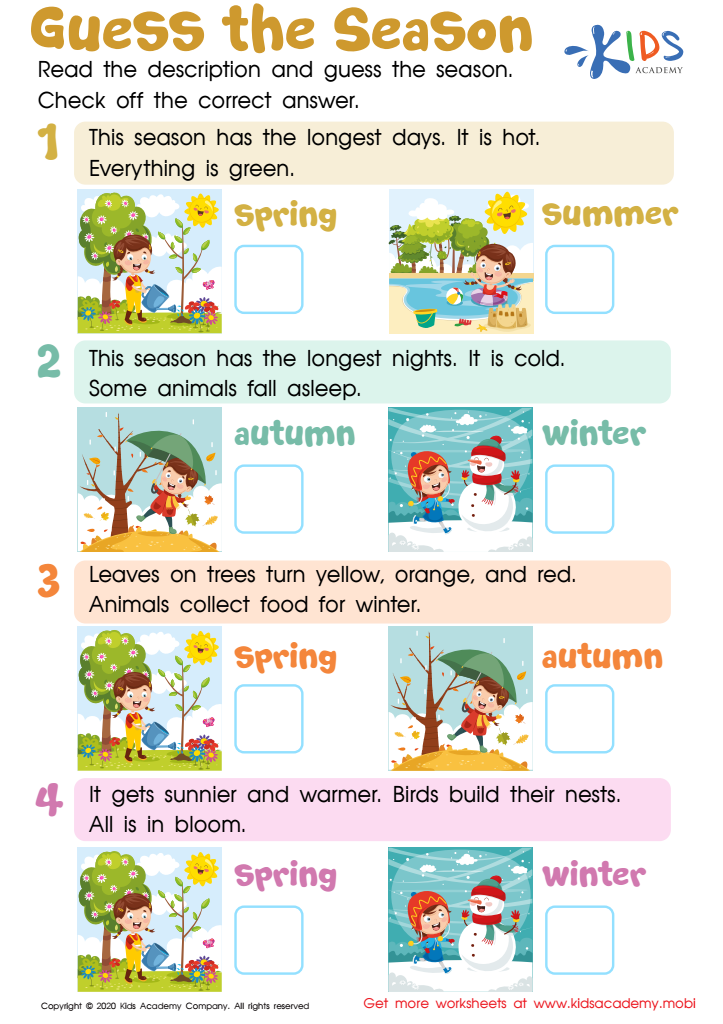
Guess the Season Worksheet
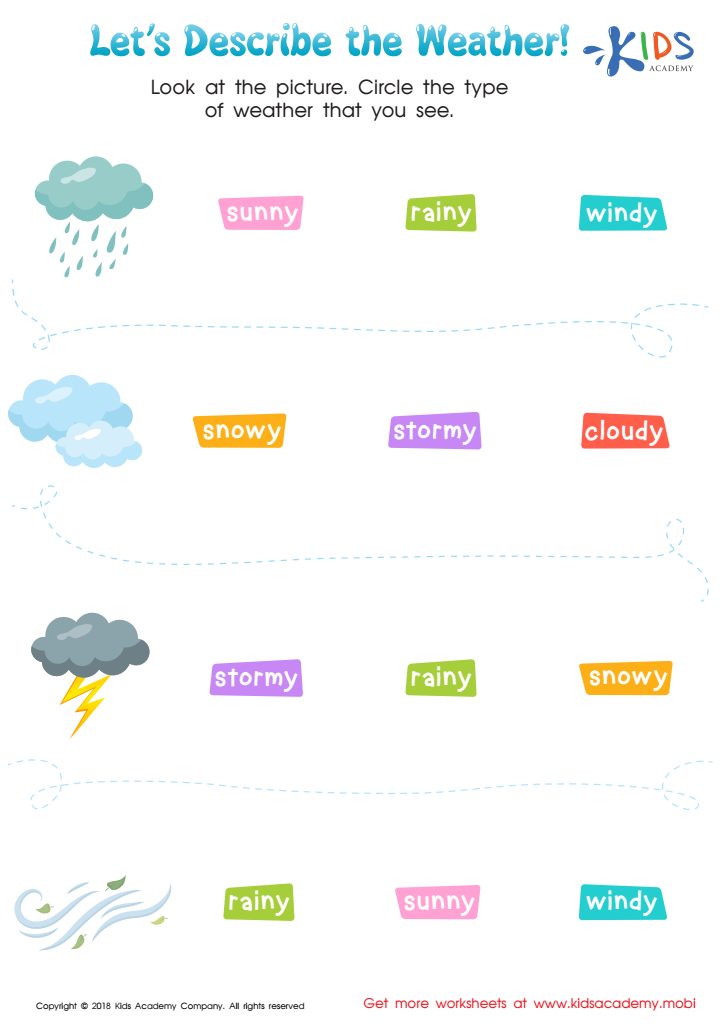
Let's Describe the Weather! Worksheet
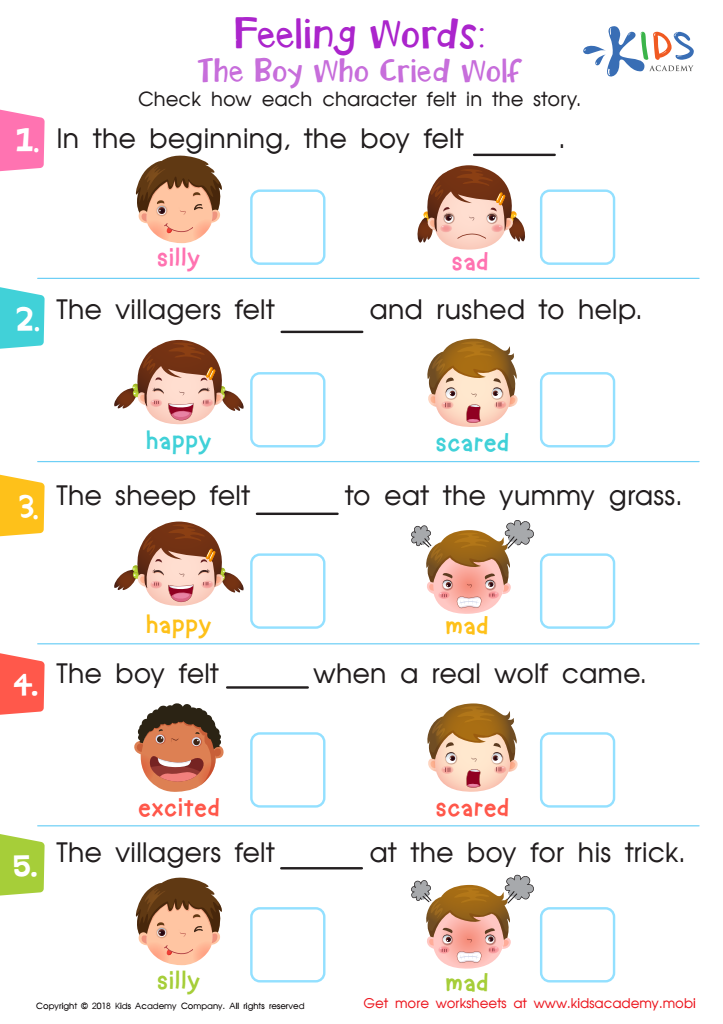
Feeling Words: The Boy Who Cried Wolf Worksheet
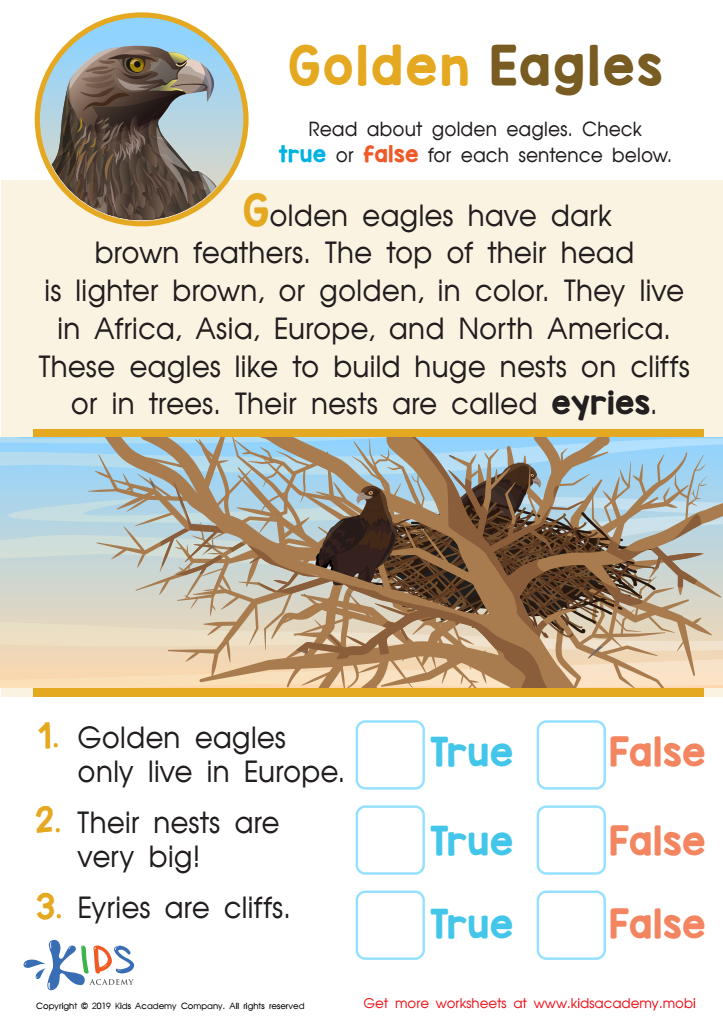
Golden Eagles Worksheet
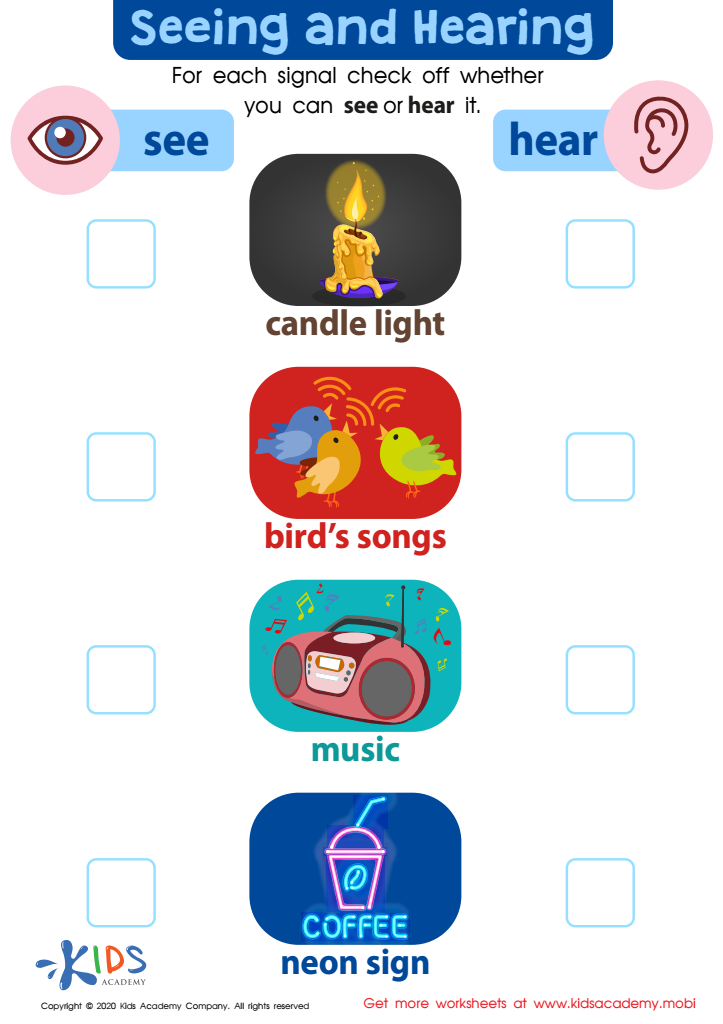
Seeing and Hearing Worksheet
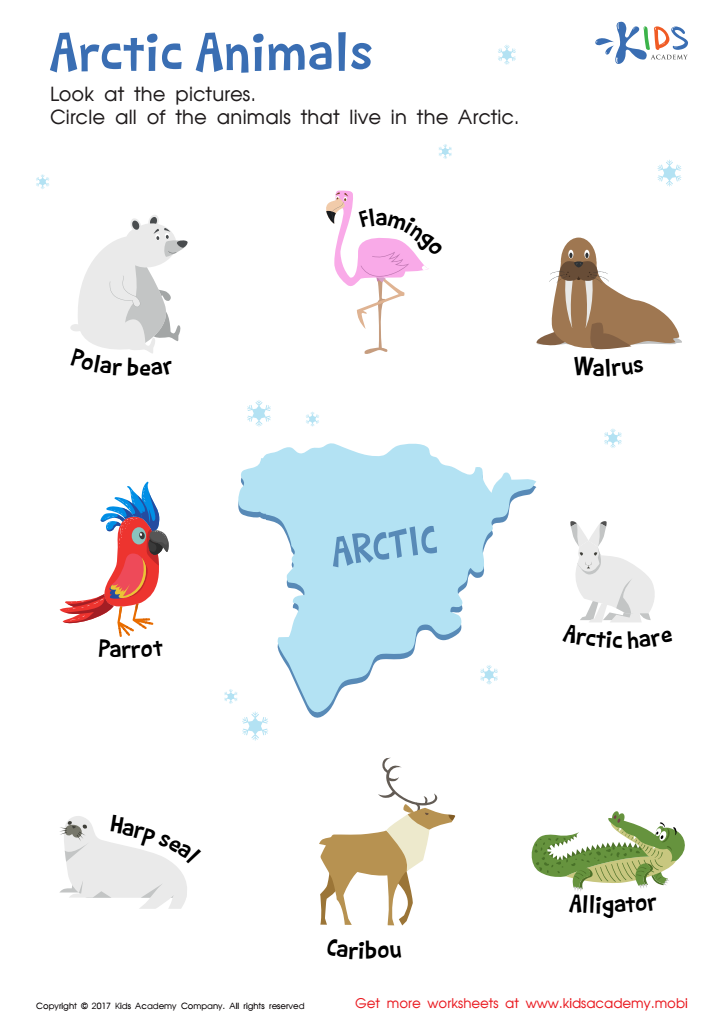
Arctic Animals Worksheet
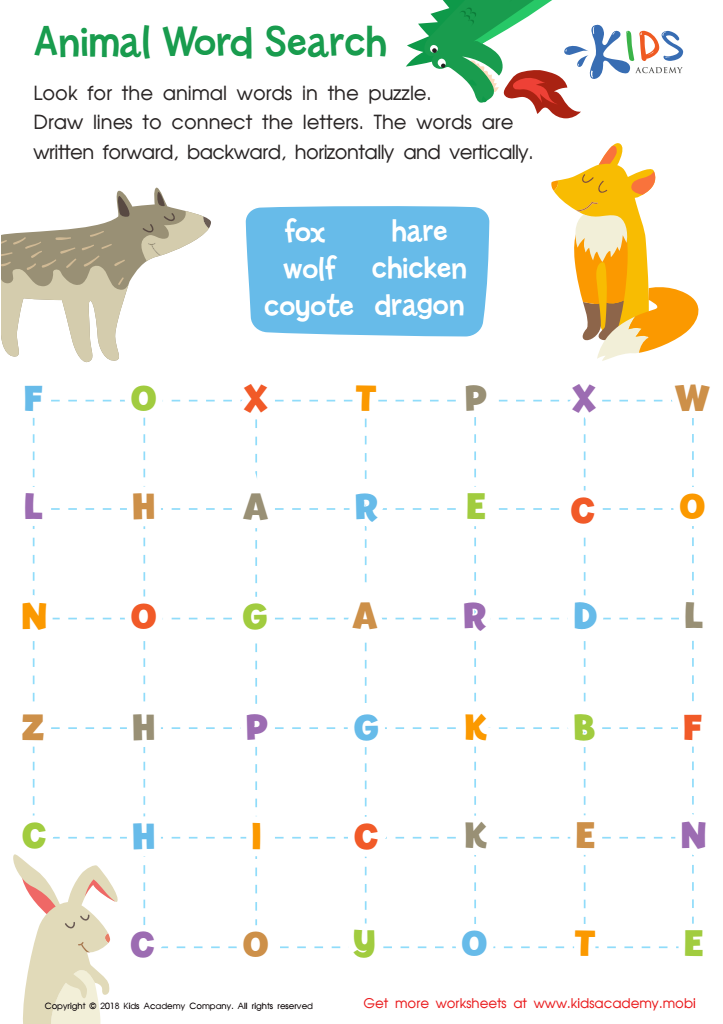
Animal Word Search Worksheet








Vocabulary building is crucial for children aged 7-9, particularly in the context of "normal science," which encompasses the foundational scientific concepts and terminology that they will encounter in their education. At this age, children's cognitive abilities expand, and they begin to connect words with ideas and concepts more deeply. Building a strong vocabulary in science enhances their comprehension, critical thinking, and ability to communicate effectively about complex topics.
Parents and teachers should care about vocabulary building because it directly impacts a child’s academic success. A rich scientific vocabulary allows students to engage more meaningfully with science texts, lessons, and discussions, fostering a love for learning and curiosity about the world around them. Furthermore, it supports literacy skills, as vocabulary knowledge is linked to reading comprehension; the more words children know, the better they can understand and analyze information.
Encouraging vocabulary development helps bridge gaps in understanding and fosters a sense of confidence in students. When children can articulate their thoughts about scientific concepts, they become more likely to participate in classroom discussions and collaborate with peers. Consequently, prioritizing vocabulary building in normal science empowers young learners, preparing them for future academic challenges and nurturing informed citizens in a scientifically literate society.







