Vocabulary expansion Normal Long And Short Vowel Worksheets for 7-Year-Olds
4 filtered results
-
From - To
Enhance your 7-year-old's vocabulary with our engaging Long and Short Vowel Worksheets. Designed specifically for young learners, these worksheets focus on differentiating between normal, long, and short vowel sounds to build a strong foundation in phonics. Each worksheet is carefully crafted to provide a fun and interactive learning experience, helping children grasp the nuances of vowel sounds while expanding their vocabulary. With colorful illustrations and age-appropriate activities, your child will enjoy the process of learning new words. Perfect for parents and teachers looking to support their child's reading and spelling skills.
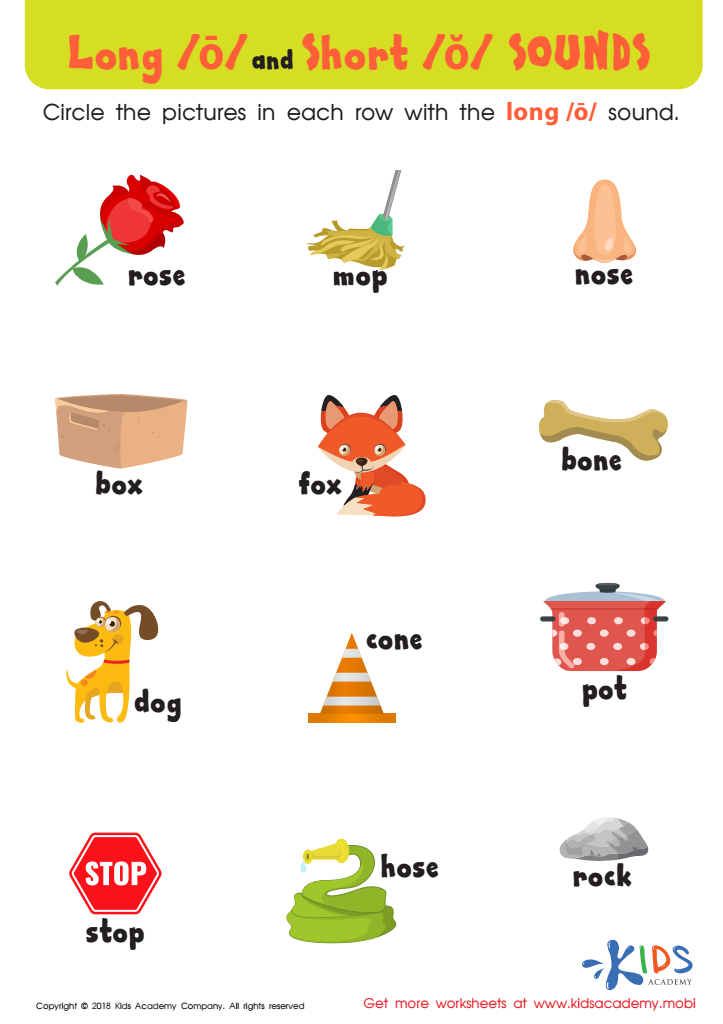
Reading: Long O and Short O Sounds Worksheet
 Assign to My Students
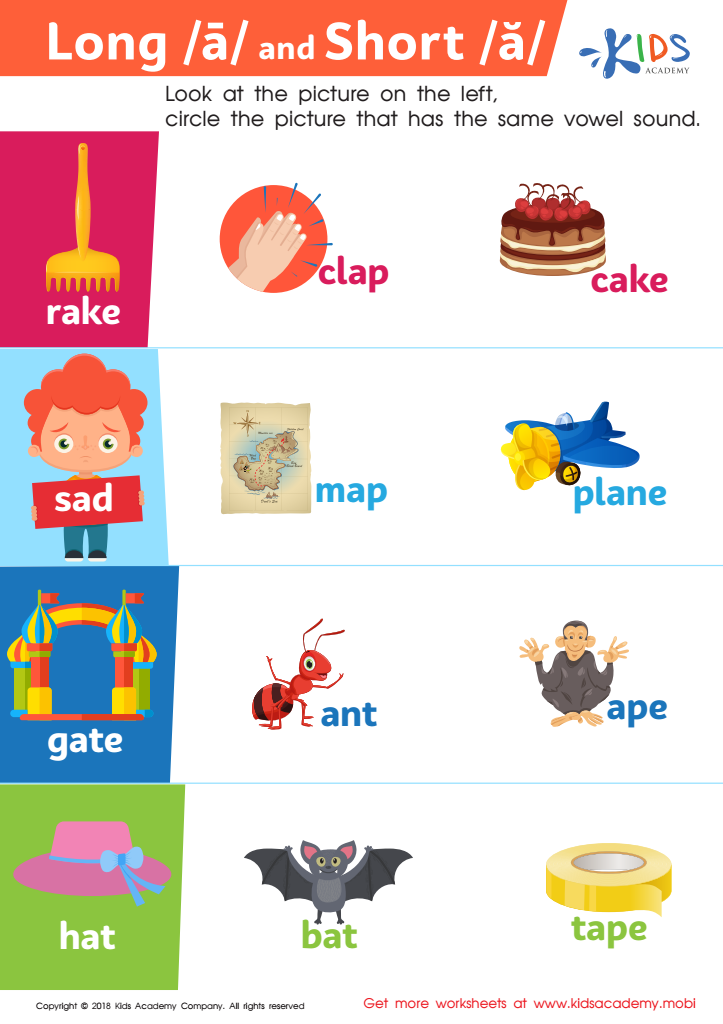
Reading: Long a and Short a Worksheet
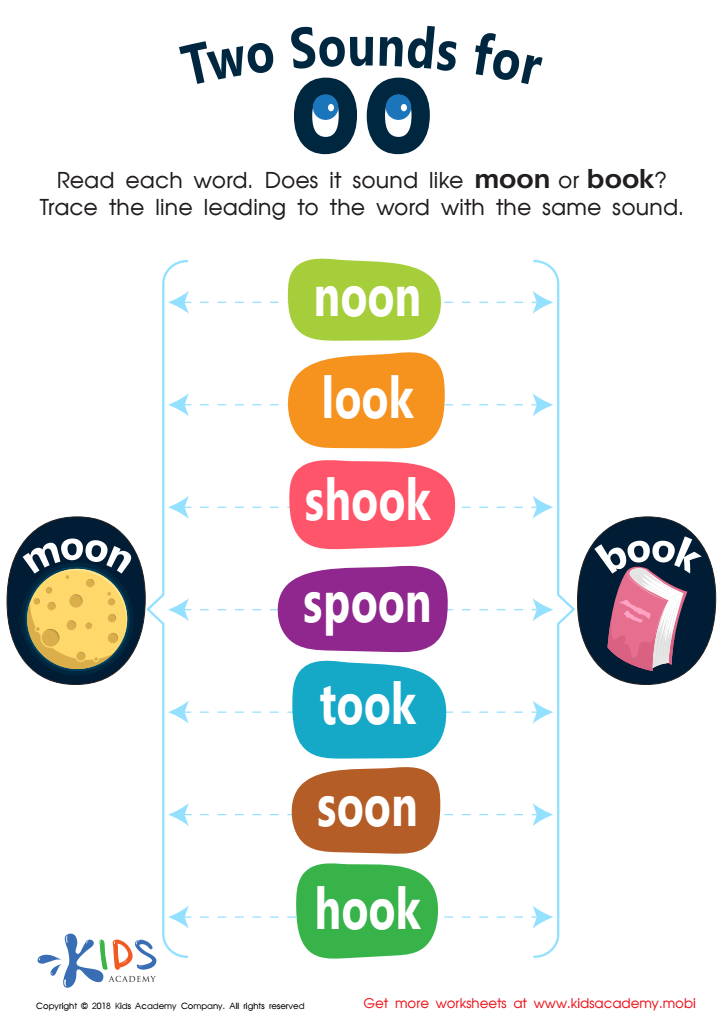
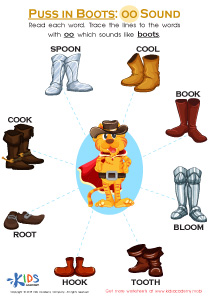
Two Sounds for OO Worksheet
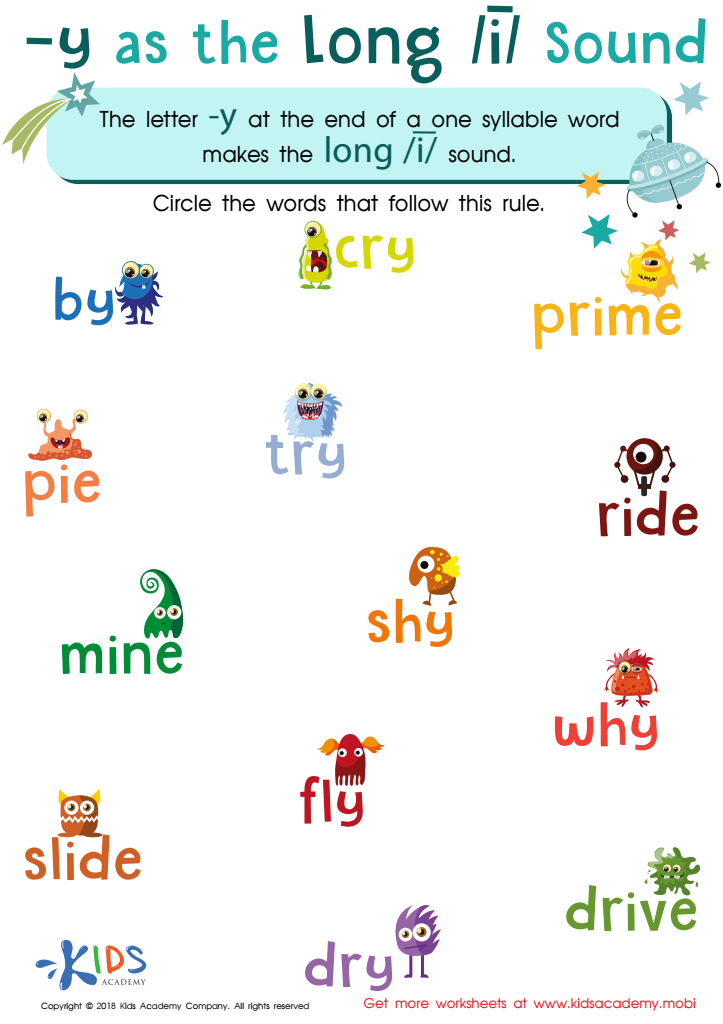
Reading: Y as Long I Worksheet




Vocabulary expansion and understanding of vowels—whether normal, long, or short—are pivotal for 7-year-olds due to several key reasons linked to their cognitive and linguistic development.
Firstly, vocabulary growth significantly enhances a child's ability to understand and process language. Children with a rich vocabulary are better readers and can comprehend texts more deeply. This understanding includes discerning how different vowel sounds affect word meaning and structure. Mastering long and short vowel sounds, for instance, helps children decode unfamiliar words and improves their spelling proficiency.
Secondly, communication skills are closely tied to vocabulary knowledge. A robust vocabulary allows children to express their thoughts, feelings, and ideas more clearly and accurately. Being adept at phonetic variations like long and short vowels helps prevent misunderstandings and fosters more effective verbal and written communication.
Moreover, academics across the board are impacted. In subjects like math and science, understanding the terminology with precise vowel pronunciations builds foundational knowledge. Additionally, early vocabulary growth is linked to future success; children who develop strong vocabulary skills early tend to perform better in school later on.
In conclusion, focusing on vocabulary expansion and vowel differences is not just about learning words but equipping children with critical tools for effective communication, comprehensive reading, and broad academic success.