Fine Motor Skills Normal Phonics Worksheets for 7-Year-Olds
5 filtered results
-
From - To
Enhance your 7-year-old's learning journey with our Fine Motor Skills Normal Phonics Worksheets. Tailored to blend phonics education with fine motor development, these worksheets offer a fun, hands-on approach to mastering the alphabet and early reading skills. Kids will enjoy tracing letters, solving phonics puzzles, and engaging in activities that sharpen their pencil grip and hand-eye coordination. Ideal for both classroom and home use, our worksheets are designed by experts to support literacy development while refining your child's fine motor abilities. Boost confidence and skills with engaging, educational exercises. Visit our website to explore our diverse collection today!
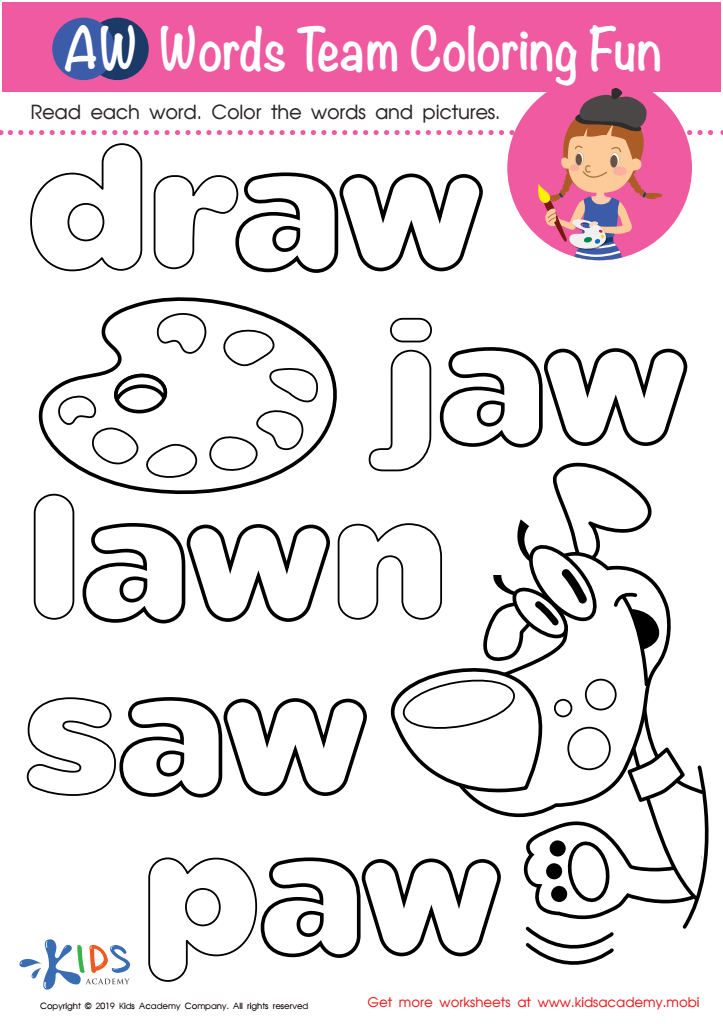
AW Words Team Coloring Fun Worksheet
 Assign to My Students
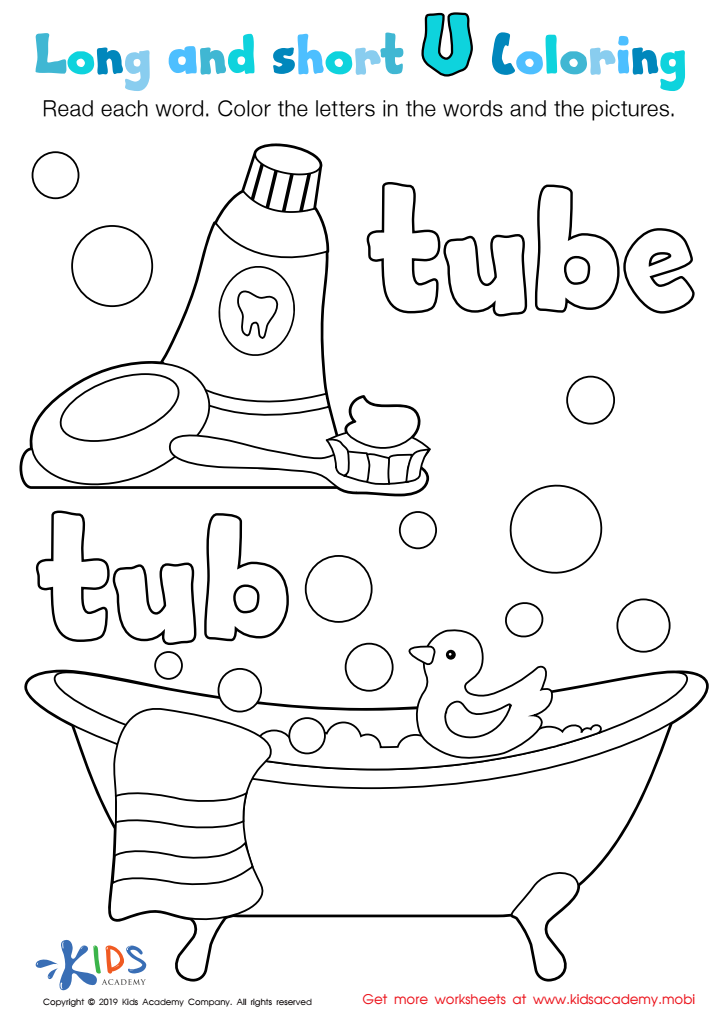
Long and Short U Worksheet
Assign to My Students
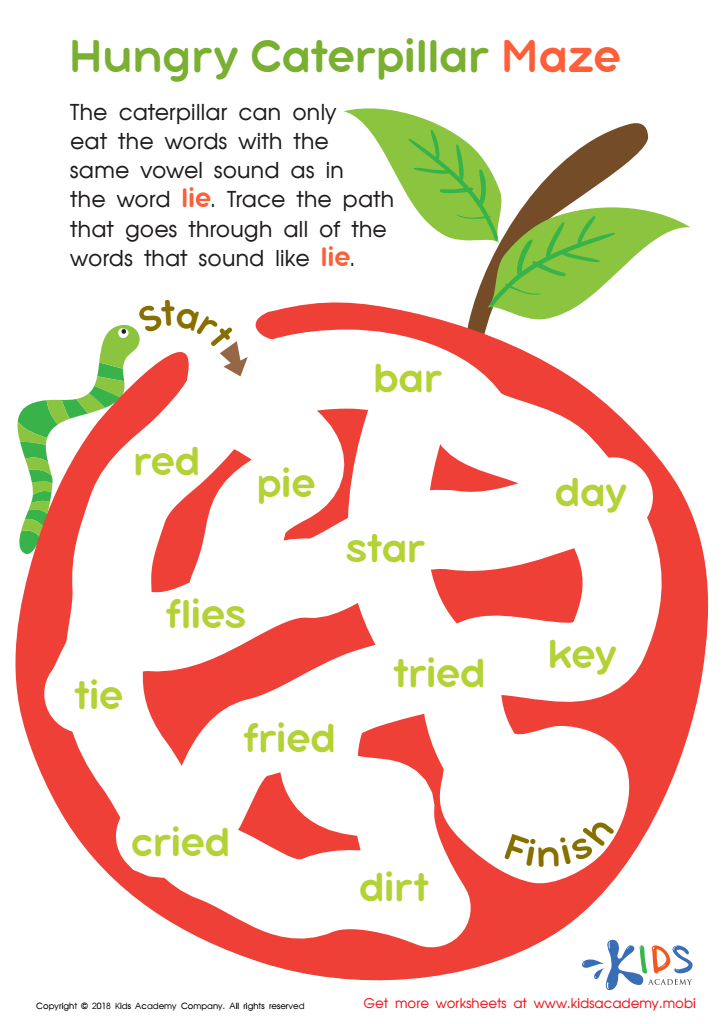
Hungry Caterpillar Maze Worksheet
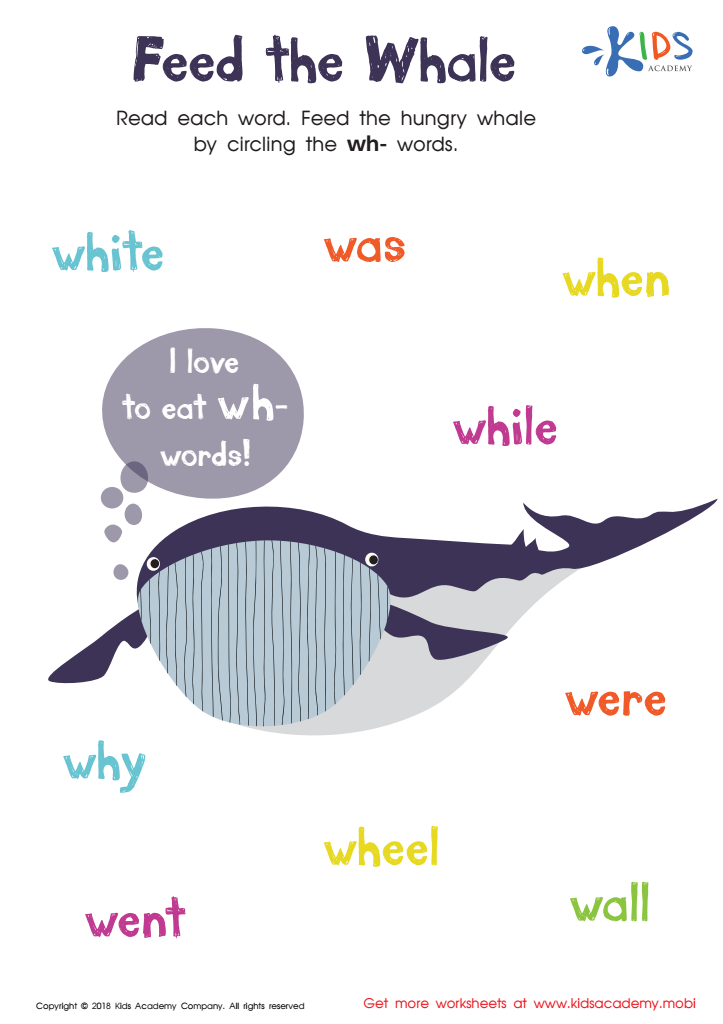
Feed the Whale Worksheet
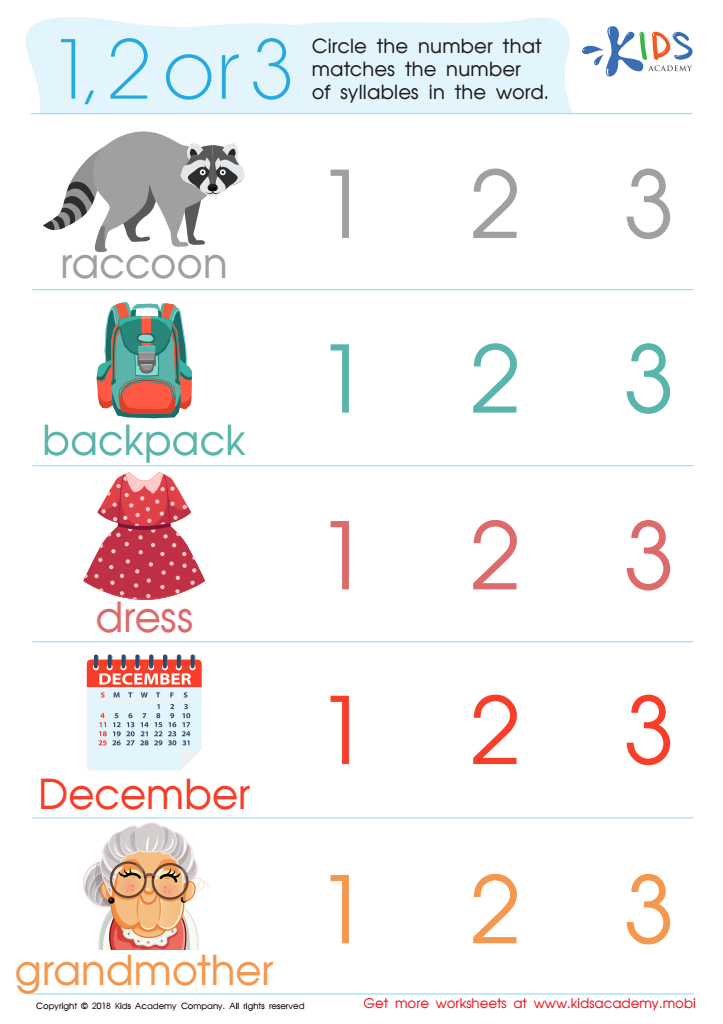
1, 2 or 3? Worksheet








Parents and teachers should care about fine motor skills and normal phonics development for 7-year-olds because these foundational abilities are crucial for academic success and overall development. Fine motor skills refer to the coordination of small muscles in movements, typically involving the synchronization of hands and fingers. These skills are essential for everyday tasks such as writing, cutting with scissors, buttoning clothes, and tying shoelaces. Improving fine motor skills enhances a child's ability to navigate these tasks efficiently, leading to increased independence and confidence.
Phonics, on the other hand, is the ability to decode written language by understanding the relationship between letters and sounds. Phonics education is a cornerstone of early reading and spelling success. Mastery in phonics allows children to read fluently, comprehend text better, and expand their vocabulary. At age 7, children are at a critical stage where they transition from learning to read to reading to learn. Proficiency in phonics ensures they do not face challenges in accessing new information.
Nurturing both fine motor skills and phonics builds a solid foundation for future learning. It aids cognitive development, supports effective communication, and fosters academic resilience. Ignoring these areas can lead to educational struggles and affect a child’s self-esteem and motivation. Therefore, prioritizing both areas is essential for holistic development.







