Vocabulary Building Normal Phonics Worksheets for 7-Year-Olds
7 filtered results
-
From - To
Explore our engaging vocabulary building phonics worksheets designed specifically for 7-year-olds! These printable resources enhance literacy skills while nurturing a love for learning. Each worksheet features fun and interactive activities that help children strengthen their phonetic awareness and vocabulary. Aligned with developmental benchmarks, our worksheets encourage young learners to recognize sounds, blend words, and expand their lexicon through exploration and play. Ideal for both classroom and home use, these materials promote creative thinking and confidence in reading. Empower your child’s early learning journey with our thoughtfully crafted phonics worksheets, perfect for budding readers eager to learn and grow!
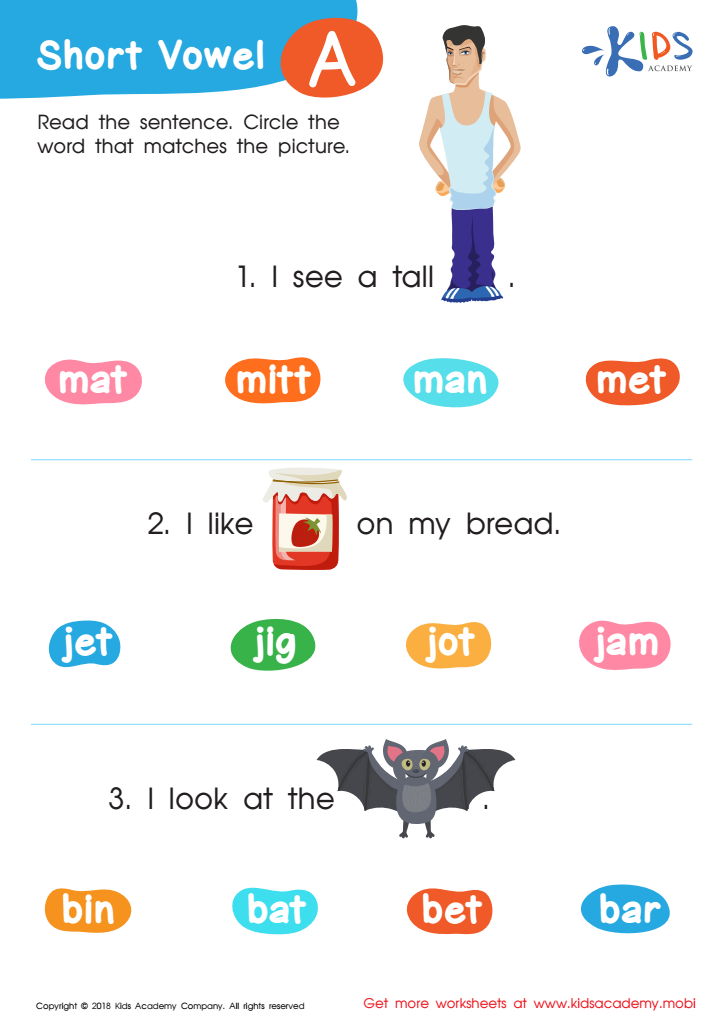
Short Vowel /a/ Worksheet
 Assign to My Students
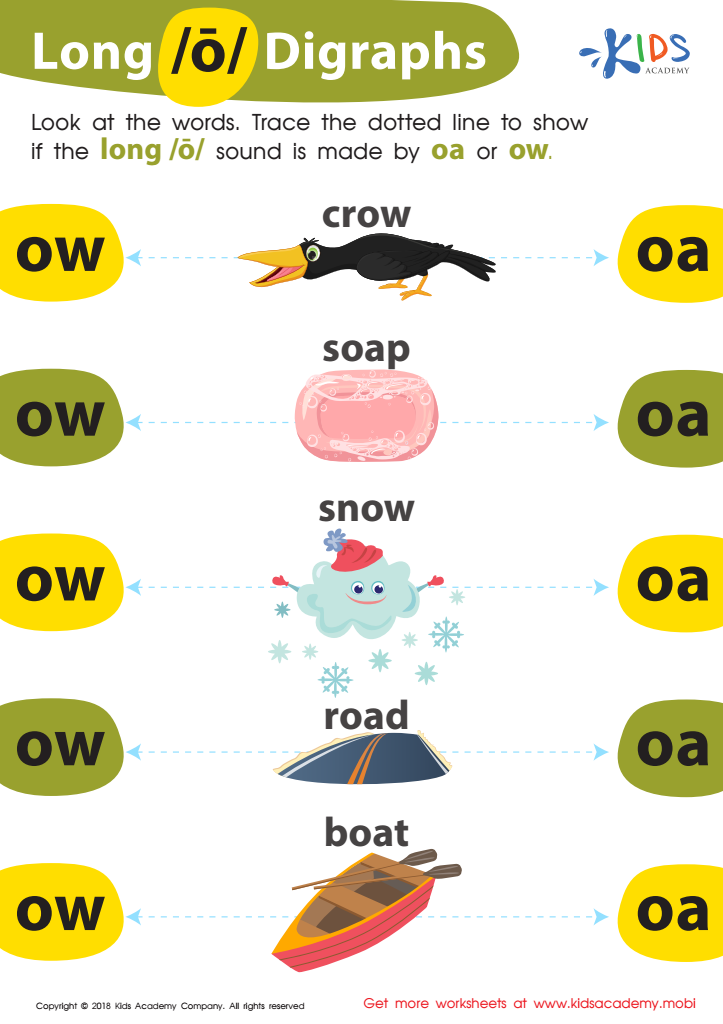
Reading: Long O Digraphs Worksheet
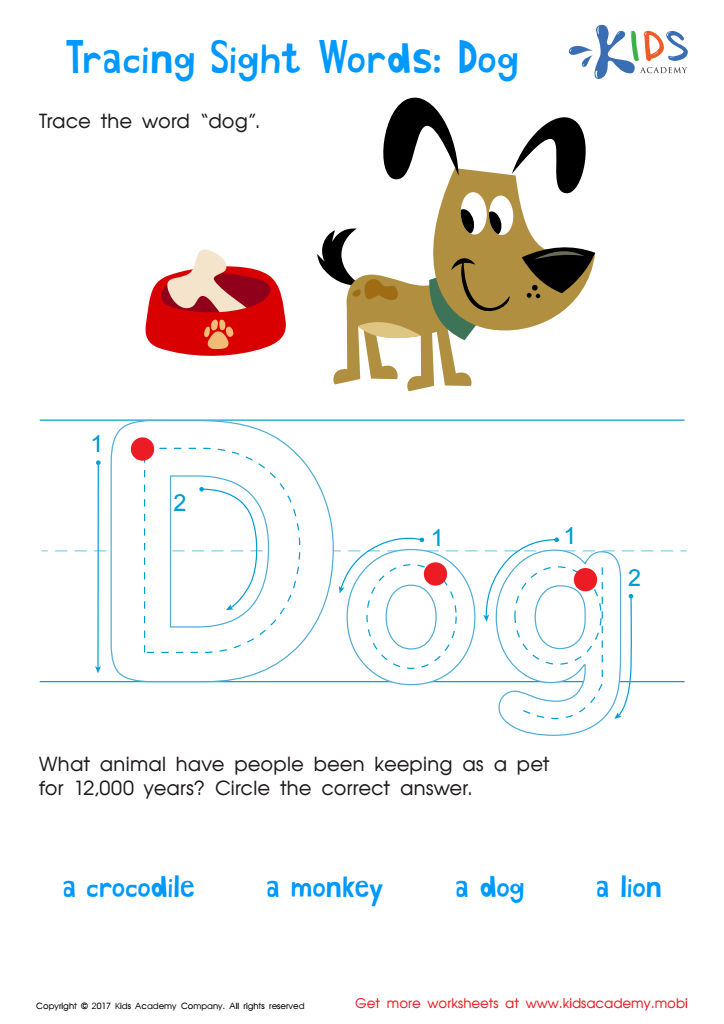
Dog Worksheet Sight Words Worksheet
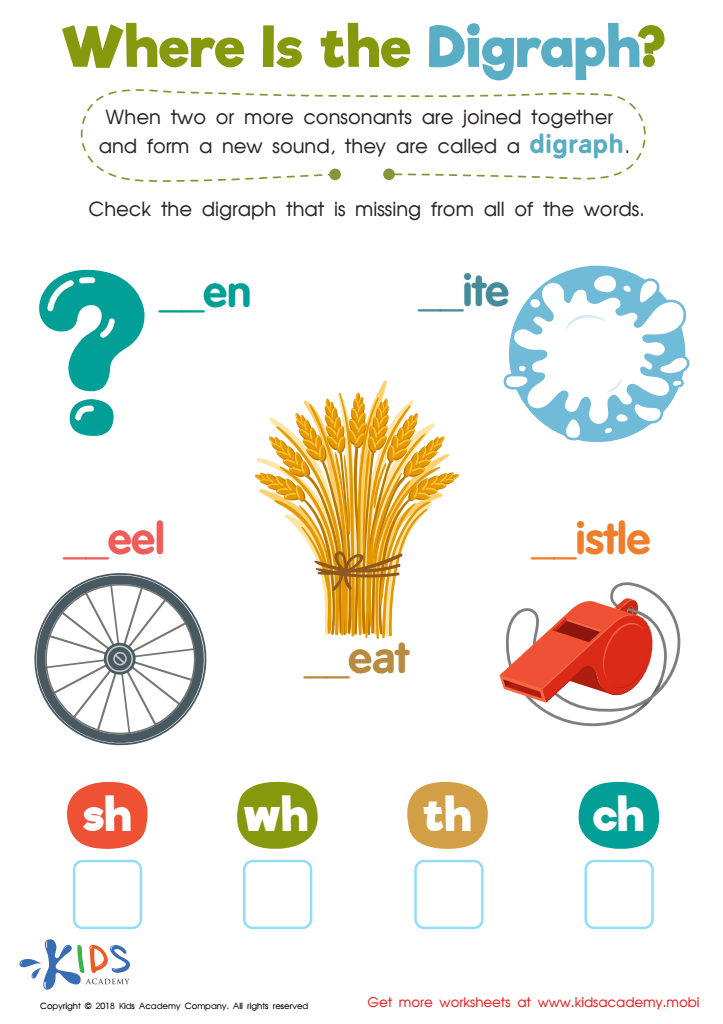
Where Is the Digraph? Worksheet
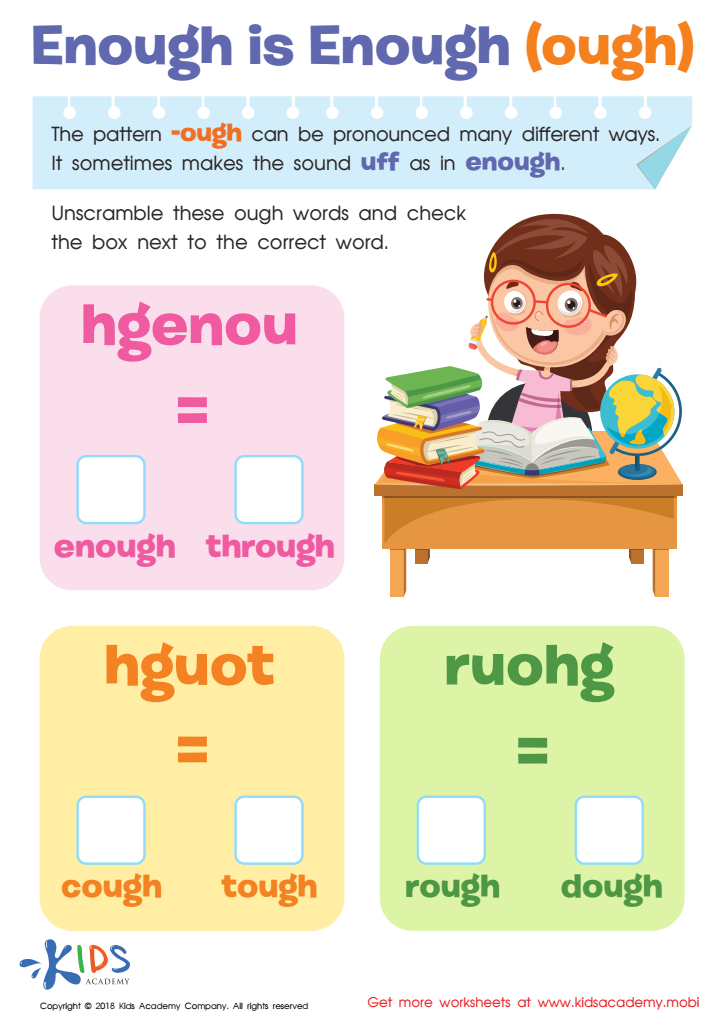
Enough Is Enough (ough) Worksheet
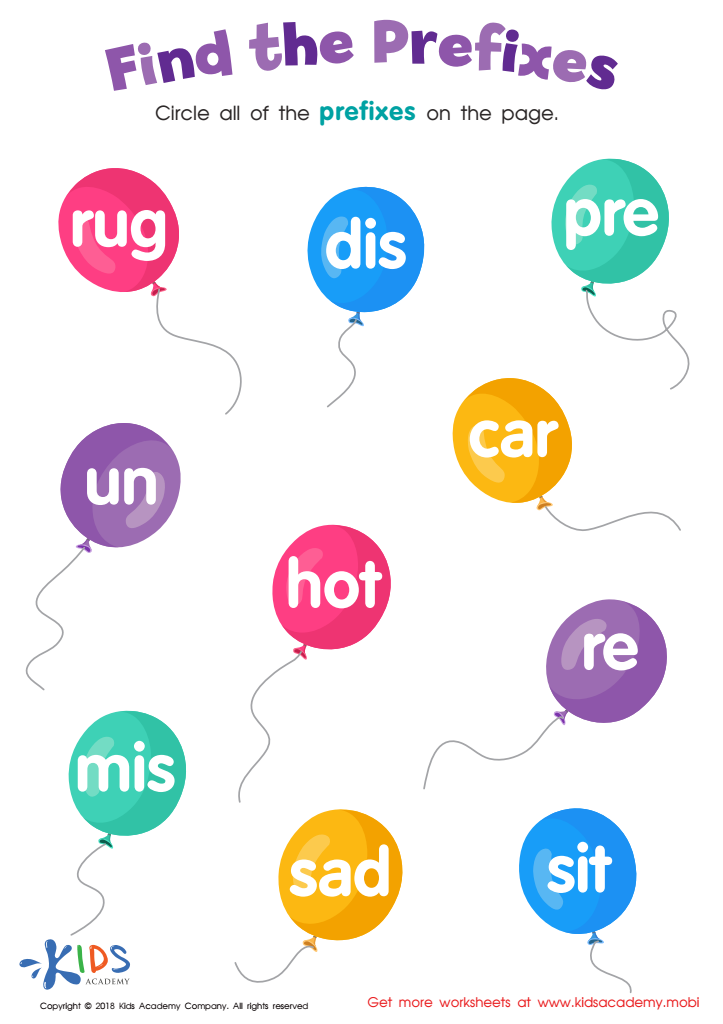
Reading: Find the Prefixes Worksheet
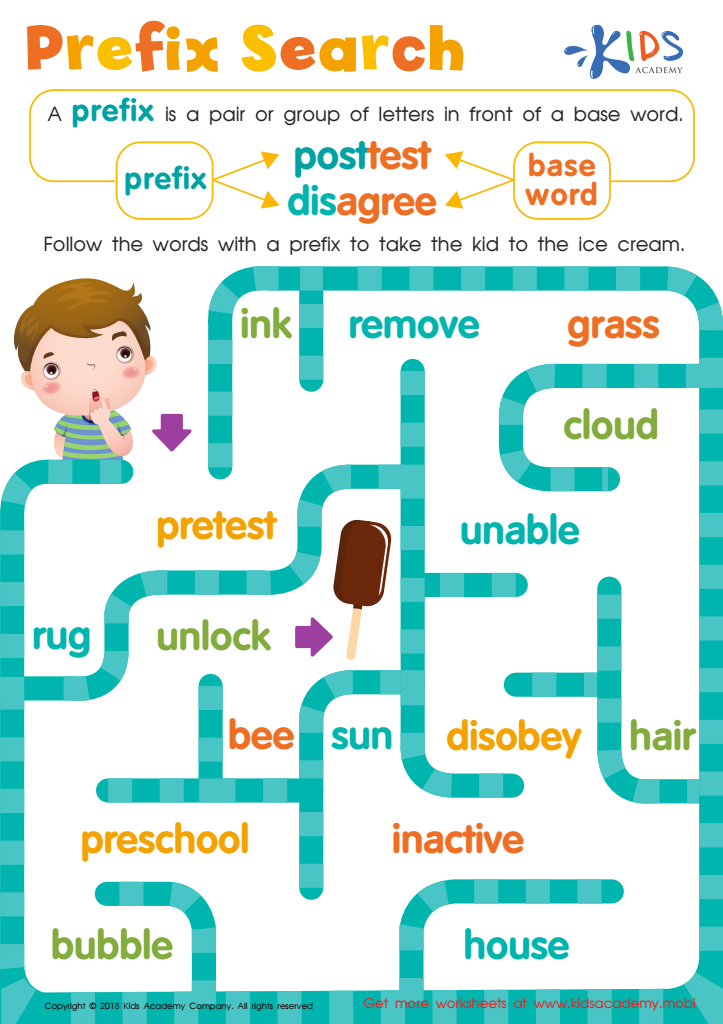
Reading: Prefix Search Worksheet








Vocabulary building and phonics development are crucial for 7-year-olds as these skills lay the foundation for literacy and overall academic success. At this age, children are transitioning from learning to read to reading to learn, making their vocabulary increasingly important. A robust vocabulary enhances reading comprehension, allowing children to grasp more complex texts and engage with diverse subjects.
Phonics, the relationship between letters and sounds, is essential for decoding words. Understanding phonics enables children to read unfamiliar words independently, boosting their confidence and fostering a love for reading. This, combined with vocabulary expansion, aids in their ability to express thoughts and ideas clearly, improving their communication skills.
Parents and teachers play a pivotal role in supporting vocabulary and phonics development. Engaging children in conversations, introducing new words in everyday contexts, and using phonics games can create a rich language environment. Through these efforts, children build a language framework necessary for academic achievement and lifelong learning. Caring about vocabulary building and phonics ensures children are equipped with the essential tools to navigate their educational journey, develop critical thinking, and succeed beyond the classroom. Thus, prioritizing these skills contributes significantly to a child’s overall cognitive and social growth.







