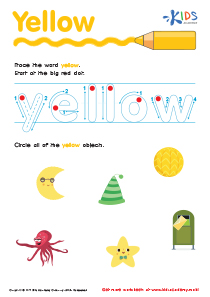
Handwriting practice Normal English for Beginners Worksheets for 7-Year-Olds - Page 2
26 filtered results
-
From - To
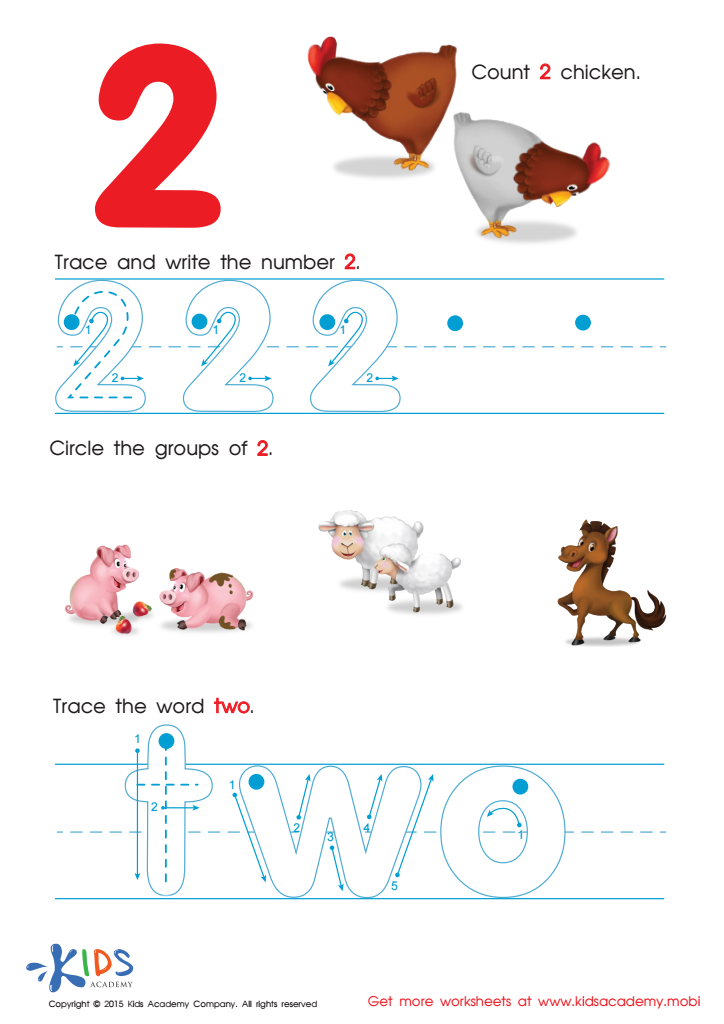
Learn to Write the Number 2 Worksheet
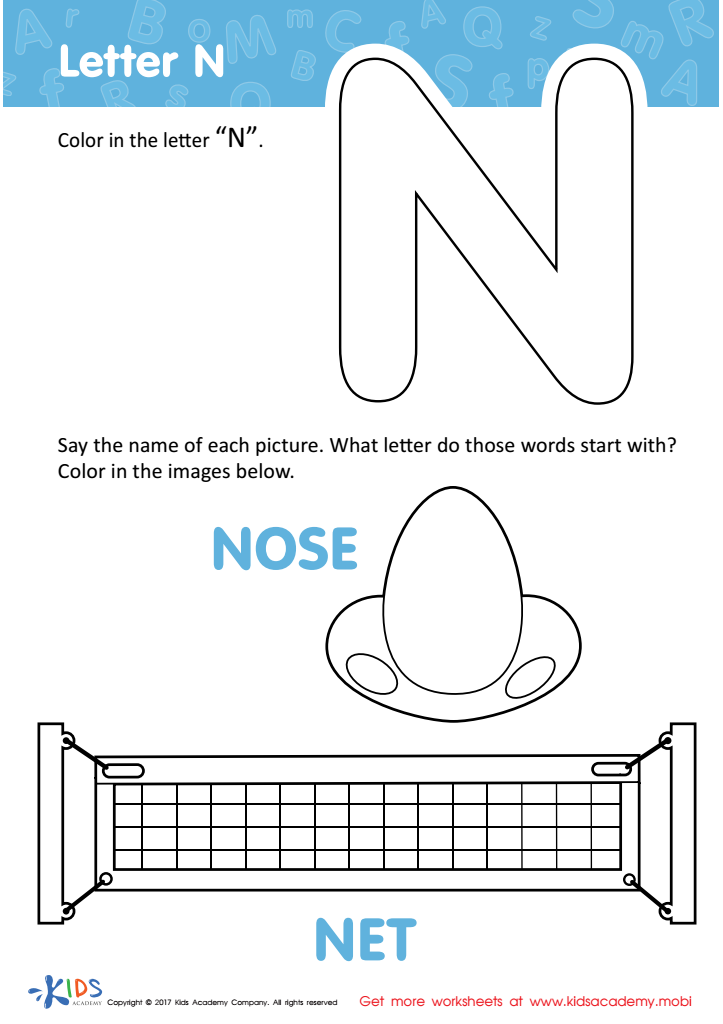
Letter N Coloring Sheet
 Assign to My Students





Handwriting practice for 7-year-olds is essential because it forms the foundation for effective communication and learning. At this age, children are developing their fine motor skills, which are crucial for writing legibly. Good handwriting allows them to express their thoughts clearly and enhances their confidence in writing tasks.
Furthermore, handwriting practice supports cognitive development. As children learn to form letters and words, they engage multiple areas of the brain, aiding memory and understanding of language. It helps reinforce spelling and vocabulary, as they become more familiar with letter shapes and sounds.
In addition, handwriting encourages focus and discipline. Regular practice teaches children to pay attention to detail and maintain consistency, skills that are beneficial in all areas of study. In a world increasingly reliant on technology, handwritten communication still holds value— it cultivates personal expression and creativity.
For both parents and teachers, prioritizing handwriting practice is crucial for a child’s overall educational journey. It facilitates self-expression, enhances academic performance, and encourages a sense of achievement. By supporting handwriting development, they equip children with the essential tools to navigate school and beyond confidently.