Number Recognition Normal Place Value Worksheets for 7-Year-Olds
8 filtered results
-
From - To
Introduce your 7-year-old to the fundamentals of math with our Number Recognition Normal Place Value Worksheets! These engaging and educational worksheets are specially designed to help young learners recognize and understand place values through fun exercises. By practicing these worksheets, children will enhance their numerical skills and build a solid math foundation. Whether at home or in the classroom, Kids Academy's printable worksheets provide an excellent resource to boost your child's confidence and proficiency in number recognition and place value. Transform learning into an exciting adventure with our expertly crafted materials that make math both accessible and enjoyable.
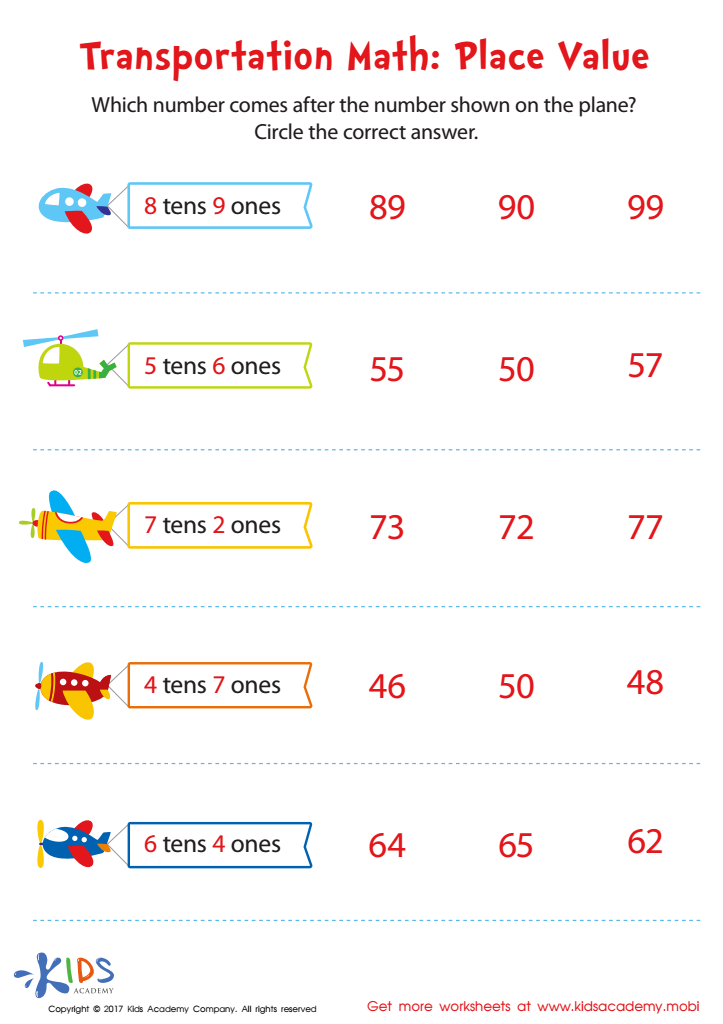
Transportation Math Printable
 Assign to My Students
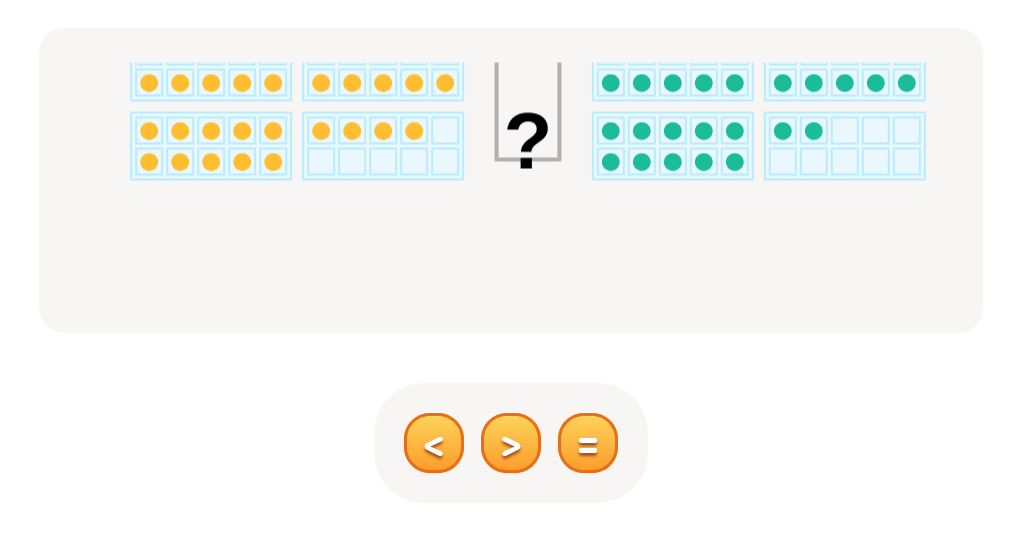

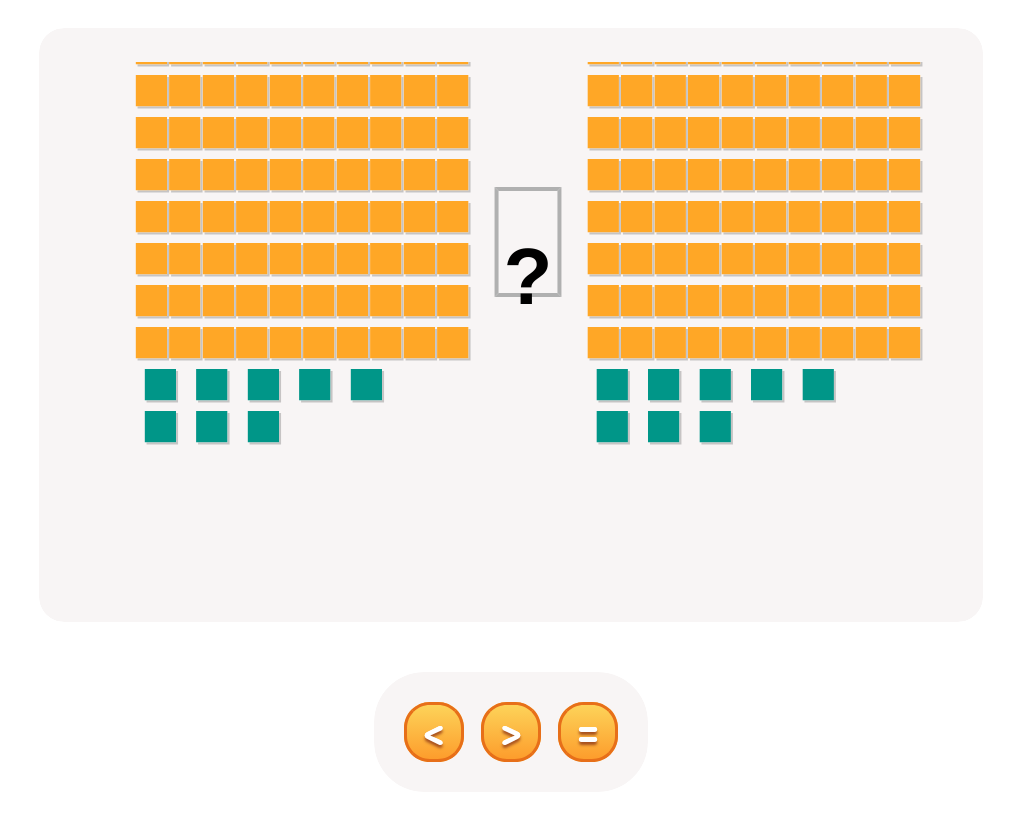
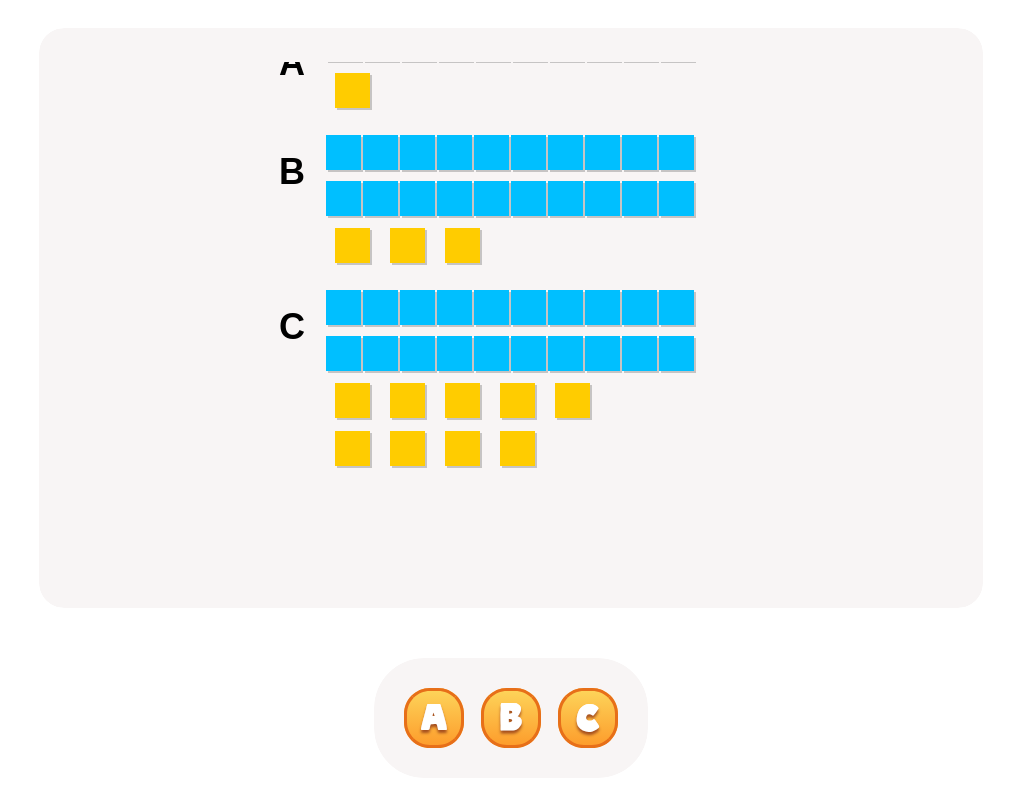
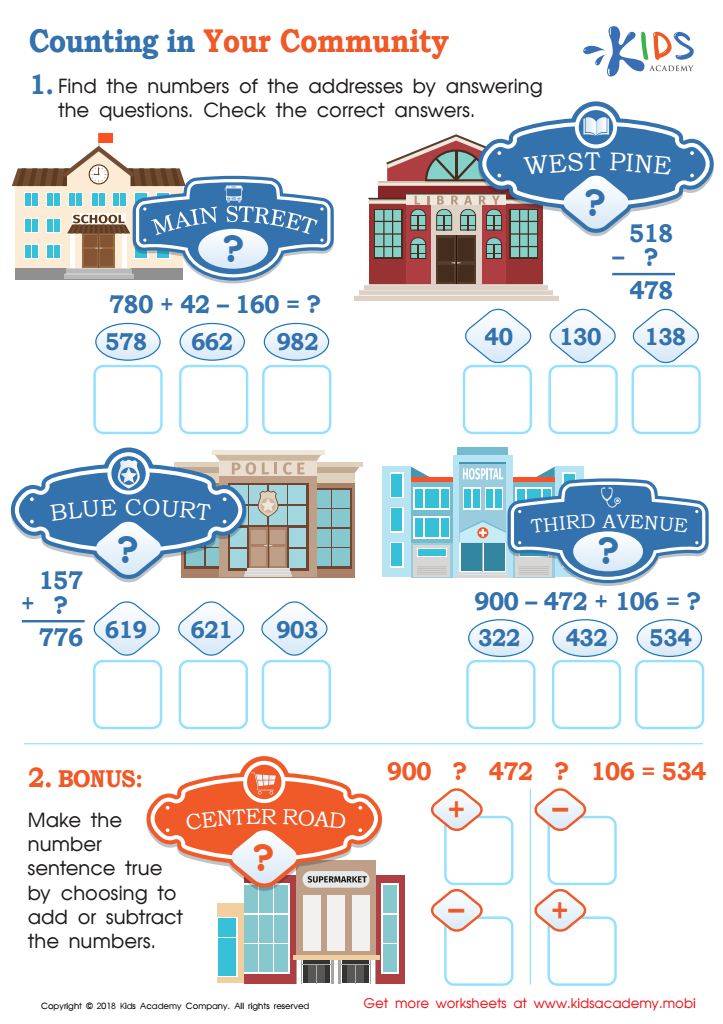
Counting in Your Community Worksheet
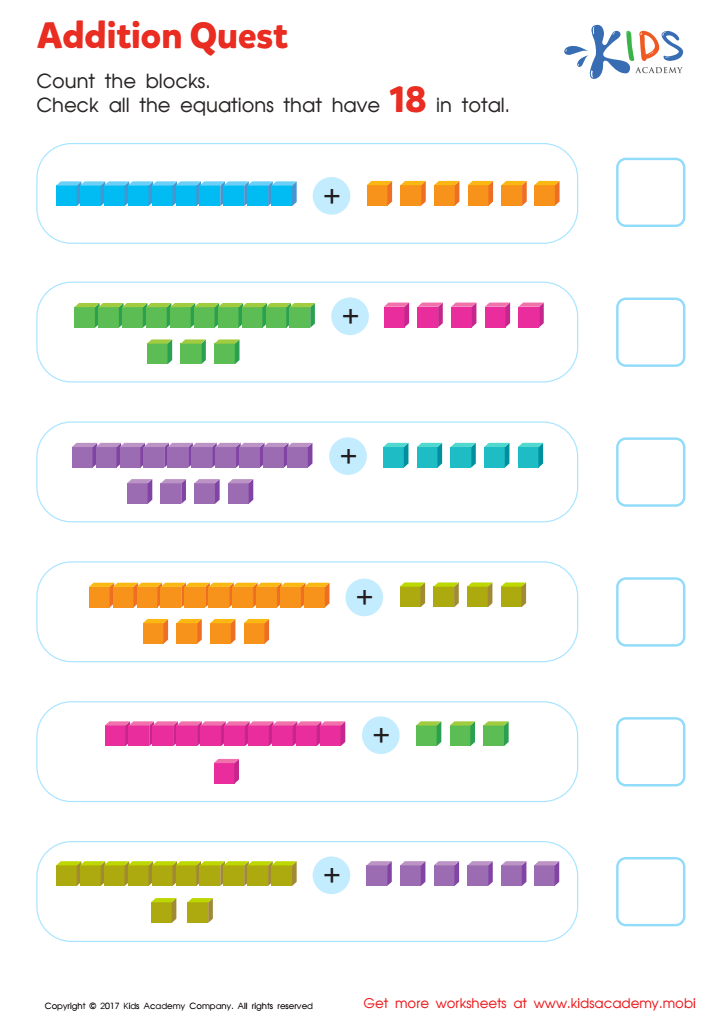
Addition Quest Worksheet: Part 2
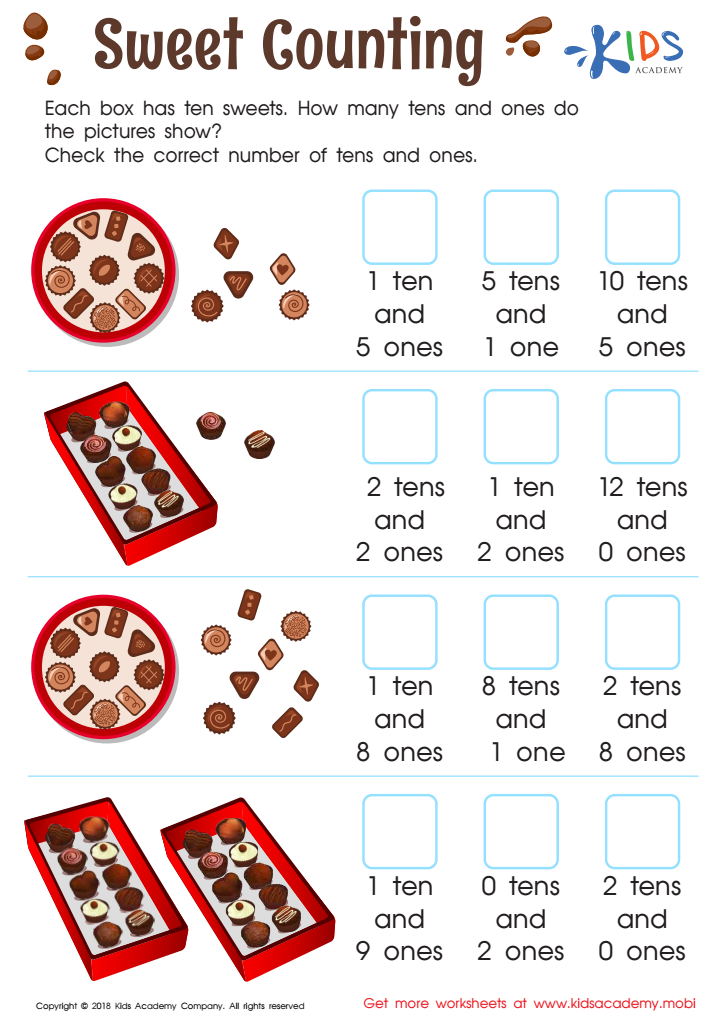
Sweet Counting - Part 2 Worksheet
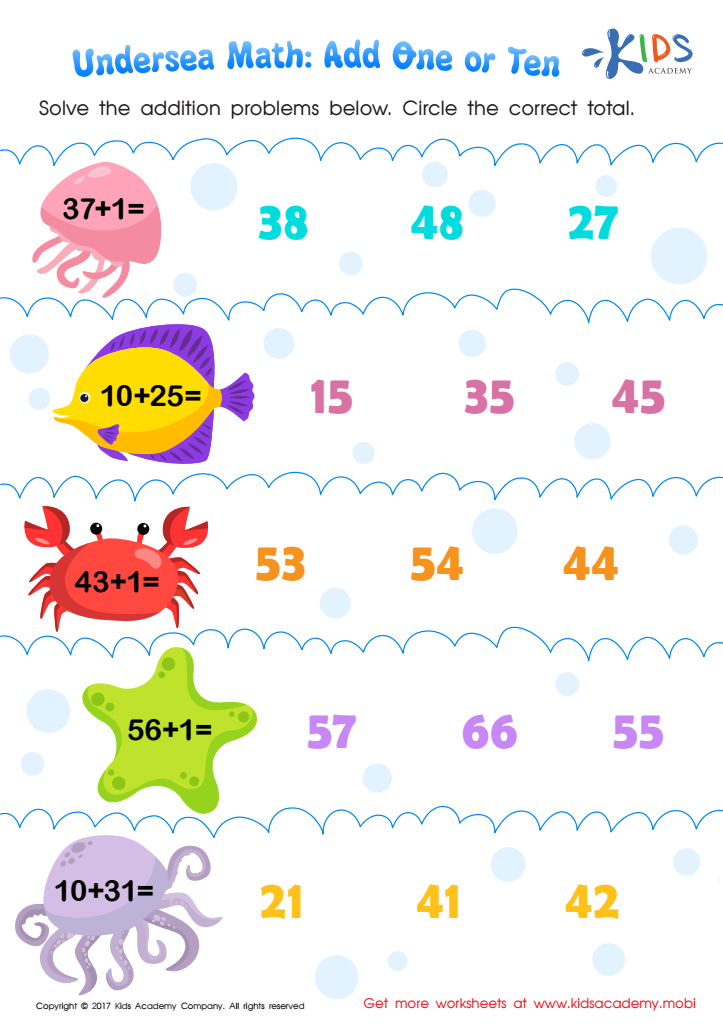
Undersea Math Worksheet
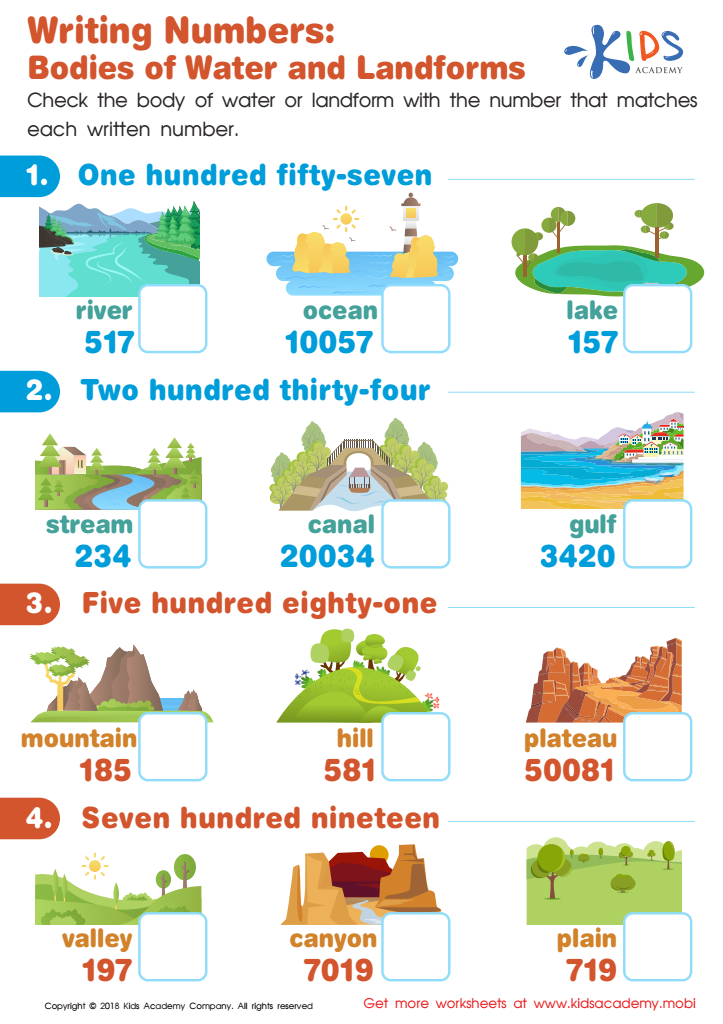
Bodies of Water and Landforms Writing Numbers Worksheet
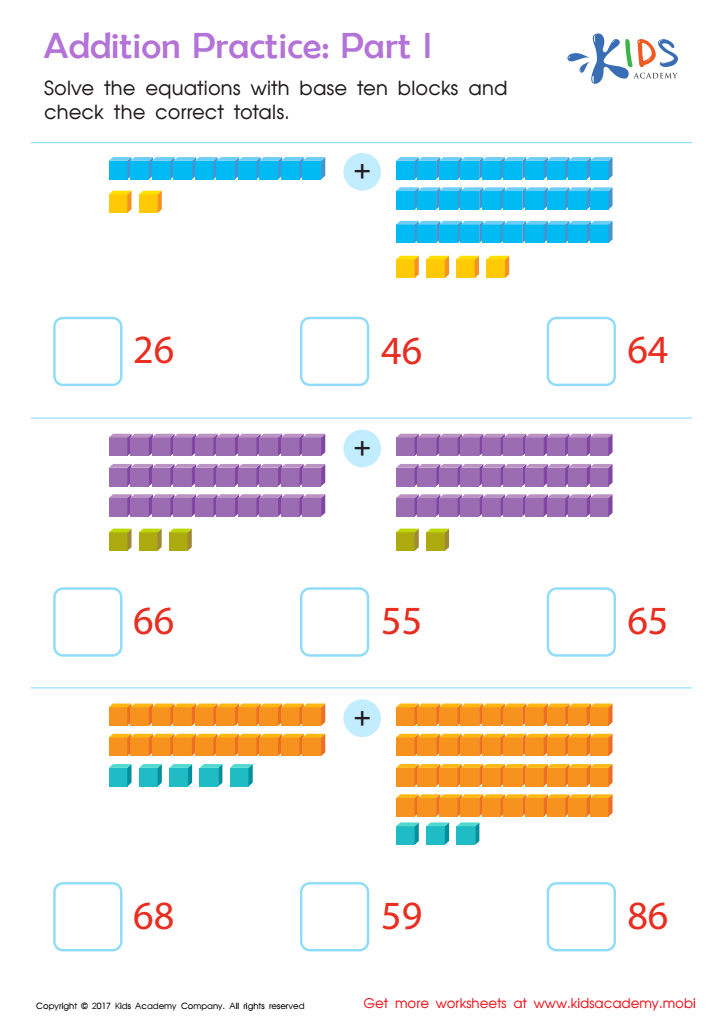
Addition Practice Sheet: Part 1
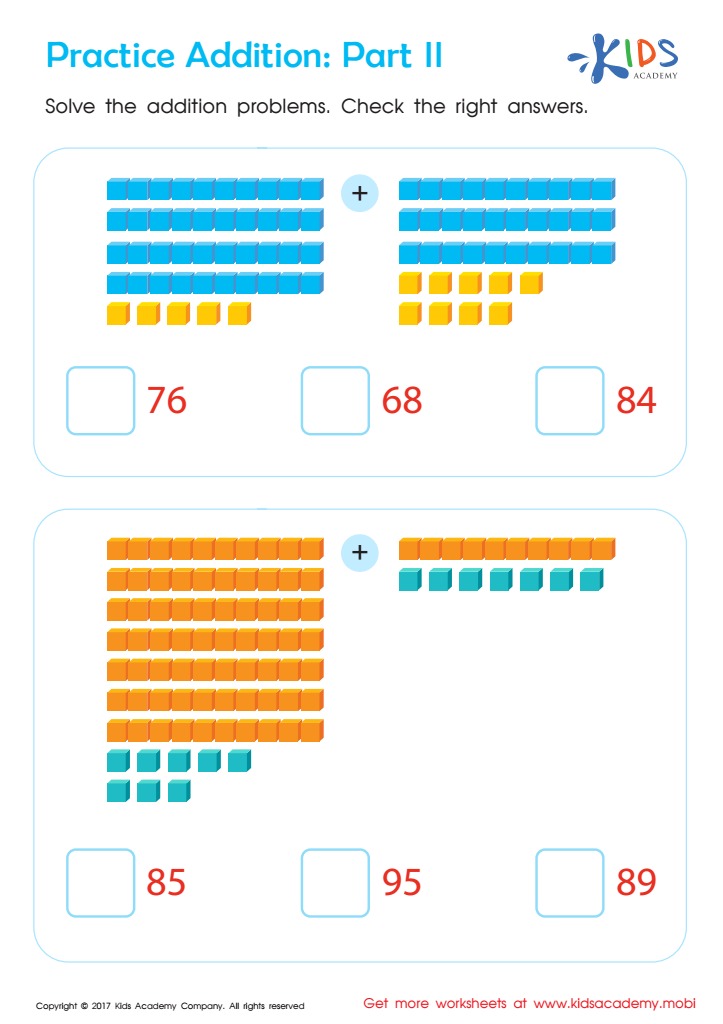
Practice Addition: Part 2 Worksheet








Number recognition and understanding place value are foundational skills essential for a child's mathematical development. For 7-year-olds, mastering these concepts creates a strong base for more complex arithmetic and problem-solving tasks they'll encounter in later education.
Number recognition involves the ability to identify and name numbers accurately. This skill is crucial, as numbers are ubiquitous in both academic settings and everyday life, from telling time to counting money. If children struggle with number recognition, they may find it difficult to grasp more advanced mathematical concepts and operations, which can lead to frustration and a lack of confidence in their abilities.
Understanding normal place value, on the other hand, helps children comprehend the value of digits based on their position within a number. For instance, in the number 45, the digit 4 represents forty, not just four, because it's in the tens place. This conceptual understanding is critical for performing operations like addition, subtraction, and even multiplication. It also aids in mental math and estimating, skills which are indispensable in both academic and real-world contexts.
By ensuring that children develop strong number recognition and place value skills by the age of seven, parents and teachers set the stage for continued success in mathematics, foster logical thinking, and help children develop the numerical fluency necessary for future academic achievement.