Fine Motor Skills Normal Building Vocabulary Worksheets for 7-Year-Olds
5 filtered results
-
From - To
Discover our engaging "Fine Motor Skills Normal Building Vocabulary Worksheets" designed specifically for 7-year-olds. These worksheets combine the development of fine motor skills with vocabulary enhancement, making learning a fun and effective process. Children will enjoy activities that involve tracing, cutting, and coloring, while simultaneously expanding their word knowledge. Ideal for educators and parents, our carefully crafted exercises promote hand-eye coordination and encourage creative expression. Help your child build a solid vocabulary foundation while fine-tuning their motor skills with these delightful worksheets. Explore a world of learning where literacy and dexterity go hand-in-hand for your young learners!
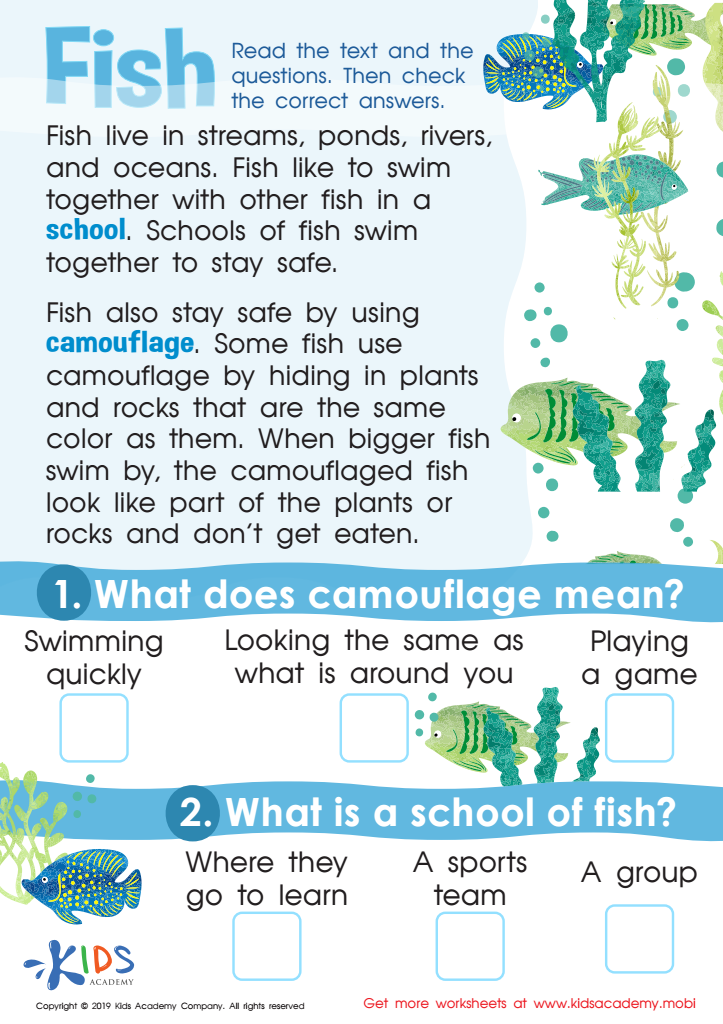
Fish Worksheet
 Assign to My Students











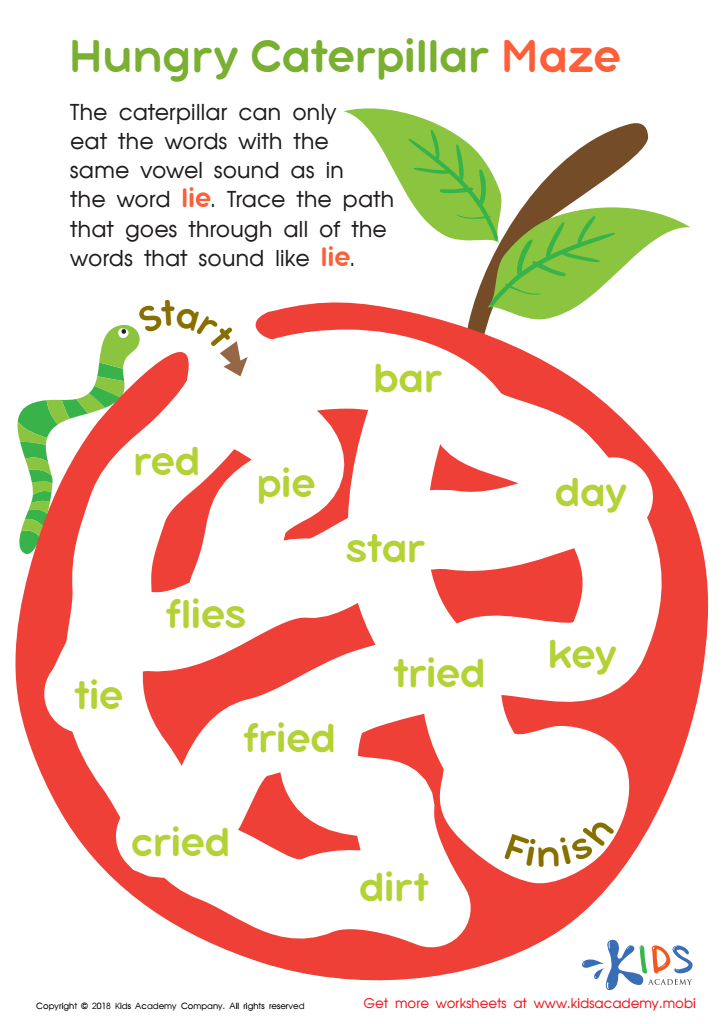
Hungry Caterpillar Maze Worksheet
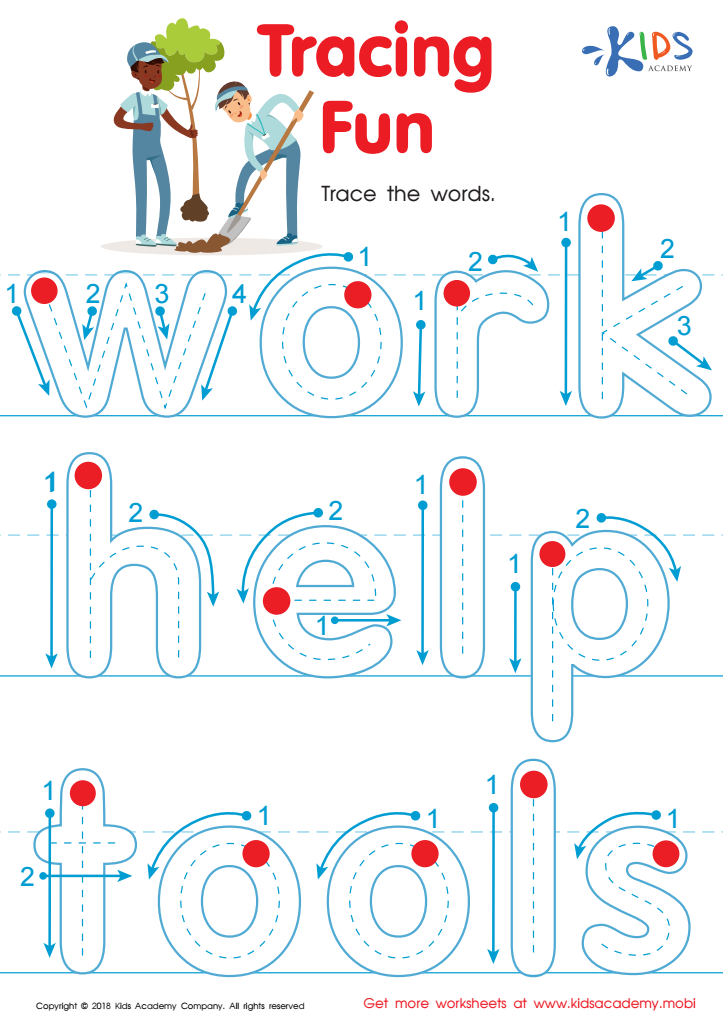
Tracing Fun Worksheet
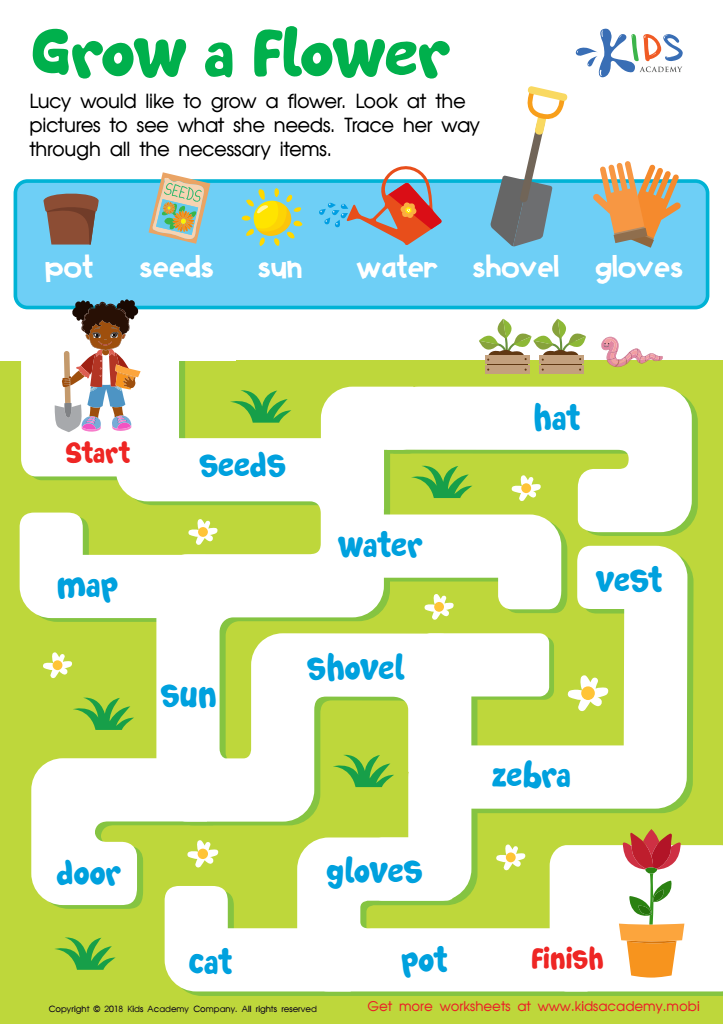
Grow a Flower Worksheet
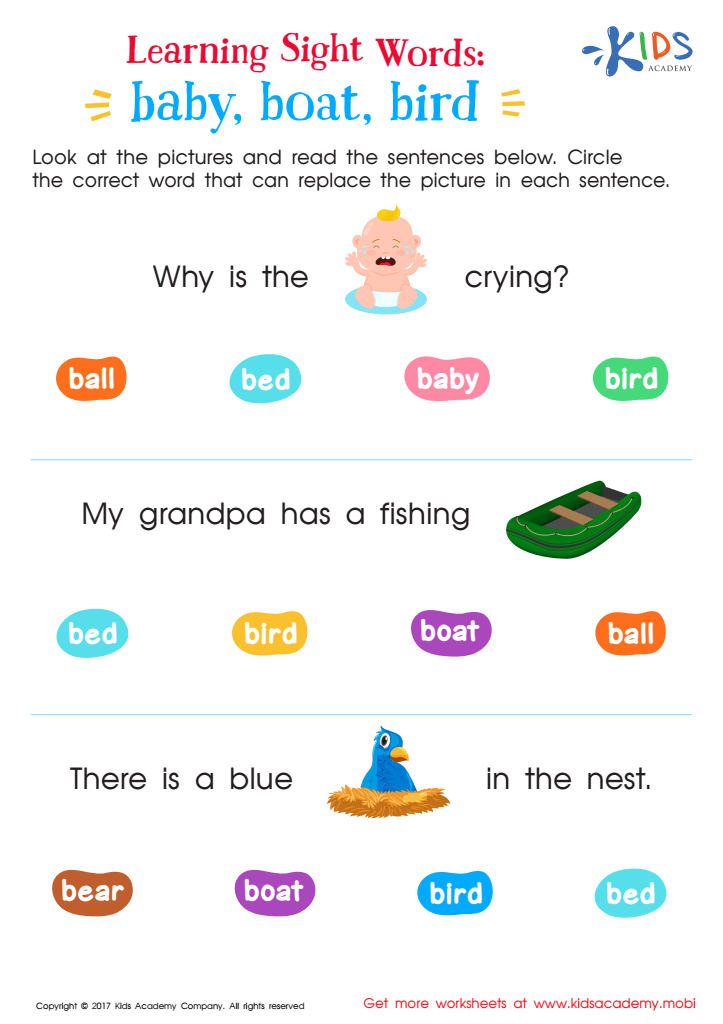
Baby, Boat, Bird Worksheet Sight Words Worksheet








Parents and teachers should prioritize the development of fine motor skills and vocabulary in 7-year-olds as these skills are crucial for a child's overall growth. Fine motor skills are essential for everyday tasks, such as writing, cutting, and engaging in crafts, which lay the foundation for academic achievement. As children practice these skills, they gain confidence, coordination, and the ability to perform complex tasks that contribute to their independence.
Building a robust vocabulary at this age enhances communication skills, fostering better interactions with peers and adults. A rich vocabulary boosts reading comprehension, critical thinking, and the ability to express thoughts and feelings clearly. This is vital not only for academic success but also for emotional development and social relationships.
Furthermore, there is a strong correlation between fine motor skills and language acquisition. As children engage in activities that develop their fine motor skills, they naturally encounter new words, thus expanding their vocabulary. This interconnectedness highlights the importance of integrating both these areas in classroom activities and at home. Ultimately, supporting fine motor skills and vocabulary growth prepares children for future learning, encourages creative expression, and cultivates lifelong skills necessary for success in both academic and real-world environments.








