Word Recognition Normal Building Vocabulary Worksheets for 7-Year-Olds
7 filtered results
-
From - To
Boost your child’s language skills with our Word Recognition Normal Building Vocabulary Worksheets designed for 7-year-olds. These engaging worksheets from Kids Academy make learning vocabulary fun and effective, focusing on enhancing word recognition and understanding. With a variety of activities that include matching words to pictures, fill-in-the-blanks, and word searches, children can build a strong vocabulary foundation while enjoying the learning process. Our carefully crafted worksheets cater to different learning styles, ensuring that every child can succeed. Help your 7-year-old expand their vocabulary and improve their reading skills with these comprehensive, teacher-approved resources.
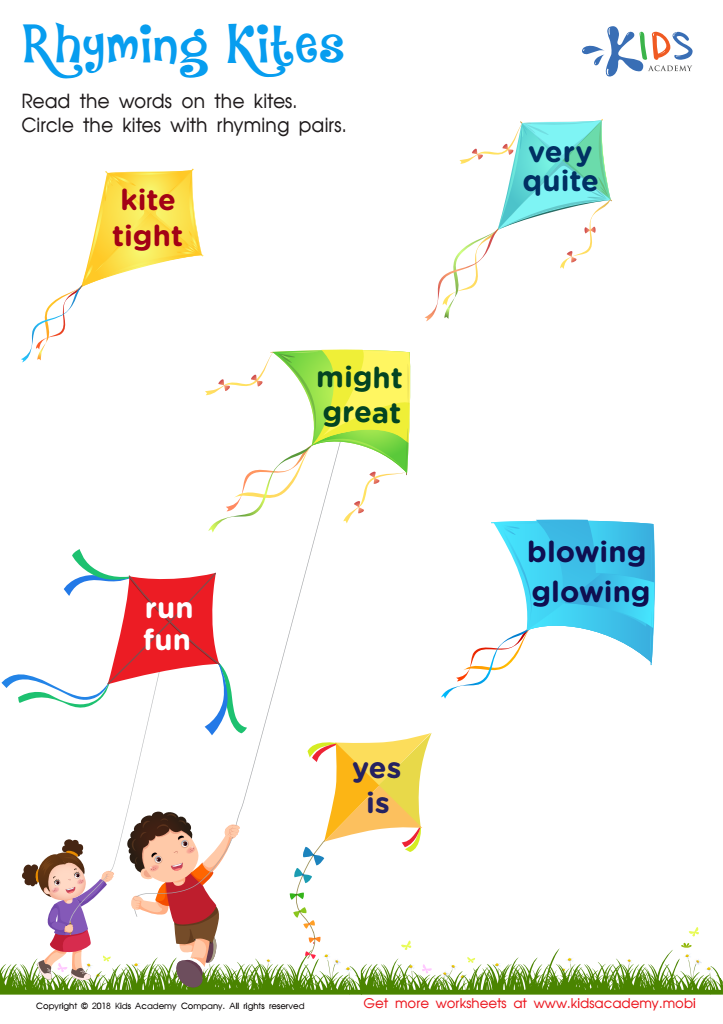
Rhyming Kites Worksheet
 Assign to My Students











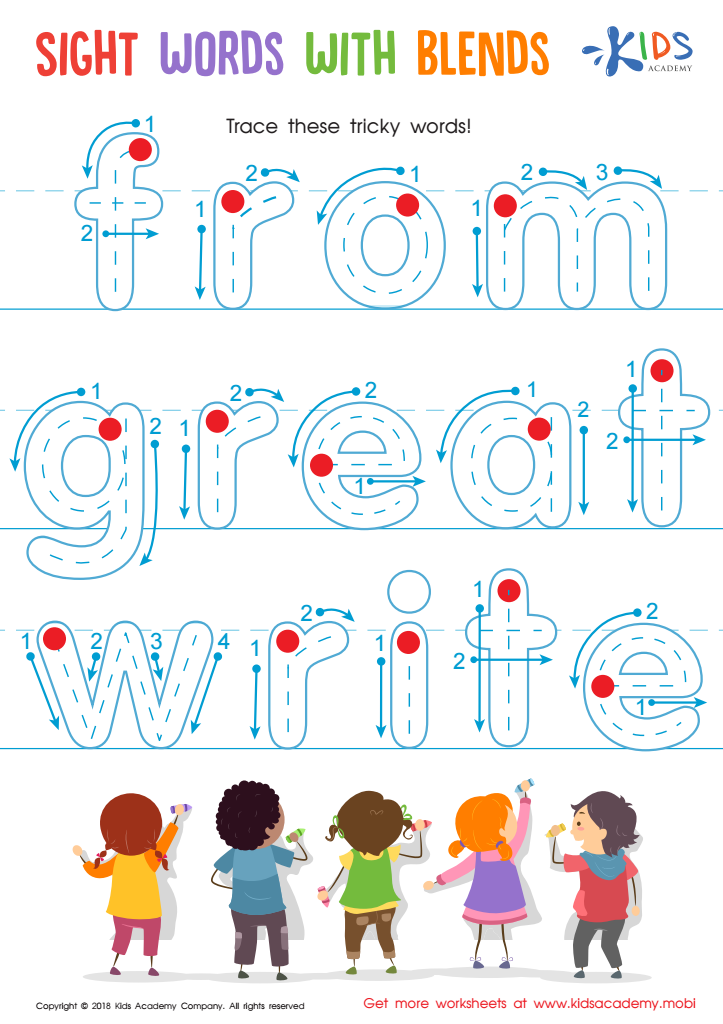
Sight Words with Blends Worksheet
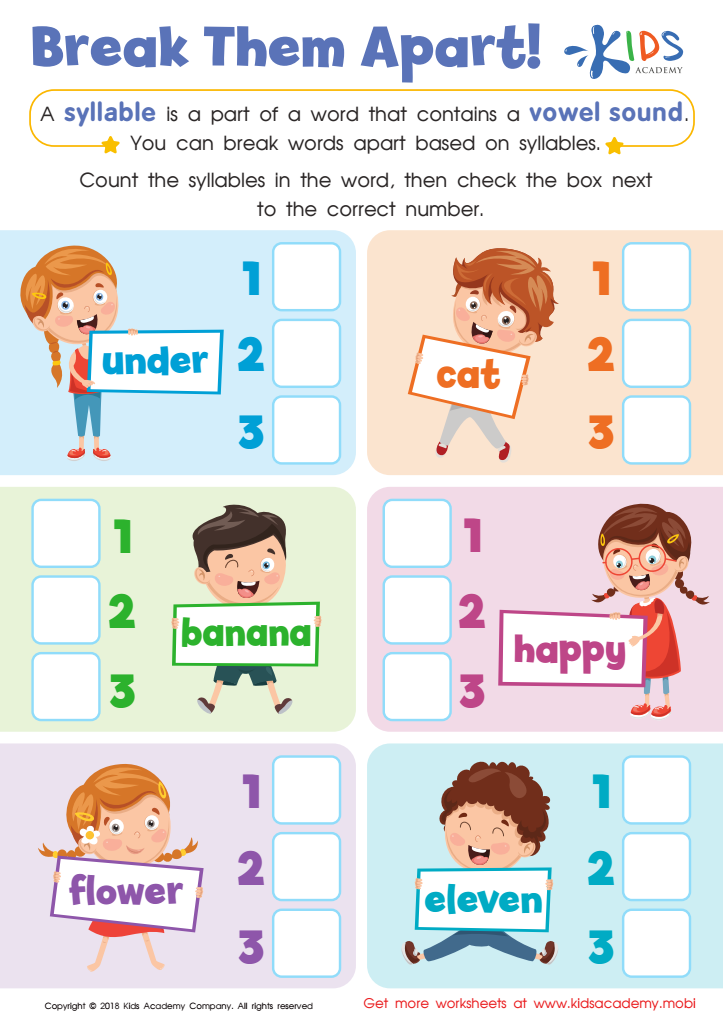
Reading: Break Them Apart Worksheet
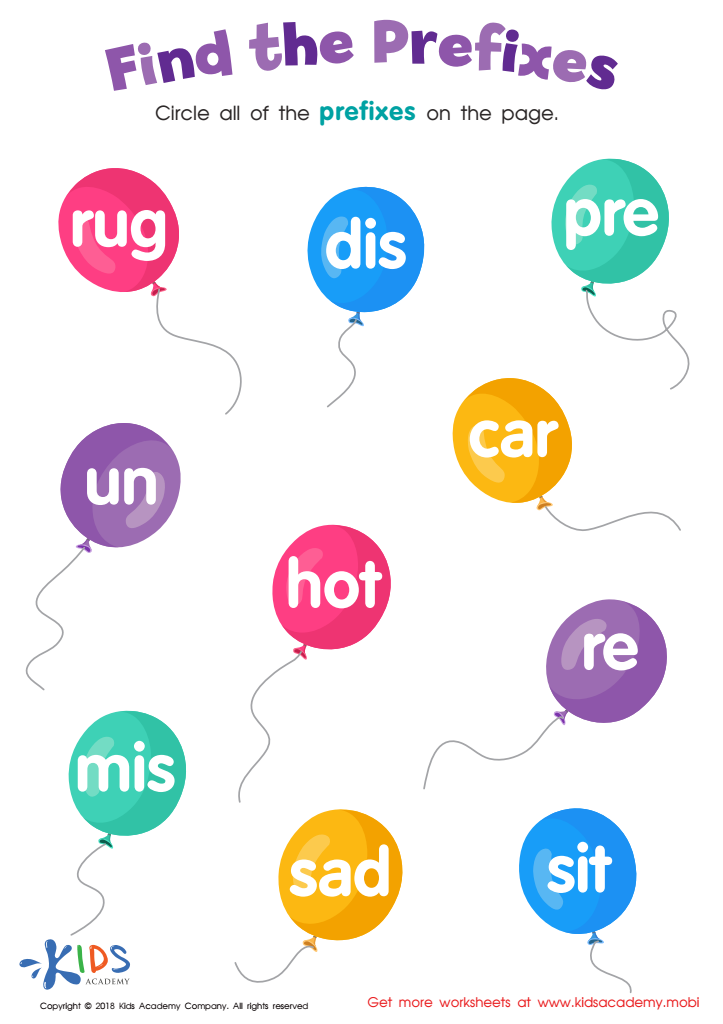
Reading: Find the Prefixes Worksheet
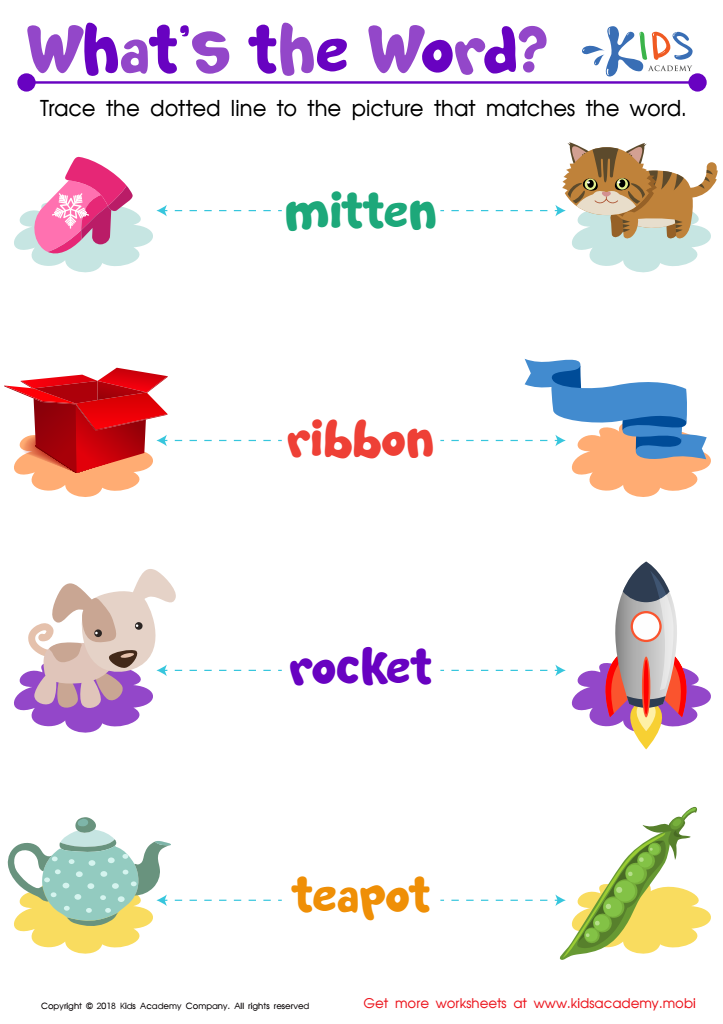
Reading: What's Word Worksheet
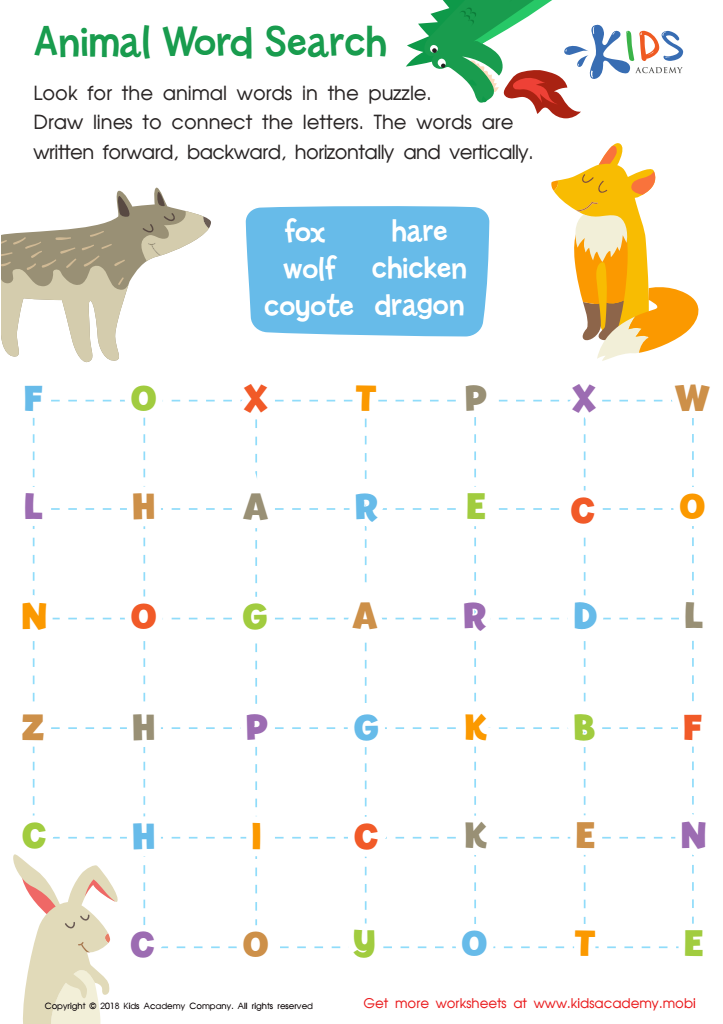
Animal Word Search Worksheet
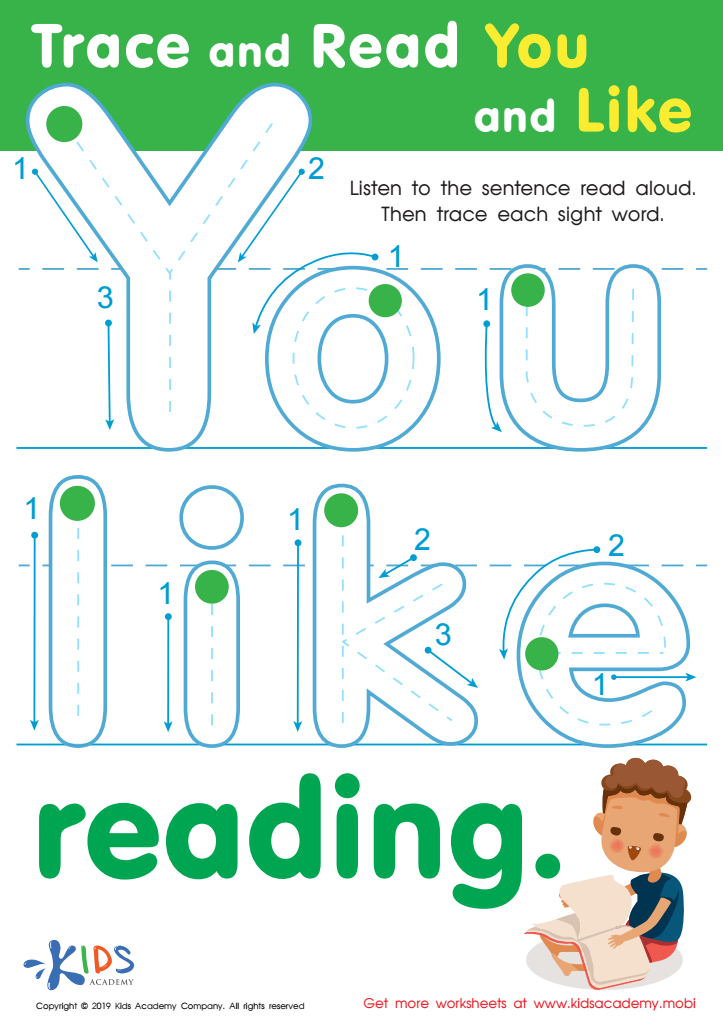
Trace Read You Like Worksheet








Understanding word recognition and vocabulary development in 7-year-olds is essential as these skills lay the groundwork for future academic success. During this formative stage, children are transitioning from learning to read to reading to learn; strong word recognition helps ensure that they can read fluently and focus on comprehension rather than decoding each word.
As children enhance their word recognition skills, they experience increased reading confidence and enjoyment, which inspires a positive attitude toward learning. This foundation is not just limited to reading proficiency; vocabulary knowledge contributes broadly to overall cognitive development. Children with a rich vocabulary are better able to understand new concepts, follow instructions effectively, and express their thoughts and emotions clearly.
Parents and teachers who prioritize building vocabulary and word recognition are, in effect, empowering children with the tools they need to succeed academically and socially. Engaging children with diverse and stimulating reading materials reinforces these skills and fosters a love for lifelong learning.
Contributing to these areas of growth during a child’s sensitive period of language acquisition exponentially boosts their intellectual development, setting them on a firm path to future educational milestones and broadening their capacity for critical thinking. In essence, investing in word recognition and vocabulary at an early age orchestrates a myriad of long-term benefits making it an indispensable focus for parents and educators alike.








