Fine Motor Skills Normal Reading Comprehension Worksheets for 7-Year-Olds
4 filtered results
-
From - To
Enhance your child's fine motor skills and reading comprehension with our expertly designed worksheets tailored for 7-year-olds. These engaging activities focus on strengthening small muscle movements, essential for writing and daily tasks, while also improving their ability to understand and interpret texts. Kids Academy offers a variety of fun and educational printable worksheets that make learning a delightful experience. With captivating stories and interactive exercises, your child will develop both their motor skills and reading proficiency. Help your child achieve their academic milestones effortlessly by incorporating our fine motor skills reading comprehension worksheets into their study routine.

Twinkle Twinkle Little Star Coloring Page
 Assign to My Students
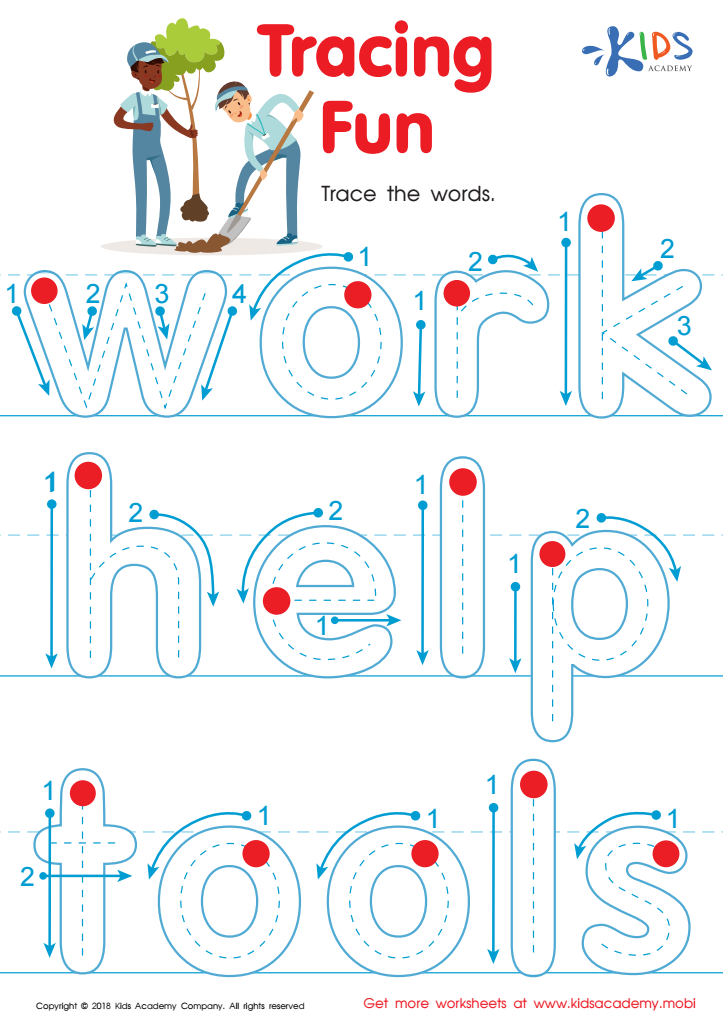
Tracing Fun Worksheet
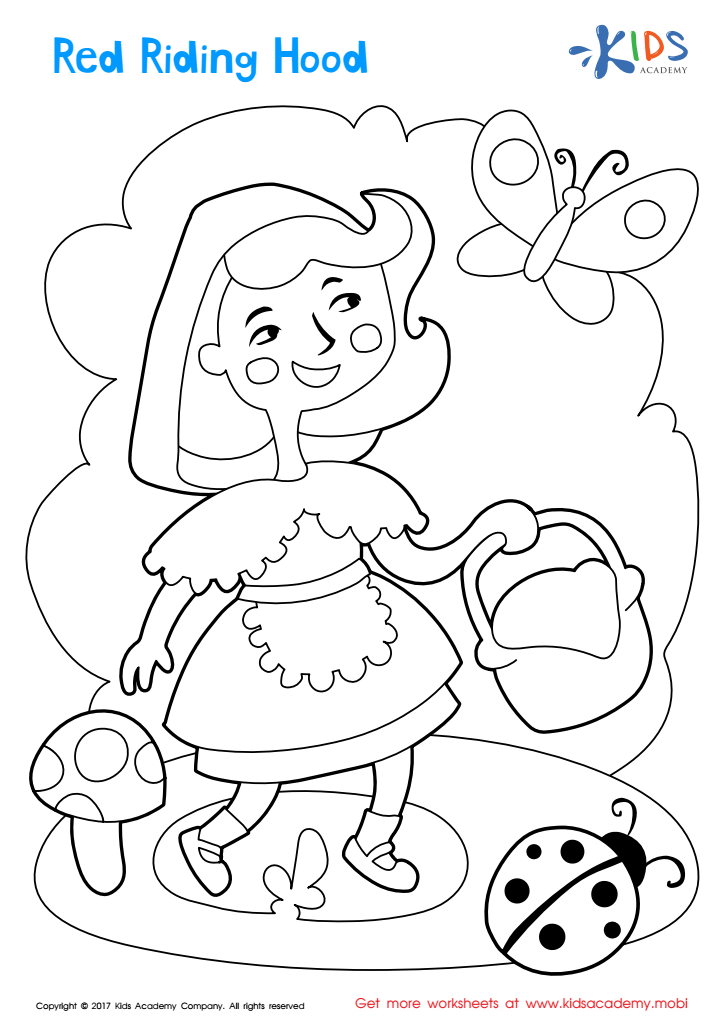
Red Riding Hood Coloring Page
Assign to My Students
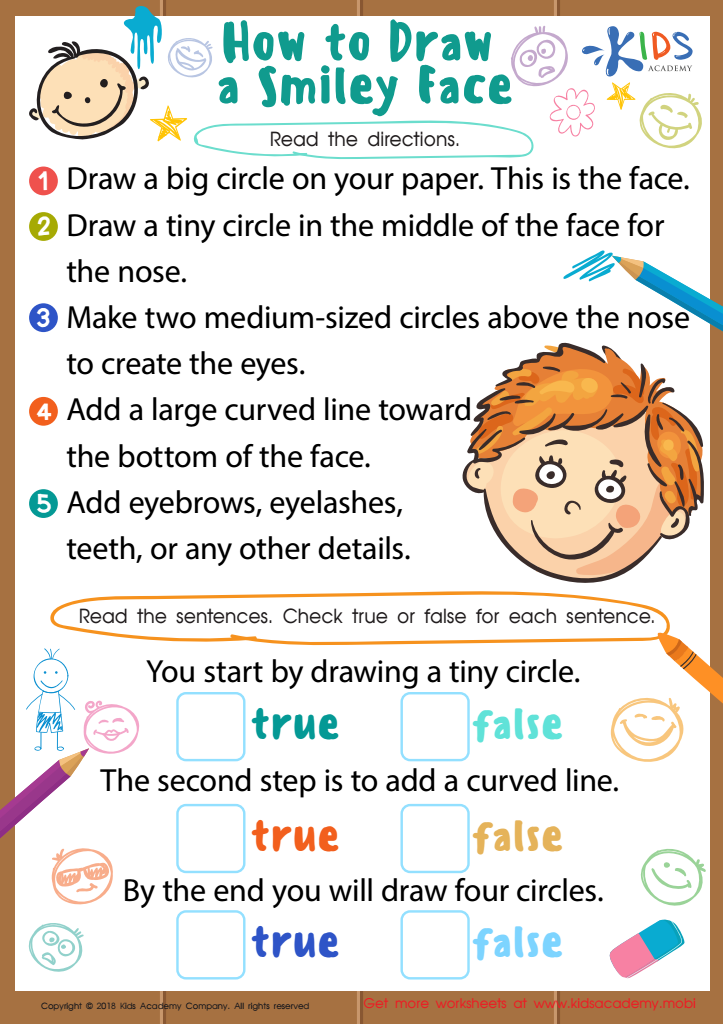
How to Draw a Smiley Face Worksheet








Fine motor skills and reading comprehension are crucial components of a child's early development, particularly around the age of seven, as they form the foundation for future learning and independence. Fine motor skills involve the coordination of small muscles in movements—typically those in the hands and fingers—necessary for tasks such as writing, buttoning clothes, and using scissors. Proficiency in these skills enhances a child’s ability to perform daily activities efficiently and contributes to better handwriting, which is essential for academic tasks.
Reading comprehension, on the other hand, involves understanding and interpreting written text. At age seven, children are expected to transition from learning to read to reading to learn. This shift is fundamental for academically accessing various subjects, from math to science and social studies. Good reading comprehension allows children to follow instructions, grasp complex concepts, and enjoy stories independently, fostering a lifelong love for reading.
Parents and teachers have a pivotal role in nurturing these skills to ensure holistic development. By engaging children in activities that promote fine motor skills—such as drawing, crafting, and playing with clay—and providing rich, interactive reading experiences, adults can significantly enhance a child’s cognitive abilities, academic performance, and self-confidence. Investing attention and resources in these areas supports robust educational foundations, equipping children with essential skills for future success.