Critical Thinking Normal Reading Non-Fiction Worksheets for 7-Year-Olds
5 filtered results
-
From - To
Enhance your 7-year-old's critical thinking skills with our engaging non-fiction reading worksheets! Designed specifically for young readers, these worksheets offer a variety of thought-provoking activities that challenge children to analyze, evaluate, and understand factual texts. Through reading passages, comprehension questions, and discussion prompts, kids will not only improve their reading abilities but also develop essential critical thinking skills. Ideal for at-home learning or classroom support, our non-fiction worksheets help children identify key details, make inferences, and draw conclusions, fostering a deeper understanding of the material. Enrich your child's learning experience with these effective educational resources today!
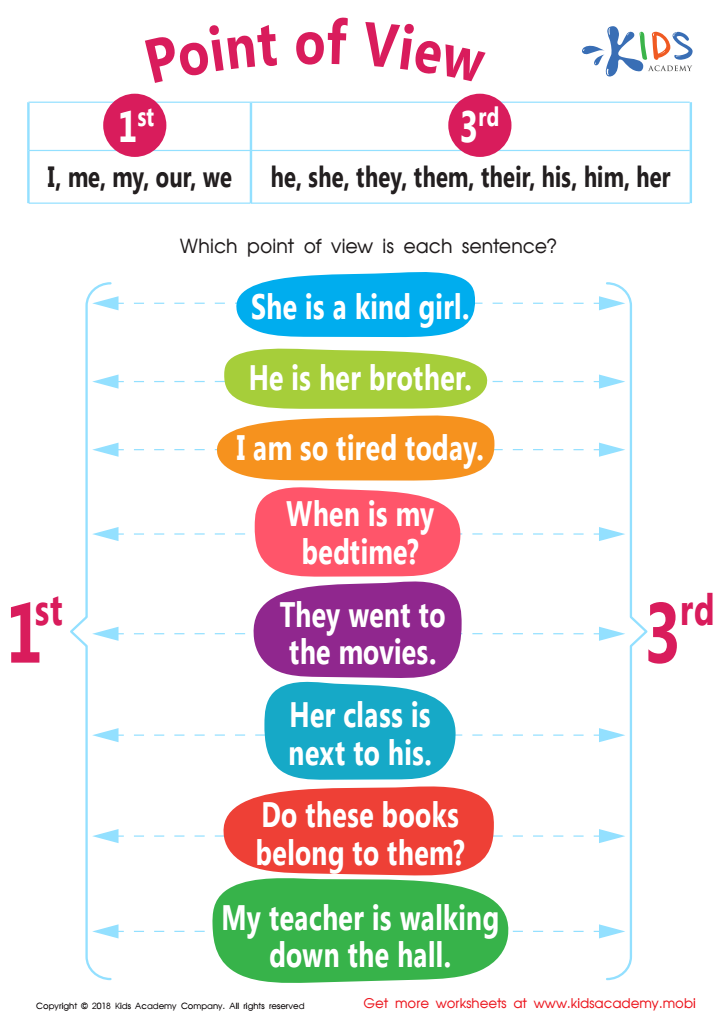
Point of View Worksheet
 Assign to My Students
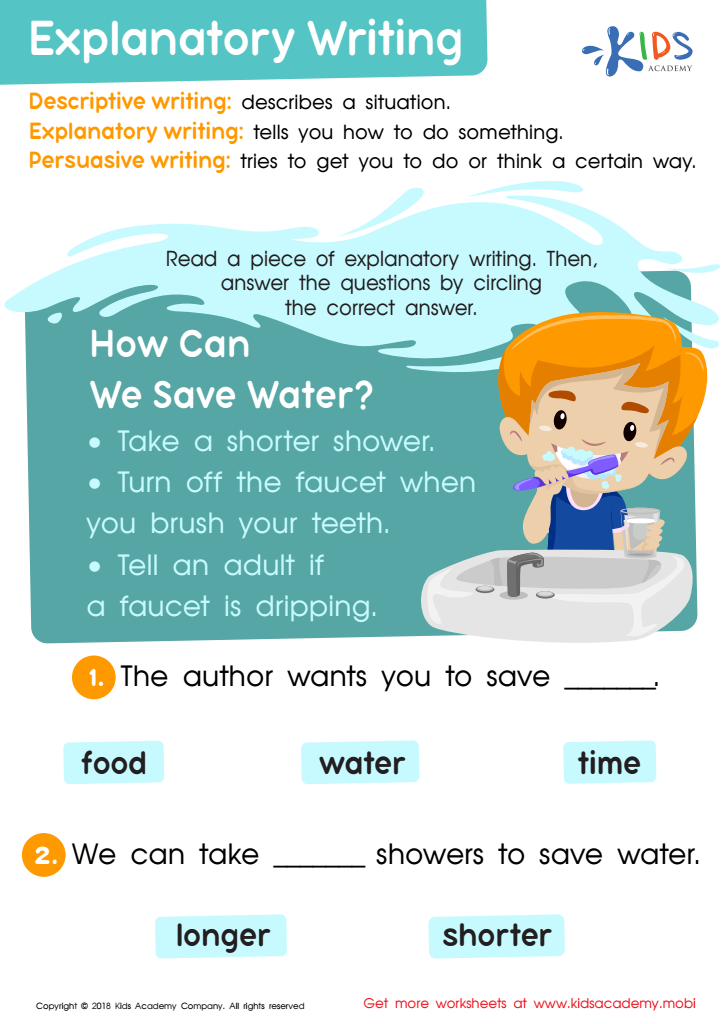
Explanatory Writing Worksheet
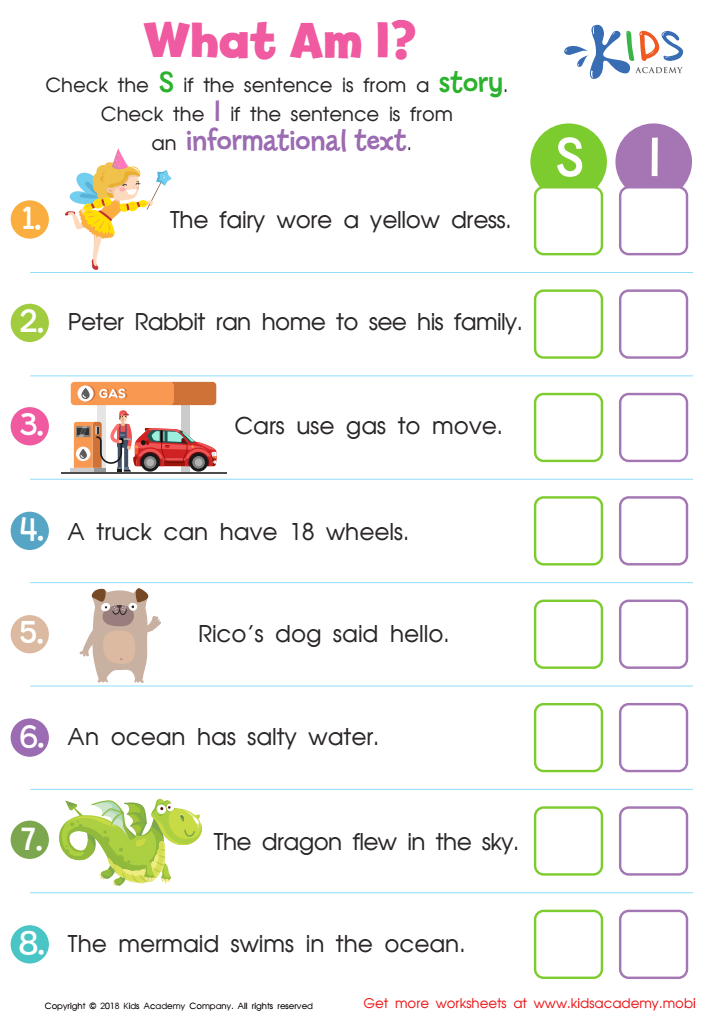
What Am I? Worksheet
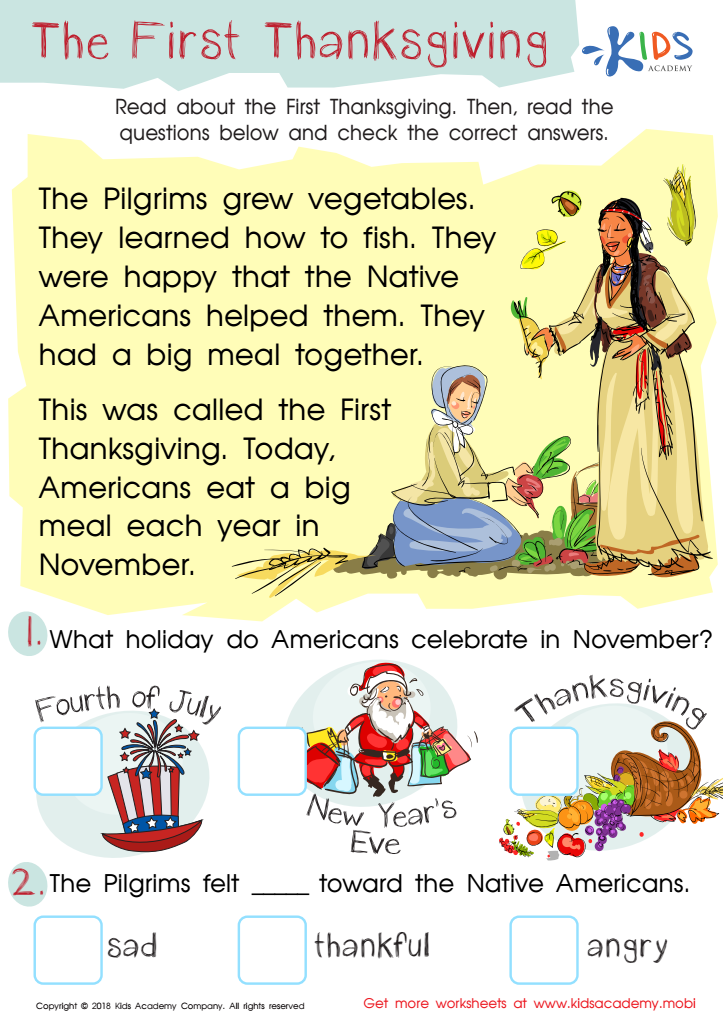
Assessment: First Thanksgiving Worksheet
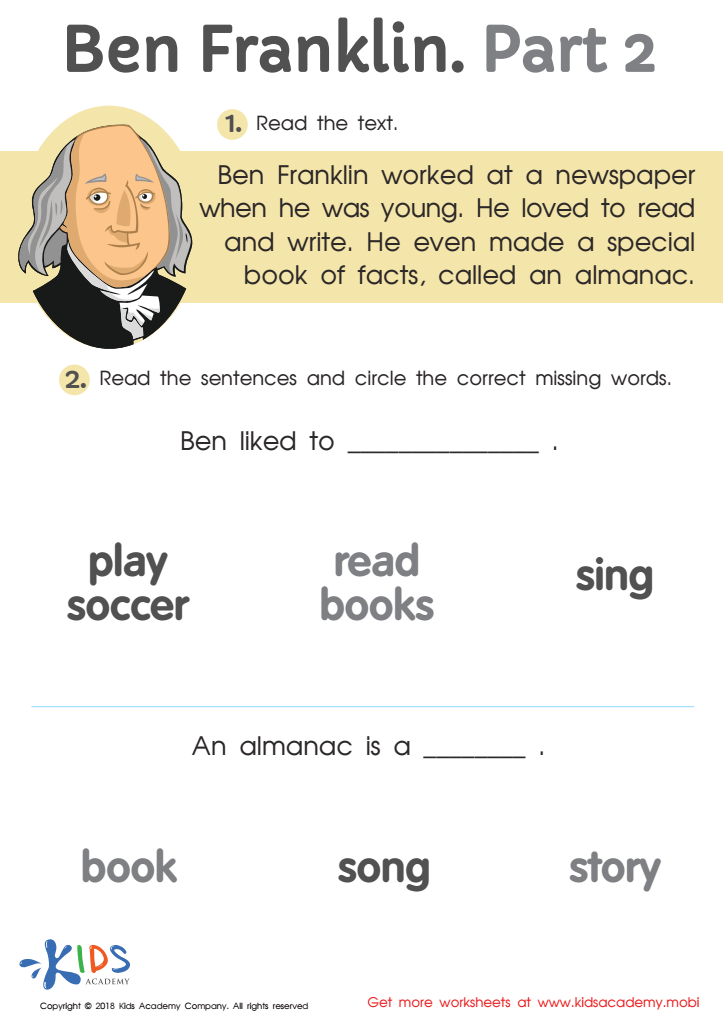
Ben Franklin Part 2 Worksheet








Critical thinking during normal reading of non-fiction for 7-year-olds is essential because it lays the foundation for effective learning and cognitive development. At this age, children are beginning to grasp more complex concepts and are keen to understand the world around them. Non-fiction texts offer a wealth of information and expose young minds to real-world scenarios, enhancing their general knowledge and vocabulary.
Parents and teachers should care about this because critical thinking helps children learn to analyze information, ask pertinent questions, and evaluate evidence before drawing conclusions. These skills are crucial not just academically, but in everyday life as they grow older. Encouraging critical thinking helps children become more independent and self-sufficient learners who don't take information at face value, which is incredibly beneficial in an age where information is easily accessible but not always accurate.
Moreover, normal reading habits foster a love for reading, which has long-term advantages such as improved focus, better communication skills, and enhanced empathy. For young readers, being exposed to well-structured non-fiction provides factual insights and helps them differentiate between fiction and reality. This forms the basis for well-rounded intellectual development, encouraging curiosity and a lifelong passion for learning.