Enhancing observation skills Normal Science Worksheets for 7-Year-Olds
3 filtered results
-
From - To
Enhance your 7-year-olds' observation skills with our engaging Normal Science Worksheets! Designed specifically for young learners, these worksheets nurture curiosity and critical thinking through fun, interactive activities. Children will explore the world around them, enhancing their ability to notice details and draw conclusions. Our thoughtfully crafted lessons encourage a hands-on approach, inviting students to observe, describe, and investigate scientific concepts. With vibrant illustrations and diverse tasks, these worksheets are perfect for both classroom use and at-home learning. Help your child develop essential observation skills that will serve as a strong foundation for future scientific inquiry. Enjoy learning together!
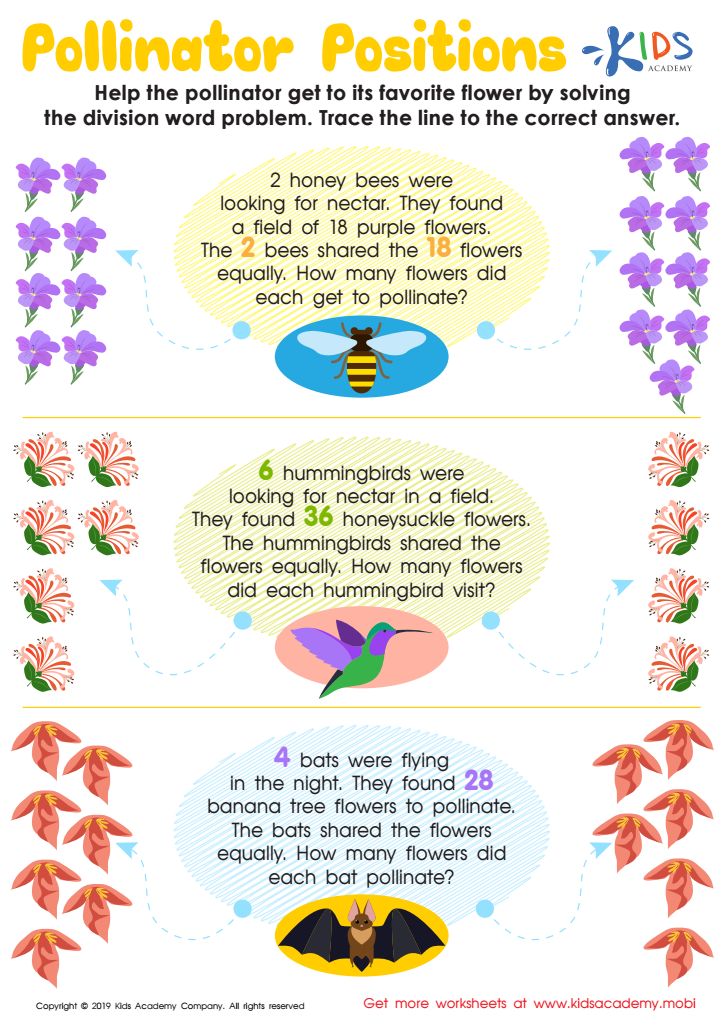
Pollinator Positions Worksheet
 Assign to My Students
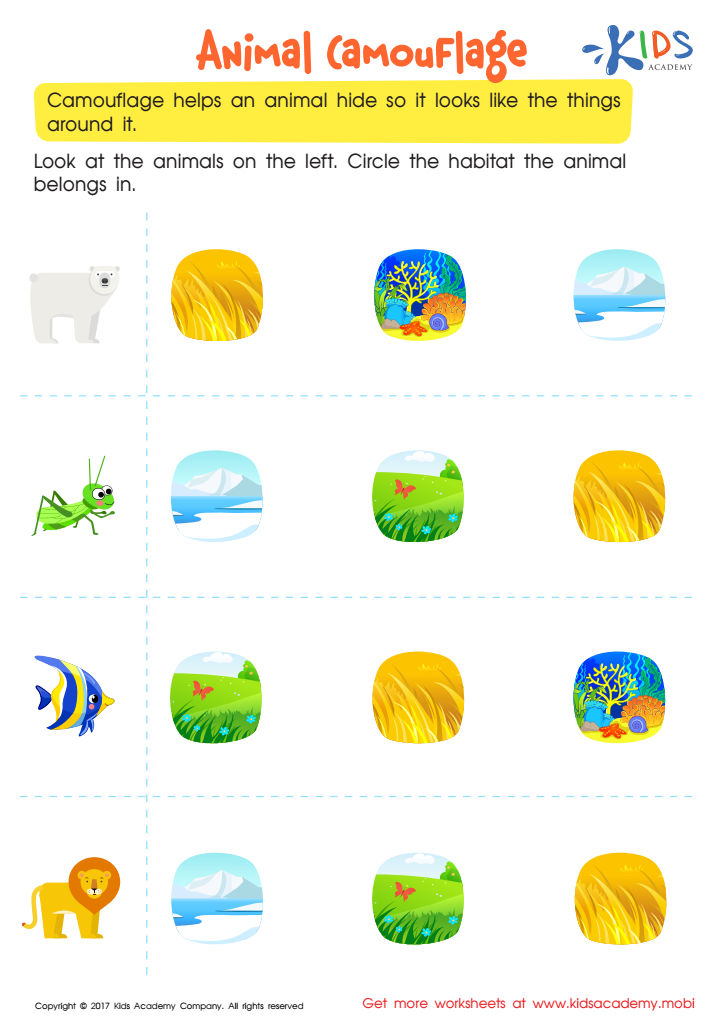
Animal Camouflage Worksheet
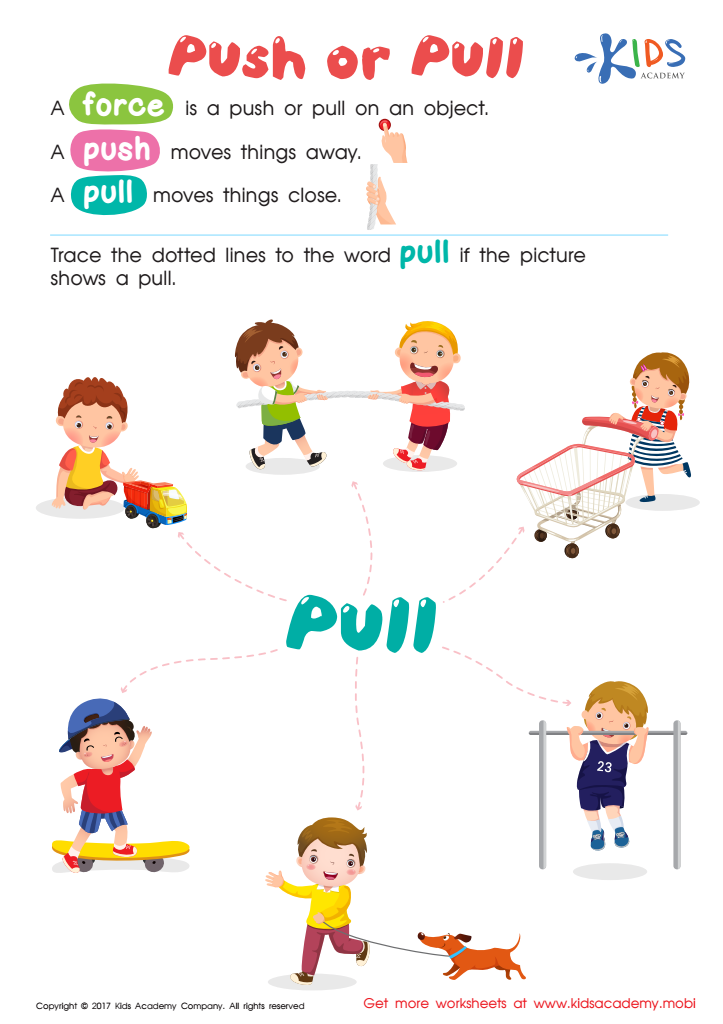
Pull or Push Worksheet


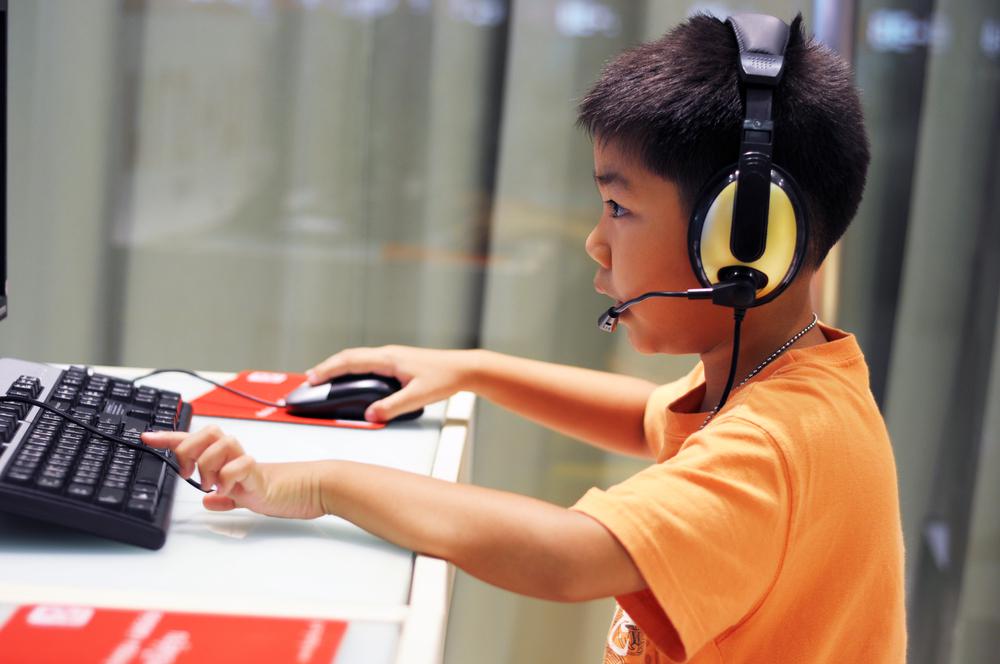



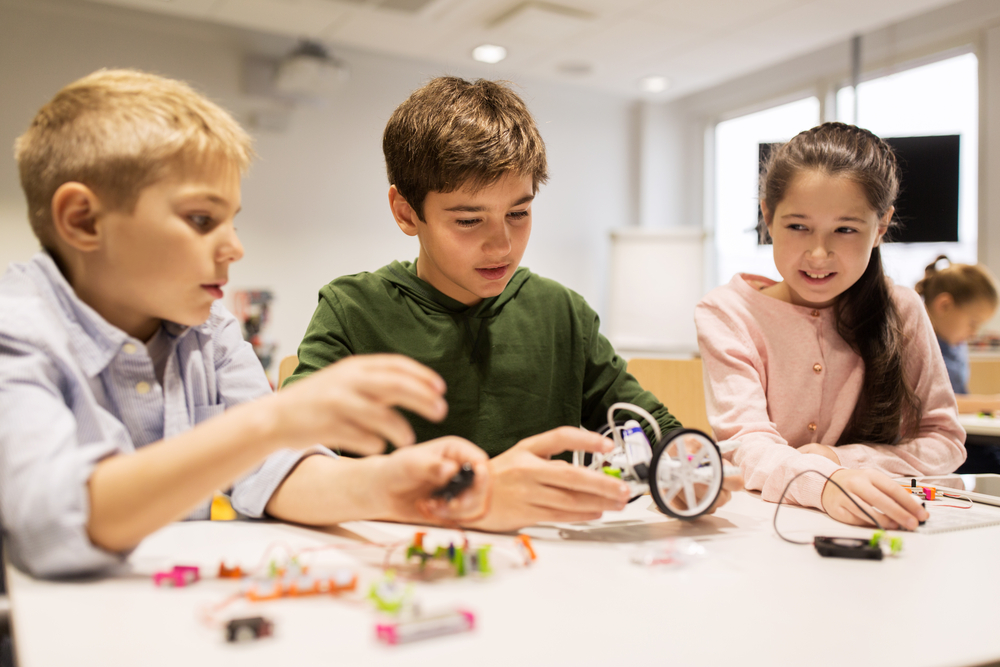
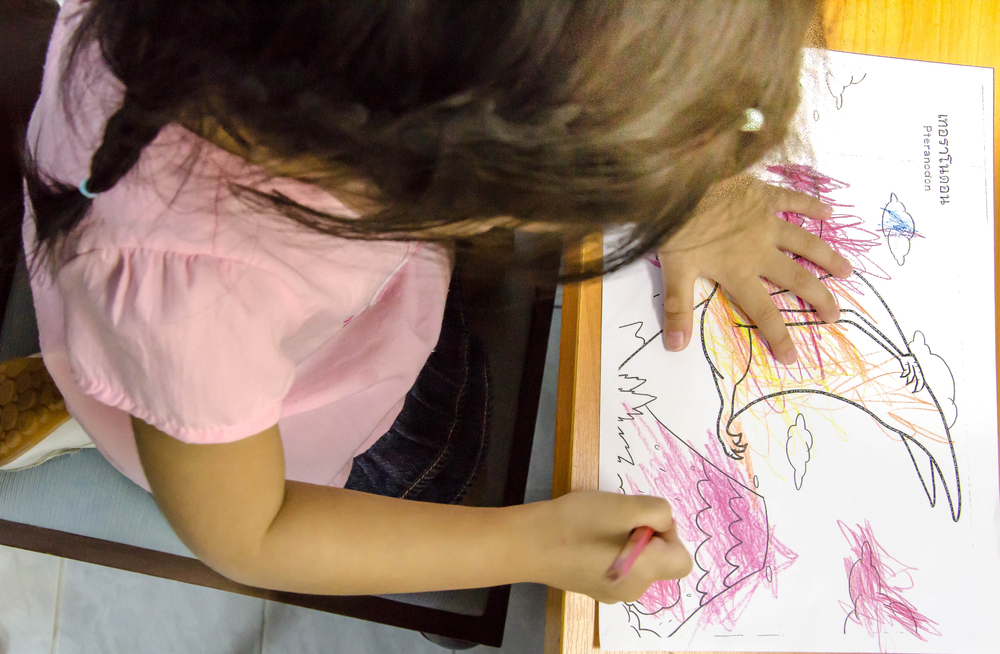
Enhancing observation skills in 7-year-olds is crucial for their development, both academically and socially. At this age, children are naturally curious about the world around them, and fostering strong observation skills allows them to engage more deeply with their environment. For parents and teachers, supporting this development can lead to better critical thinking abilities and problem-solving skills in children.
By teaching children how to observe carefully—whether in nature, during experiments, or within classroom activities—they learn to notice details, identify patterns, and make connections between concepts. This skill is foundational in science, where observation is key to forming hypotheses, conducting experiments, and drawing conclusions. Children with heightened observation skills are more likely to ask insightful questions, participate meaningfully in discussions, and develop a love of learning.
Moreover, enhanced observation skills promote better social interactions. Children learn to read emotional cues and respond appropriately, which fosters empathy and improves communication.
In summary, parents and teachers should prioritize developing observation skills in young learners, as these abilities will serve them well across all subjects and in their interpersonal relationships, laying the groundwork for future success.







