
Understanding life cycles Normal Plants and Animals Worksheets for 7-Year-Olds
3 filtered results
Difficulty Level
Grade
Age
-
From - To
Subject
Activity
Standards
Discover our comprehensive "Understanding Life Cycles: Normal Plants and Animals Worksheets for 7-Year-Olds" at Kids Academy! Designed to captivate young minds, these worksheets offer a deep dive into the fascinating life cycles of various plants and animals, tailored perfectly for second graders. Ideal for both classroom and homeschool settings, each worksheet combines vivid illustrations, engaging activities, and age-appropriate content to foster a love for science and nature. Through interactive exercises, children will master essential learning skills while exploring how plants sprout and animals grow. Download today and inspire budding biologists to uncover the wonders of life cycles!
Favorites
With answer key
Interactive
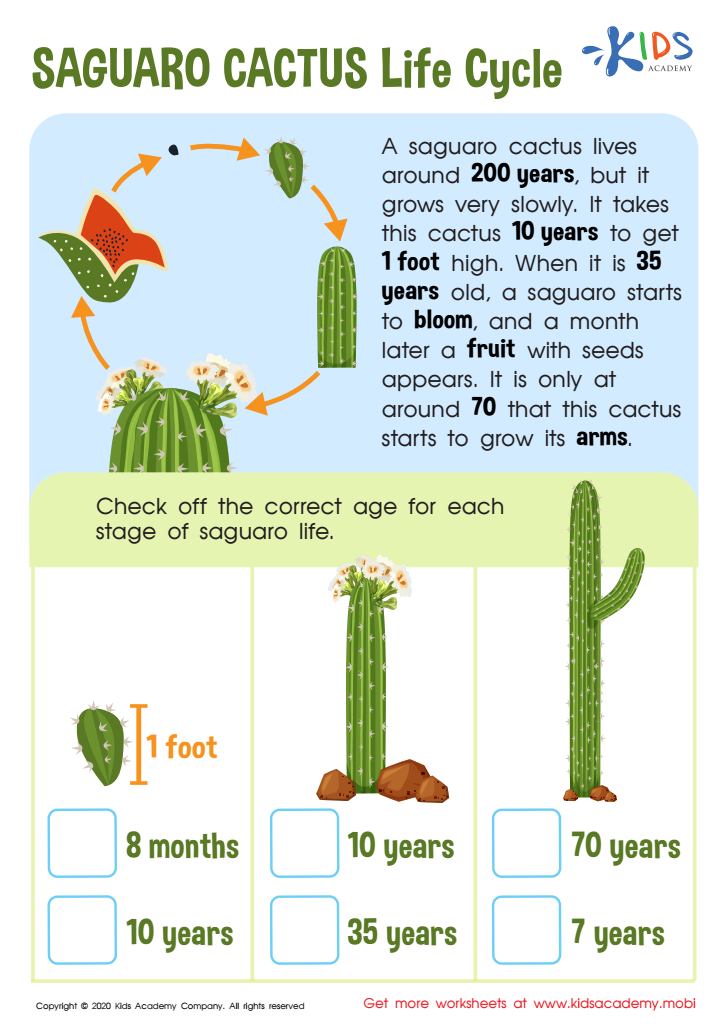
Saguaro Cactus Life Cycle Worksheet
Teach your child about the saguaro cactus, which takes 35 years to bloom and can live up to twice the lifespan of a human! Print this free PDF worksheet to engage learners with an interesting passage. Check off the correct answers to reflect their learning!
 Assign to My Students
Saguaro Cactus Life Cycle Worksheet
Worksheet











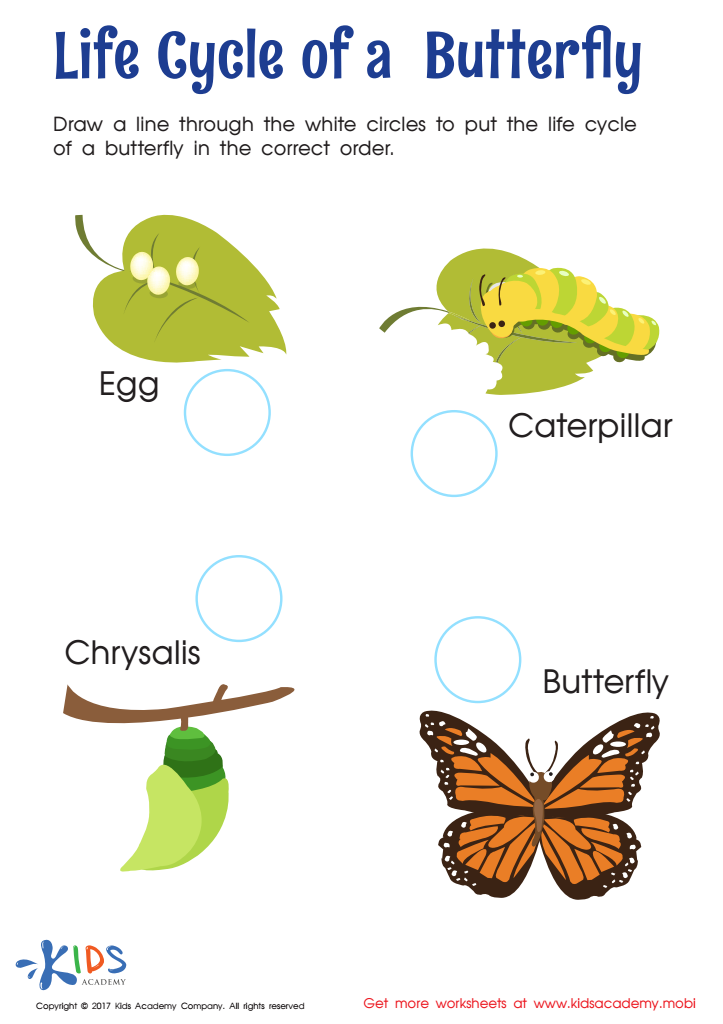
Life Cycle of Butterfly Worksheet
Kids Academy offers an exciting activity – a Life Cycle of a Butterfly Worksheet PDF. It shows four stages in the lifecycle of a butterfly with vivid pictures. Kids put the stages in the correct order to study the lifecycle.
Life Cycle of Butterfly Worksheet
Worksheet
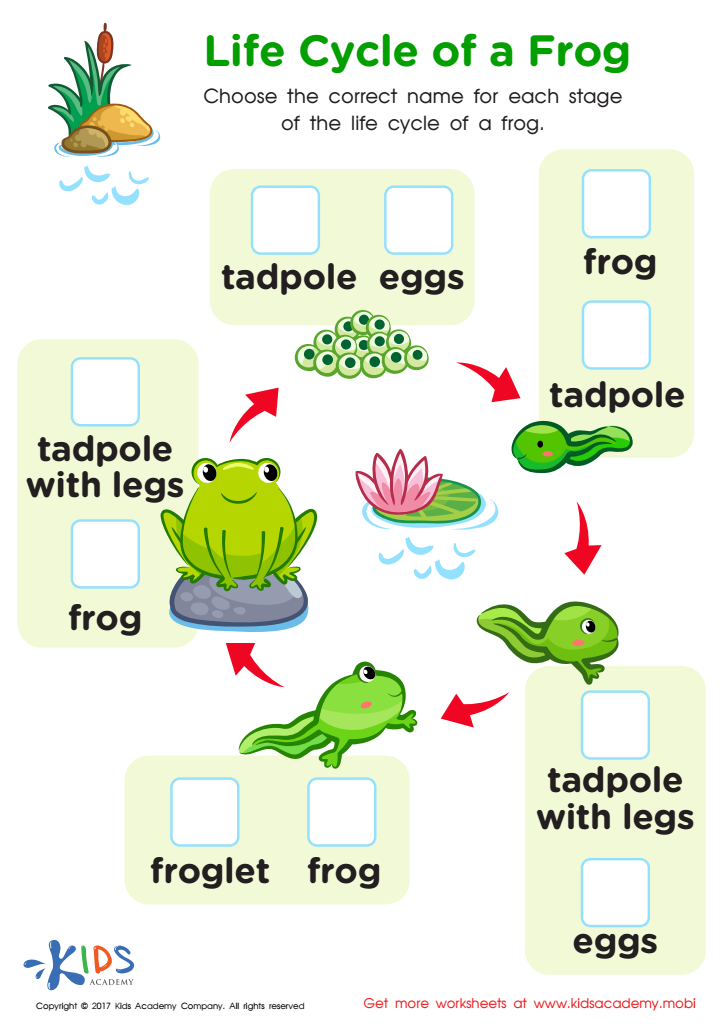
Life Cycle Frog Printable
Kids can explore the life cycle of frog with this fun worksheet! Draw lines from one stage to the next to follow the transformation from tadpole to frog and learn about the cycle of life.
Life Cycle Frog Printable
Worksheet
Join Kids Academy for Free
Who is primarily going to use this learning content?








Understanding life cycles of normal plants and animals is essential for young learners, especially 7-year-olds, as it lays a foundational block in their comprehension of the natural world. Knowing how plants and animals grow and change enhances children’s curiosity and respect for living things. It also fosters environmental stewardship early on.
For parents and teachers, integrating this knowledge into their educational curriculum helps kids connect with nature, encourages responsibility, and nurtures a sense of wonder. By learning about a plant’s journey from seed to bloom or an animal’s progression from birth to adulthood, children grasp basic biological principles, making science approachable and tangible. These lessons also improve observational skills and critical thinking as kids learn to identify different stages and understand the importance of each phase.
Moreover, such knowledge complements other subjects, including literacy, art, and math, through related activities like storytelling, drawing life cycles, or counting stages. Instilling this understanding at a young age builds a foundation for more complex scientific concepts later in education. Additionally, these concepts teach core values such as patience and caring as children observe and support plant growth or pet care, contributing overall to well-rounded personal development.







