Vocabulary development Normal Writing Worksheets for 7-Year-Olds
5 filtered results
-
From - To
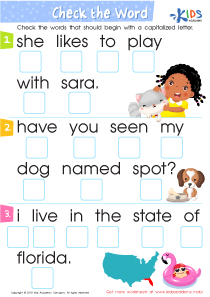
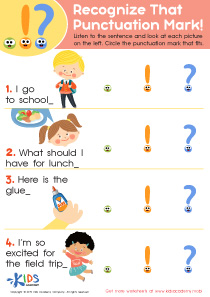
At Kids Academy, our Vocabulary Development Normal Writing Worksheets for 7-Year-Olds are designed to enhance your child's language skills through engaging, age-appropriate activities. Each worksheet focuses on boosting vocabulary and refining writing abilities, providing a blend of fun illustrations and exercises that make learning enjoyable. These printable worksheets help young learners understand word meanings, spelling, and proper usage in sentences, fostering their ability to communicate effectively. Ideal for at-home practice or as supplementary classroom resources, our worksheets are carefully crafted to support the foundational language skills that are essential for a child's academic success.
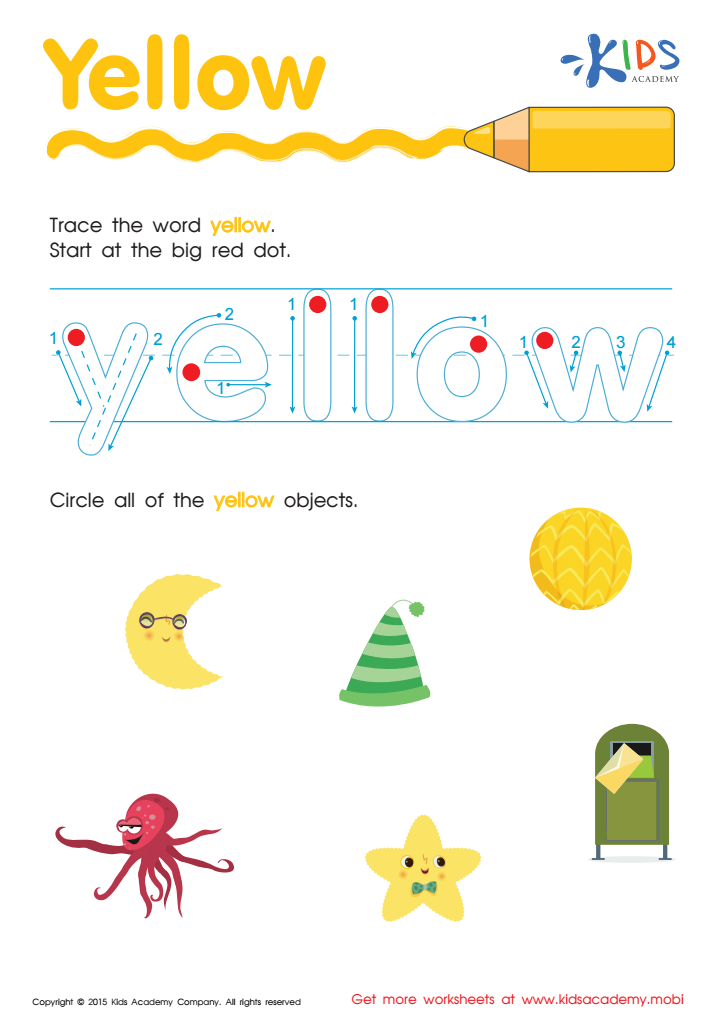
Yellow Tracing Color Words Worksheet
 Assign to My Students
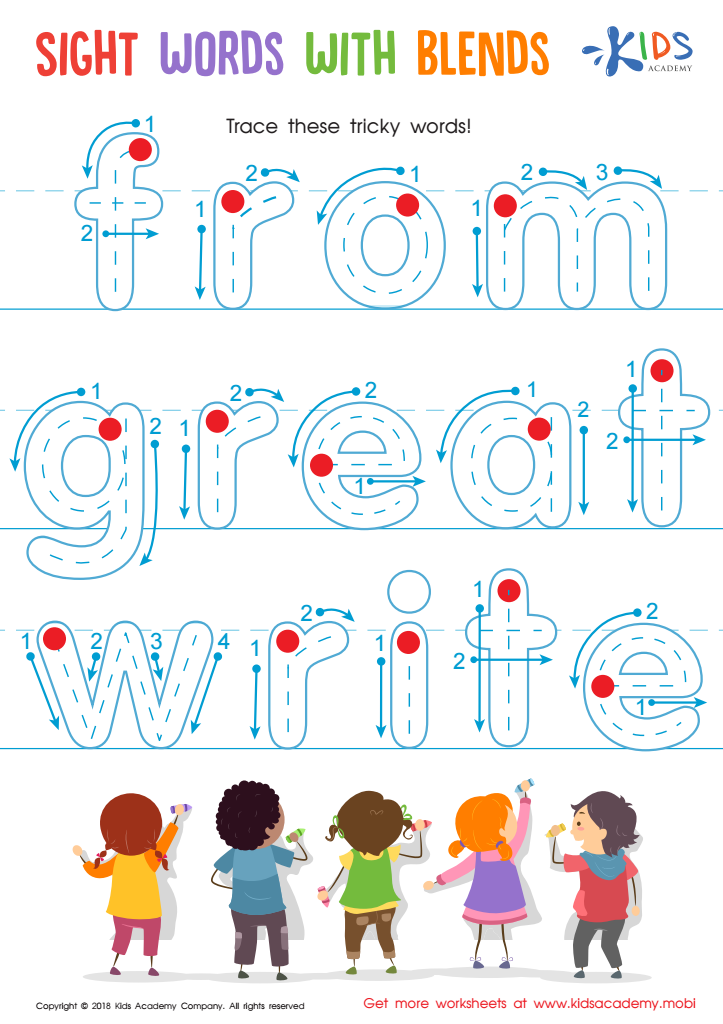
Sight Words with Blends Worksheet
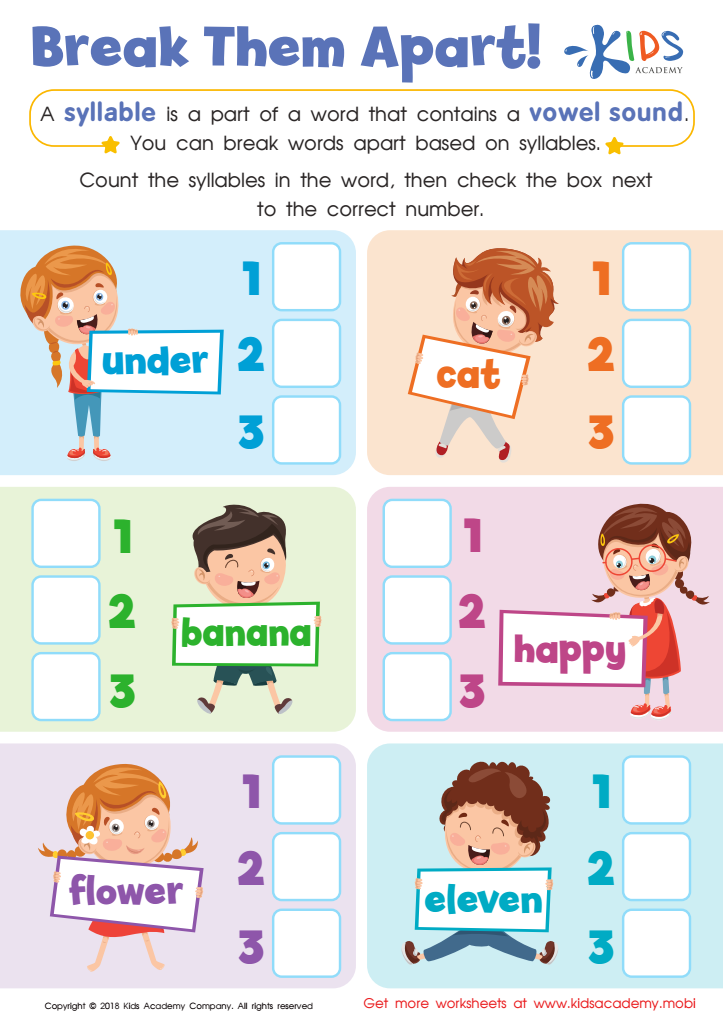
Reading: Break Them Apart Worksheet
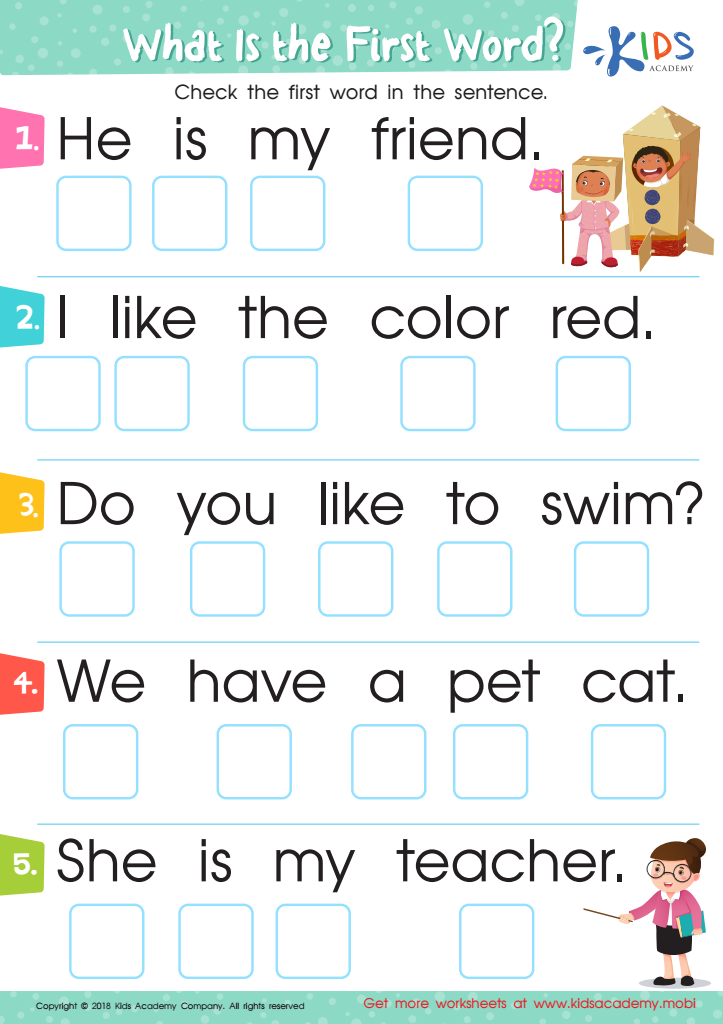
What is the First Word? Worksheet
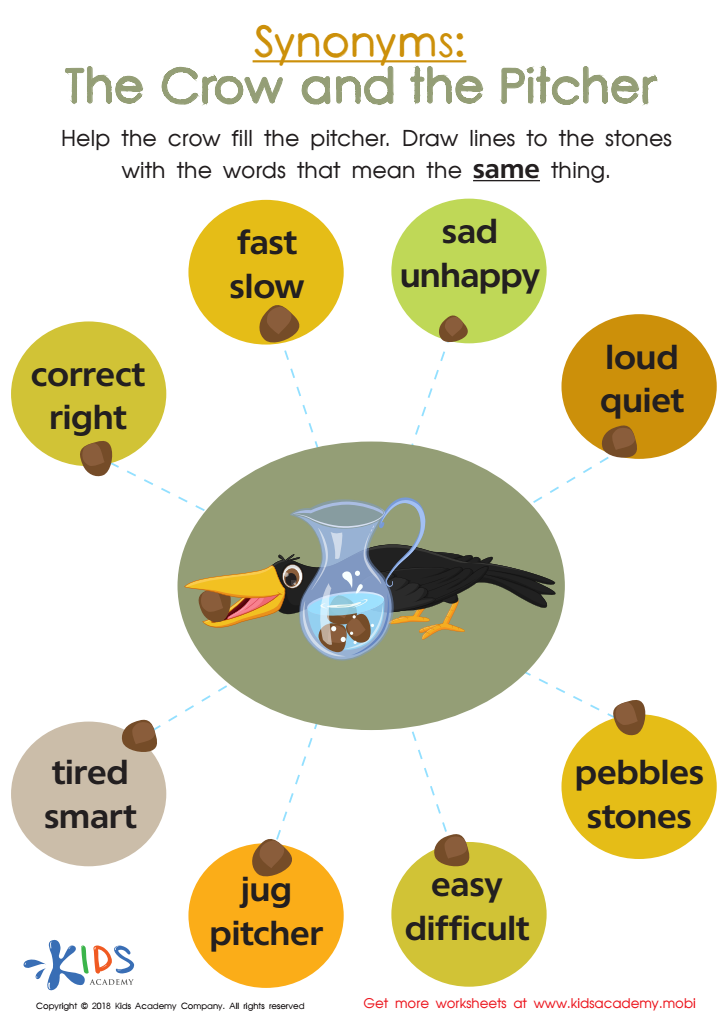
The Crow and the Pitcher Synonyms Worksheet





.jpg)

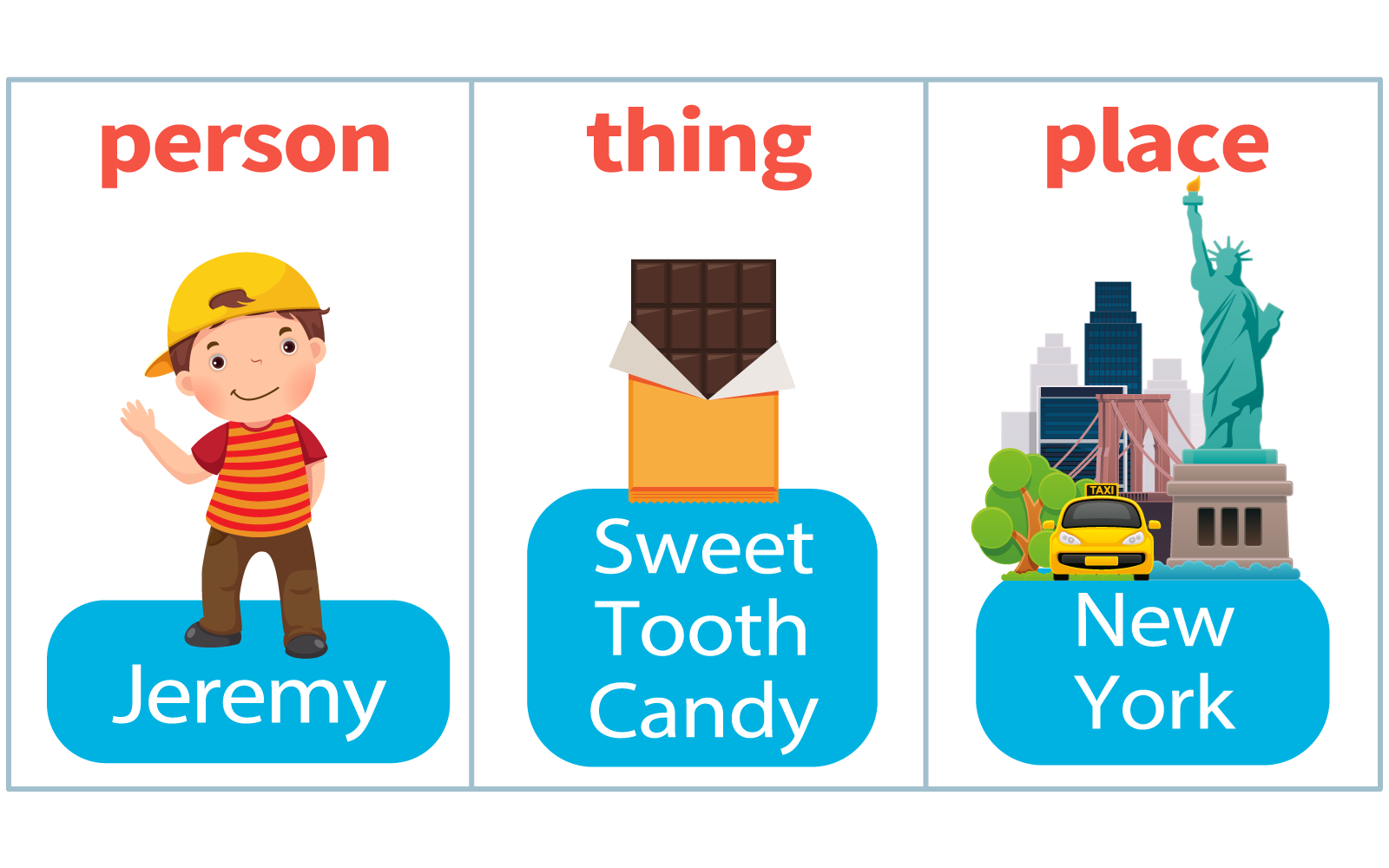
Vocabulary development is crucial for 7-year-olds, and both parents and teachers should prioritize it. A rich vocabulary enhances a child's ability to communicate effectively, express their thoughts and feelings, and understand others. As children encounter new words, they become more capable of describing their experiences and engaging in meaningful conversations, which is essential for social interaction and building relationships.
Moreover, vocabulary development plays a significant role in reading comprehension. When children recognize and understand more words, they can better grasp the meaning of the text, making reading a more enjoyable and less frustrating experience. This boosts their confidence and fosters a love of reading, which is linked to academic success across various subjects.
In addition, a robust vocabulary is key to overall cognitive development. It aids in critical thinking, problem-solving, and learning new concepts. Children with a well-developed vocabulary are often better at following instructions, participating in classroom discussions, and performing well in tests.
Parents and teachers can support vocabulary growth through conversations, reading together, and introducing new words in context. Engaging children with diverse and rich language experiences builds a foundation for lifelong learning and success. Therefore, focusing on vocabulary development is not just about language skills—it’s about empowering children to thrive academically, socially, and emotionally.