Hand-eye Coordination Normal Alphabet Worksheets for Ages 8-9
6 filtered results
-
From - To
Enhance your child's hand-eye coordination with our engaging Normal Alphabet Worksheets, specifically designed for ages 8-9. These worksheets incorporate fun activities that blend learning the alphabet with developing essential motor skills. Children will enjoy tracing letters, matching uppercase and lowercase forms, and completing interactive tasks that promote coordination. Our expertly crafted worksheets encourage creativity and retention, making learning enjoyable. Perfect for home or classroom use, these resources support cognitive development while reinforcing literacy skills. Parents and educators can easily access and print these worksheets, ensuring kids remain engaged and motivated in their learning journey. Try them today to foster both skill and confidence!
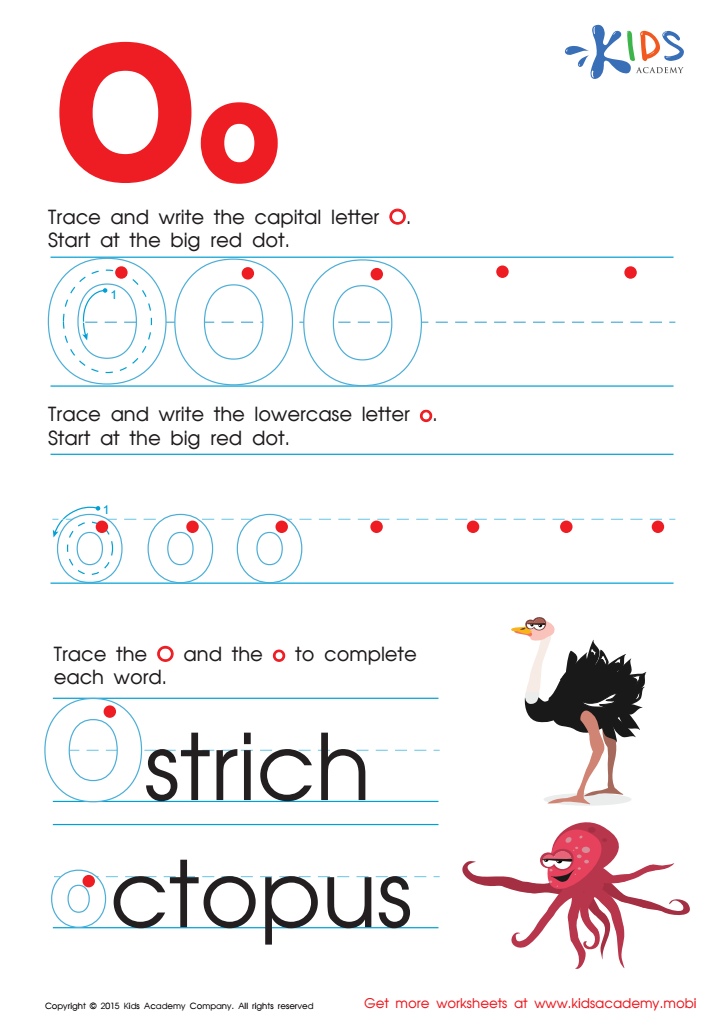
Letter O Tracing Page
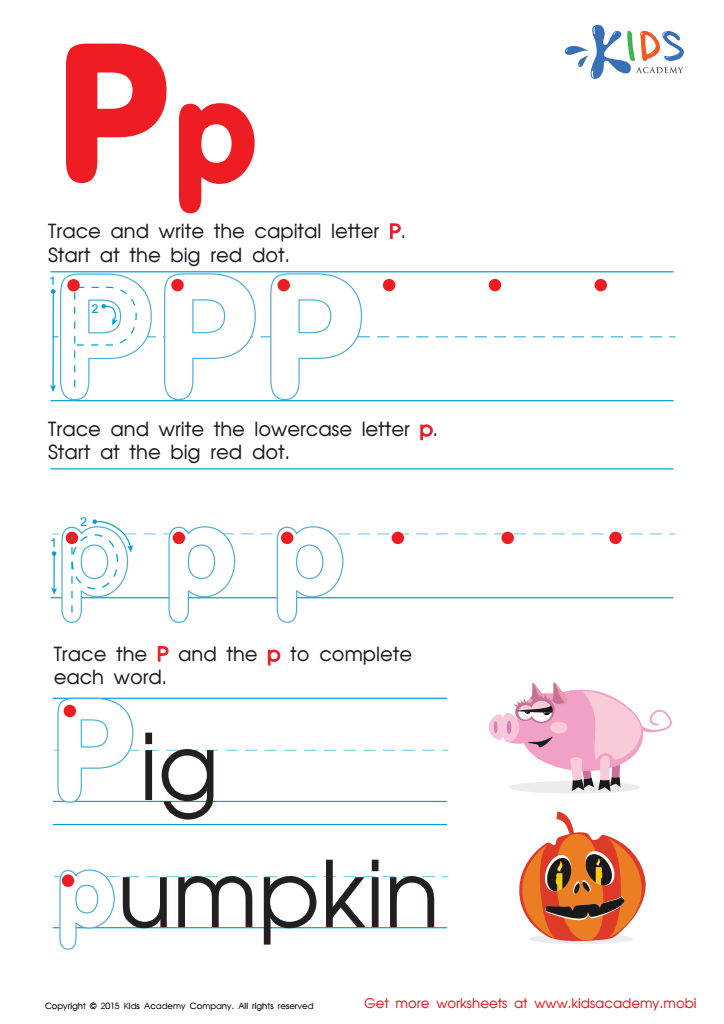
Letter P Tracing Page
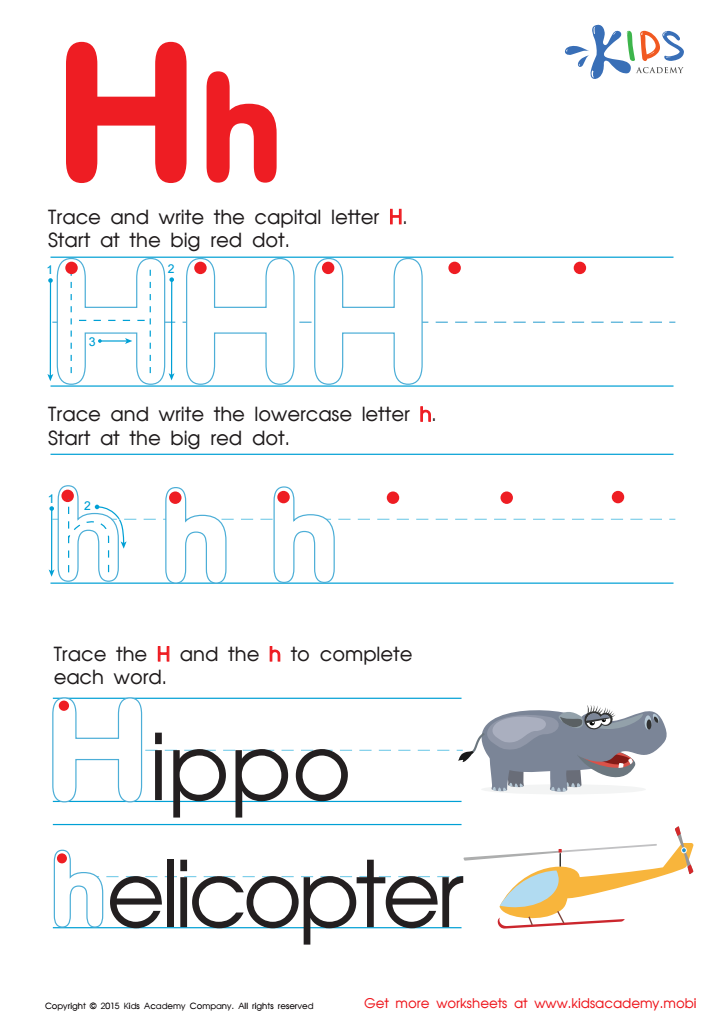
Letter H Tracing Page
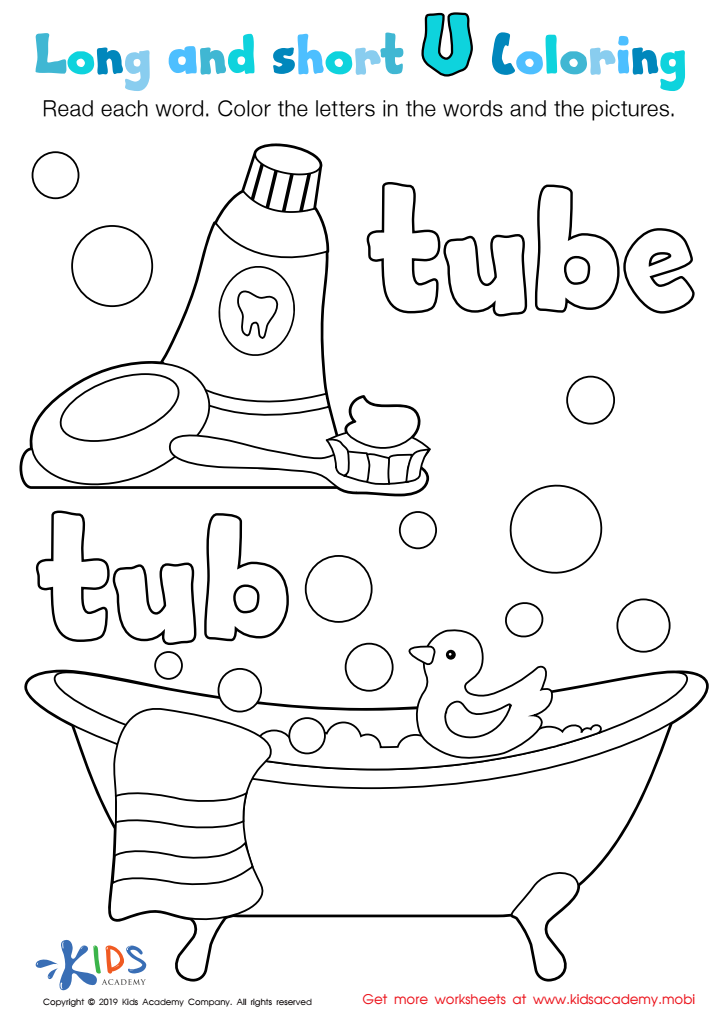
Long and Short U Worksheet
 Assign to My Students

Long and Short E Worksheet
Assign to My Students

Letter D Tracing Page








Hand-eye coordination is crucial for children aged 8-9 as it significantly impacts their ability to interact with and navigate the world around them. At this developmental stage, kids are refining their motor skills, which are essential for various academic and recreational activities. Proficient hand-eye coordination contributes to improved handwriting, allowing them to express their ideas clearly on paper. It also enhances their performance in sports, fostering teamwork and physical health.
Parents and teachers should care about developing these skills because they not only influence academic success and physical capabilities but also boost children's confidence and self-esteem. Activities that encourage hand-eye coordination, such as playing ball games, crafting, or using interactive games and puzzles, can be integrated seamlessly into home and classroom settings. By cultivating these skills early on, parents and educators can support children’s overall development, keeping them engaged and motivated in both learning and play.
Moreover, strong hand-eye coordination requirandum, like the use of technology for many children at this age, can equip them for future challenges in a rapidly advancing digital world. Hence, emphasizing this fundamental skill is critical for providing children with a solid foundation for lifelong learning and personal growth.







