Motor skills development Normal Alphabet Worksheets for Ages 8-9
3 filtered results
-
From - To
Welcome to our "Motor Skills Development Normal Alphabet Worksheets for Ages 8-9"! These engaging worksheets are designed to enhance your child's fine motor skills while mastering the alphabet. Perfect for home or classroom use, these printable activities focus on improving hand coordination, dexterity, and and penmanship through fun exercises. Children will trace, write, and color letters, helping to reinforce their understanding of the alphabet in an enjoyable way. Encourage creativity and boost confidence as your child develops essential skills that will benefit their writing and academic journey. Explore our diverse selection today and watch your child's motor skills blossom!
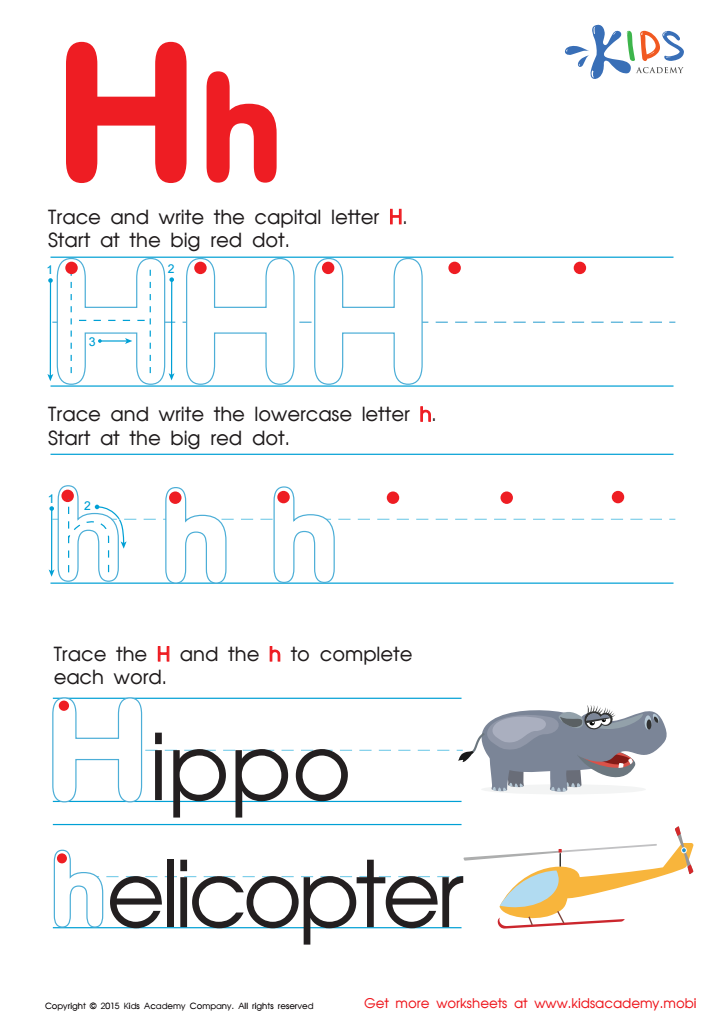
Letter H Tracing Page
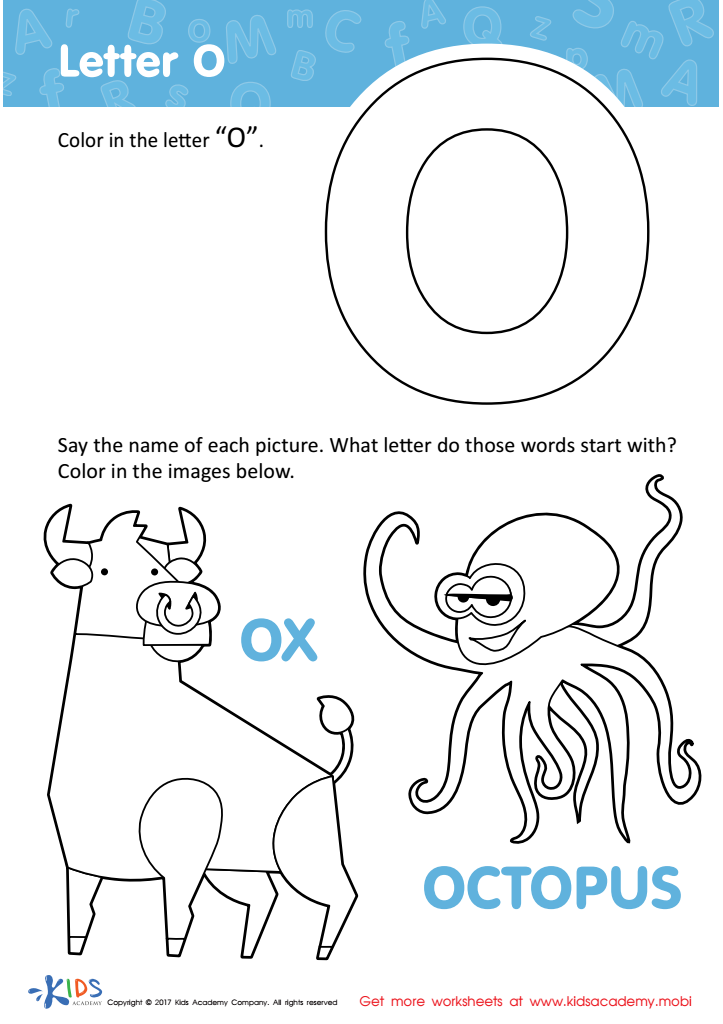
Letter O Coloring Sheet
 Assign to My Students
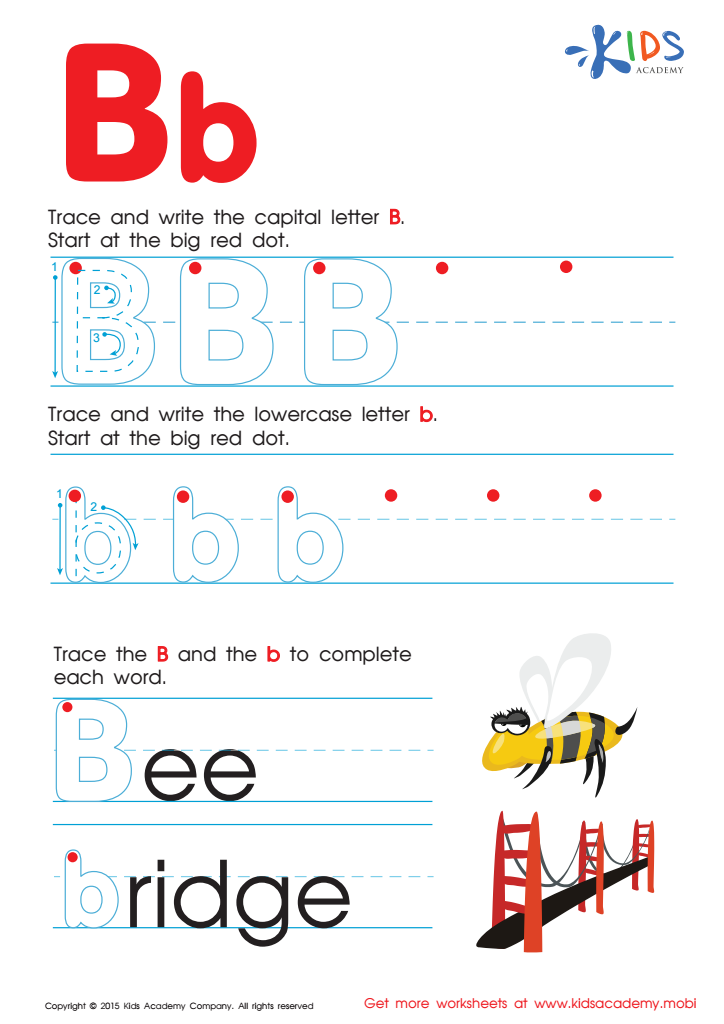
Letter B Tracing Page








Motor skills development is crucial for children aged 8-9, as it encompasses both fine and gross motor skills that are essential for everyday tasks and overall growth. For parents and teachers, understanding the significance of this developmental stage can greatly influence a child's confidence and academic performance.
By this age, children are expected to perform more complex physical activities, from writing clearly to participating in sports. Fine motor skills, such as hand-eye coordination, are essential for writing, drawing, and playing musical instruments. Poor development in these areas can lead to frustration and impact a child's self-esteem.
Gross motor skills are equally important, as they enable children to engage in physical activities, which promote health and social interaction. These skills help in developing teamwork and leadership qualities during sports or group games.
Monitoring and supporting motor skills development through creative activities like arts and crafts, physical play, and coordinated games can lead to a more engaged and confident child. By encouraging practice and providing opportunities, parents and teachers are helping to lay a foundation for a child's academic achievements and everyday success, fostering a lifelong love for physical activity and learning.







