Hand-eye Coordination Normal Letter Recognition Worksheets for Ages 8-9
4 filtered results
-
From - To
Enhance your child's learning experience with our Hand-eye Coordination Normal Letter Recognition Worksheets specifically designed for ages 8-9. These engaging worksheets focus on developing essential skills, combining hand-eye coordination with letter recognition to foster both cognitive and fine motor abilities. Each activity encourages fun, interactive learning through tracing, coloring, and matching letters, allowing children to build their confidence and proficiency in recognizing the alphabet. Perfect for at-home practice or classroom use, these worksheets align with educational standards, ensuring your young learner stays engaged while mastering key literacy skills. Download and watch your child's skills blossom today!
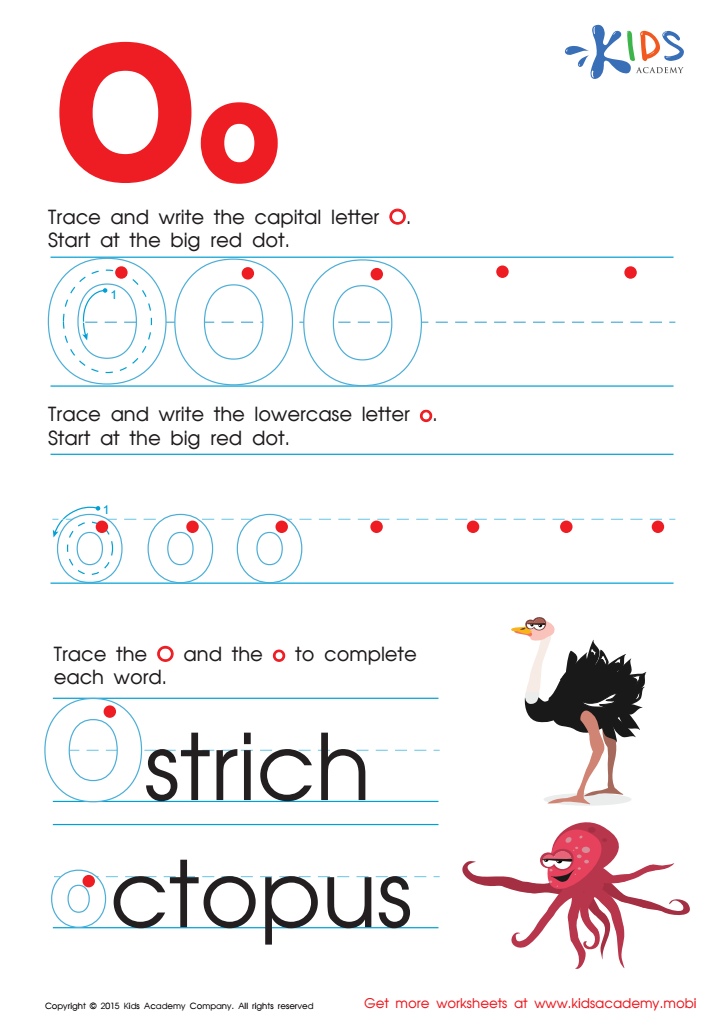
Letter O Tracing Page
 Assign to My Students
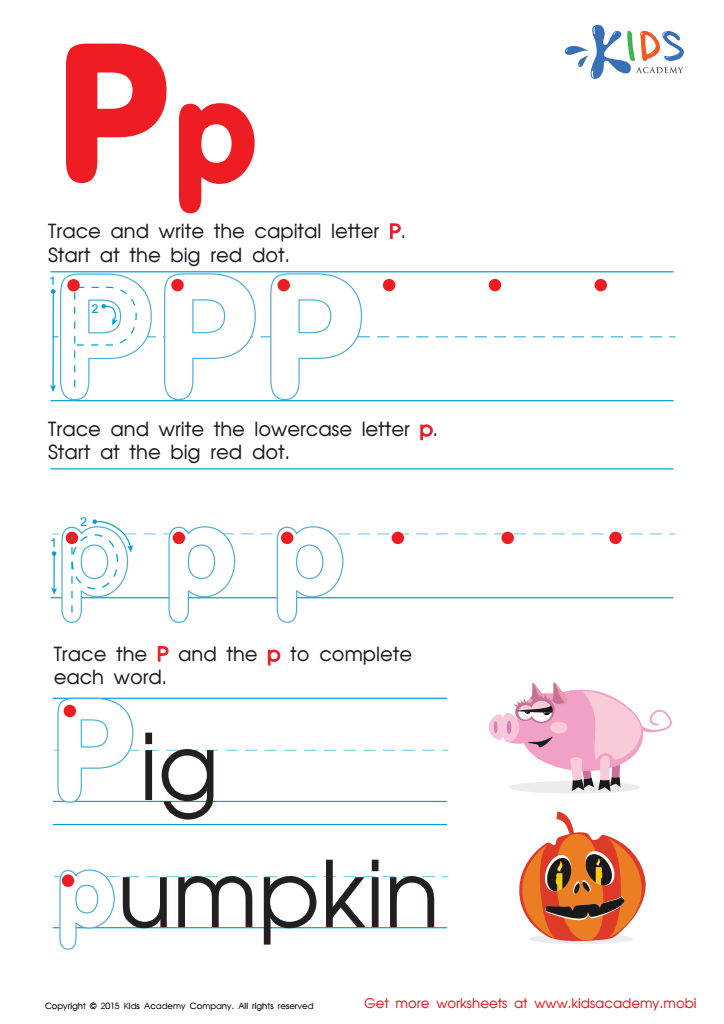
Letter P Tracing Page
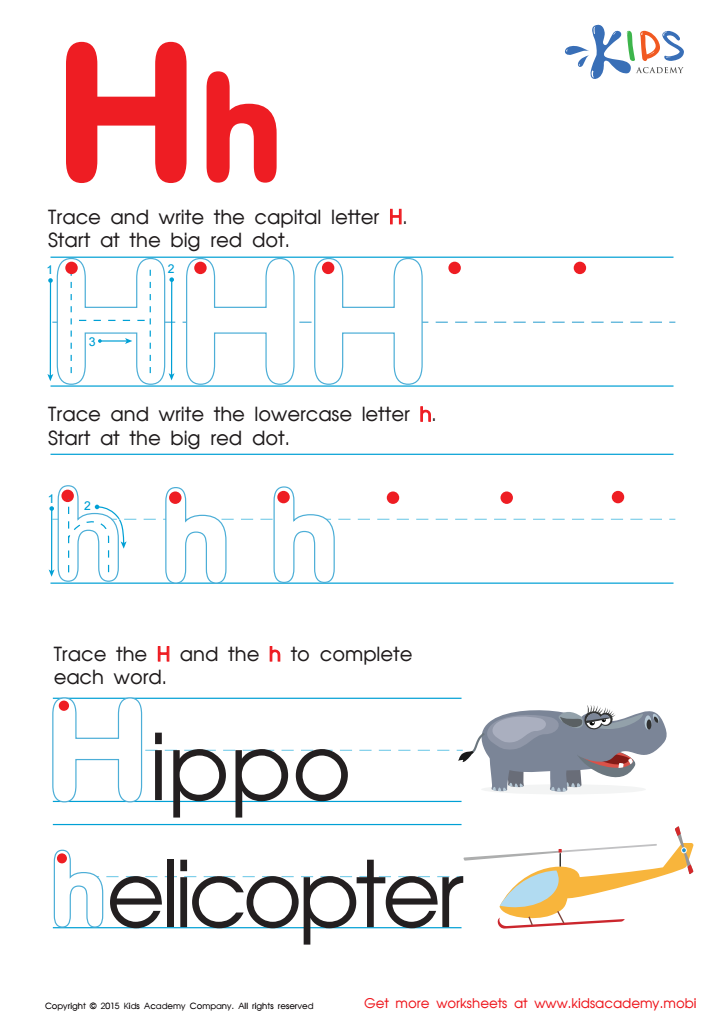
Letter H Tracing Page
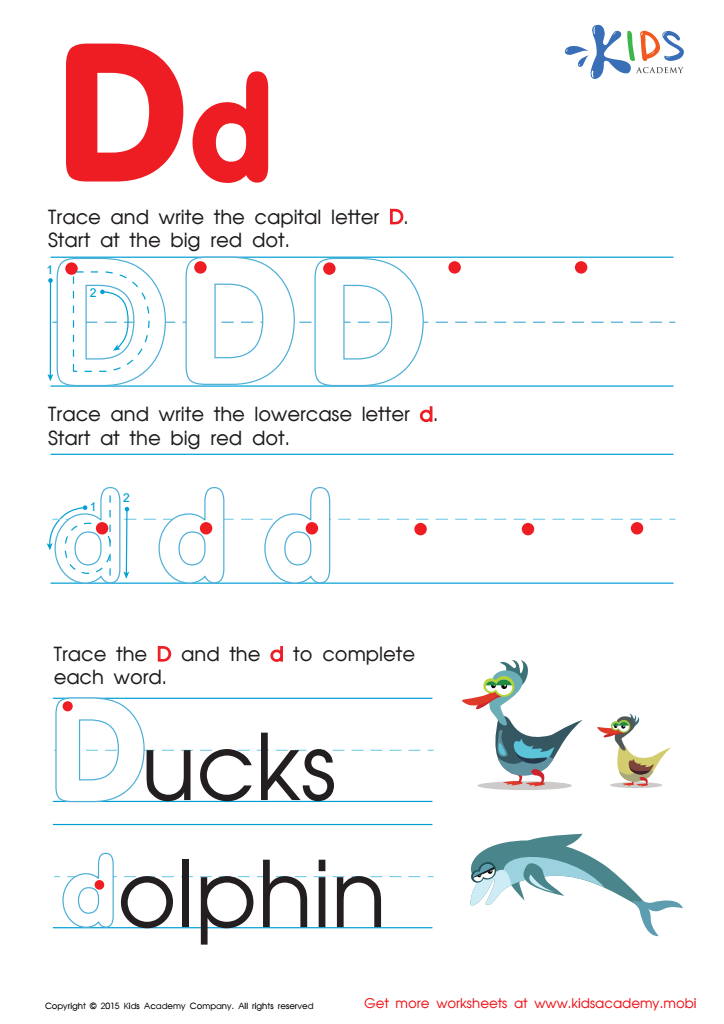
Letter D Tracing Page








Hand-eye coordination and letter recognition are crucial skills for children aged 8-9, as they serve as foundational elements for various academic and developmental milestones. At this age, kids are progressing toward more complex literacy tasks, so proficient hand-eye coordination supports their ability to write, draw, and engage in precise activities like cutting and pasting. Improved hand-eye coordination enhances their writing skills, resulting in clearer handwriting and more cohesive sentence structure, contributing to their overall academic success.
Normal letter recognition is equally vital since it helps children decode words when reading and facilitates spelling efforts when writing. Children who struggle with letter recognition may find reading difficulties that can impact their self-esteem and motivation to learn. Early intervention can ensure that these skills are nurtured effectively, allowing kids to enjoy reading and express themselves better.
Teachers and parents can engage in fun activities—like games, mindfulness exercises, or arts and crafts—to boost these skills. Investing effort in enhancing hand-eye coordination and letter recognition at this critical developmental stage sets children up for future academic successes and supports their lifelong learning journey. Thus, it’s essential for adults to prioritize and encourage these skills to foster confident, competent learners.








