Letter recognition Normal Letter Recognition Worksheets for Ages 8-9
15 filtered results
-
From - To
Enhance your child's letter recognition skills with our engaging Normal Letter Recognition Worksheets, designed specifically for ages 8-9. These worksheets provide fun and interactive activities that help young learners identify, differentiate, and strengthen their understanding of both uppercase and lowercase letters. Perfect for reinforcing classroom learning at home, our age-appropriate worksheets cater to various learning styles, ensuring that each child gains confidence in their letter mastery. With colorful visuals and exciting exercises, students will enjoy improving their literacy skills while having fun. Explore our collection today and set the foundation for successful reading and writing!
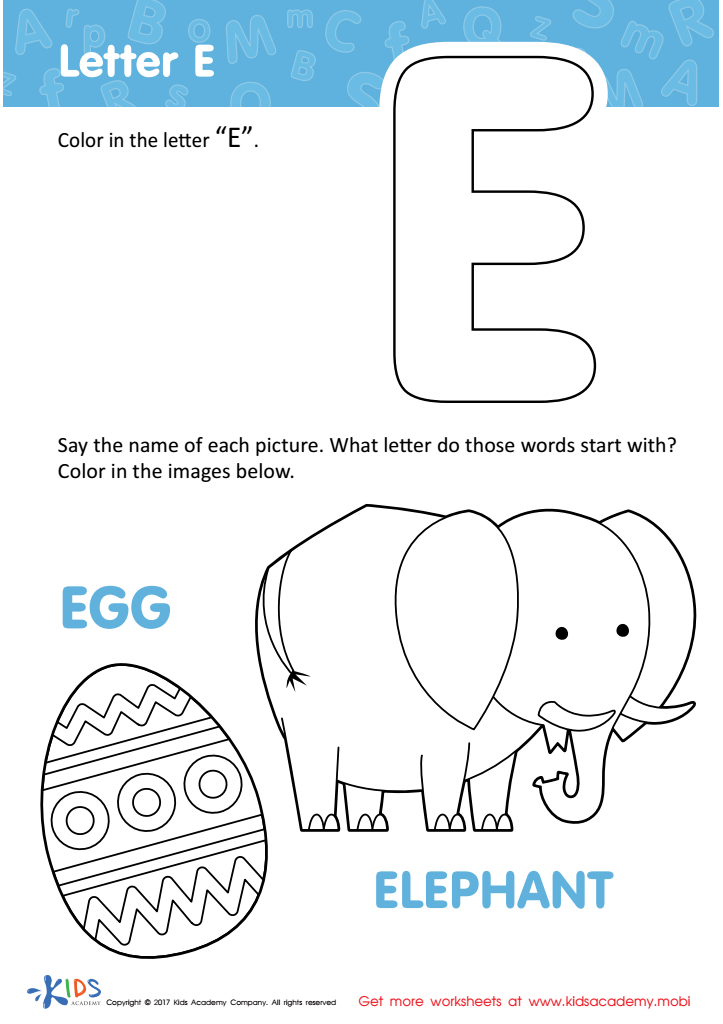
Letter E Coloring Sheet
 Assign to My Students
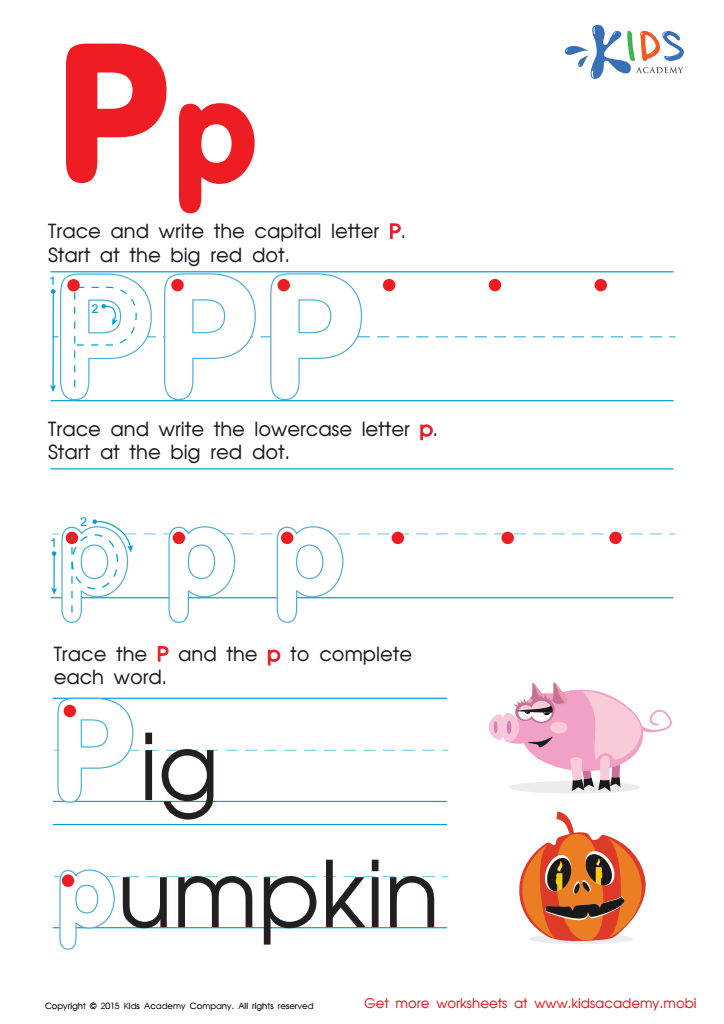
Letter P Tracing Page
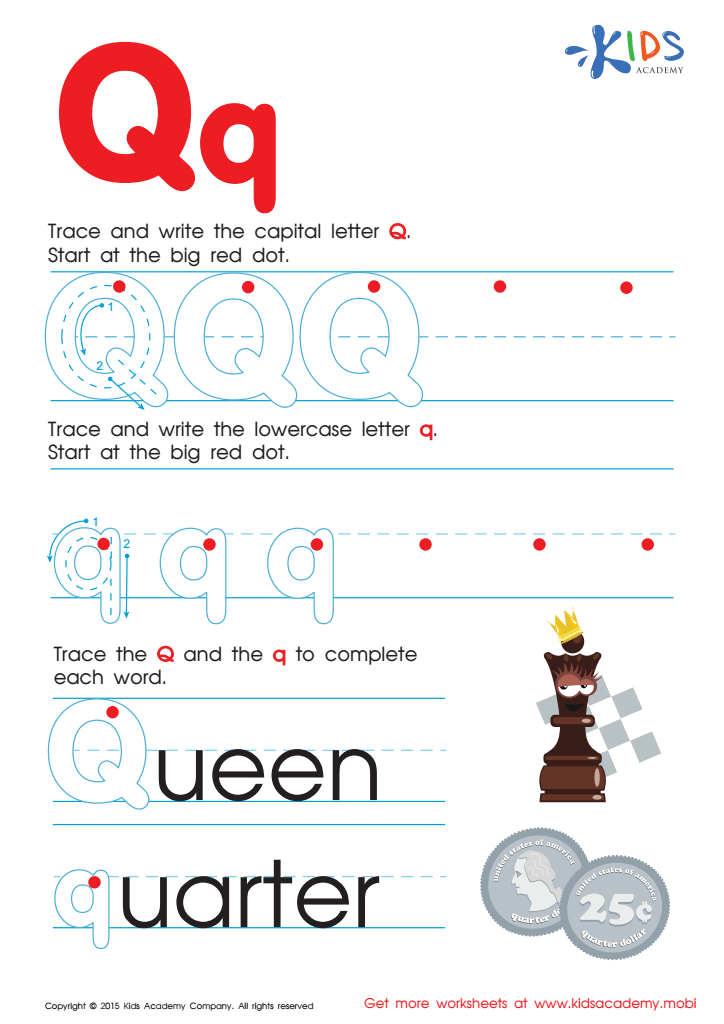
Letter Q Tracing Page
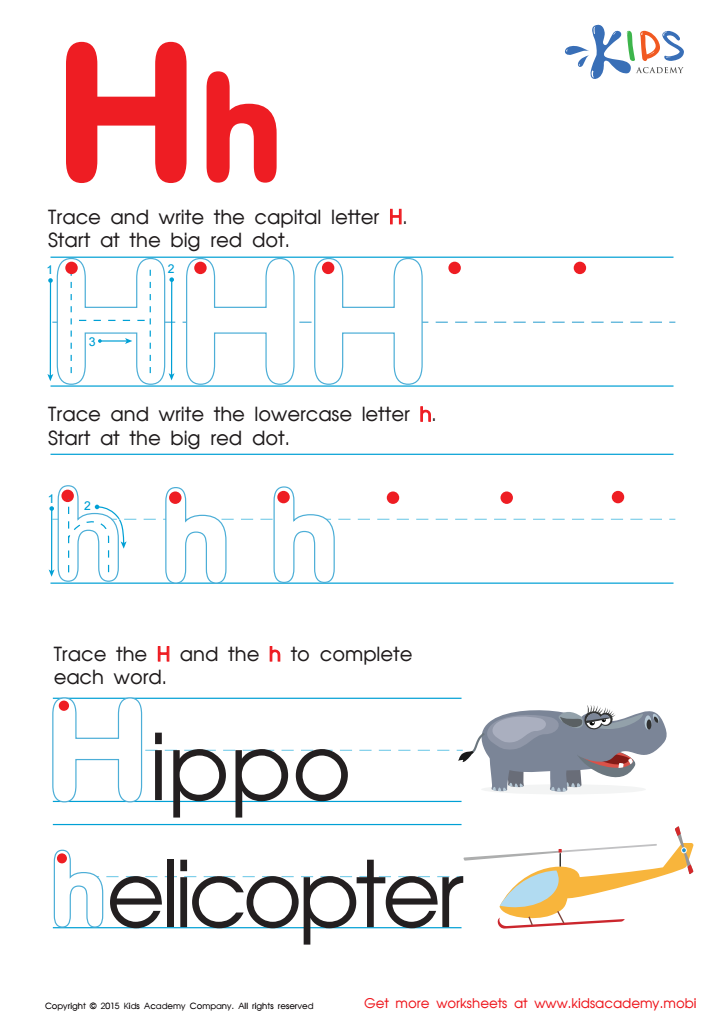
Letter H Tracing Page
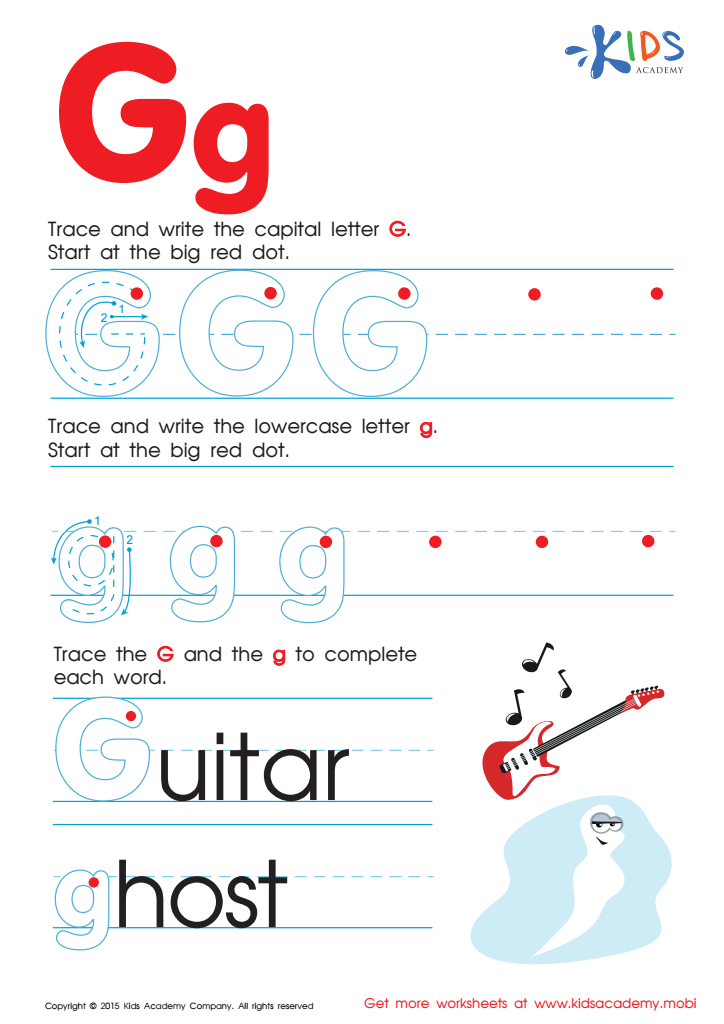
Letter G Tracing Page
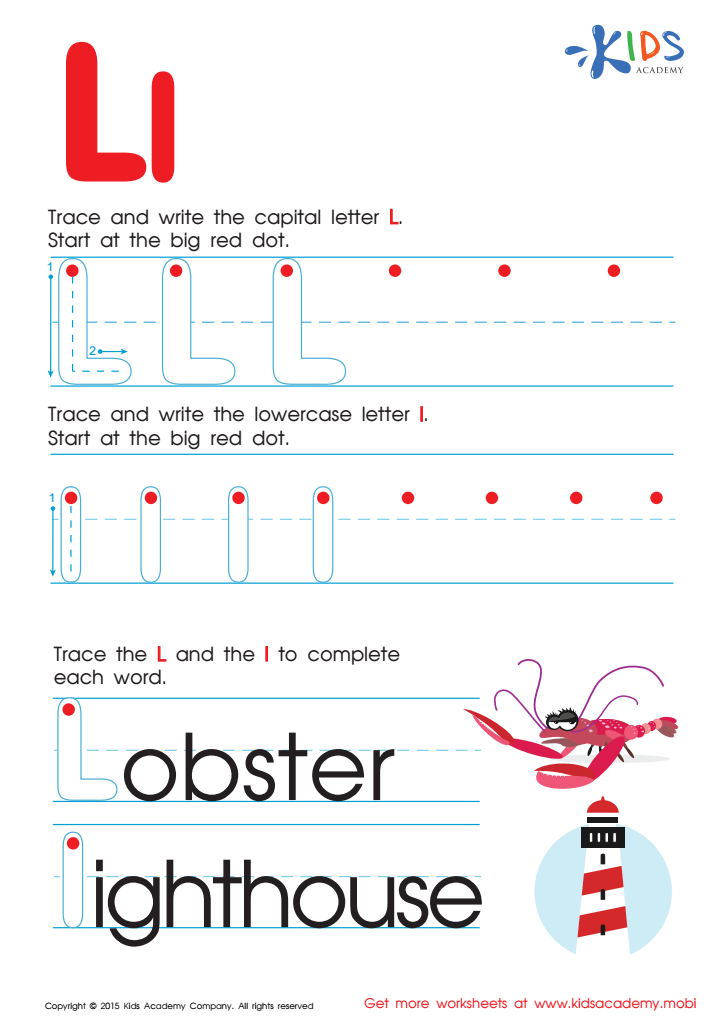
Letter L Tracing Page
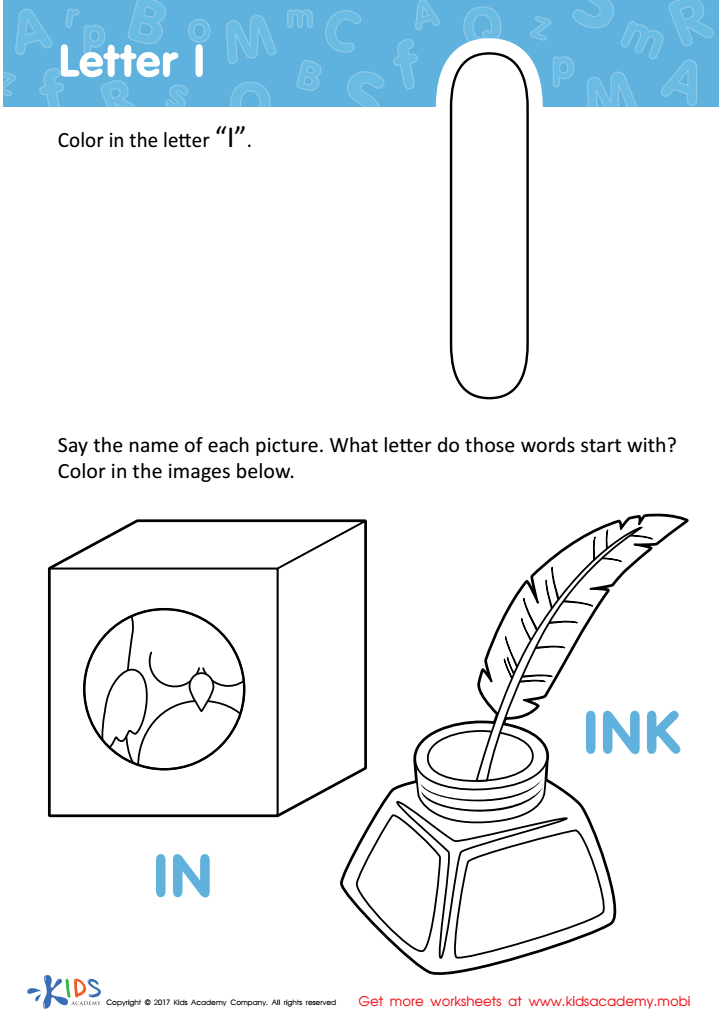
Letter I Coloring Sheet
Assign to My Students
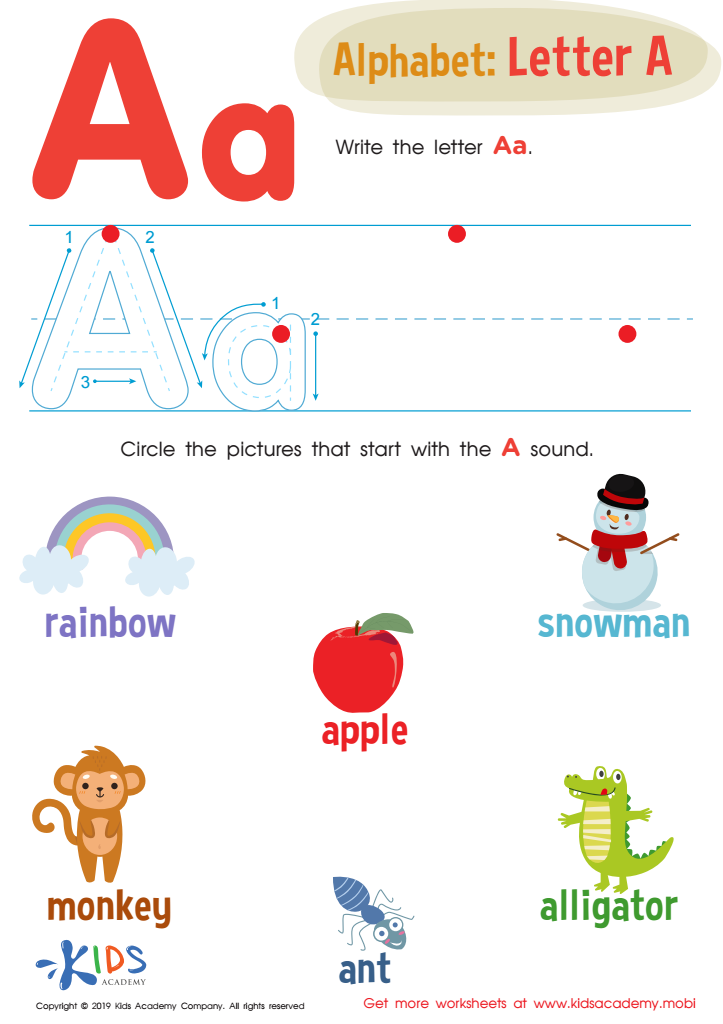
Letter A Tracing Worksheet
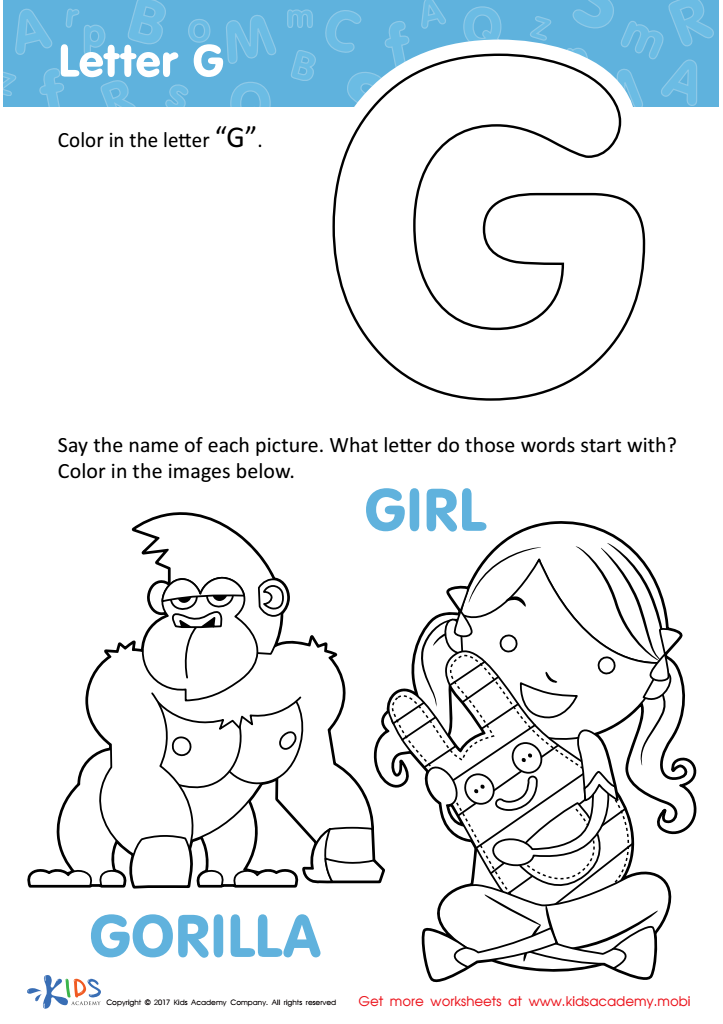
Letter G Coloring Sheet
Assign to My Students
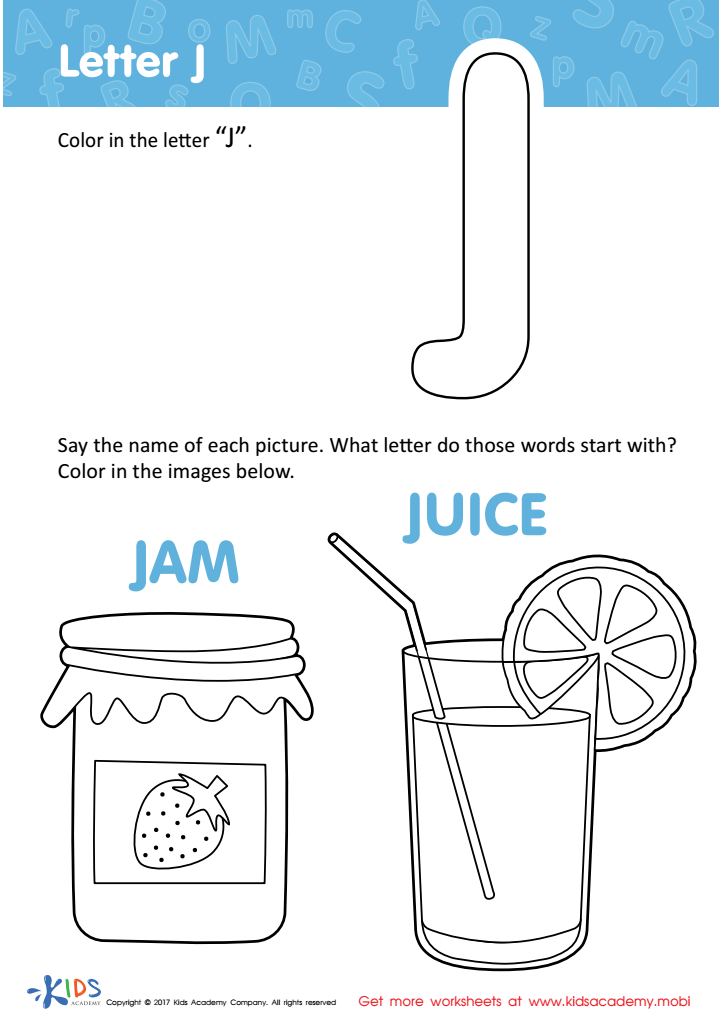
Letter J Coloring Sheet
Assign to My Students
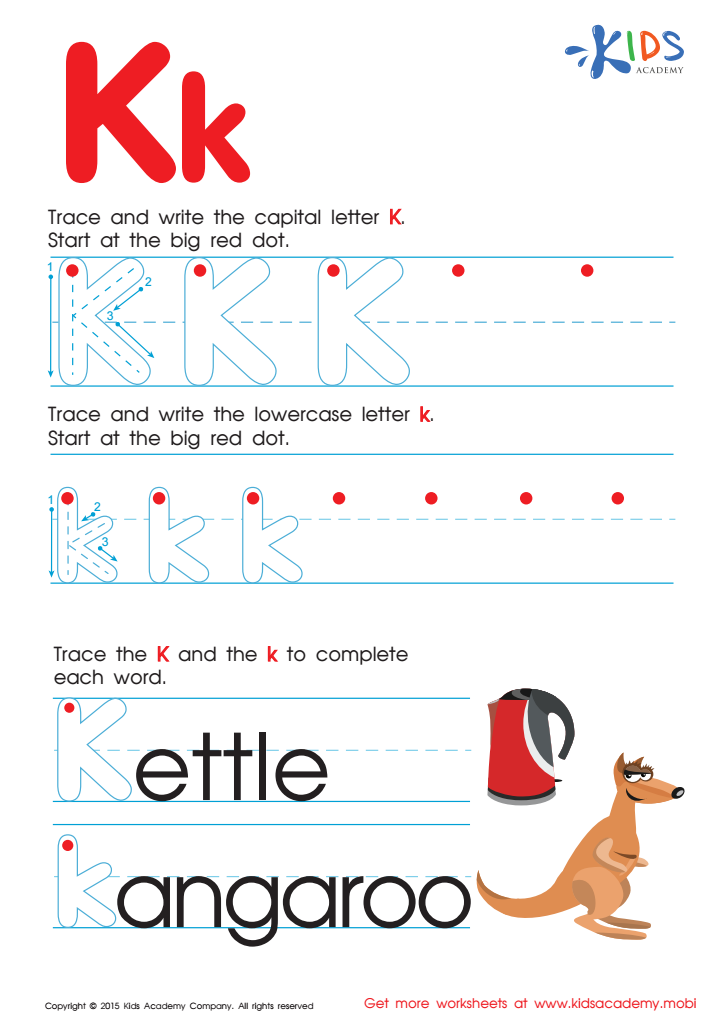
Letter K Tracing Page
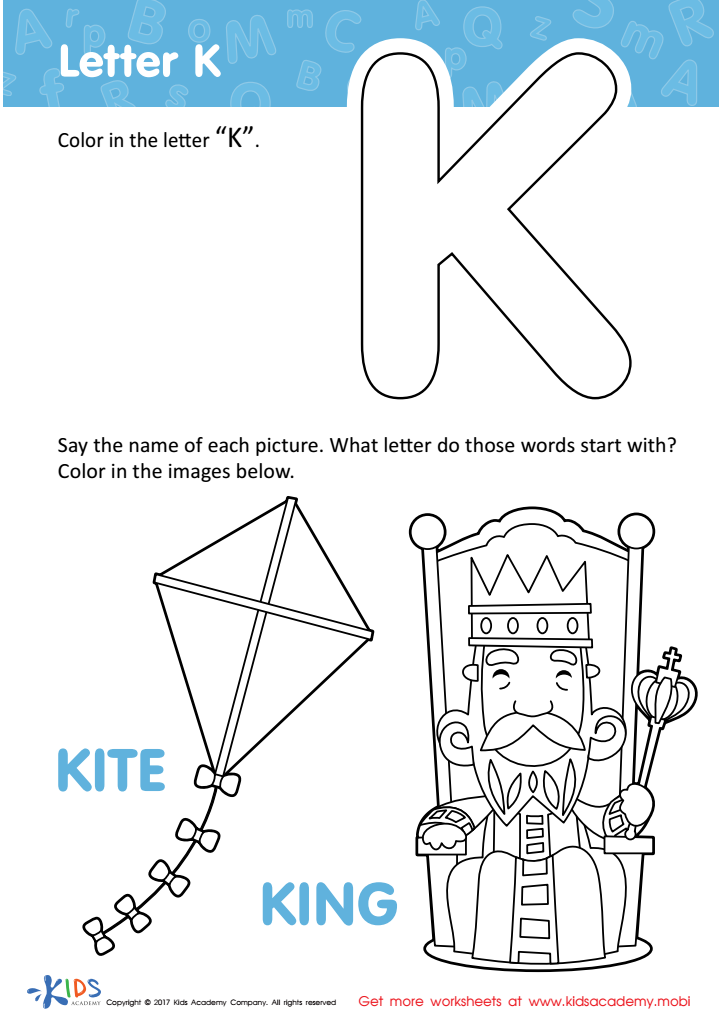
Letter K Coloring Sheet
Assign to My Students
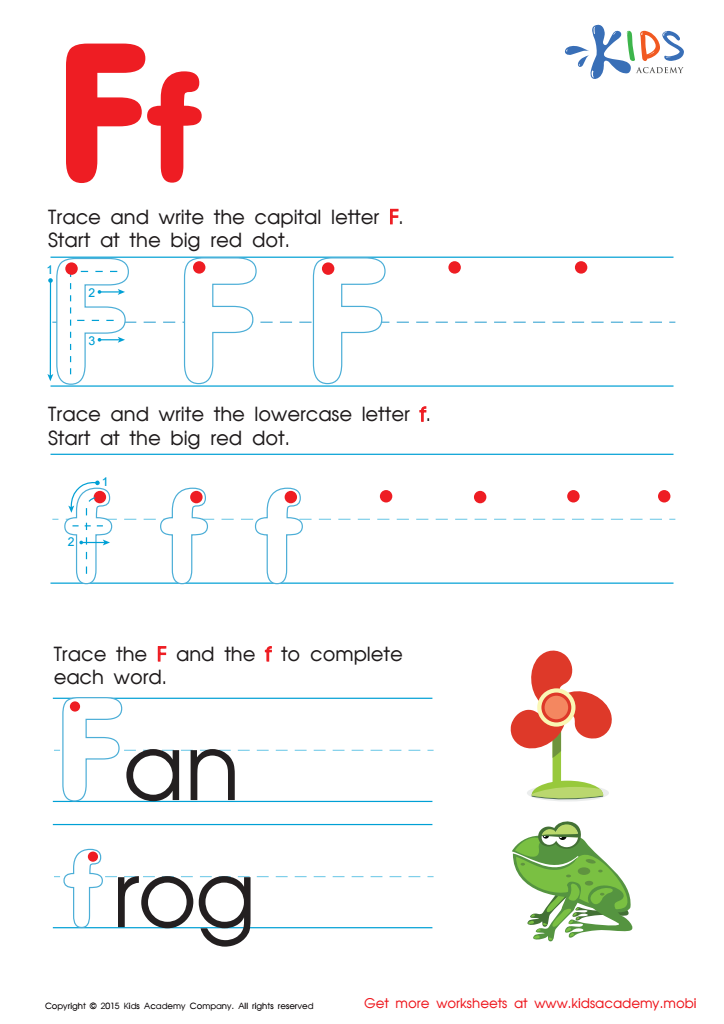
Letter F Tracing Page
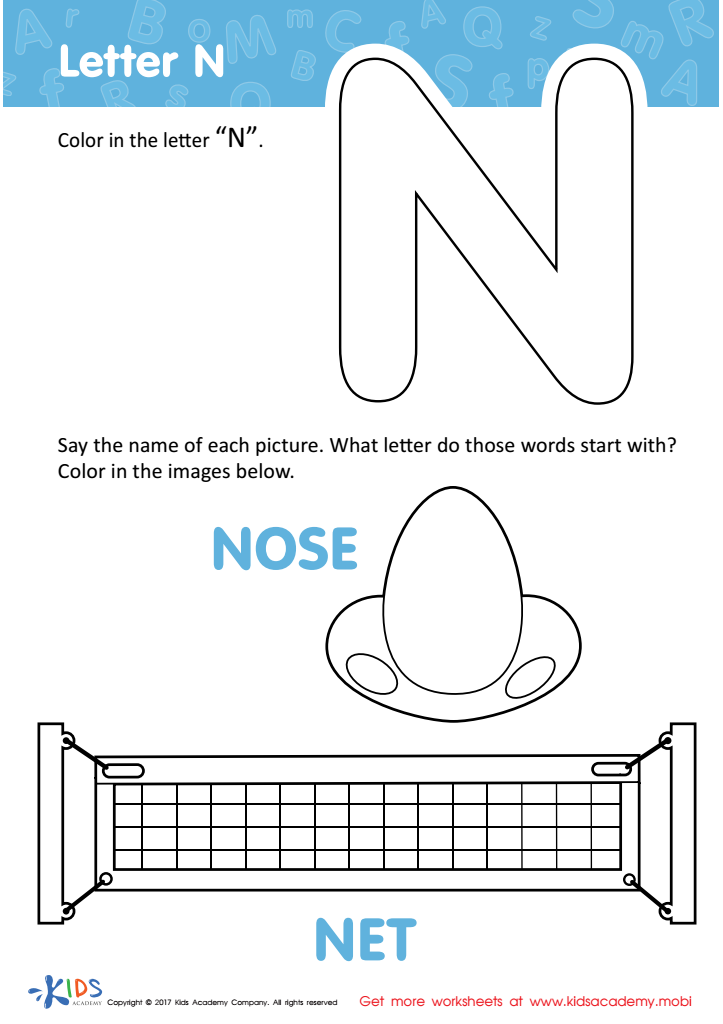
Letter N Coloring Sheet
Assign to My Students

Letter D Tracing Page








Letter recognition is a fundamental skill that serves as the foundation for literacy development in children aged 8-9. At this stage, children are expected to refine their understanding of the alphabet, recognizing not just uppercase and lowercase forms but also distinguishing between similar-looking letters. This skill is crucial for reading and writing, which significantly impacts their academic success.
Parents and teachers should prioritize letter recognition because it enhances a child's reading fluency and comprehension. If a child struggles to recognize letters, they may face challenges decoding words, which can hinder their ability to engage with more complex texts effectively. Additionally, mastery of letter recognition supports spelling and aids in the development of writing skills, allowing children to express their thoughts coherently.
Early intervention is key; if caregivers and educators identify and support children struggling with this skill, they can introduce targeted activities and exercises to reinforce letter recognition. Ultimately, fostering this important literacy component can pave the way for a child’s confidence and enthusiasm for reading and learning, contributing to their overall academic journey and lifelong love for literature. Recognizing letters plays a pivotal role in ensuring children become proficient readers and communicators.








