Motor skills development Normal Letter Recognition Worksheets for Ages 8-9
3 filtered results
-
From - To
Unlock your child's potential with our Motor Skills Development Normal Letter Recognition Worksheets designed specifically for ages 8-9. These engaging worksheets seamlessly integrate letter recognition with motor skill enhancement, making learning fun and effective. Perfect for young learners, they include various activities that encourage both fine and gross motor skills, ensuring a comprehensive learning experience. As children trace, color, and write letters, they'll reinforce their understanding of the alphabet while developing essential hand-eye coordination. Explore our curated selection of worksheets today and provide your child with the tools they need to achieve literacy success and boost their confidence in writing!
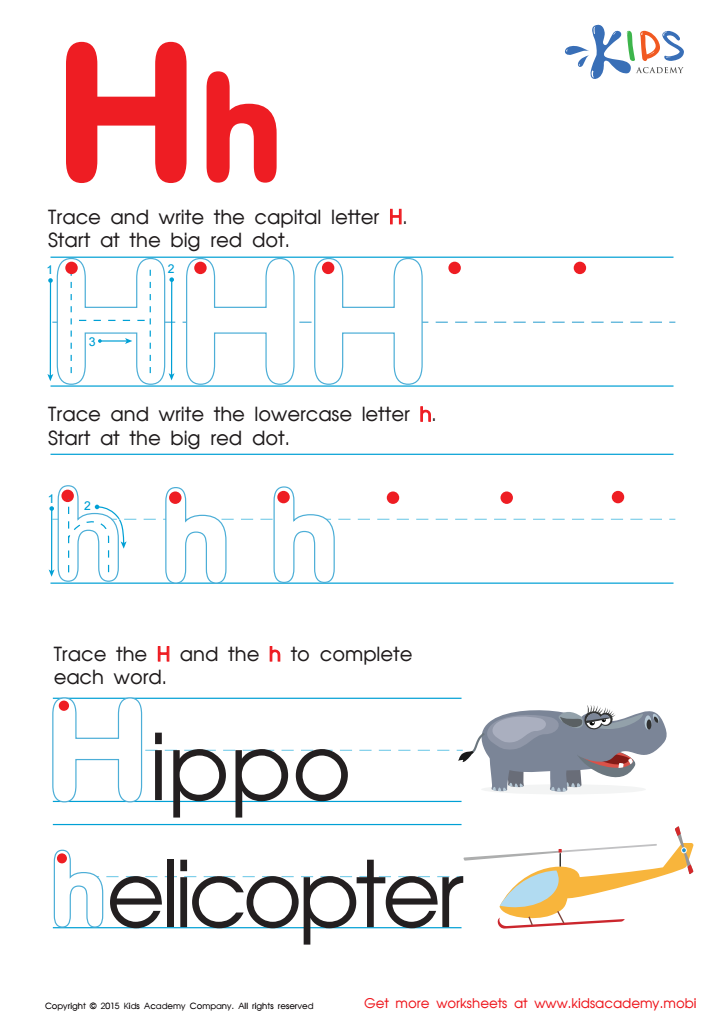
Letter H Tracing Page
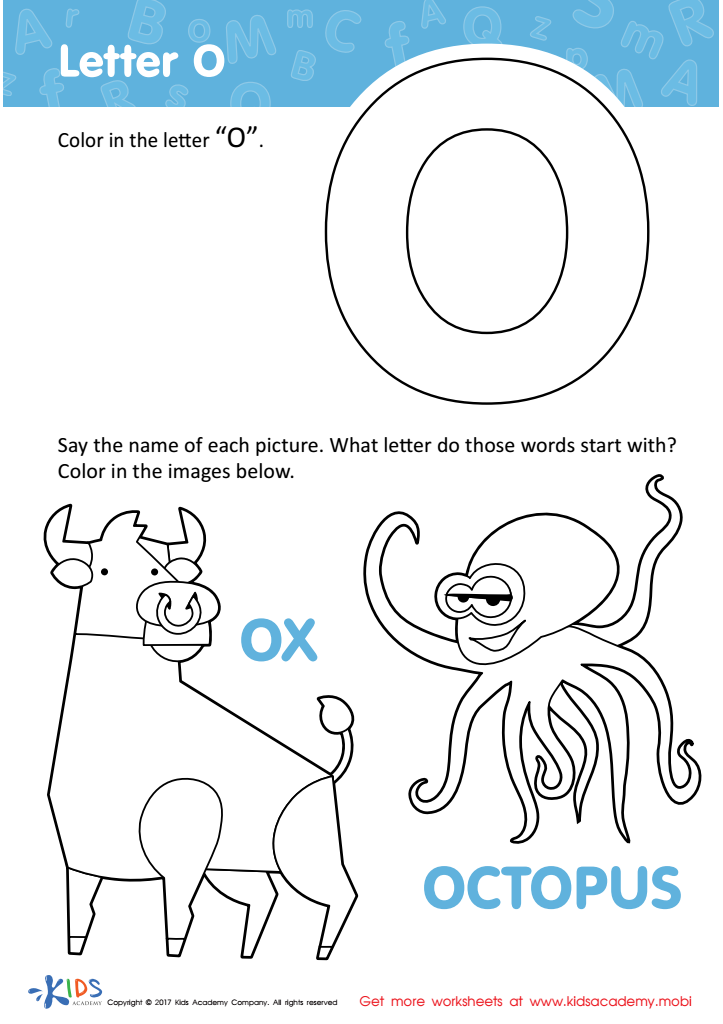
Letter O Coloring Sheet
 Assign to My Students
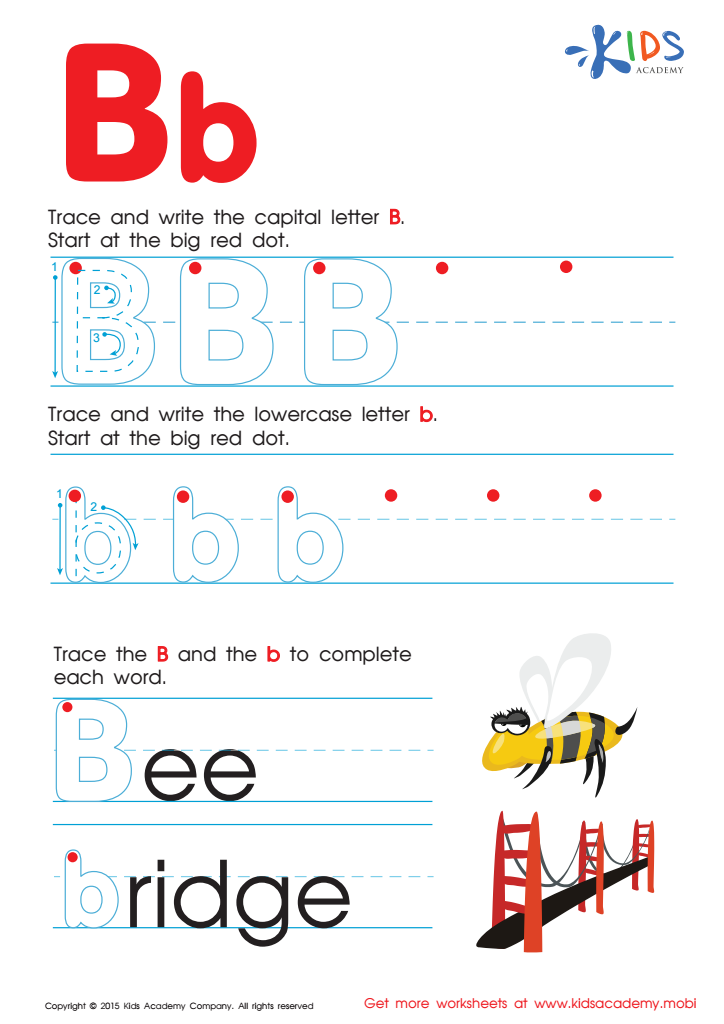
Letter B Tracing Page








Motor skills development and normal letter recognition in children aged 8-9 are critical factors influencing their overall academic success and daily life. At this age, children are transitioning from learning to read to reading to learn, and proficient letter recognition is vital for fluent reading, writing, and effective communication.
Parents and teachers play a crucial role in fostering these skills. Good motor skills help children with handwriting, enabling them to express their thoughts and ideas clearly on paper. When children struggle with motor skills, they may find writing tasks frustrating, leading to a lack of confidence in their abilities.
Moreover, proficient letter recognition is directly linked to a child’s ability to decode words and comprehend text. It sets the foundation for vocabulary development and encourages a love for reading, which is vital as children encounter more complex material in the classroom.
By being attentive to their child’s motor skills and letter recognition, parents and teachers can provide support and interventions tailored to their needs, ensuring that children are equipped with the necessary tools for literacy and beyond. As a result, nurturing these skills can open doors to lifelong learning and success in various aspects of life.








