Phonics Skills Normal Long Vowels Worksheets for Ages 8-9
5 filtered results
-
From - To
Enhance your child's reading and phonics skills with our engaging Normal Long Vowels Worksheets designed specifically for ages 8-9. These printable resources focus on reinforcing understanding of long vowel sounds through fun and interactive activities. Each worksheet offers an ideal blend of exercises, including matching, fill-in-the-blanks, and creative writing prompts that make learning enjoyable. Our carefully crafted materials encourage independent learning while promoting vocabulary building and phonemic awareness. Perfect for use in classrooms or at home, these worksheets are essential tools for laying a strong foundation in literacy. Empower your child’s reading journey by exploring our phonics skills worksheets today!
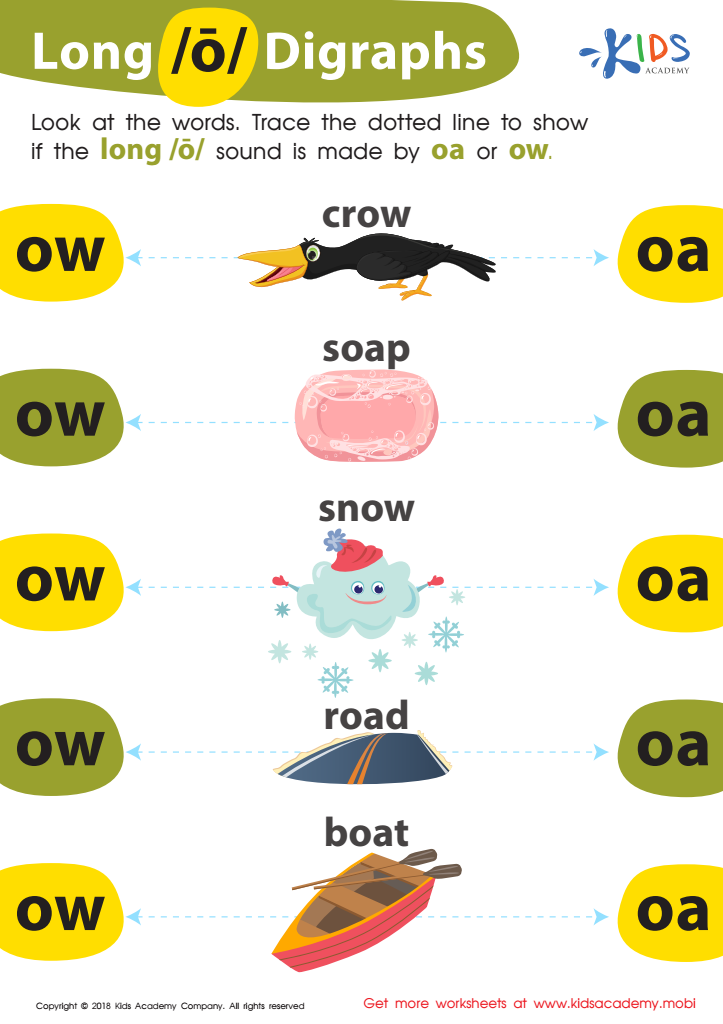
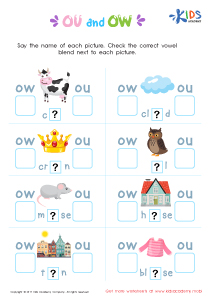
Reading: Long O Digraphs Worksheet
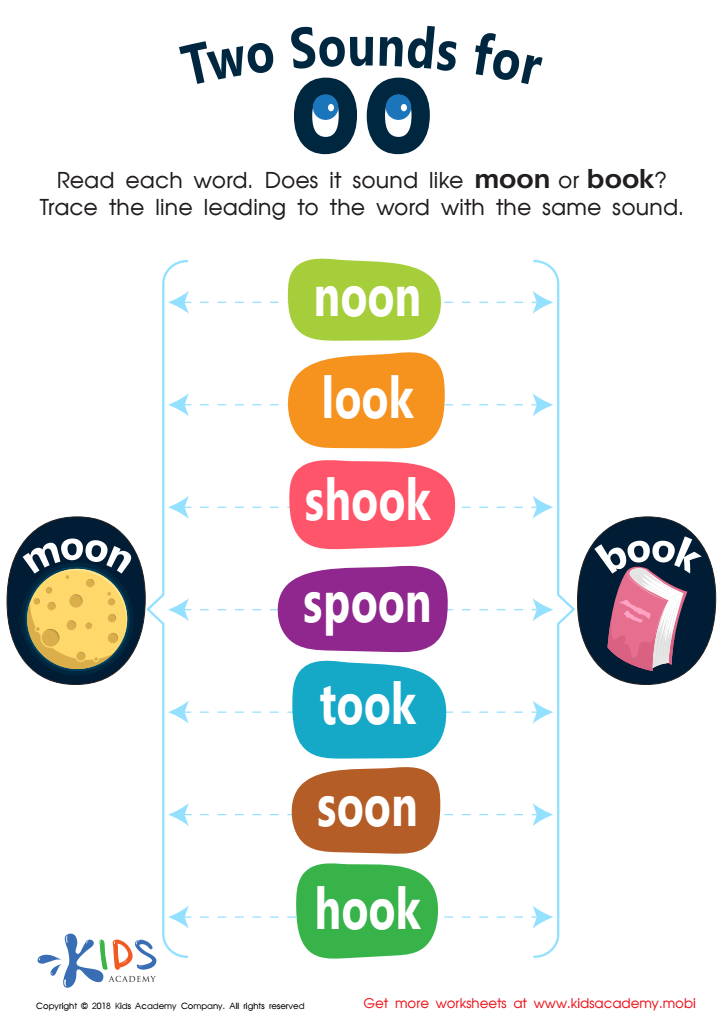
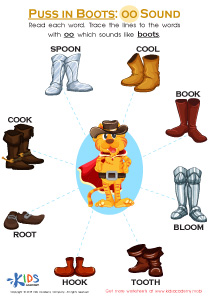
Two Sounds for OO Worksheet
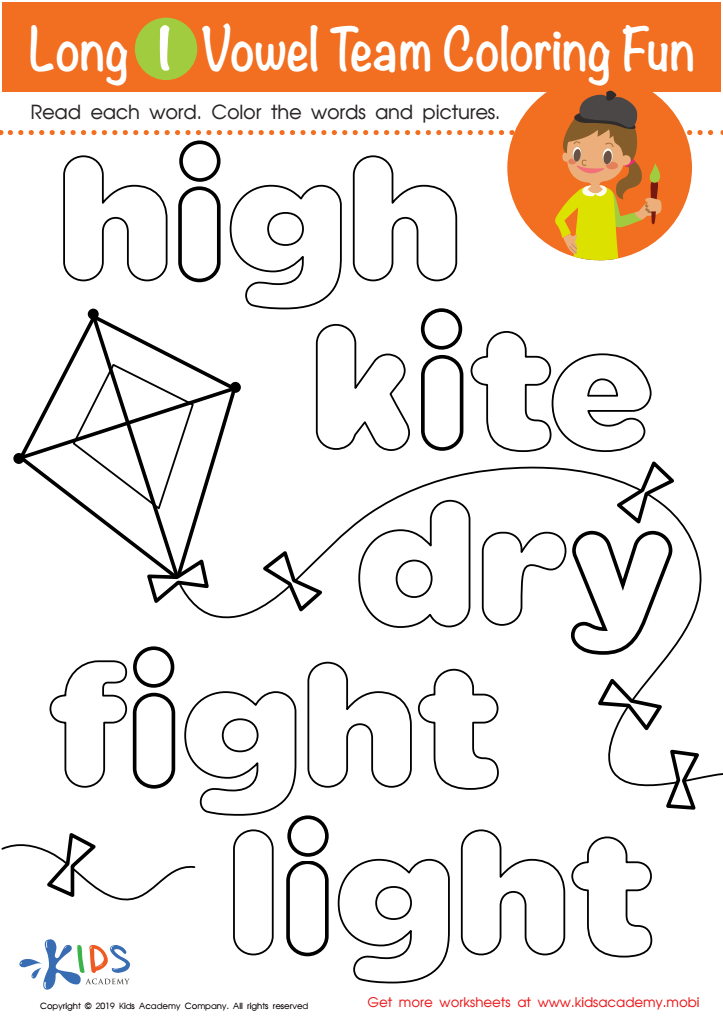
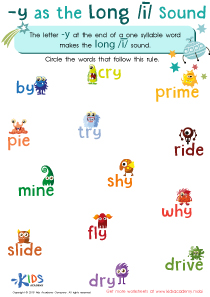
Long I Vowel Team Coloring Worksheet
 Assign to My Students
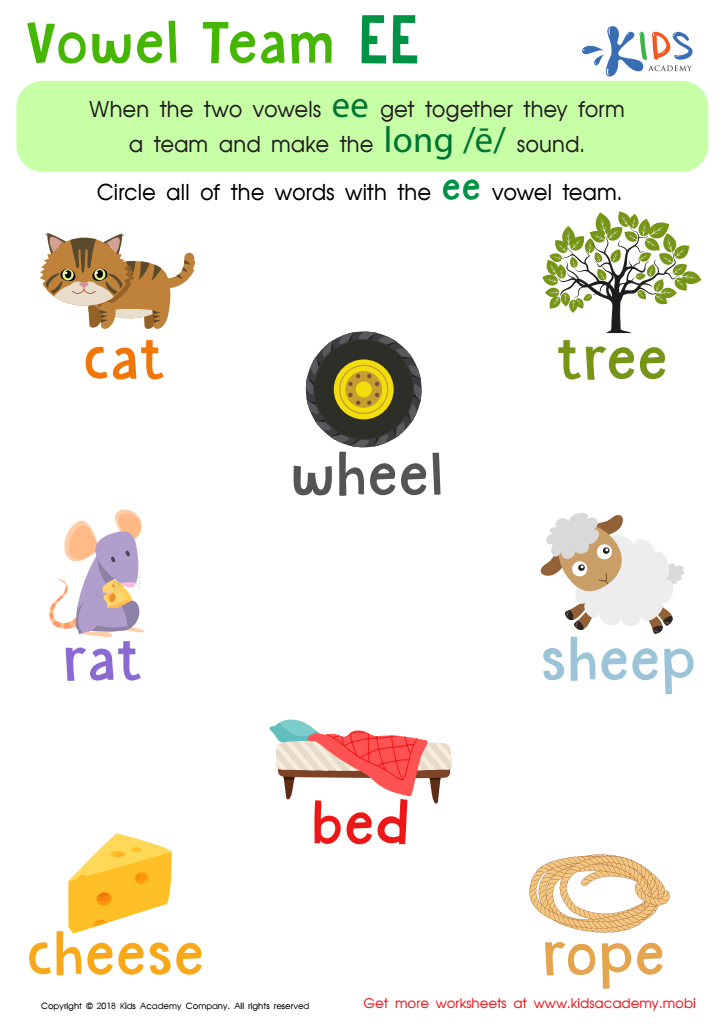
Reading: Vowel Team EE Worksheet
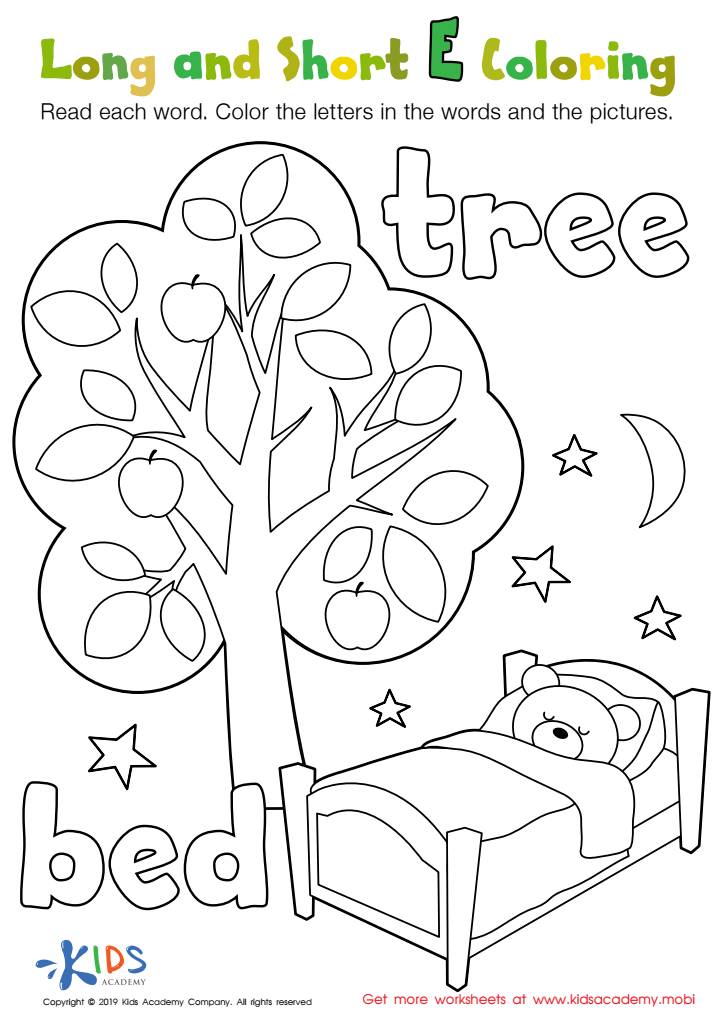
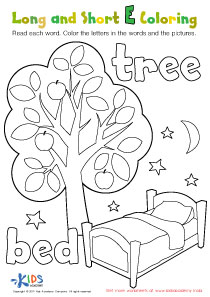
Long and Short E Worksheet
Assign to My Students



Parents and teachers should care about phonics skills, particularly with long vowels, for children aged 8-9 because these skills form the foundation for fluent reading, writing, and overall literacy development. At this age, children are transitioning from learning to read to reading to learn, and mastering long vowels enables them to decode more complex words, improving their comprehension of texts across various subjects.
Understanding long vowels helps children distinguish between similar-sounding words, reducing confusion in spelling and pronunciation. For example, differentiating between "meet" and "met" or "bean" and "bin" is crucial for effective communication and academic success. Additionally, solid phonics skills boost confidence in language arts, making children more willing to engage with challenging texts and expressing their ideas clearly.
Moreover, phonics techniques support diverse learning styles, allowing kinesthetic, auditory, and visual learners to grasp the concept effectively. By emphasizing phonics skills at this pivotal stage, parents and teachers can help establish lifelong reading habits, equipping children with the tools they need for future academic achievement. Ultimately, prioritizing long vowel phonics fosters a deeper love of reading, enhancing not only literacy but also creativity and critical thinking skills essential for success in school and beyond.