Phonics Skills Normal Short Vowels Worksheets for Ages 8-9
3 filtered results
-
From - To
Discover our engaging "Phonics Skills Normal Short Vowels Worksheets" designed for children ages 8-9! These worksheets provide targeted practice to enhance phonemic awareness and boost reading abilities. Students will explore short vowel sounds through interactive activities that promote word recognition and vocabulary growth. Each worksheet features fun exercises like word puzzles, matching games, and fill-in-the-blank tasks, allowing learners to grasp pronunciation effortlessly. Our resources are perfect for home schoolers and classroom enrichment, ensuring every child develops a solid foundation in phonics. Equip your young learners with essential skills—help them become confident and skilled readers today!
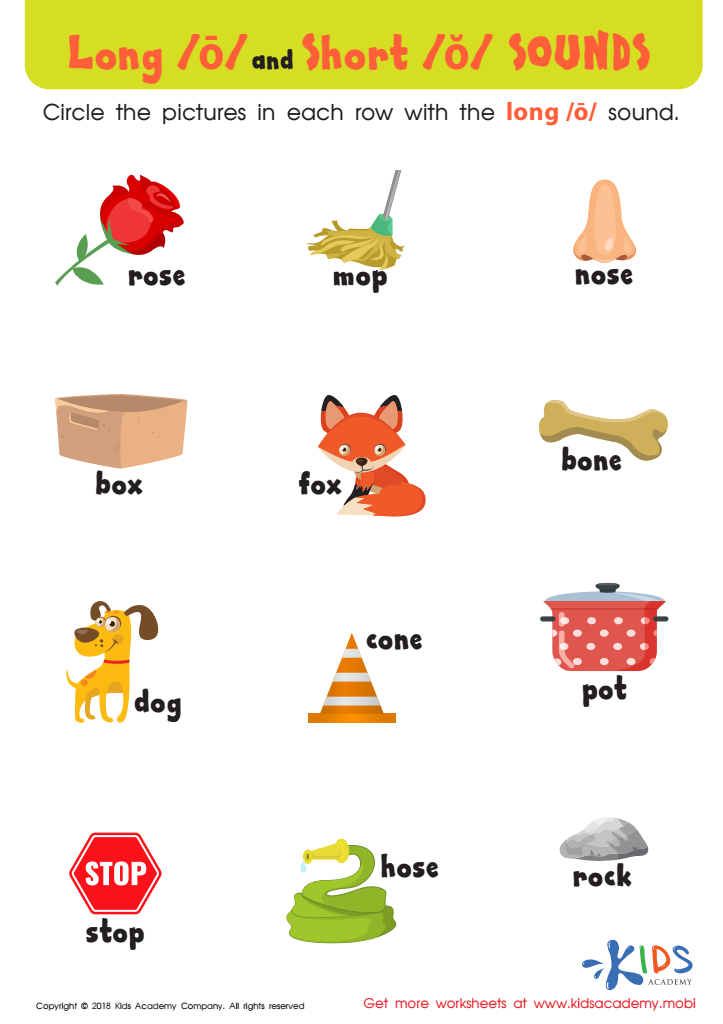
Reading: Long O and Short O Sounds Worksheet
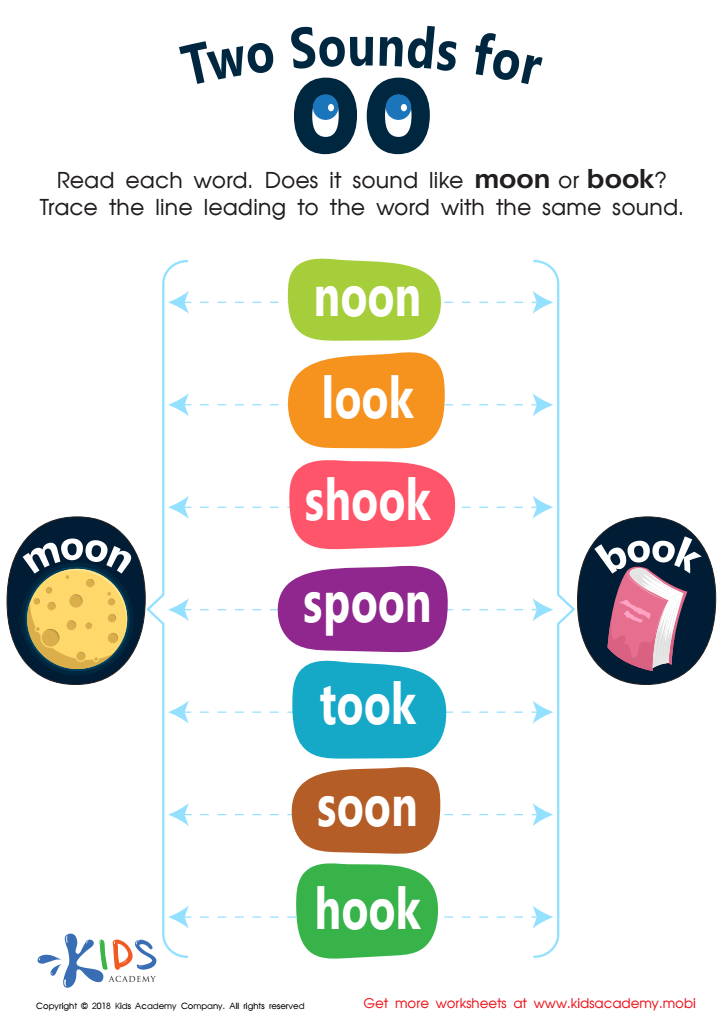
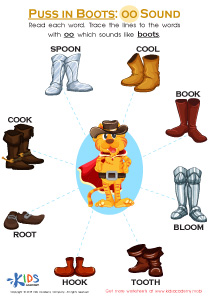
Two Sounds for OO Worksheet
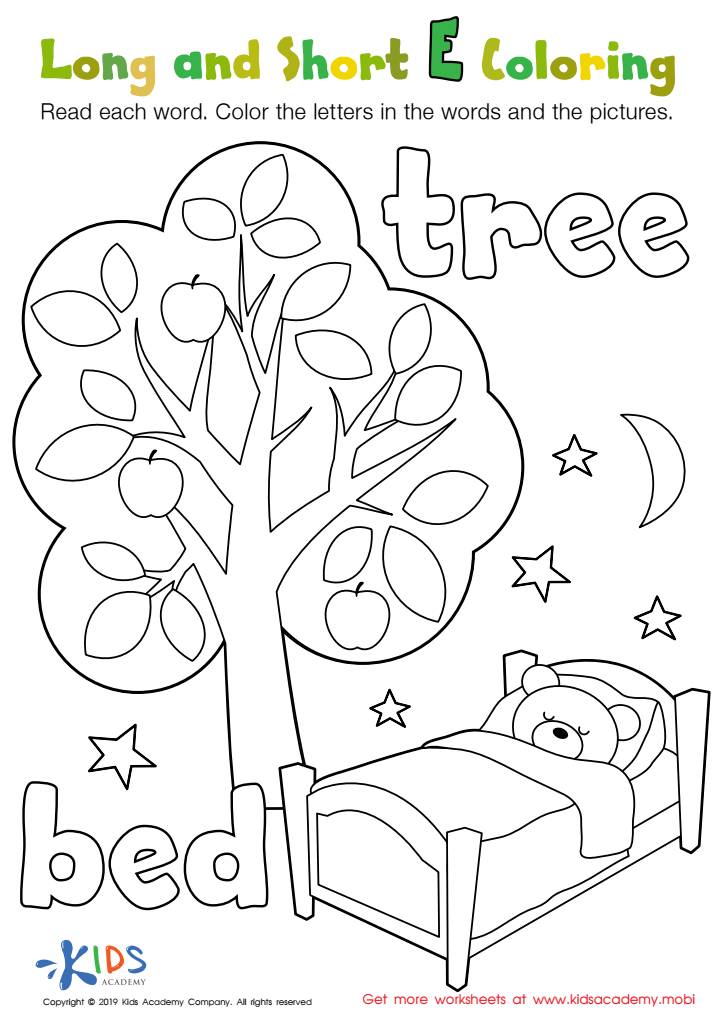
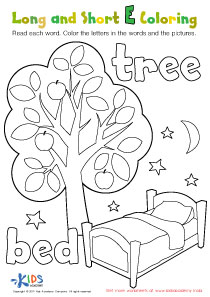
Long and Short E Worksheet
 Assign to My Students



Phonics skills, particularly mastery of normal short vowels, are crucial for children aged 8-9 as they form the foundation for reading fluency and comprehension. At this developmental stage, children are transitioning from learning to read to reading to learn. Short vowels are integral to many common words, and understanding these sounds enhances decoding skills, enabling children to tackle more complex texts confidently.
Parents and teachers should prioritize phonics skills because they directly impact a child's literacy development. Proficiency in short vowels aids in word recognition and spelling, which are essential for effective communication. Additionally, mastering these skills fosters a love for reading, empowering children to explore and enjoy literature independently.
Furthermore, strong phonics knowledge can identify potential reading difficulties early on, allowing for timely intervention. As children encounter academic material in subjects like science and social studies, their reading skills become vital for understanding new concepts. Ultimately, supporting phonics skills equips children for future academic success, laying a solid groundwork for lifelong learning. Consequently, investing time and resources into enhancing phonics proficiency at this age is essential for building confident, capable readers.