Color recognition Normal Coloring Pages Worksheets for Ages 8-9
8 filtered results
Difficulty Level
Grade
Age
-
From - To
Subject
Activity
Standards
Discover our engaging Color Recognition Normal Coloring Pages Worksheets designed for children aged 8-9. These printable activities not only offer a fun coloring experience but also enhance color recognition skills essential for early learning. Each page presents vibrant illustrations that encourage creativity and critical thinking, helping kids to identify and differentiate colors while enjoying various themes. Whether used at home or in the classroom, these worksheets provide an excellent opportunity for parents and teachers to foster artistic expression and foundational learning. Download now to spark your child's imagination and support their cognitive development through color recognition and creative exploration!
Favorites
With answer key
Interactive
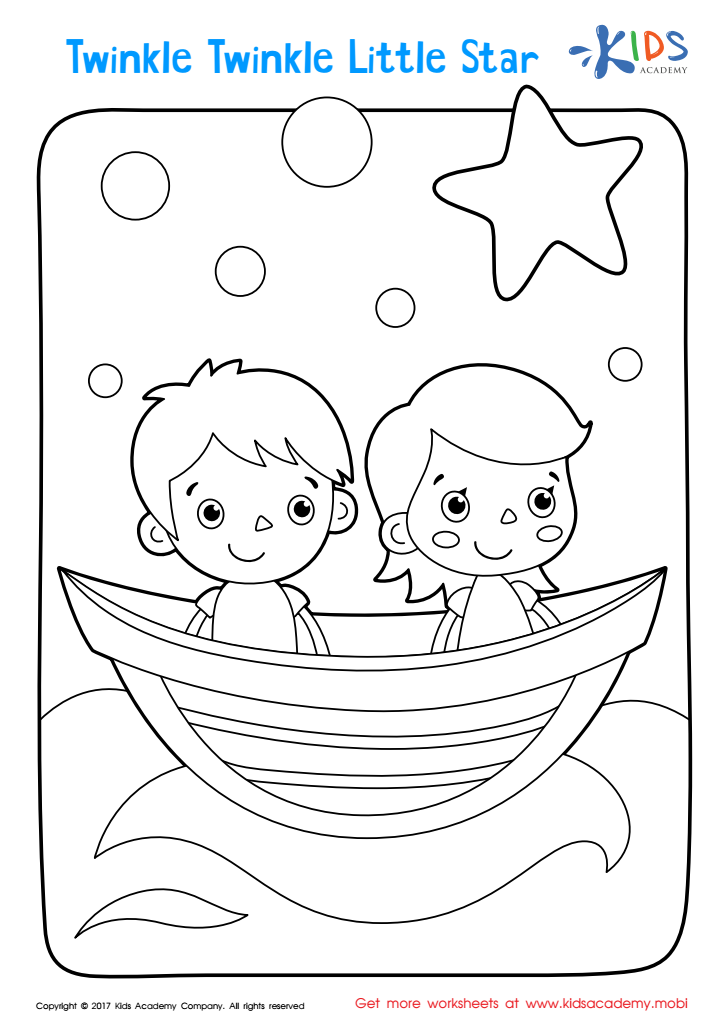
Twinkle Twinkle Little Star Coloring Page
Let your child wish upon a star as they color this scene of boy and girl stargazing. Sing Twinkle Twinkle Little Star while they choose colors to show the star twinkling in the night sky.
Download (PDF)
 Assign to My Students
Assign to My Students
Twinkle Twinkle Little Star Coloring Page
Worksheet
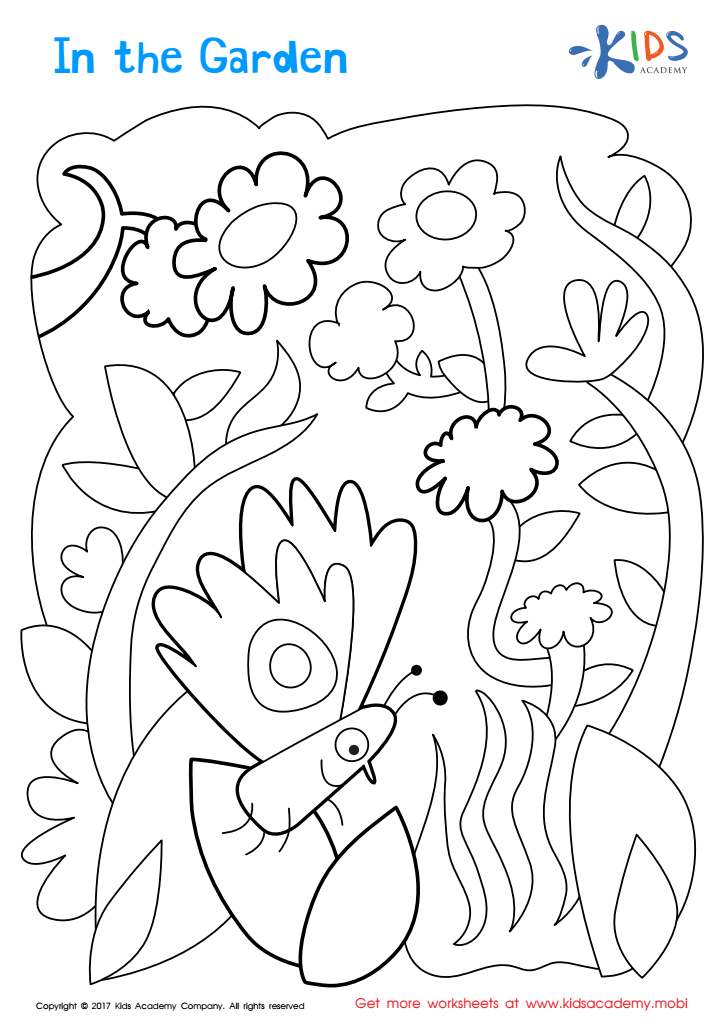
In The Garden Coloring Page
Explore nature with this fun coloring page! Take a walk out to the garden and observe the plants and animals. Help your kids learn and grow – connect the page to the natural wonders outside their window. In the Garden coloring page – make your kids smile!
Download (PDF)
Assign to My Students
Assign to My Students
In The Garden Coloring Page
Worksheet
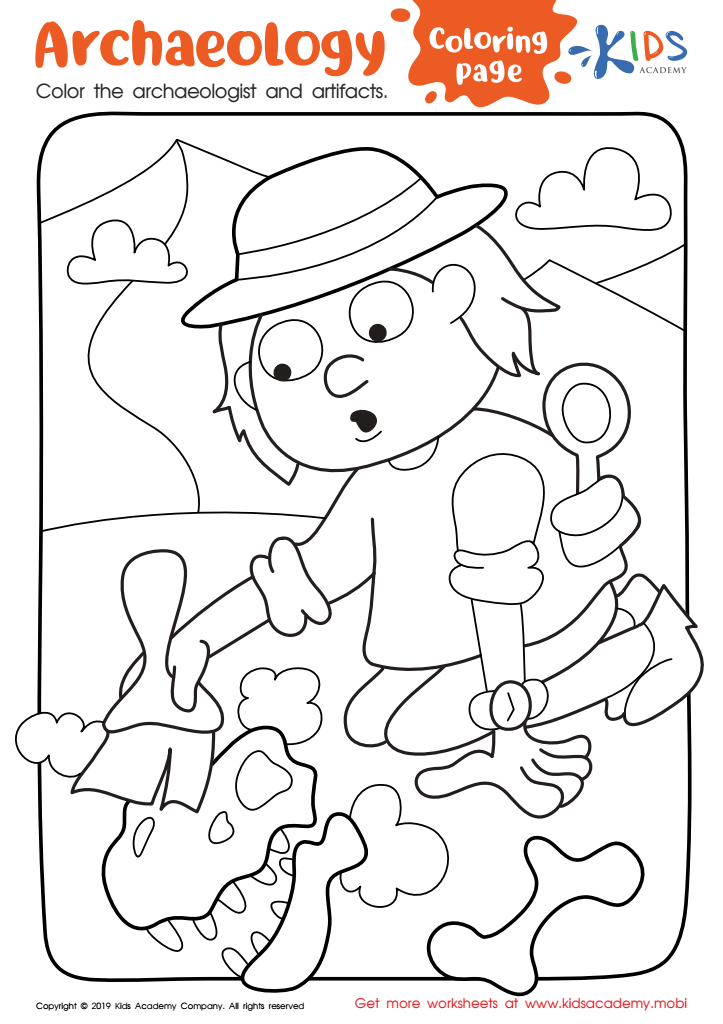
Archaelogy Coloring Page Worksheet
Colour and learn with this fun sheet! It's a great way for kids to find out what archeologists do; from digging for artifacts, to learning about their tools, to discovering what makes something an artifact. They'll have a blast while learning about history, honing their creativity and imagination.
Download (PDF)
Assign to My Students
Assign to My Students
Archaelogy Coloring Page Worksheet
Worksheet
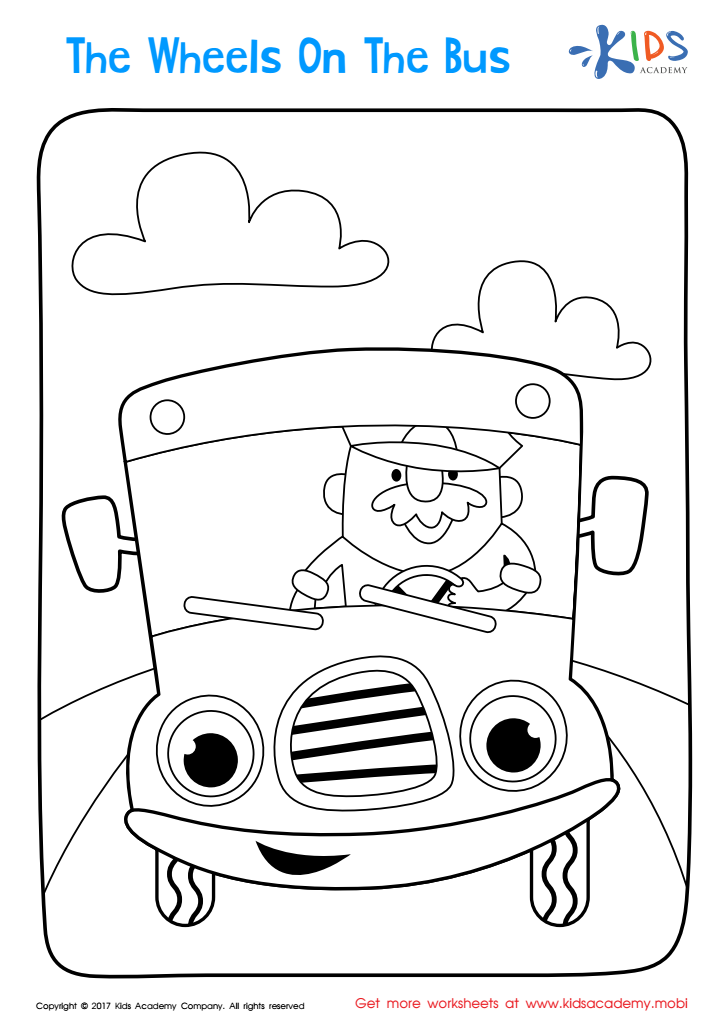
The Wheels on the Bus Coloring Page
Colour and sing with this printable Wheels on the Bus page! Let your child have fun singing the song with you as they colour. It'll make the activity even more entertaining and memorable.
Download (PDF)
Assign to My Students
Assign to My Students
The Wheels on the Bus Coloring Page
Worksheet
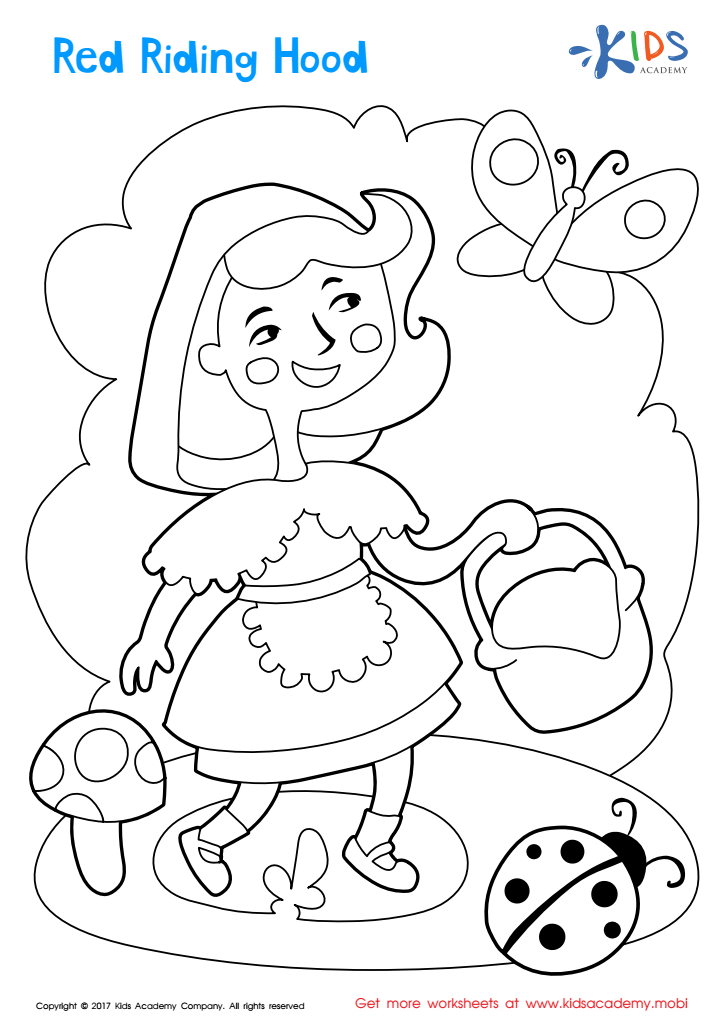
Red Riding Hood Coloring Page
Red Riding Hood awaits in the woods, with a butterfly, mushroom, and ladybug around her. Let your child bring the story to life with this magical printable coloring page. Fairytale fun for all!
Download (PDF)
Assign to My Students
Assign to My Students
Red Riding Hood Coloring Page
Worksheet
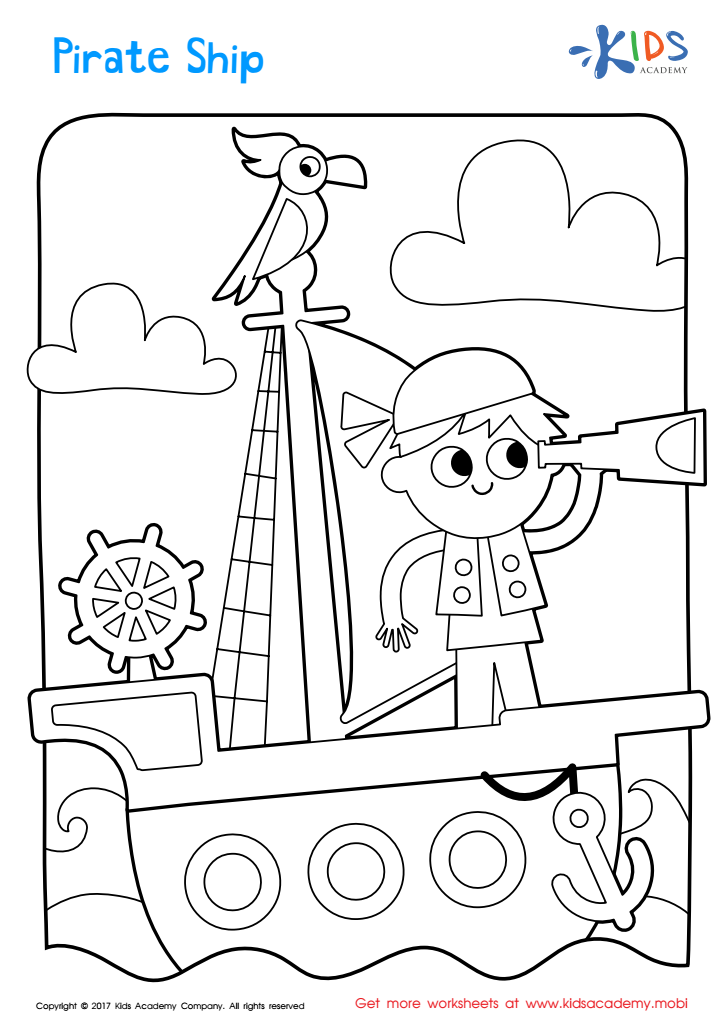
Pirate Ship Coloring Page
All hands on deck: your child can help navigate the sea with Pirate Ship. This printable encourages artistic expression, so get ready to set sail!
Download (PDF)
Assign to My Students
Assign to My Students
Pirate Ship Coloring Page
Worksheet
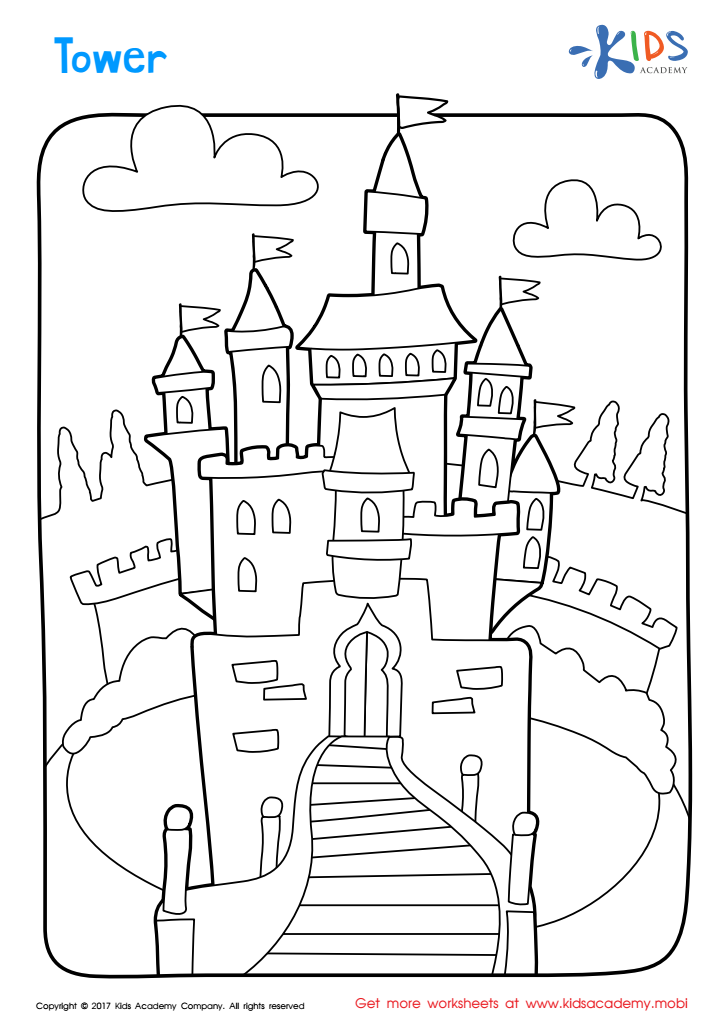
Tower Coloring Page
Bring your child's fairytales to life with this fun printable coloring page: Tower! Have your child pick the perfect colors to transform this magical tower and afterwards, ask them to recall stories that involve castles. Get those imaginations running!
Download (PDF)
Assign to My Students
Assign to My Students
Tower Coloring Page
Worksheet
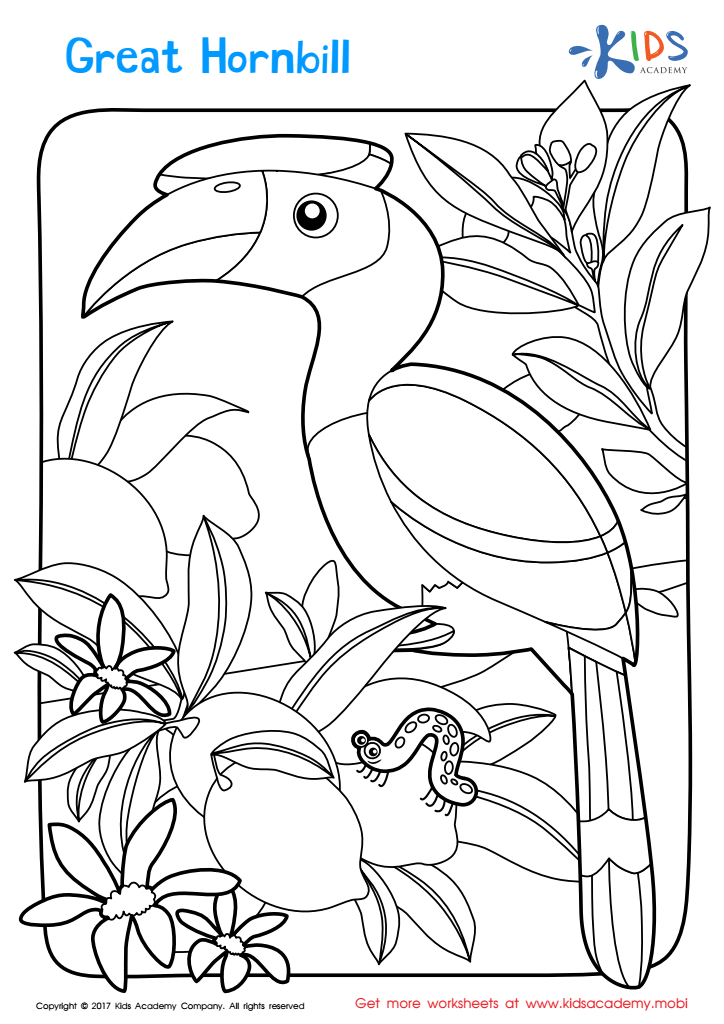
Great Hornbill Worksheet
Expand your child's knowledge with our exotic animal printable: the great hornbill coloring page. It’s a fun and easy way to explore this beautiful bird's stunning array of colors without leaving home. Look up pics online to get a better understanding of this incredible creature.
Download (PDF)
Assign to My Students
Assign to My Students
Great Hornbill Worksheet
Worksheet
Join Kids Academy for Free
Who is primarily going to use this learning content?







Parents and teachers should care about color recognition through normal coloring pages for ages 8-9 because these activities play a significant role in a child's cognitive and motor skill development. At this age, children are refining their ability to identify and differentiate colors, which supports their learning in various subjects, including art, science, and math.
Engaging in coloring activities promotes fine motor skills, helping students gain better control over writing tools and developing hand-eye coordination. Additionally, coloring pages can enhance creativity, allowing children to experiment with color combinations and think critically about their choices.
Color recognition activities also create opportunities for discussions around emotions, themes, and storytelling, further enriching language and social skills. Parents and teachers can use coloring pages as a tool to introduce concepts such as color mixing, complementary colors, or cultural significance of colors, making it an interdisciplinary approach to learning.
Moreover, these creative outlets can serve as a relaxation technique, offering a break from structured learning while fostering self-expression and personal enjoyment in artistic endeavors. Ultimately, prioritizing color recognition through coloring pages contributes to a well-rounded educational experience, supporting academic and emotional growth in children.