Filters

32 filtered results

Clear all filters
Favorites
With answer key
Interactive

32 filtered results

Difficulty Level

Grade


Check out this FREE Trial Lesson on English for Beginners for age 8-9!

F

Favorites
With answer key
Interactive
  • 8-9
  • Fine Motor Skills
  • English for Beginners
  • Normal
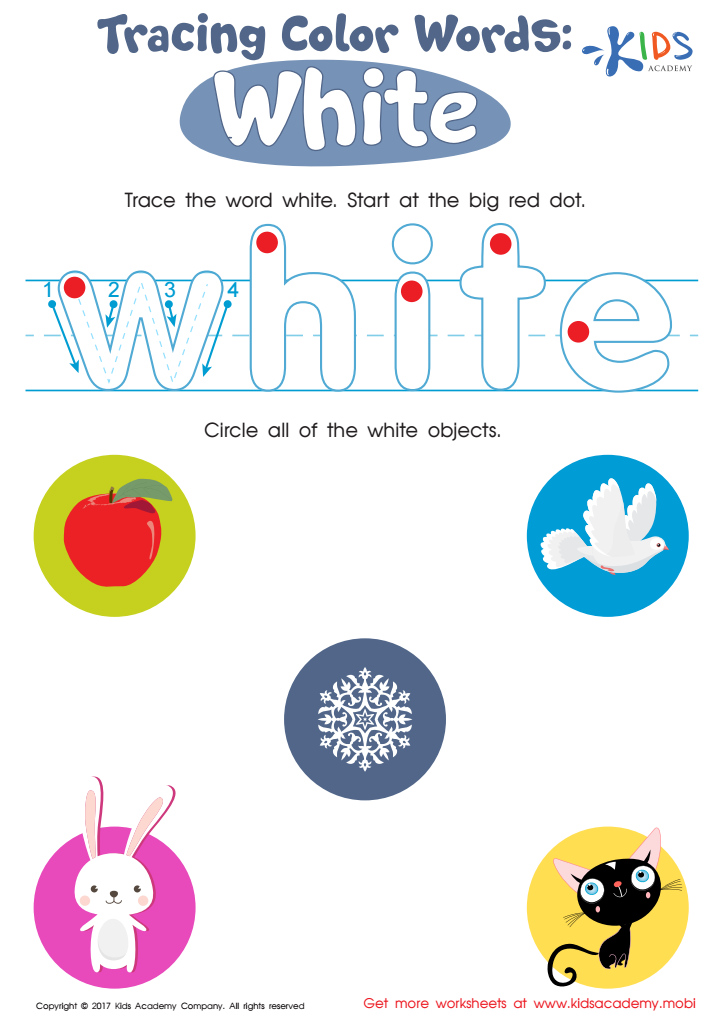
White Tracing Color Words Worksheet

White Tracing Color Words Worksheet

This fun worksheet helps children learn color words quickly. They trace the letters and circle pictures of the color. This helps them practice reading and identifying objects, and they can do it without needing to read phonetically. Download it now and watch your child's skill grow!
White Tracing Color Words Worksheet
Worksheet
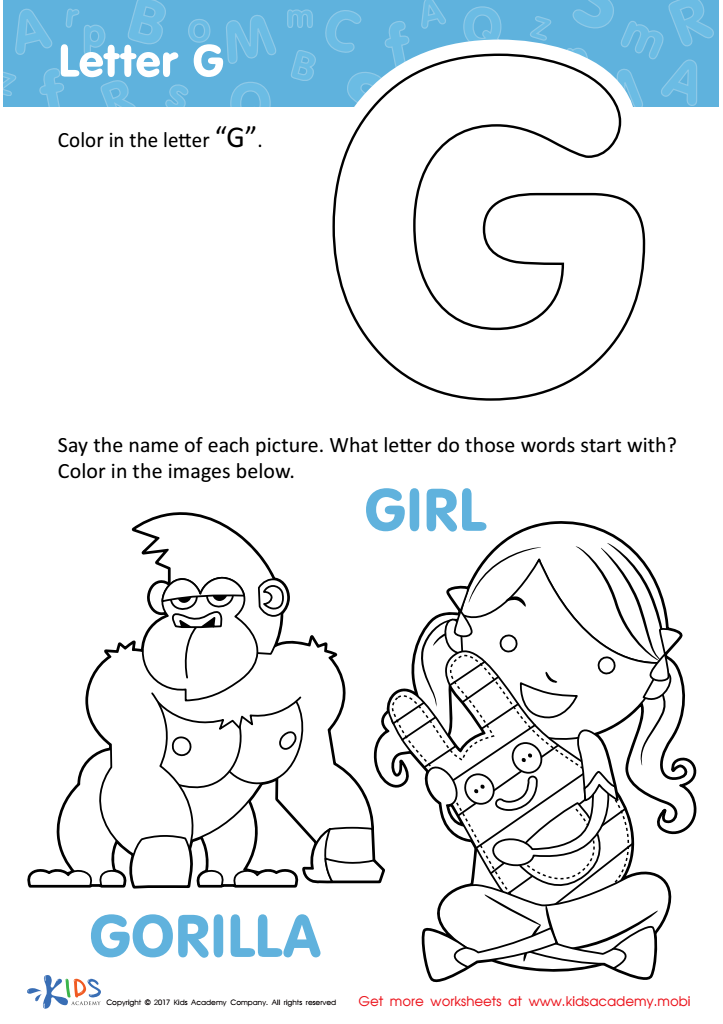
Letter G Coloring Page

Letter G Coloring Sheet

This "G" coloring page encourages creativity and teaches kids the letter "G" sound. With its fun visuals and familiar words, it's sure to excite your child. Plus, you can talk about the letter’s sound with the pictures given.
Download (PDF)
Assign to My Students
Letter G Coloring Sheet
Worksheet
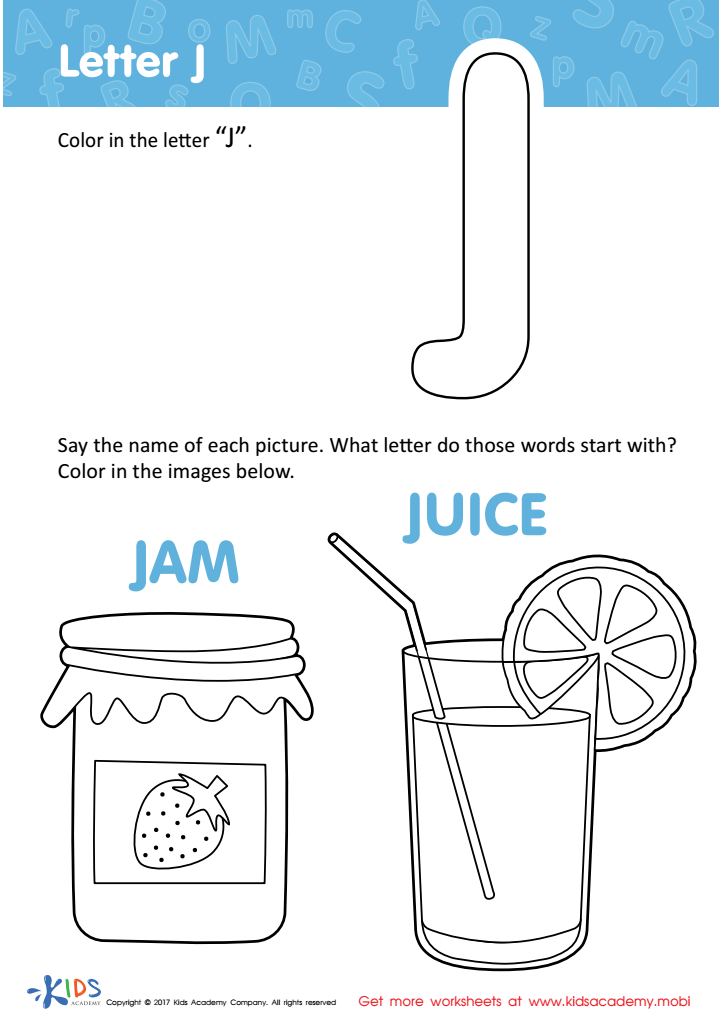
Letter J Coloring Page

Letter J Coloring Sheet

Practice the letter 'J' with your little one with this fun coloring page! Pictures of jar, juice, jam and jelly make it an enjoyable experience for kids. Learning the letter and coloring is fun for even the youngest learners.
Download (PDF)
Assign to My Students
Letter J Coloring Sheet
Worksheet
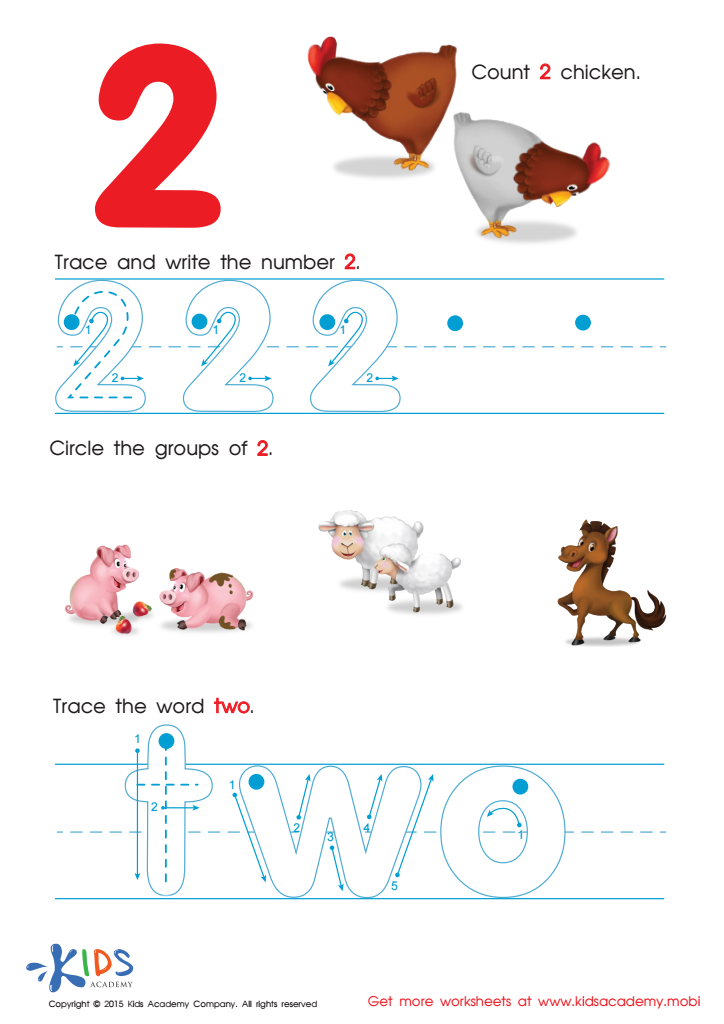
Learning Numbers Worksheets: Learn to Write the Number 2 PDF

Learn to Write the Number 2 Worksheet
Teaching numbers should be fun! Ask your kids to count the two chicks, circle the groups of two among the animals, then trace and write the number and word. Get more fun worksheets from Kids Academy.
Learn to Write the Number 2 Worksheet
Worksheet
letter F worksheets
letter F worksheets

Letter F Tracing Page

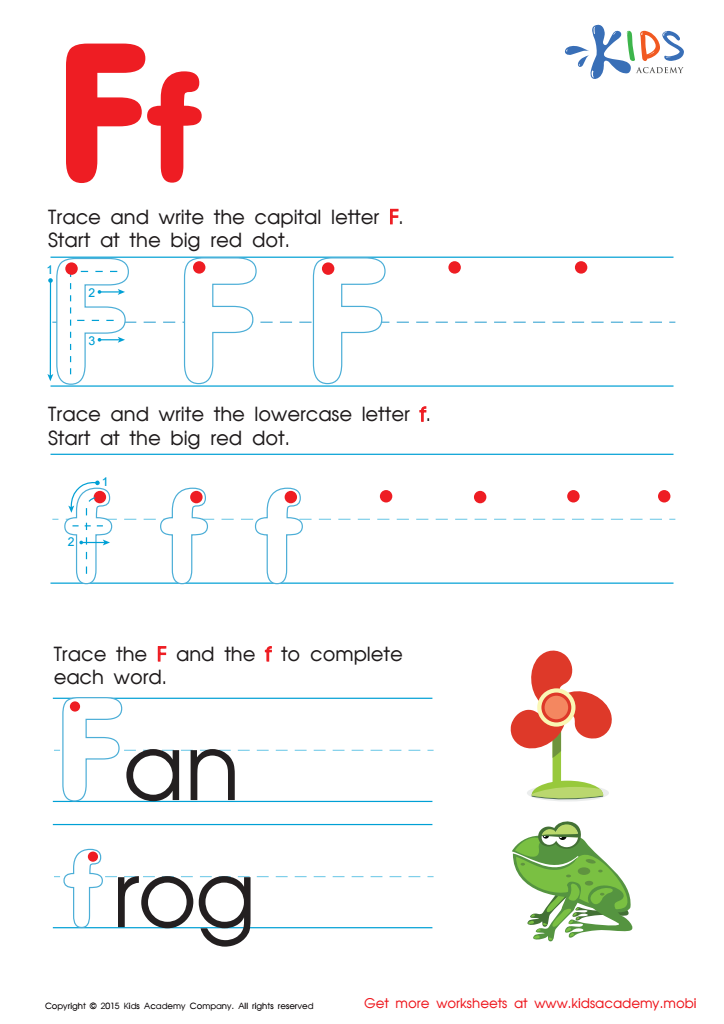
Trace "F" with your pencil! Start at the red dot and draw lines — it's fun! Check it out — it looks great! Keep practicing to make it even better. Then, try completing words. Help out the broken fan and funny frog! Get free alphabet worksheets and activities for your kids. Come see our new tracing pages!
Letter F Tracing Page
Worksheet
Letter A Coloring Page

Letter F Coloring Sheet

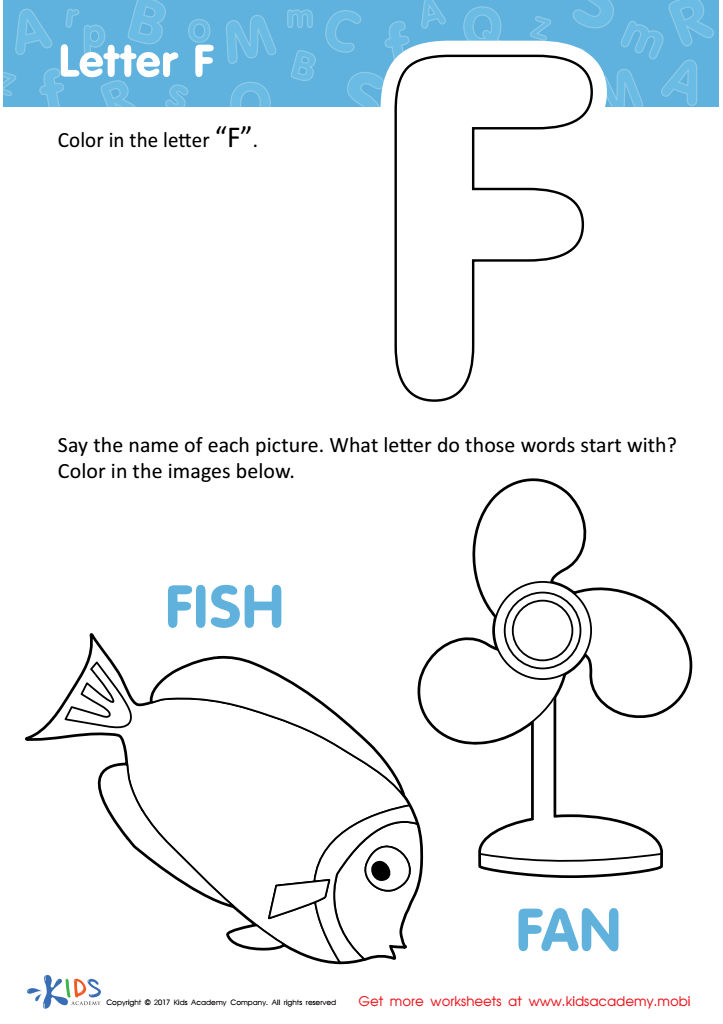
Coloring pages help kids learn to recognize letters and sounds. Our "F" page has kids color a fish and a fan. It's a great way to introduce them to the letter "F" using words they already know.
Download (PDF)
Assign to My Students
Letter F Coloring Sheet
Worksheet
Letter N Coloring Page

Letter N Coloring Sheet

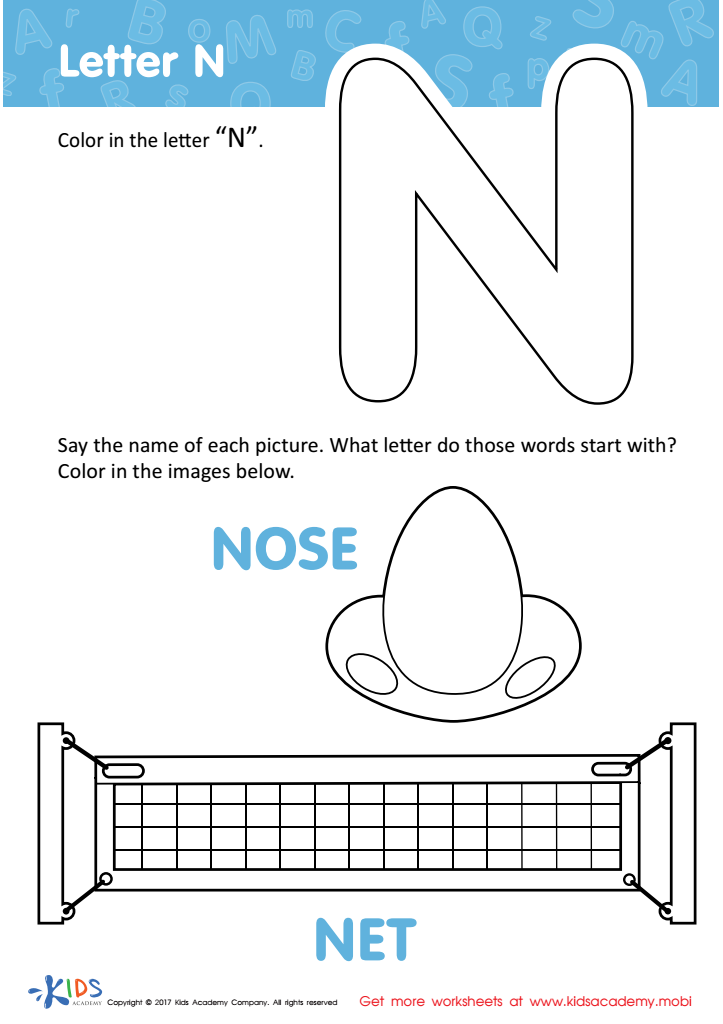
Let your child get creative and learn the alphabet with this letter "N" coloring page! It's a fun way to recognize the letter, featuring a body part all kids know. Coloring and reinforcing recognition of "N" will help your child have fun while learning!
Download (PDF)
Assign to My Students
Letter N Coloring Sheet
Worksheet
letter d worksheets
letter d worksheets

Letter D Tracing Page

Trace and write capital and lowercase letter "D" with our free printable alphabet worksheet! Be careful not to mix up "b" and "d" - just look at the ducks and write their first letter. The dolphin wants to join the fun too - do you like dolphins? Get more fun worksheets and activities at Kids Academy!
Letter D Tracing Page
Worksheet


Fine motor skills are super important for children aged 8-9 and they play a big role in a child's overall development. These skills involve the small muscles of the hands and fingers, which we use for tasks like writing, holding a fork, or tying shoelaces. If kids don't develop these skills well, they might struggle with everyday activities at school and home.

First, good fine motor skills help kids do well in school. For instance, they improve handwriting, making it easier to take notes and complete assignments. Poor handwriting can be frustrating for kids and can make it harder for teachers to understand their work. Building these skills also helps with art and other creative projects, letting kids express themselves better.

Second, fine motor skills are important for independence. When kids can dress themselves, brush their teeth, and do other personal tasks, they feel more confident and capable. This boosts their self-esteem and helps them become more self-reliant.

Lastly, developing fine motor skills can actually be fun! Activities like playing with clay, cutting with scissors, or assembling puzzles can be enjoyable, which means kids are likely to engage more and learn quicker.

In short, focusing on fine motor skills supports academic success, boosts confidence, and is an enjoyable way for kids to grow their abilities.