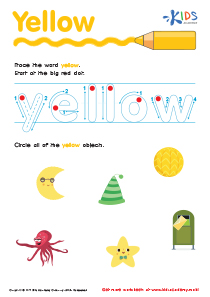
Handwriting practice Normal English for Beginners Worksheets for Ages 8-9 - Page 2
26 filtered results
-
From - To
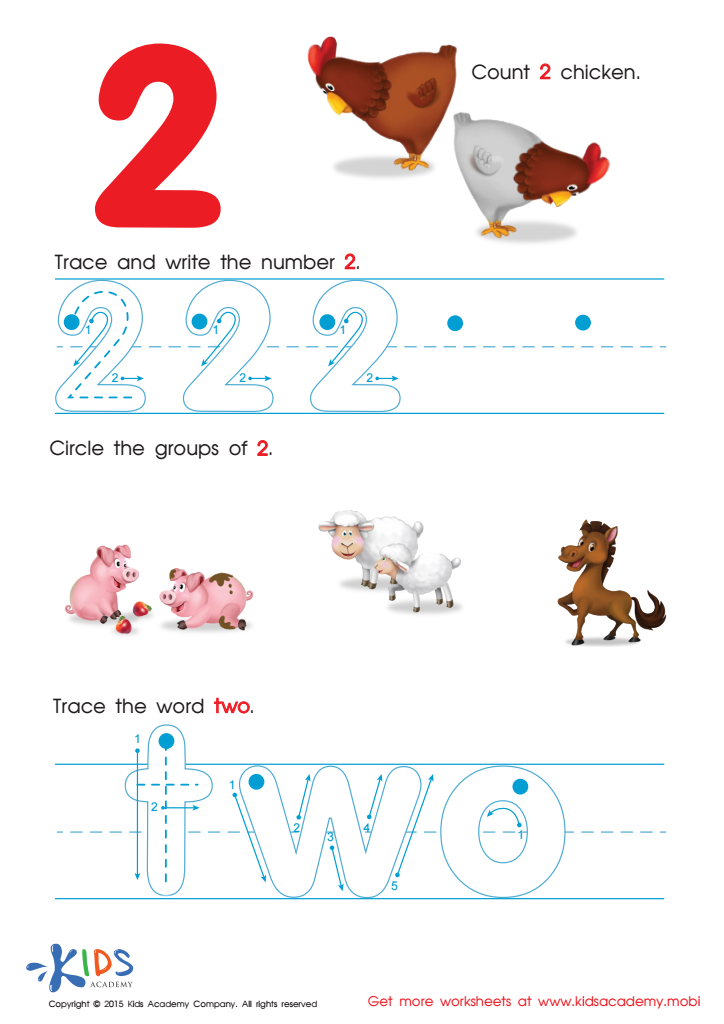
Learn to Write the Number 2 Worksheet
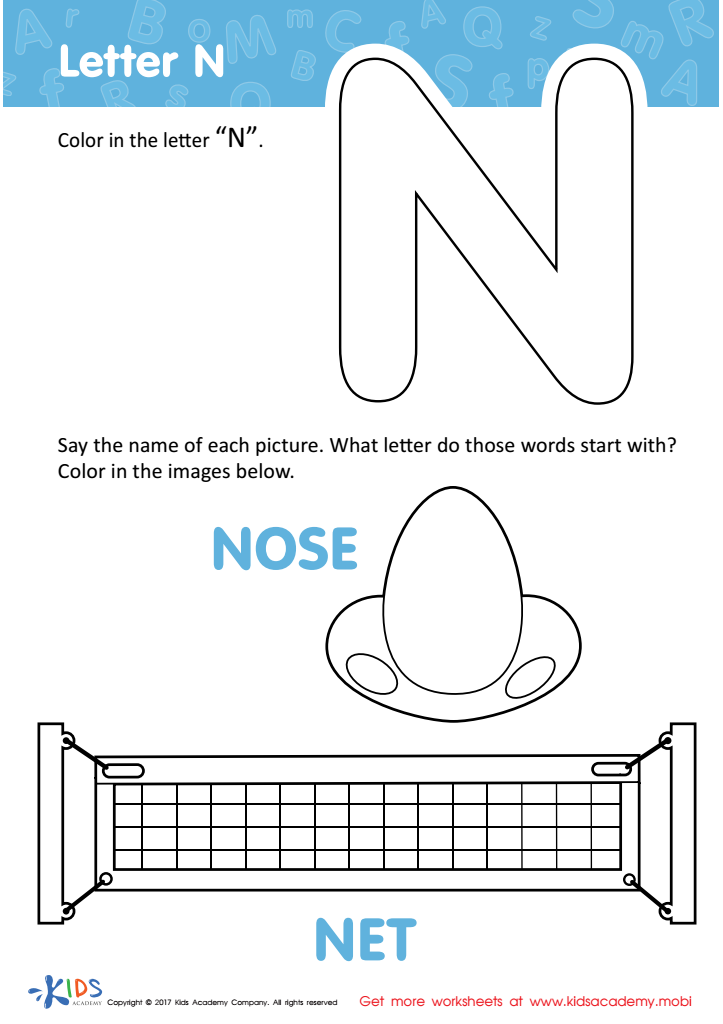
Letter N Coloring Sheet
 Assign to My Students





Handwriting practice is crucial for children aged 8-9 as it lays the foundation for effective communication and academic success. At this age, children are transitioning from basic handwriting to more fluid and legible writing. This skill not only impacts their schoolwork but also their confidence and self-expression.
Parents and teachers should care because handwriting involves more than just putting pencil to paper; it promotes fine motor skills, hand-eye coordination, and cognitive development. Through regular practice, students can develop a personalized handwriting style that reflects their individuality.
Moreover, handwriting helps reinforce learning. When students physically write out information, they are more likely to remember it than if they simply type or read. This active engagement enhances comprehension and retention across subjects.
In today's digital world, where typing is common, good handwriting still holds value. It is important for note-taking, personal letters, and even tests where responses must be handwritten.
Supporting young learners in their handwriting journey fosters discipline, patience, and perseverance, all of which are essential life skills. By investing time in handwriting practice, parents and teachers empower children to communicate more effectively and confidently in both academic and personal settings.