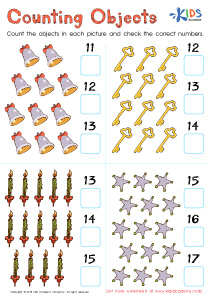
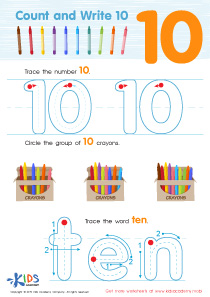
Number Recognition Normal Comparing Numbers Worksheets for Ages 8-9
4 filtered results
-
From - To
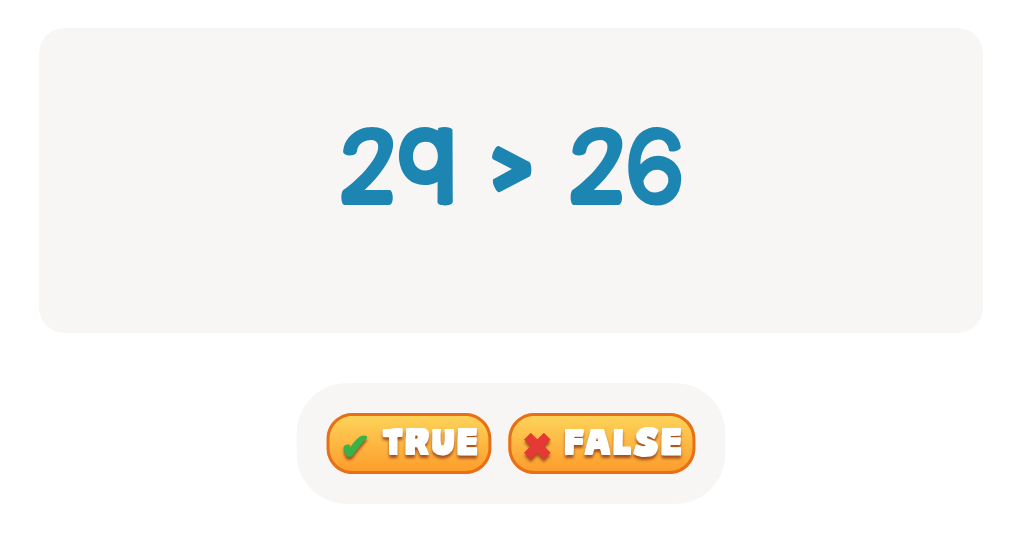
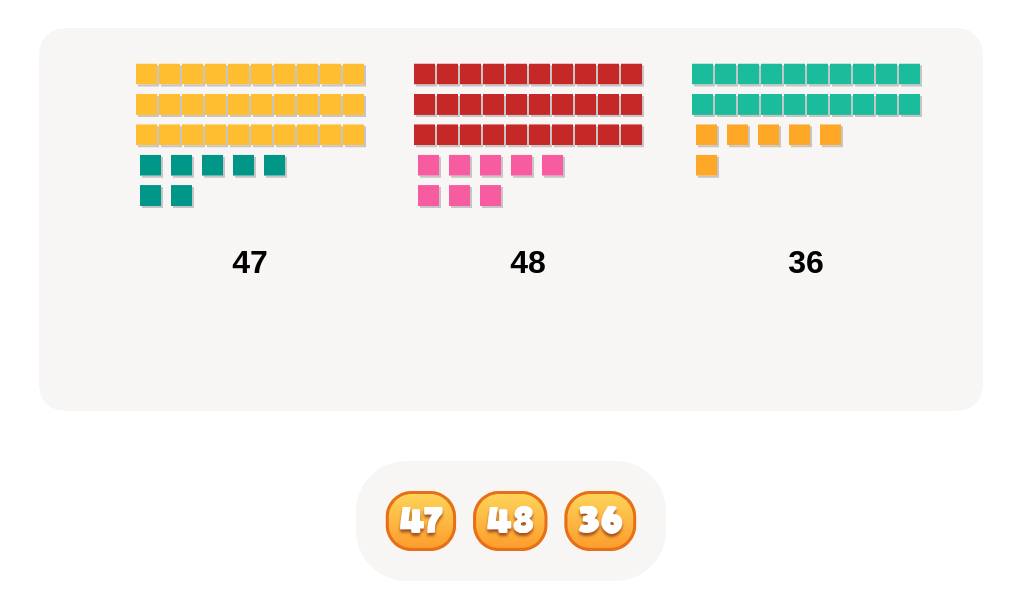
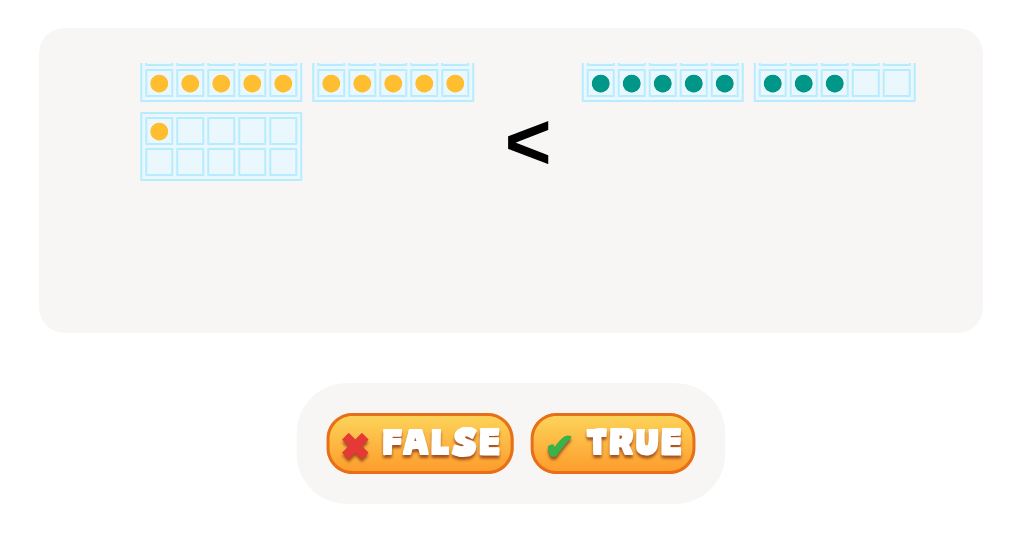
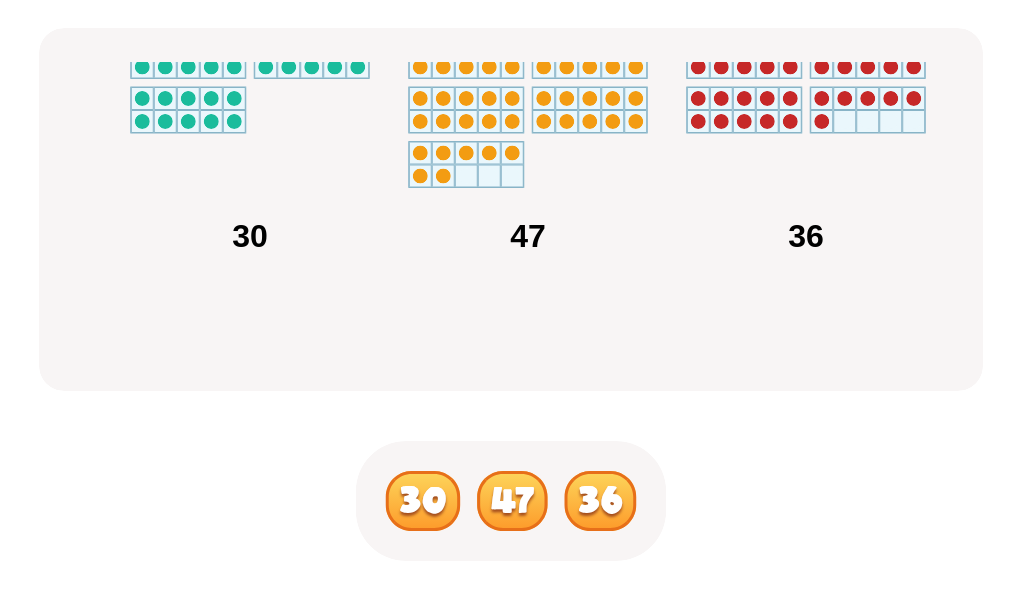
Improve your child’s number skills with our Number Recognition and Comparing Numbers Worksheets, crafted specifically for ages 8-9. These printable resources from Kids Academy engage students through fun, interactive activities designed to enhance their ability to identify and compare numbers. Perfect for in-class and at-home learning, the worksheets align with standard math curricula to reinforce essential math concepts. Each worksheet focuses on number recognition, ordering, and the foundational skills needed for advanced math. Help your child build confidence and excel in math with these expertly designed, easy-to-use worksheets! Access our extensive collection for free today.
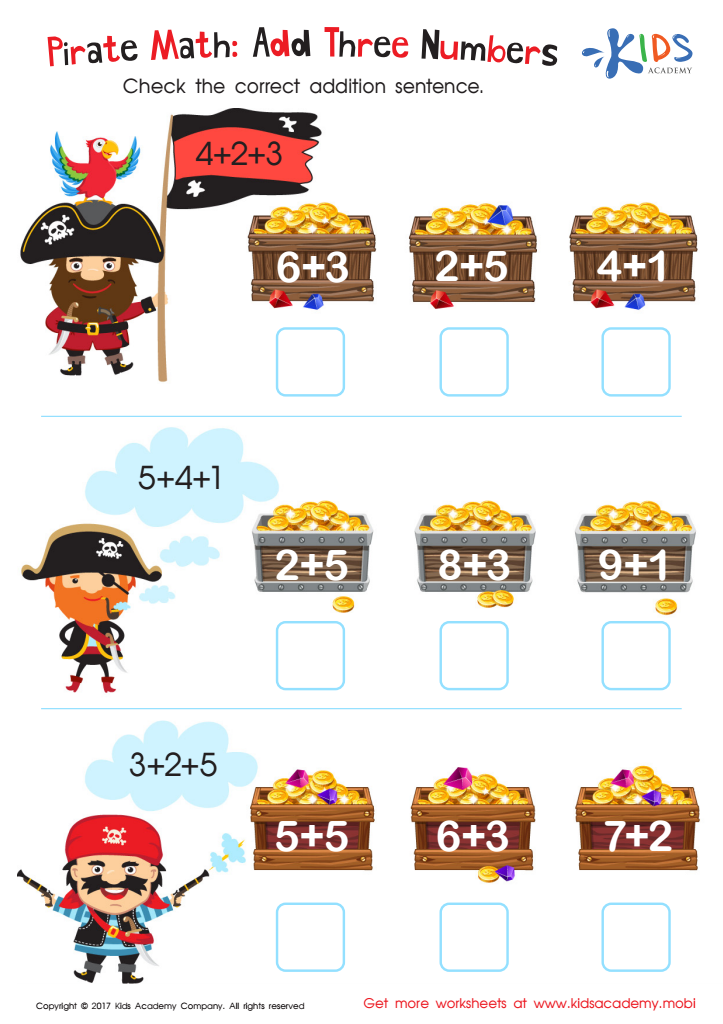
Pirate Math Printable
 Assign to My Students
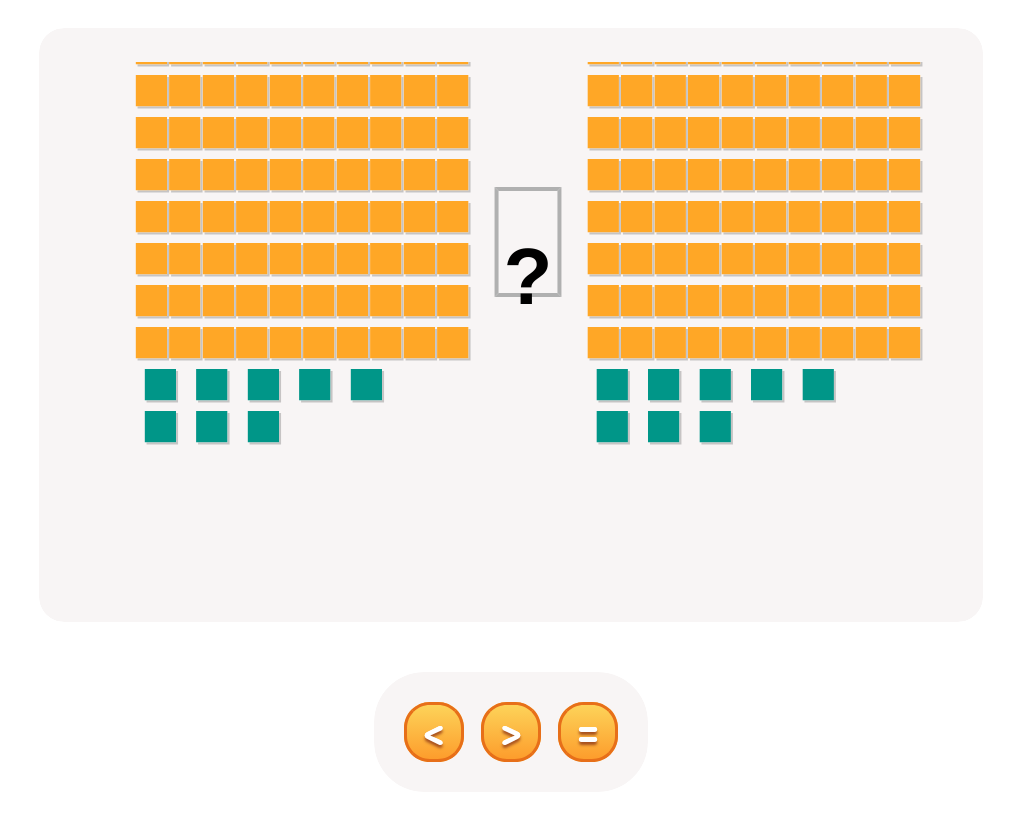

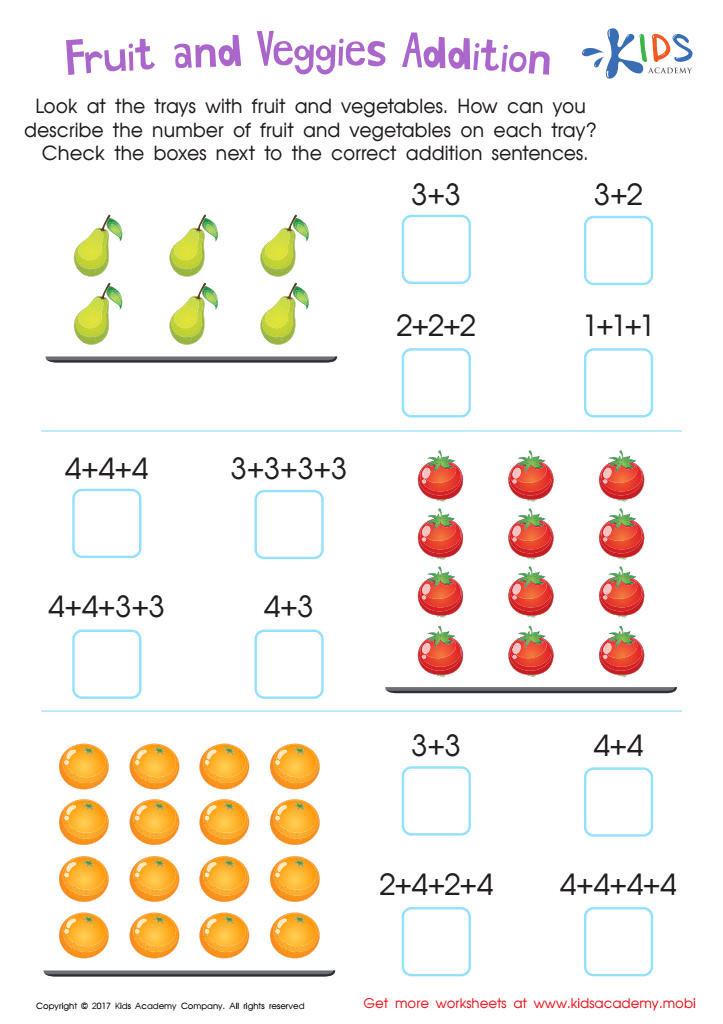
Fruit and Veggies Worksheet
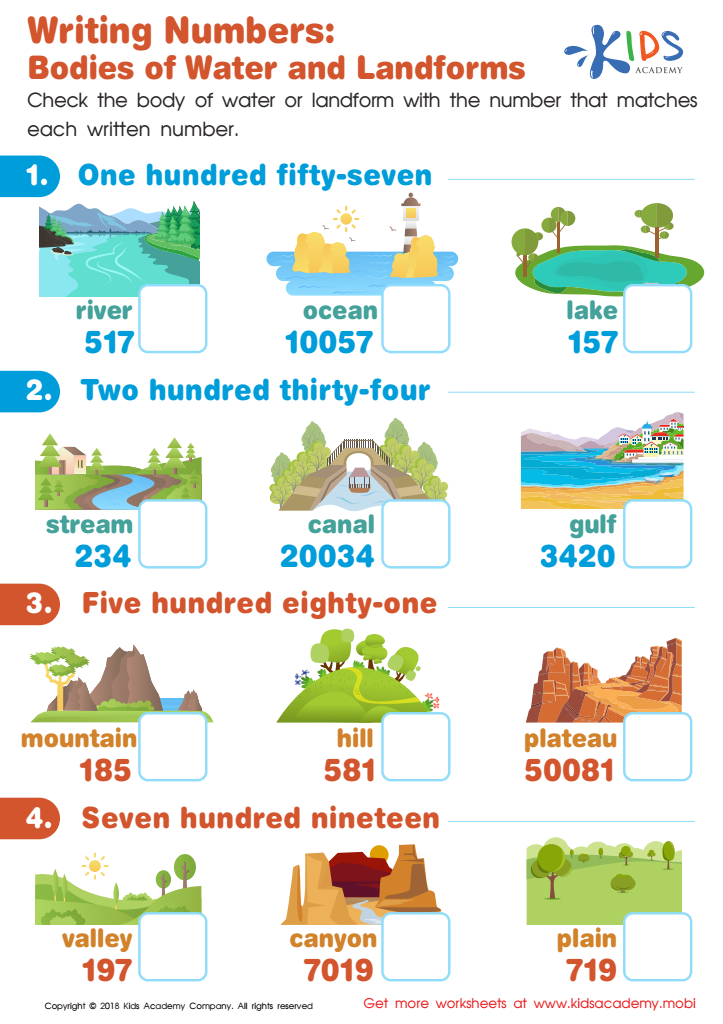
Bodies of Water and Landforms Writing Numbers Worksheet
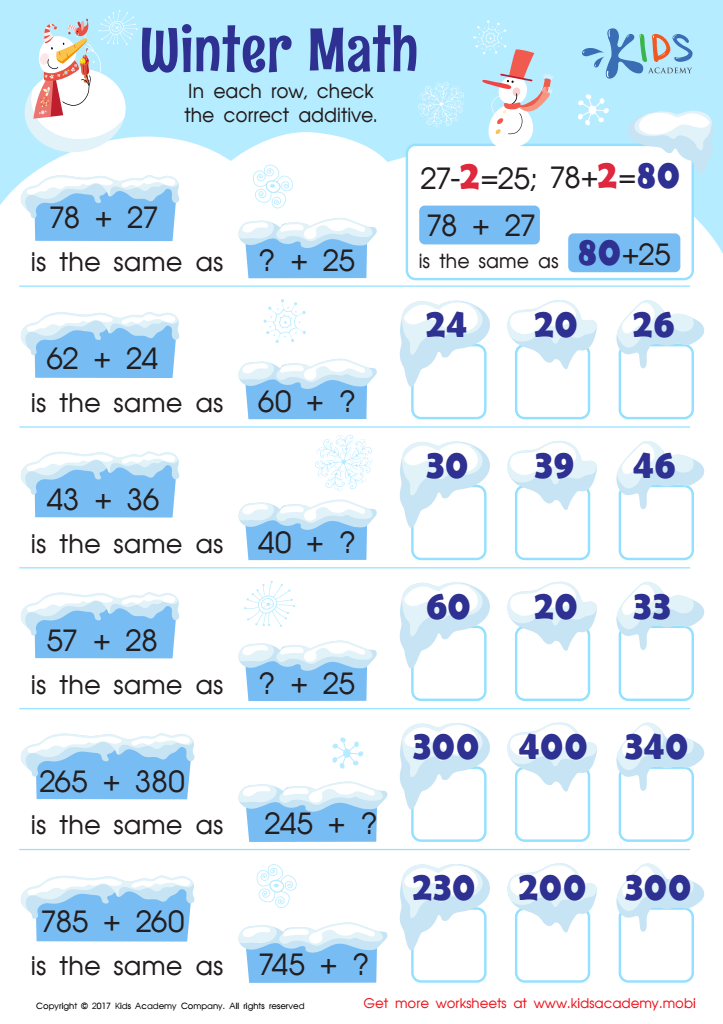
Free Addition Worksheet








Number recognition and comparing numbers are essential skills for children aged 8-9 as these concepts form the foundation on which more complex mathematical understanding is built. At this stage, children transition from simply recognizing numbers to being able to manipulate and compare them, setting the stage for higher math concepts such as addition, subtraction, place value understanding, fractions, and problem-solving.
Caring about number recognition normal compares merits attention because it reinforces logical thinking and analytical skills. When children compare numbers, they begin to understand numerical value, sequence, and the relationships between different numbers. This understanding is pivotal for real-world scenarios such as measurement, time management, and financial literacy.
Moreover, early grasp on number comparisons helps students develop confidence in their math abilities. This confidence can foster a positive attitude towards mathematics, which is crucial for ongoing academic success. It also enables teachers and parents to identify and address any learning gaps or difficulties early, ensuring students can progress at an appropriate pace.
Actively engaging with these concepts enhances cognitive development, critical thinking, and problem-solving skills—abilities that are highly valuable beyond academic settings. Therefore, both parents and teachers play a crucial role in nurturing these skills to provide a strong educational foundation and a bright future for their children.