
Letter recognition Normal Reading Worksheets for Ages 8-9
3 filtered results
Difficulty Level
Grade
Age
-
From - To
Subject
Activity
Standards
Enhance your child's literacy skills with our Letter Recognition Normal Reading Worksheets, designed specifically for ages 8-9. These engaging and interactive worksheets help young learners strengthen their ability to identify and understand letters in various contexts. With a variety of activities, children can practice letter recognition through fun exercises that support reading comprehension and vocabulary development. Our user-friendly format encourages independent learning, making it easy for parents and teachers to incorporate into their educational routines. Foster a love for reading while building essential skills that pave the way for future academic success. Download now and watch your child flourish in reading!
Favorites
With answer key
Interactive

Long and Short U Worksheet
Revised: Spice up your lesson on long and short vowels with this fun printout! Kids read the words "tube" and "tub," then reinforce the sound by coloring in the words and pictures. It's a great way to make phonics class enjoyable!
Download (PDF)
 Assign to My Students
Assign to My Students
Long and Short U Worksheet
Worksheet
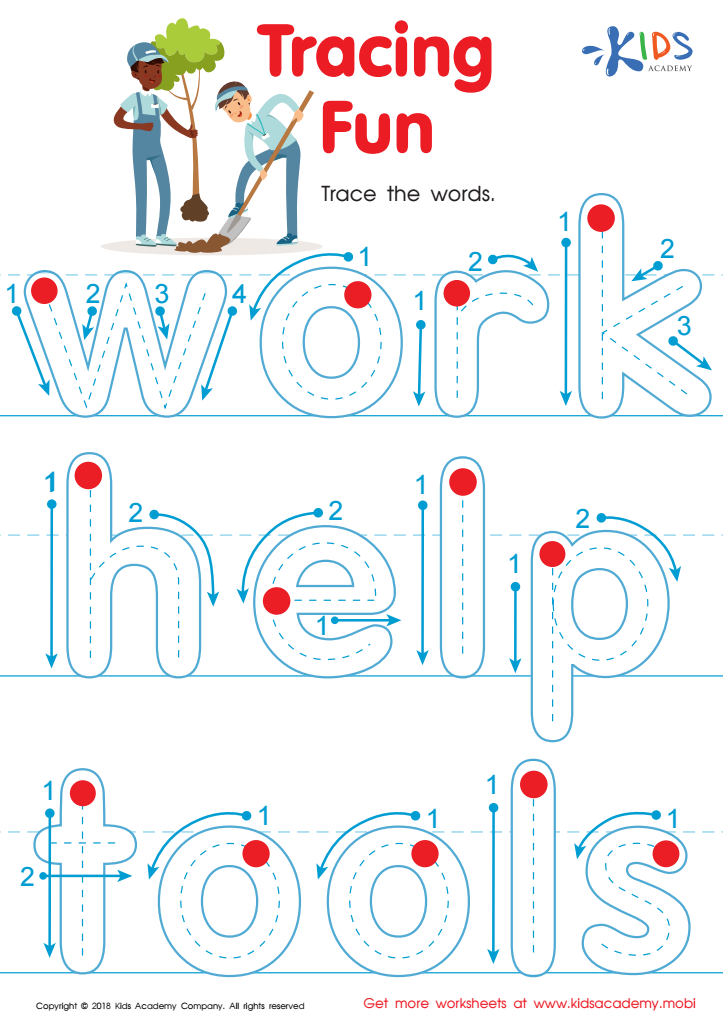
Tracing Fun Worksheet
Believe it or not, good handwriting helps with reading! Starting at the top left and writing legibly builds reading skills. This free worksheet helps little learners practice basic sight words. Red dots show them where to start and the words provide reinforcement without them realising. An enjoyable way to boost their reading and writing.
Tracing Fun Worksheet
Worksheet

Long and Short E Worksheet
This fun printout makes learning phonics enjoyable for Grade 3 students. Get them to read the words “tree” and “bed” to recognize the different sounds of the letter “E”. After hearing the words they can color the words and the pictures to understand differences between long and short vowels.
Download (PDF)
Assign to My Students
Assign to My Students
Long and Short E Worksheet
Worksheet
Join Kids Academy for Free
Who is primarily going to use this learning content?



.jpg)




Letter recognition is crucial for children aged 8-9 as it serves as a foundational skill for reading proficiency. At this age, children are transitioning from learning to read to reading to learn, making solid letter recognition essential. When children can effortlessly recognize letters, they can decode words more easily, allowing for smoother reading experiences. This, in turn, reduces frustration and builds confidence in their abilities.
Parents and teachers should care about letter recognition at this stage because it directly impacts literacy development. Mastery in letter recognition enhances spelling skills, vocabulary comprehension, and overall reading fluency. When young learners struggle with recognizing letters, they may face challenges in understanding texts and engaging with curriculum content effectively.
Additionally, fostering letter recognition creates a love for reading and learning. Children who feel competent are more likely to explore texts independently, enhancing their knowledge and stimulating their imagination. It also forms a basis for critical thinking and communication skills, both essential for academic success.
Ultimately, prioritizing letter recognition ensures that students not only perform better in reading tasks but also enjoy the journey of learning, leading to a lifelong appreciation for reading and academic achievement.








