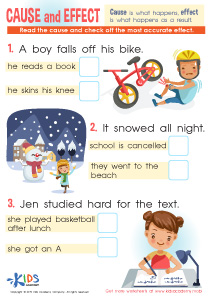
Vocabulary development Normal Reading Non-Fiction Worksheets for Ages 8-9
3 filtered results
-
From - To
Enhance your child's vocabulary with our engaging Vocabulary Development Non-Fiction Worksheets designed specifically for ages 8-9. These thoughtfully crafted worksheets introduce young learners to essential concepts through interesting non-fiction texts, aiding comprehension and vocabulary growth. With interactive exercises, children will explore new words, understand their meanings, and learn to use them effectively in context. Our resources foster critical thinking and expand knowledge in various subjects, making learning both educational and enjoyable. Perfect for home or classroom use, these worksheets are an excellent tool to prepare your child for academic success while sparking their curiosity about the world. Discover the joy of learning today!
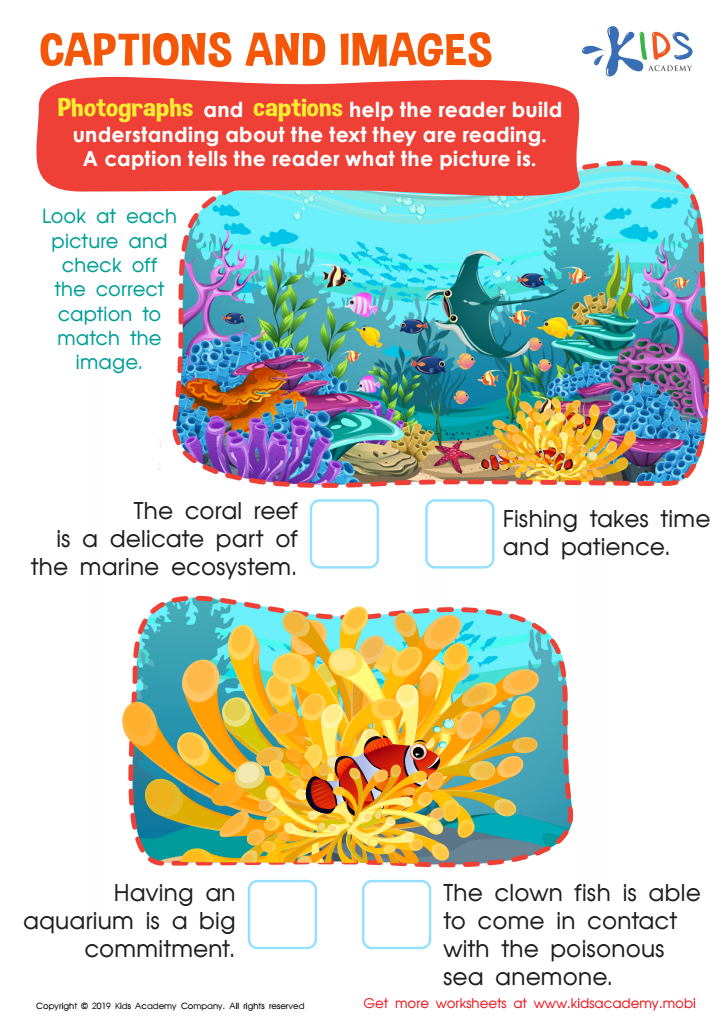
Captions and Images Worksheet
 Assign to My Students
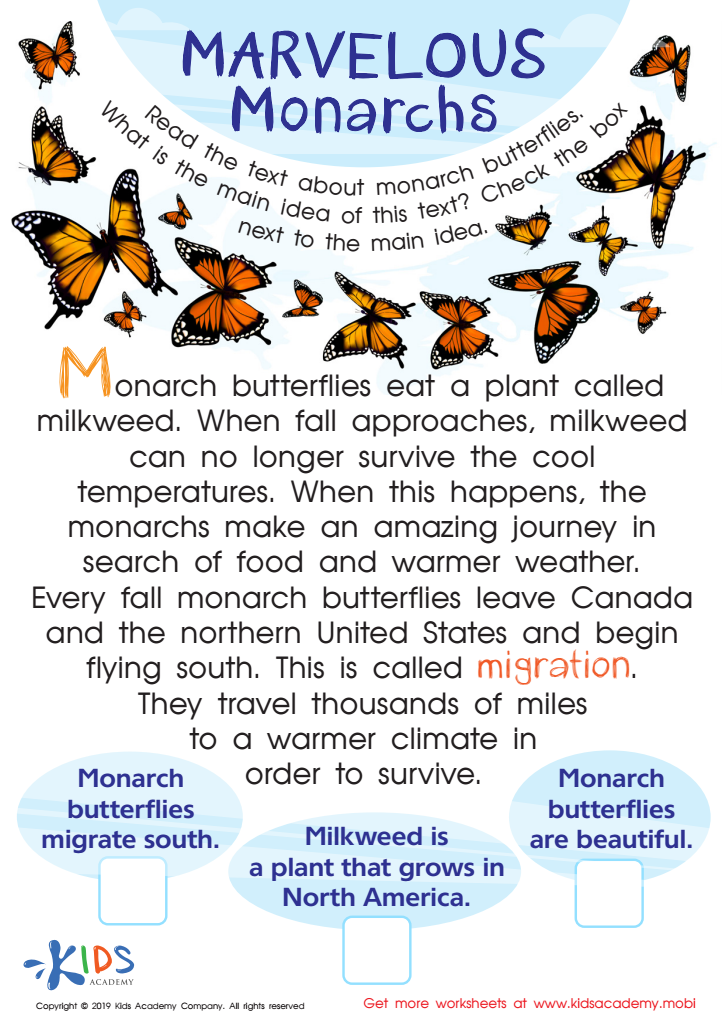
Marvelous Monarchs Worksheet
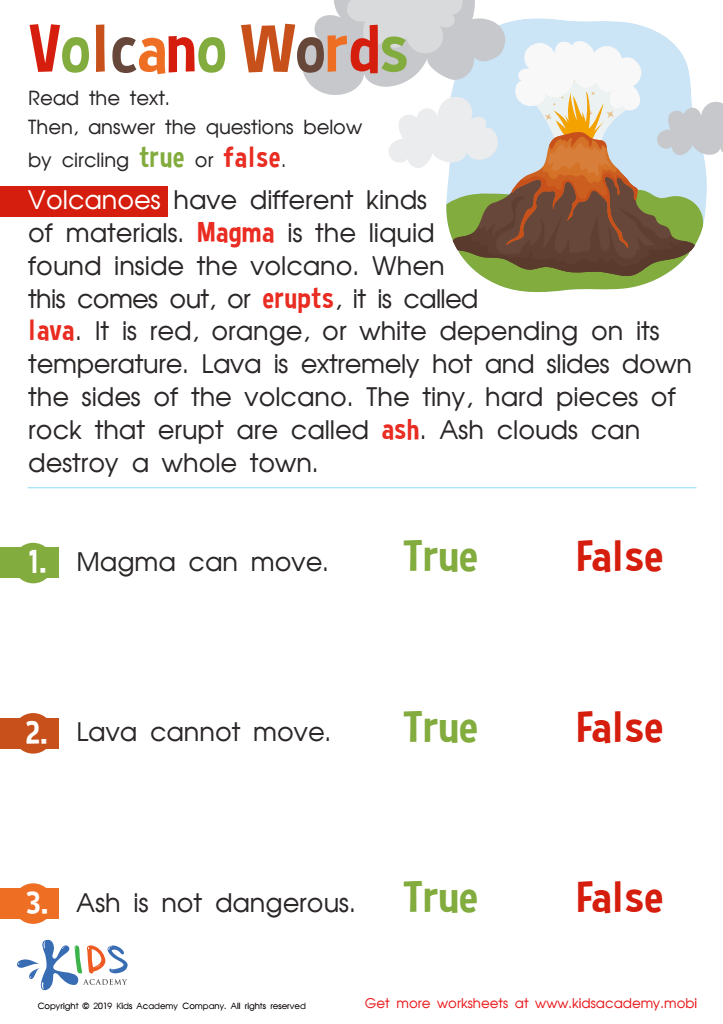
Volcano Words Worksheet








Vocabulary development is crucial for children aged 8-9, particularly in the context of reading non-fiction. At this age, children are transitioning from learning to read to reading to learn. Enhanced vocabulary is foundational for comprehension, allowing children to grasp essential concepts and ideas presented in non-fiction texts, which often include complex themes and specialized language.
Understanding a broad range of vocabulary enables children to engage with diverse subjects, from science to history, fostering a curiosity about the world around them. When children can decode words and comprehend their meanings, they’re better equipped to analyze information, draw conclusions, and retain knowledge—key skills that will benefit them academically in the long run.
Moreover, vocabulary development supports critical thinking and communication skills. As children articulate their thoughts using a richer vocabulary, they learn to express themselves more clearly and convincingly, building confidence in both academic and social settings. For parents and teachers, prioritizing vocabulary development ensures children become adept readers and learners, paving the way for future academic success. Investments in vocabulary now will not only benefit children in their current educational endeavors but will also set the stage for lifelong learning and intellectual engagement.