Mathematical reasoning Normal Science Worksheets for Ages 8-9
3 filtered results
-
From - To
Discover our engaging "Mathematical Reasoning Normal Science Worksheets" tailored for children aged 8-9. These worksheets blend science concepts with mathematical reasoning, helping young learners develop critical thinking and problem-solving skills while exploring intriguing scientific topics. Designed for classroom or home use, our resources offer diverse activities that encourage students to analyze data, recognize patterns, and apply mathematical skills in real-world contexts. Perfect for supporting curriculum objectives, our worksheets are user-friendly, visually appealing, and ideal for reinforcing key concepts in a fun and interactive way. Equip your child with the skills they need to thrive in both math and science with our thoughtfully crafted worksheets!
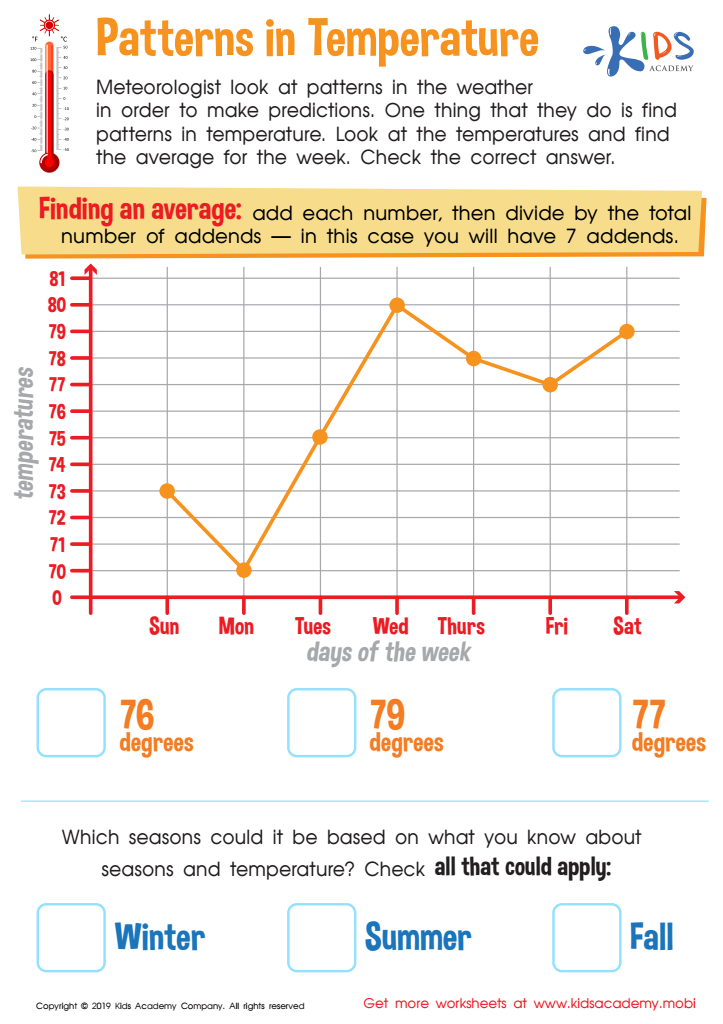
Patterns in Temperature Worksheet
 Assign to My Students
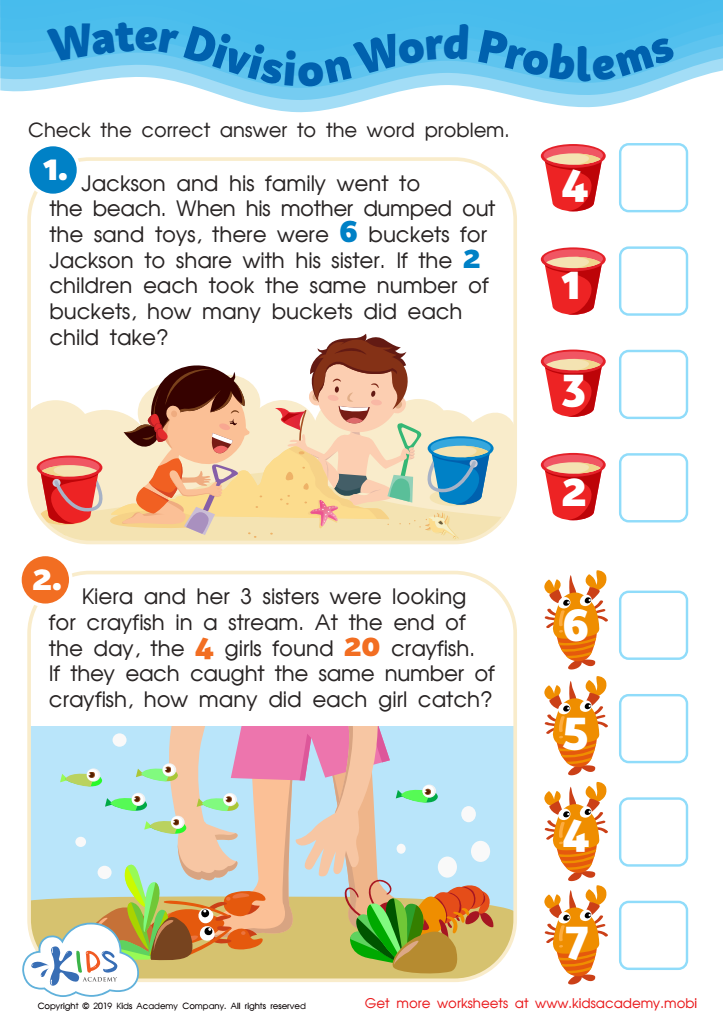
Water Division Word Problems Worksheet
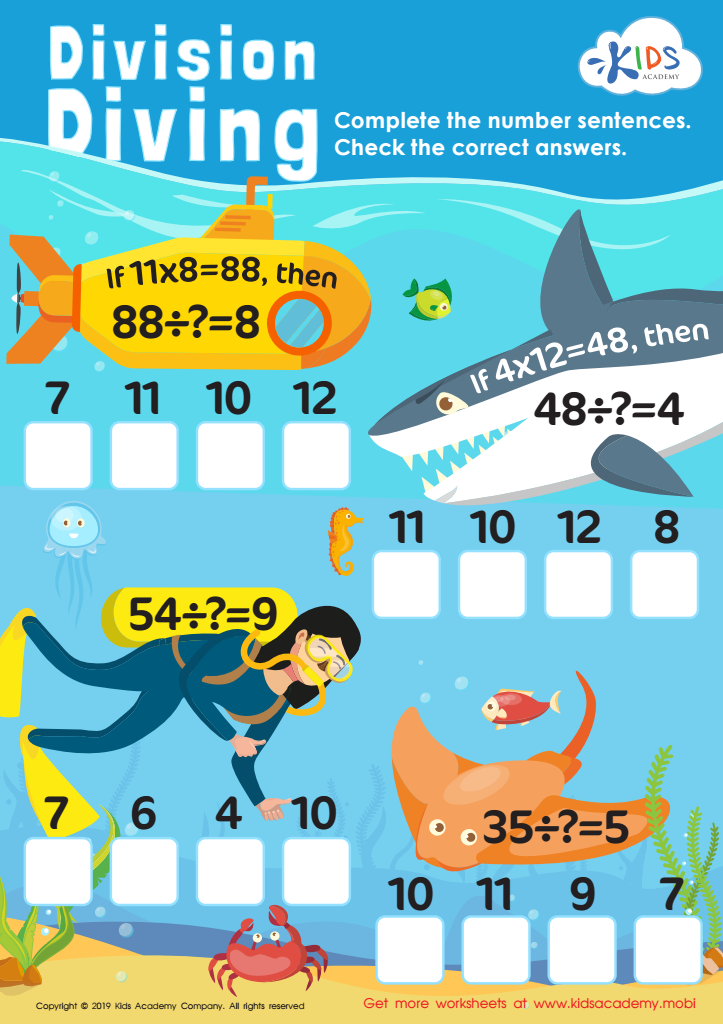
Division Diving Worksheet








Mathematical reasoning is a foundational component of a child's education, particularly for students aged 8 to 9. At this age, children begin to grasp more complex mathematical concepts and relationships, making it crucial for parents and teachers to foster strong reasoning skills. Understanding mathematical reasoning enables children to approach problems logically, make connections between different mathematical ideas, and think critically about their solutions.
Learning through a normal science approach means incorporating real-world contexts and scientific methods into mathematics, helping students appreciate the relevance of their studies. It promotes inquiry-based learning, where children explore problems, formulate hypotheses, and test their ideas. This exploration aids in developing not only mathematical reasoning but also problem-solving and analytical skills.
Furthermore, strong reasoning skills lay the groundwork for future learning across all subjects, as data interpretation, logic, and systematic thinking are integral in science and technology fields. When parents and teachers emphasize mathematical reasoning, they equip children with the tools necessary to navigate everyday situations, enhance their academic performance, and foster a lifelong love of learning. Ultimately, supporting a child's development in this area prepares them for more complex challenges ahead, ensuring a stronger foundation for their educational journey.







