Map reading skills Normal Geography Worksheets for Ages 8-9
4 filtered results
-
From - To
Enhance your child's map reading skills with our comprehensive Geography Worksheets, tailored specifically for ages 8-9! These engaging, printable resources are designed to make learning fun while building essential skills in map navigation and interpretation. Through a variety of interactive exercises, children will master key concepts such as scale, symbols, and cardinal directions. Our worksheets encourage critical thinking and spatial awareness, setting the foundation for a strong understanding of geography. Perfect for classroom use or at-home learning, these worksheets will inspire a love for exploration and discovery, turning young learners into proficient map readers. Start your adventure in geography today!
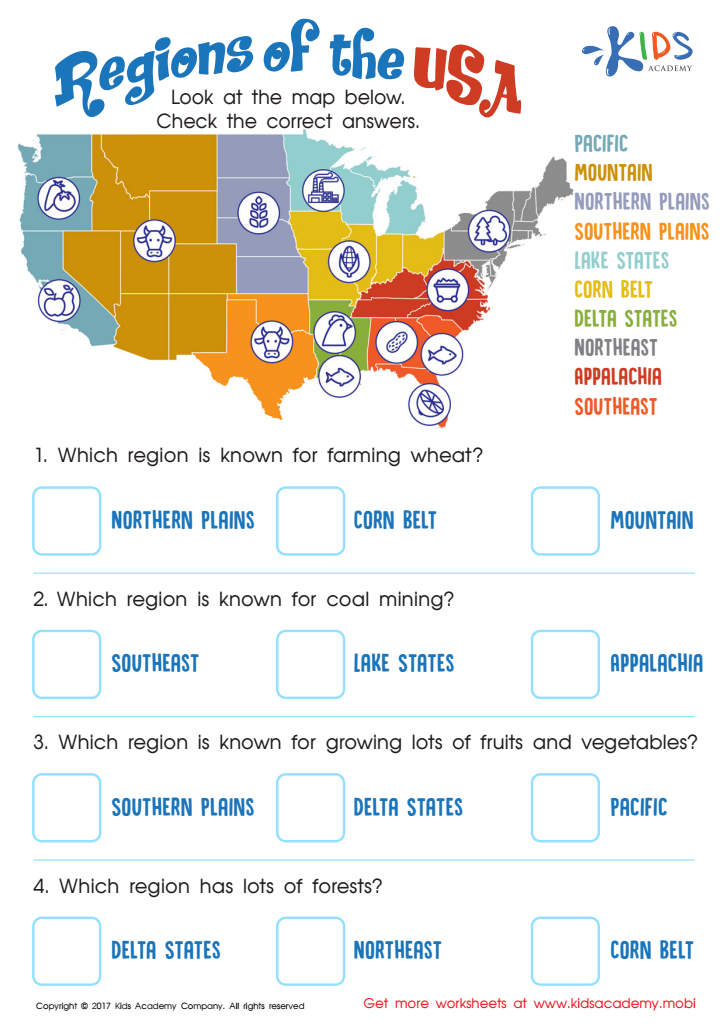
Regions of the USA Worksheet
 Assign to My Students
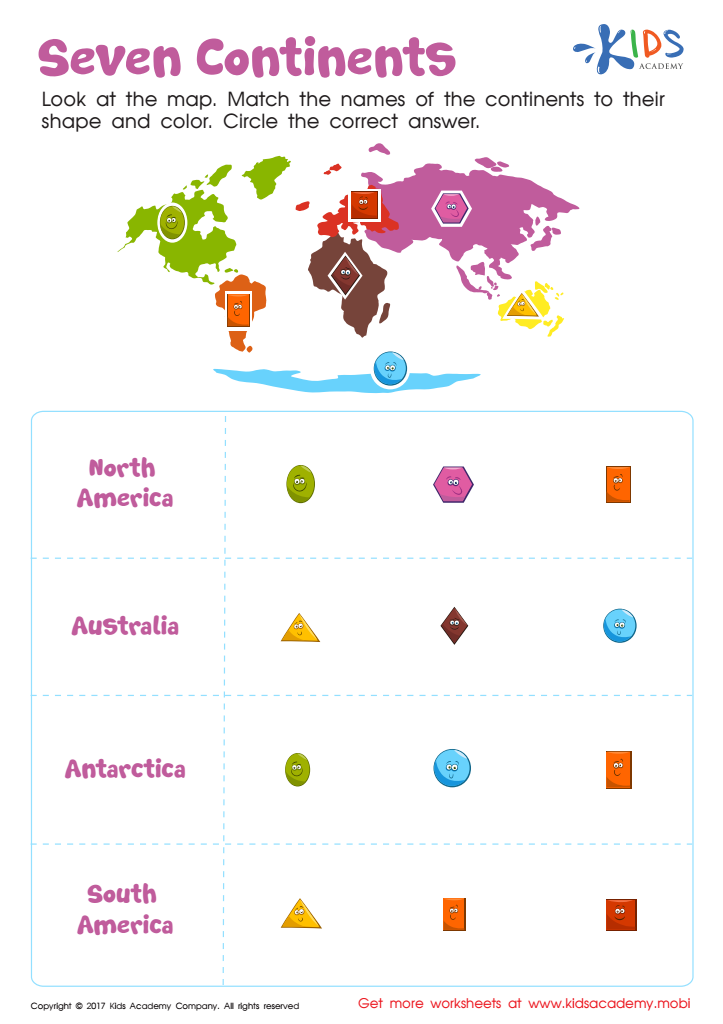
Seven Continents Worksheet
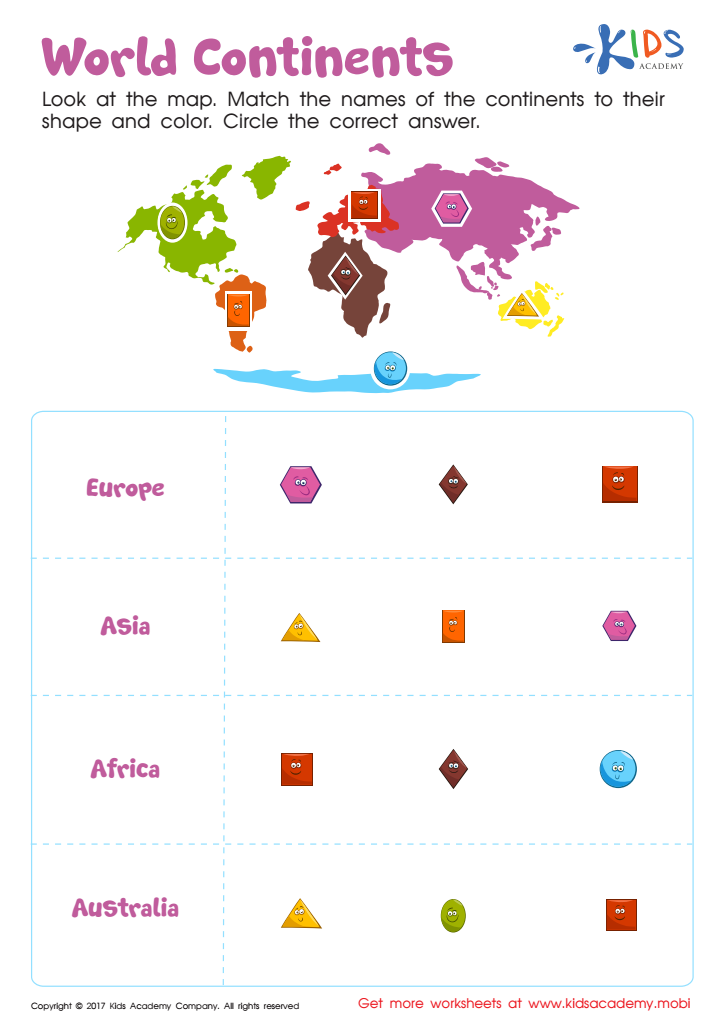
World Continents Worksheet
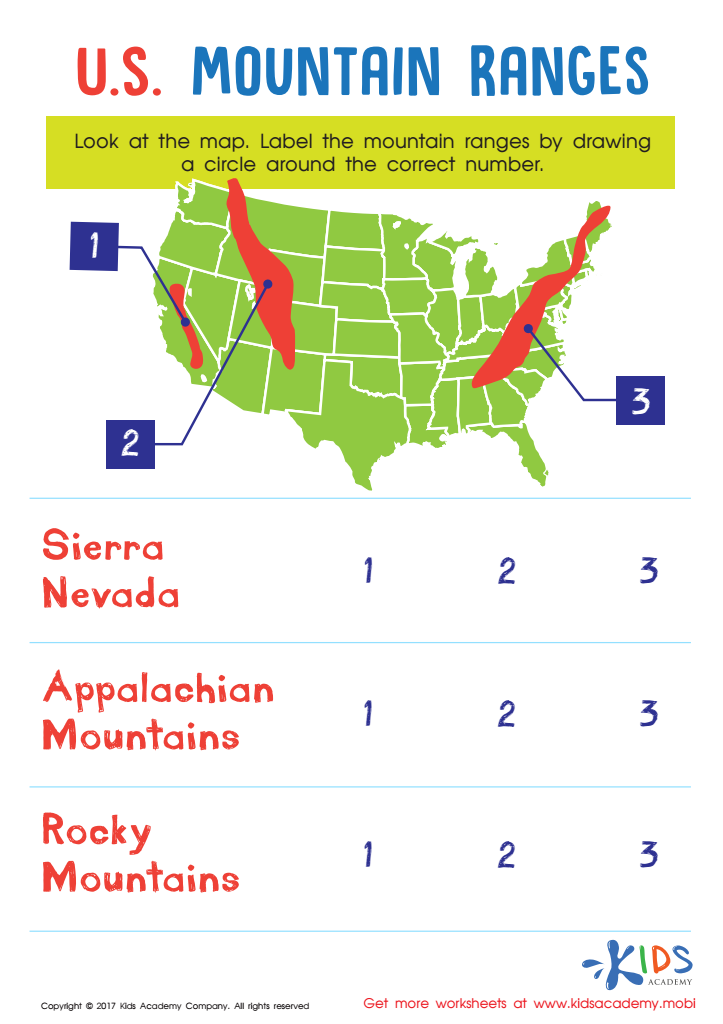
US Mountain Ranges Worksheet


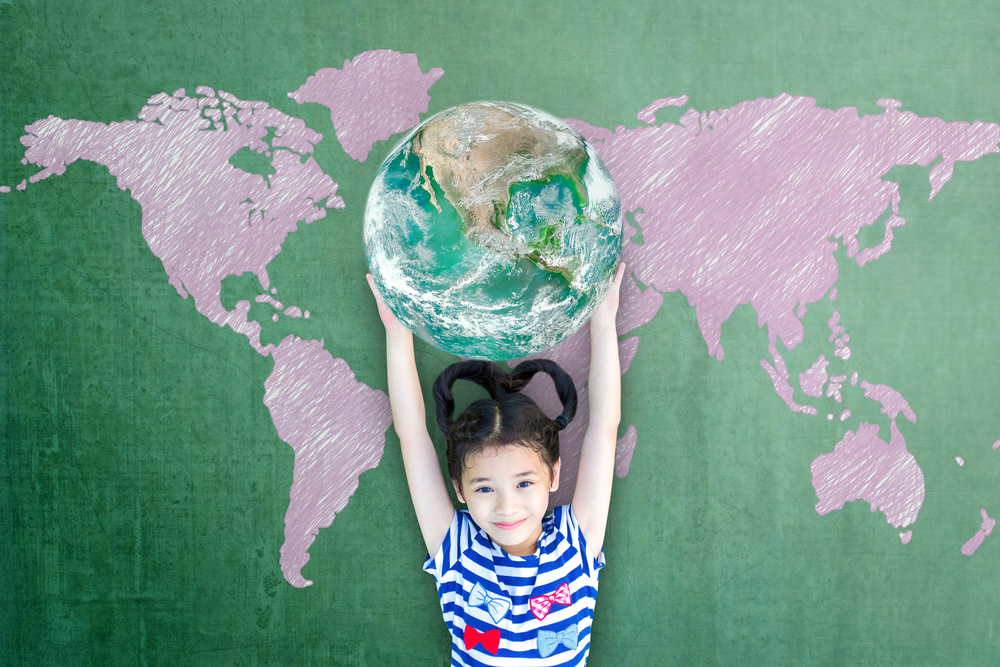



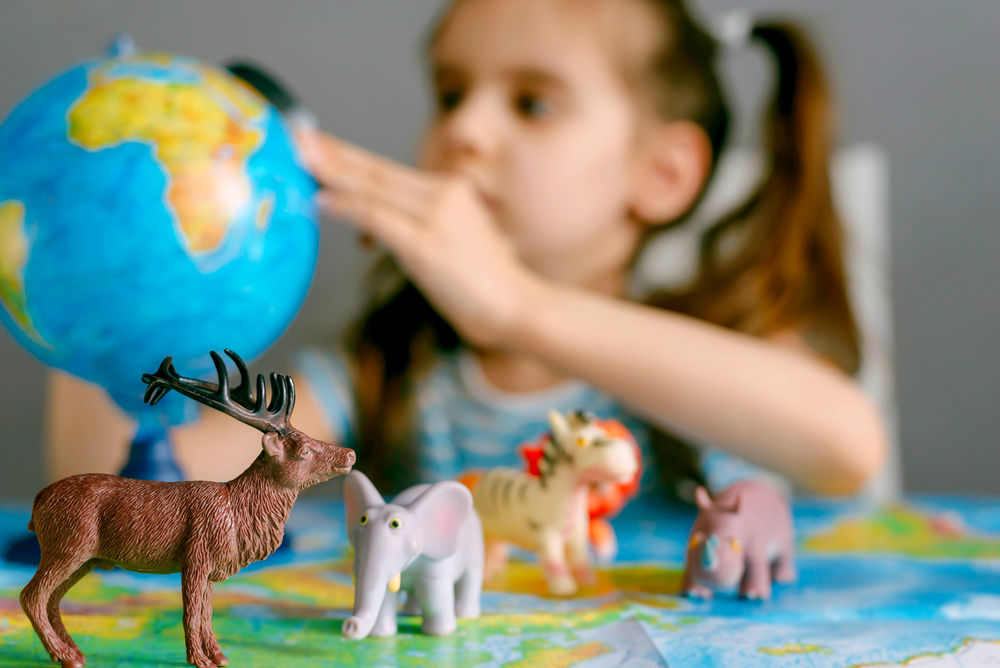
Map reading skills are essential for children aged 8-9 as they foster critical thinking, spatial awareness, and independence. During this developmental stage, children are naturally curious and increasingly capable of grasping abstract concepts. Proficiency in reading maps helps them understand their environment, neighborhood, and the world at large. This not only boosts their geographical knowledge but also enhances their ability to connect with their surroundings.
Additionally, mastering these skills supports academic performance across various subjects. Geography nurtures mathematical skills such as scaling and measurement while reinforcing vocabulary and reading comprehension. Parents and teachers can use map reading not just in geography classes but also during field trips or even recreational activities, making learning more engaging and applicable.
Furthermore, map reading cultivates life skills pertinent to navigation and decision-making. Navigating routes or understanding transportation systems empowers children with self-reliance and confidence. In an increasingly digital world, where GPS dominates, having traditional map skills encourages a balanced approach to both technological and fundamental geographical understanding. Thus, fostering map reading skills is crucial for developing well-rounded, informed, and capable individuals, making it a shared responsibility for parents and educators alike.