Alphabet Recognition Normal ABC Letters Worksheets for 8-Year-Olds
18 filtered results
-
From - To
Enhance your child's alphabet recognition skills with our compelling collection of Normal ABC Letters Worksheets designed for 8-year-olds. These meticulously crafted worksheets from Kids Academy provide an engaging way to reinforce alphabet mastery, improve handwriting, and elevate reading readiness. Each worksheet offers fun, educational activities tailored to maintain children’s interest while solidifying their understanding of both upper and lower case letters. Our resources aim to boost confidence and academic success in young learners. Explore and download from our assorted selection to make alphabet learning an enjoyable and productive experience for your child today!
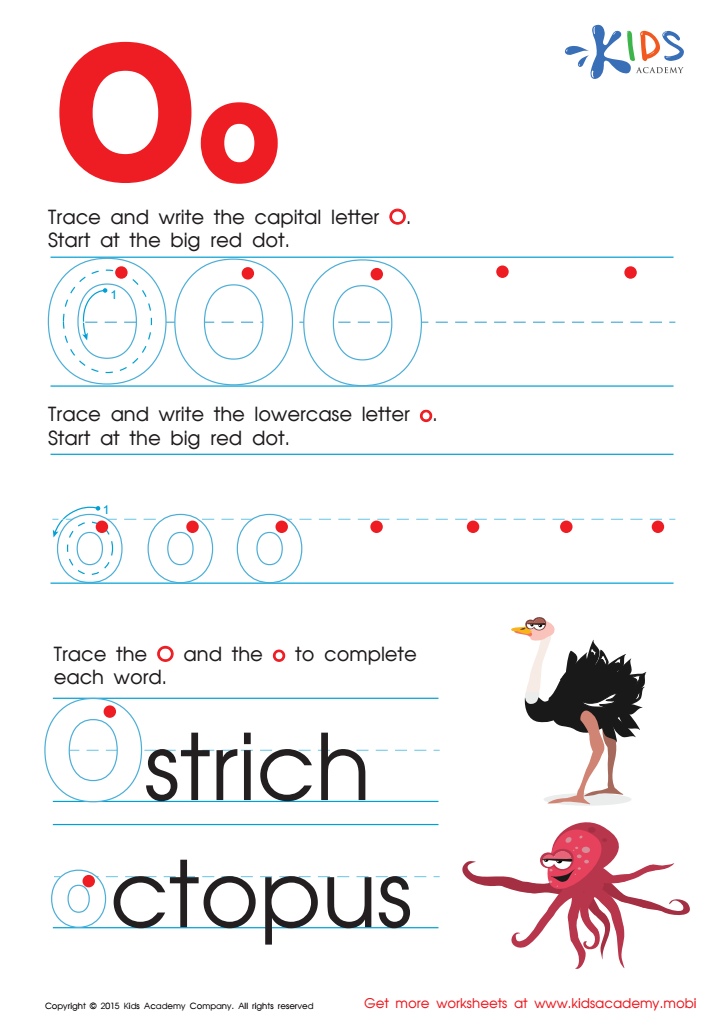
Letter O Tracing Page

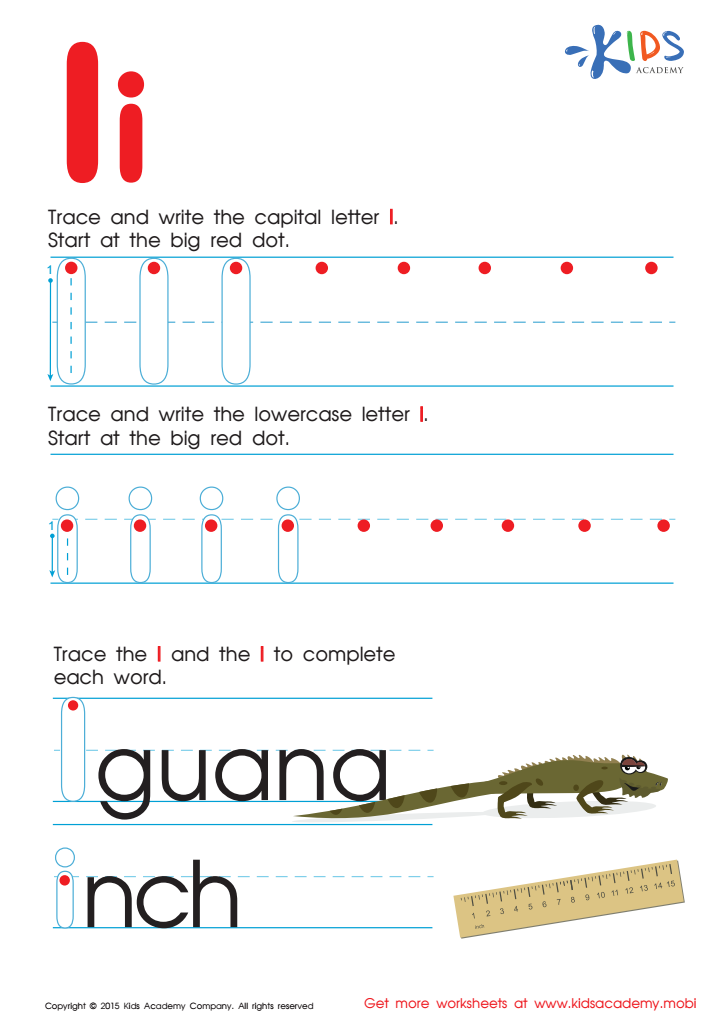
Letter I Tracing Page
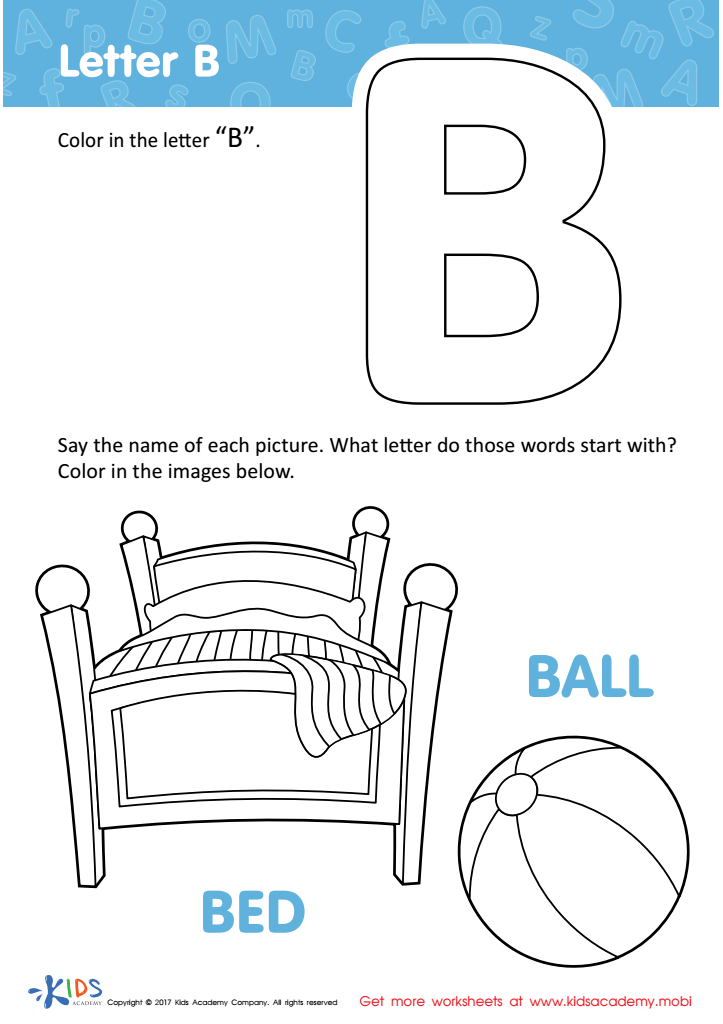
Letter B Coloring Sheet
 Assign to My Students
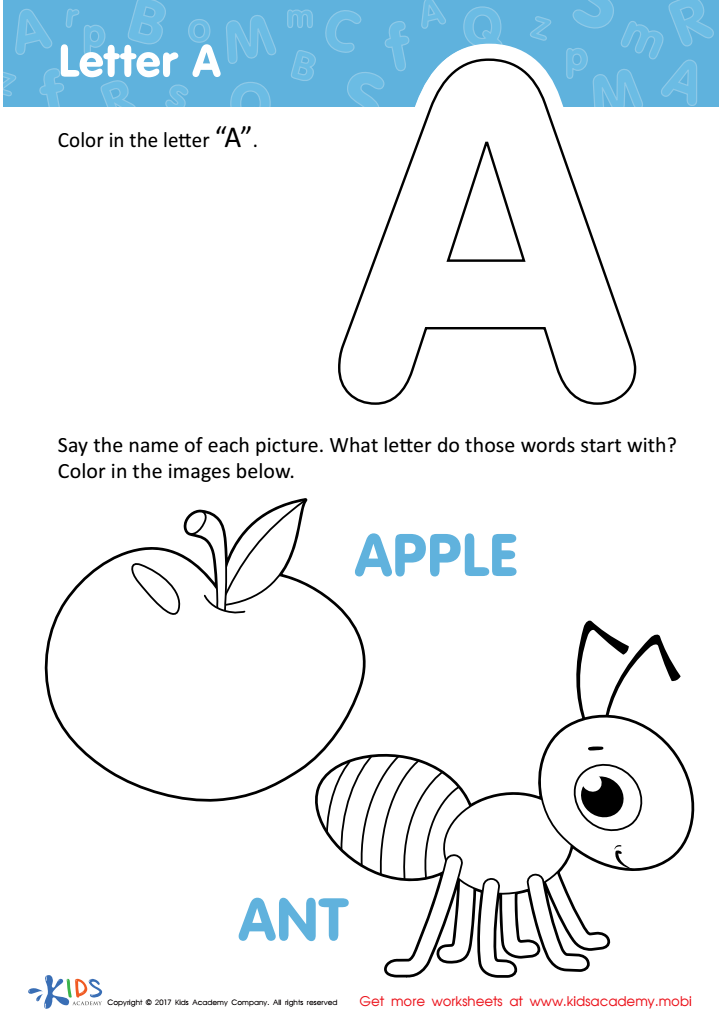
Letter A Coloring Sheet
Assign to My Students
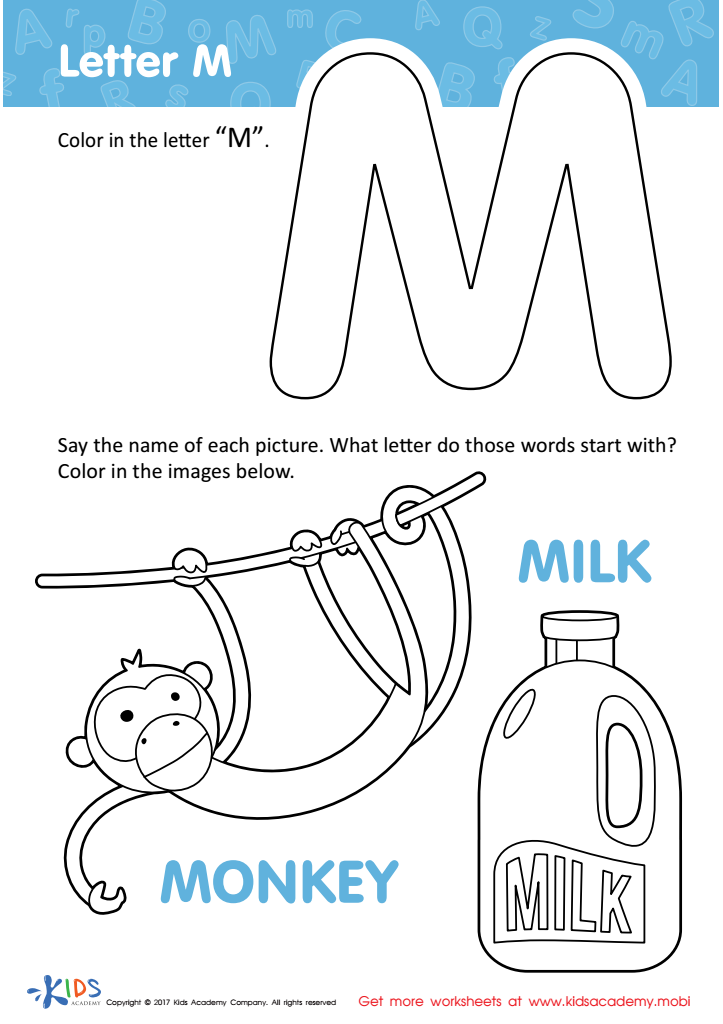
Letter M Coloring Sheet
Assign to My Students
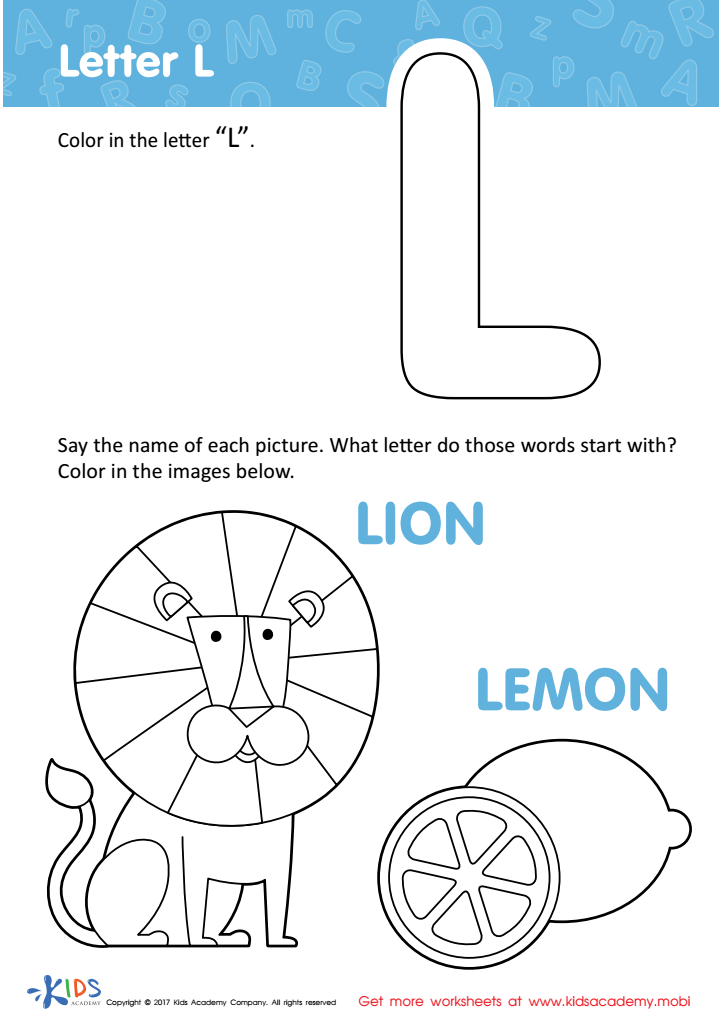
Letter L Coloring Sheet
Assign to My Students

Letter C Tracing Page
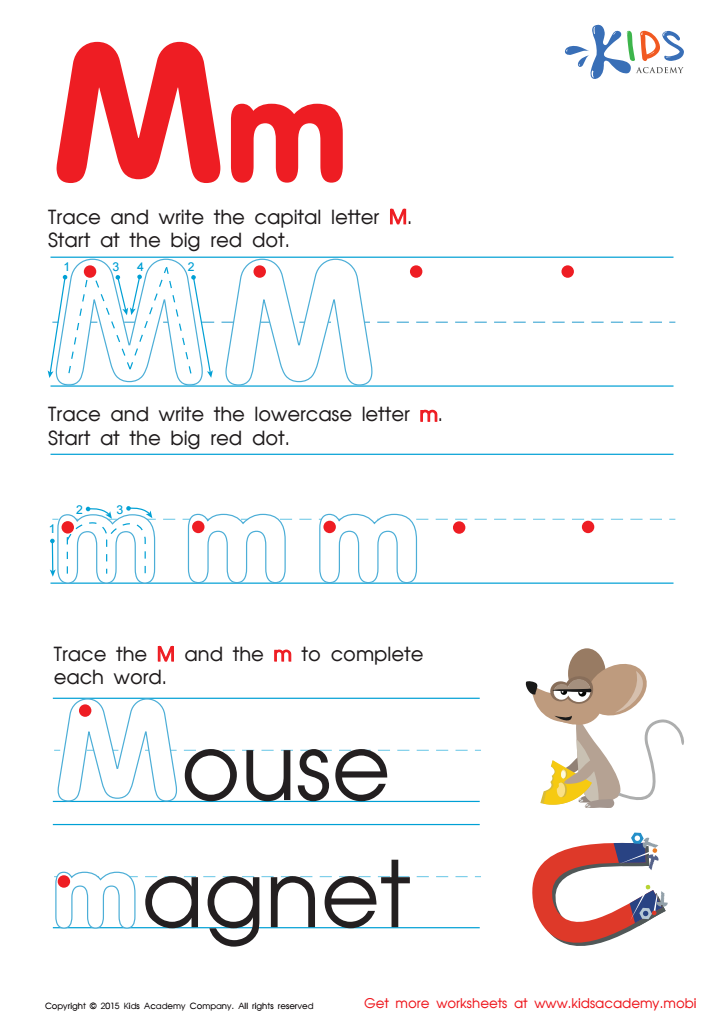
Letter M Tracing Page
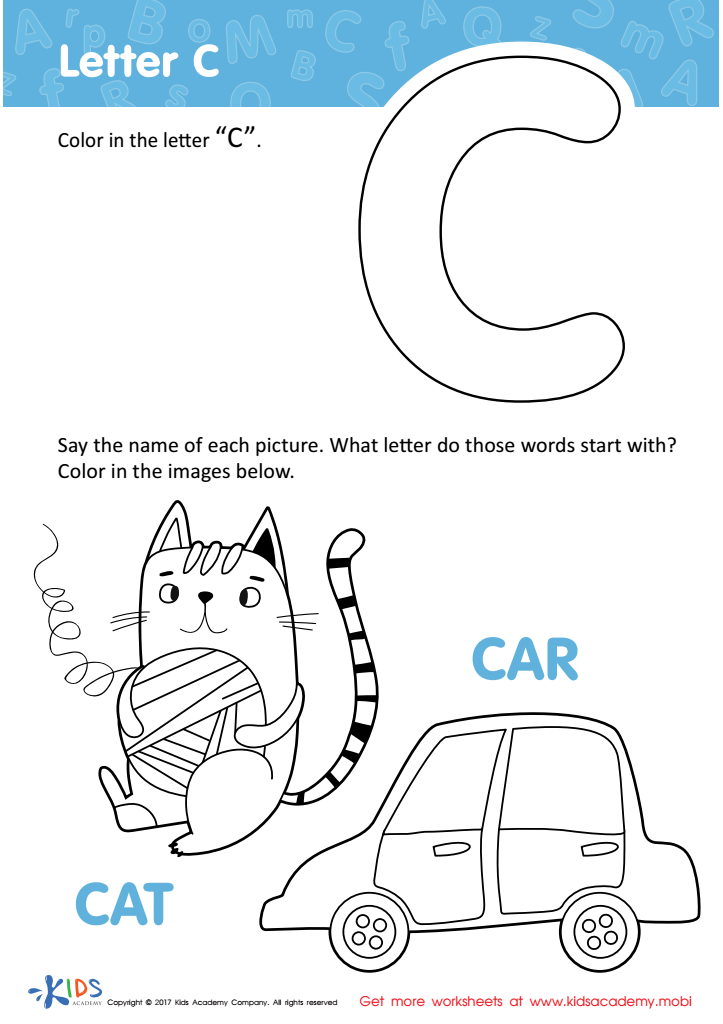
Letter C Coloring Sheet
Assign to My Students
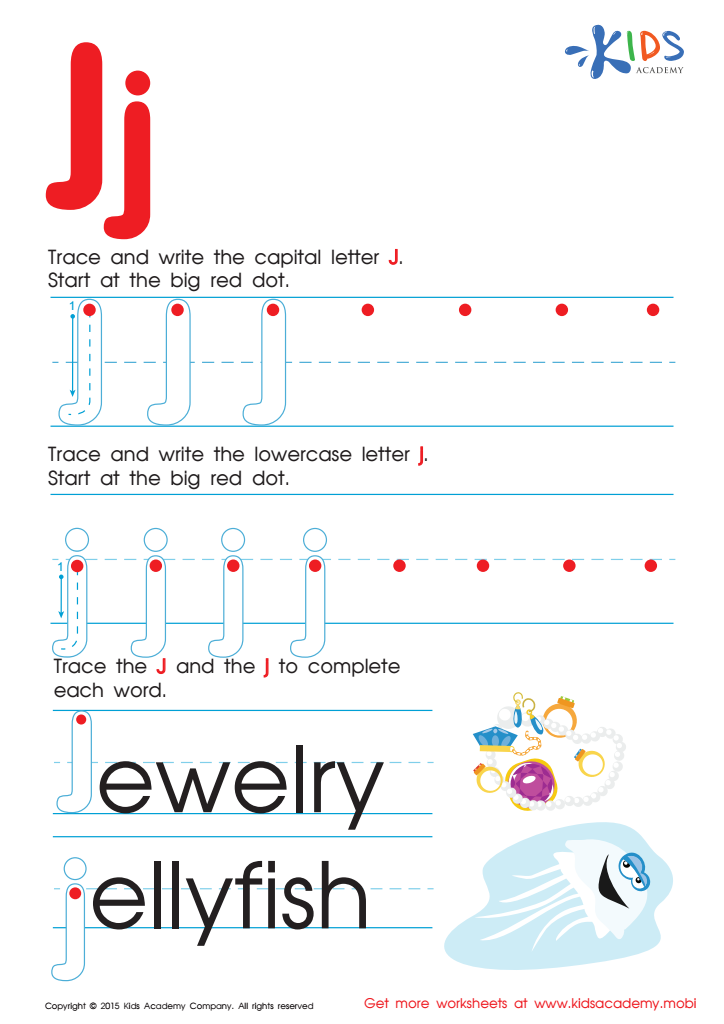
Letter J Tracing Page
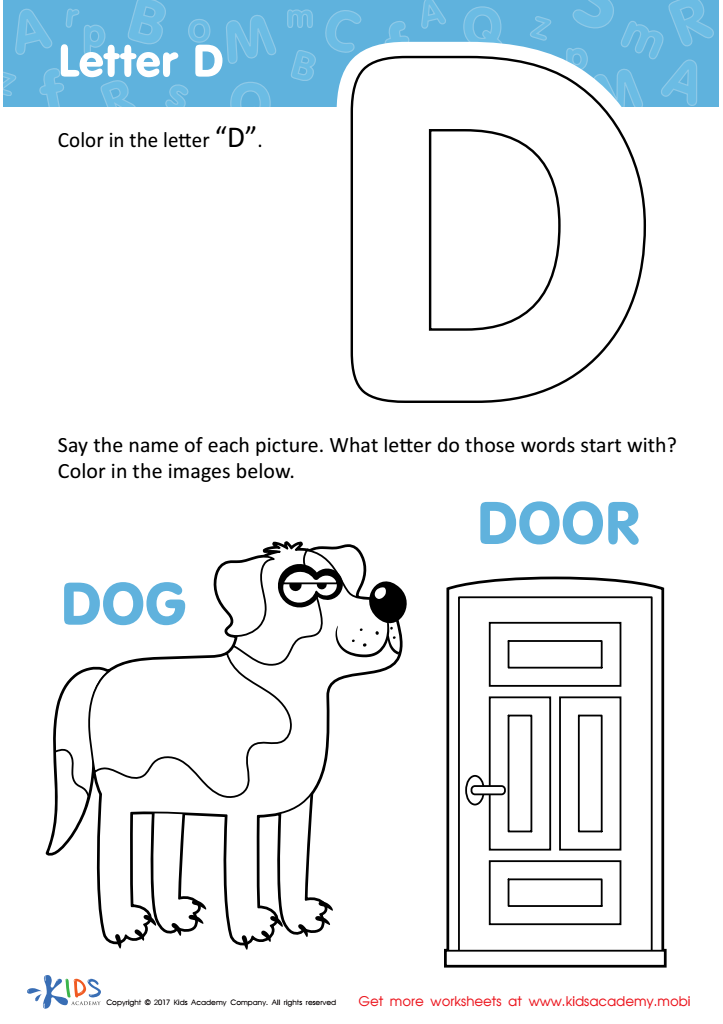
Letter D Coloring Sheet
Assign to My Students
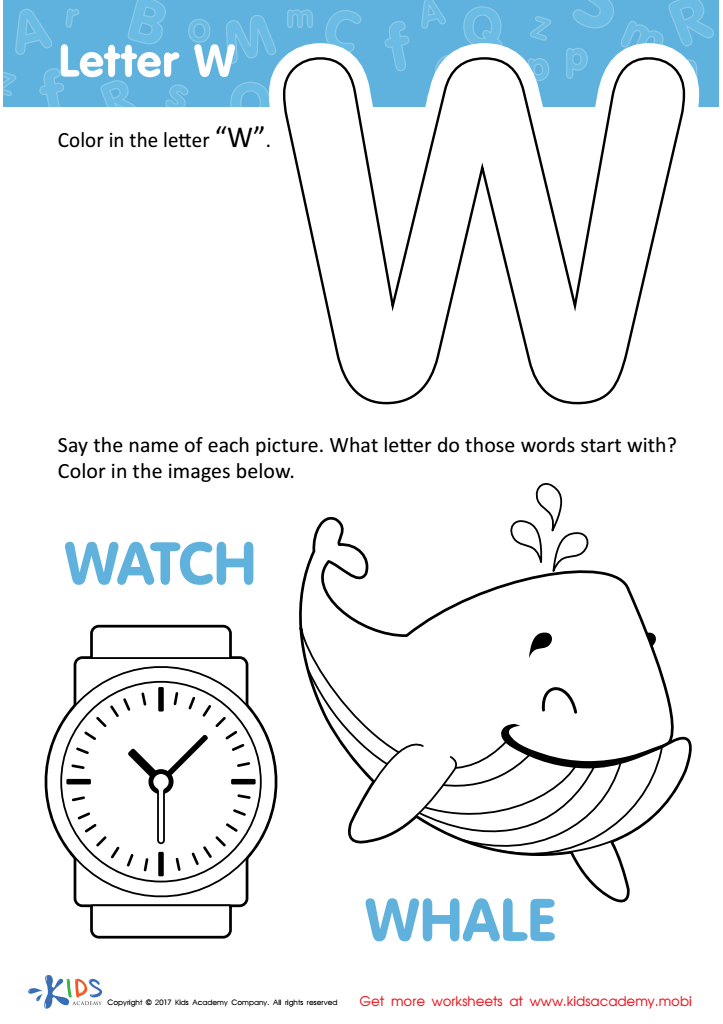
Letter W Coloring Sheet
Assign to My Students
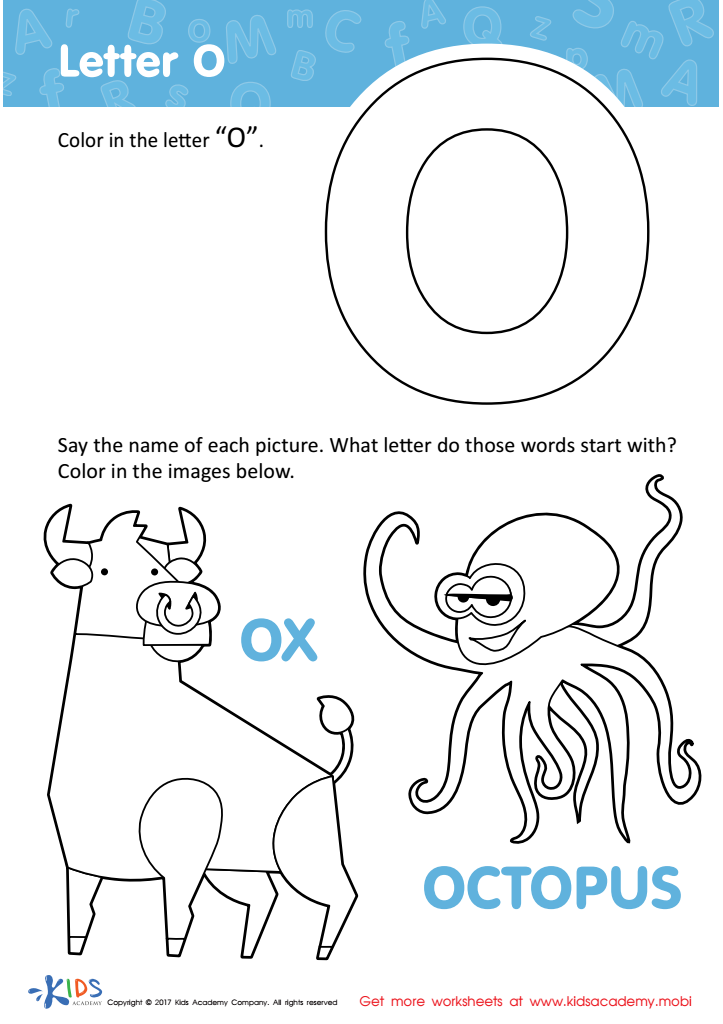
Letter O Coloring Sheet
Assign to My Students
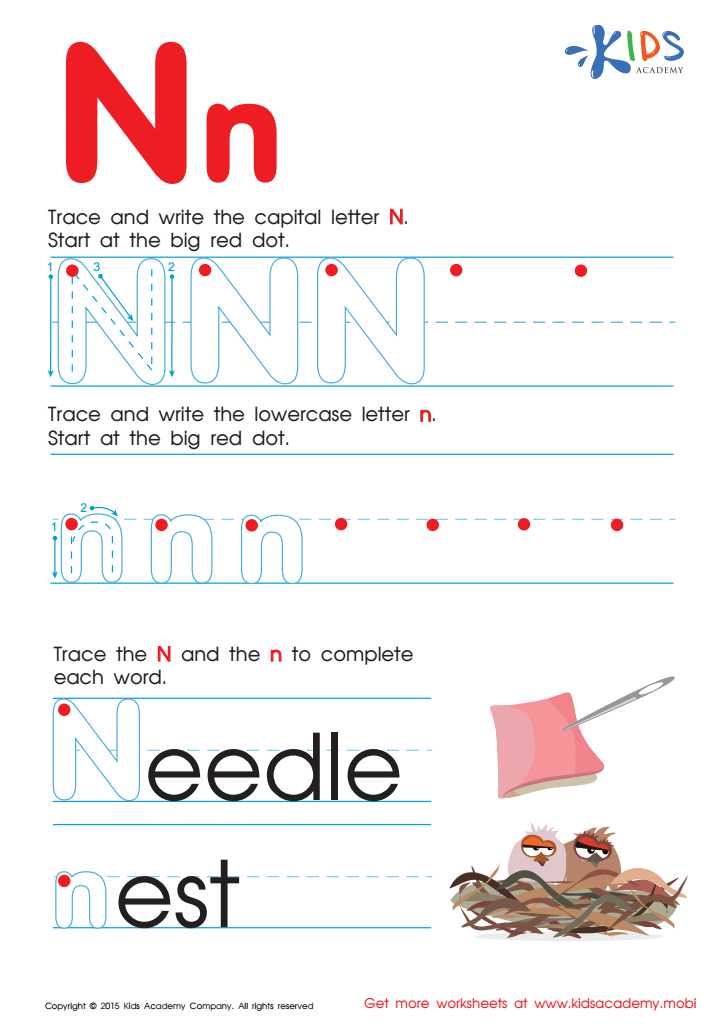
Letter N Tracing Page
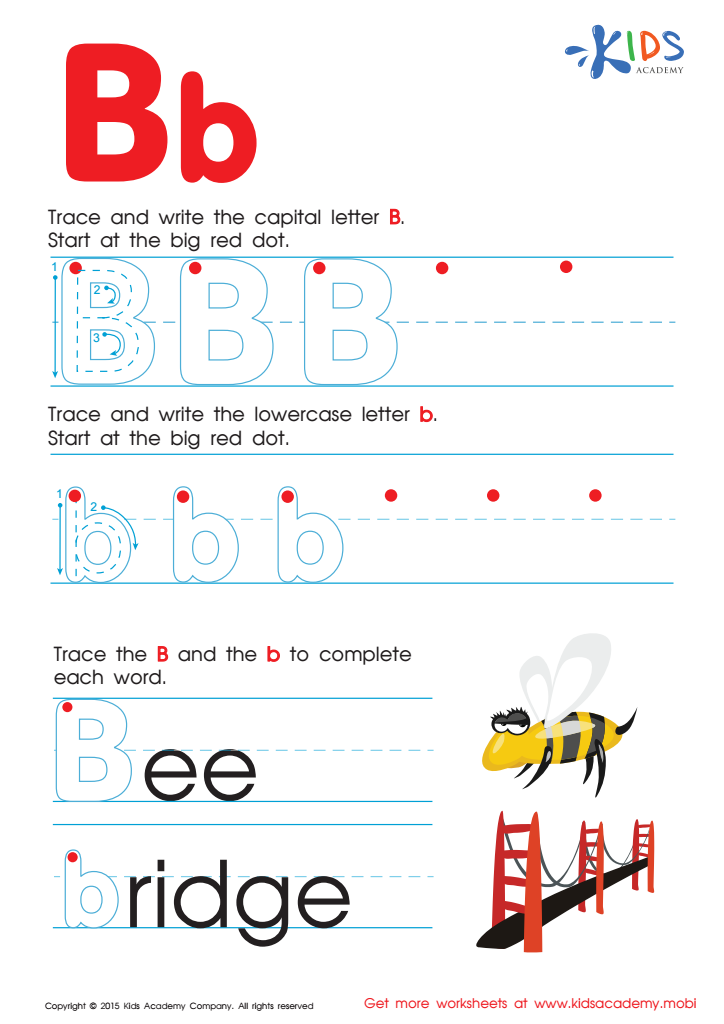
Letter B Tracing Page
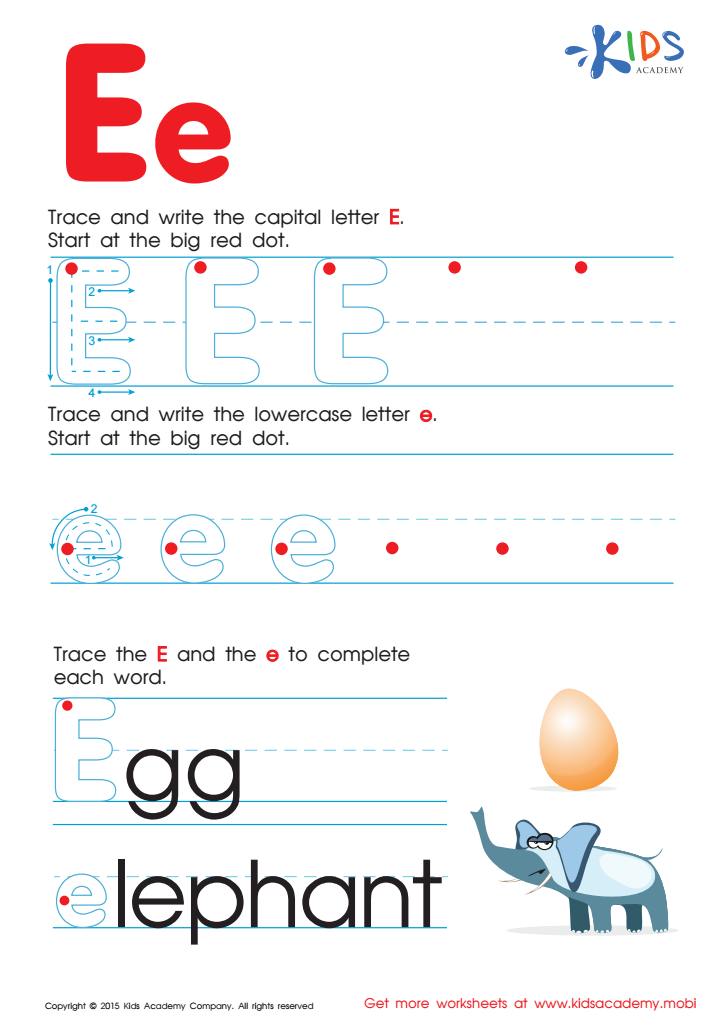
Letter E Tracing Page
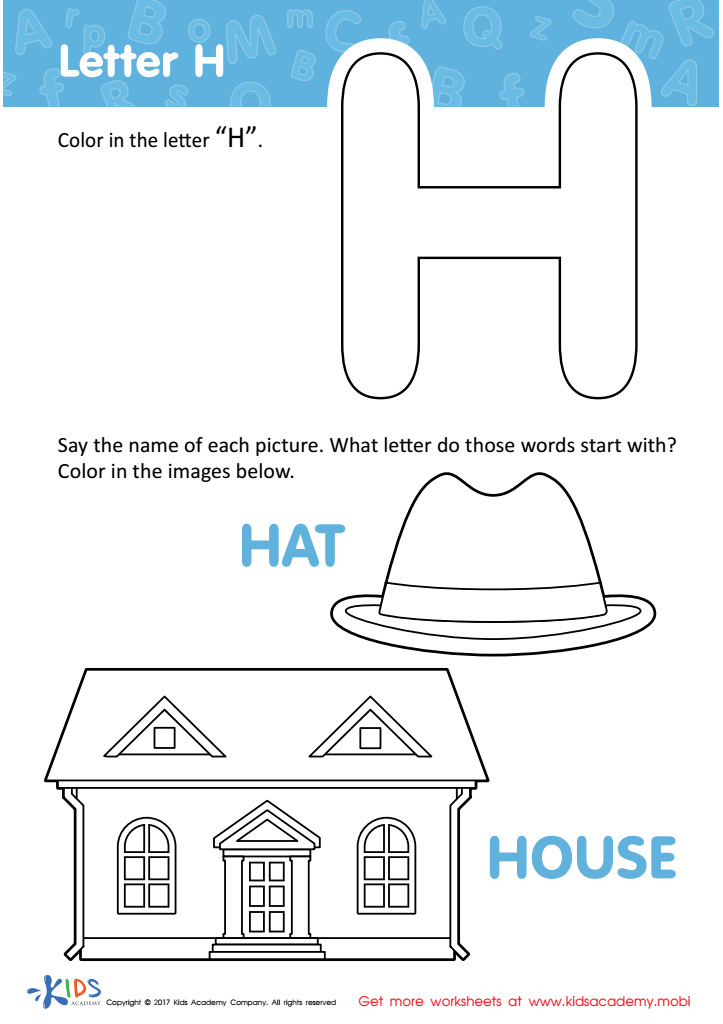
Letter H Coloring Sheet
Assign to My Students
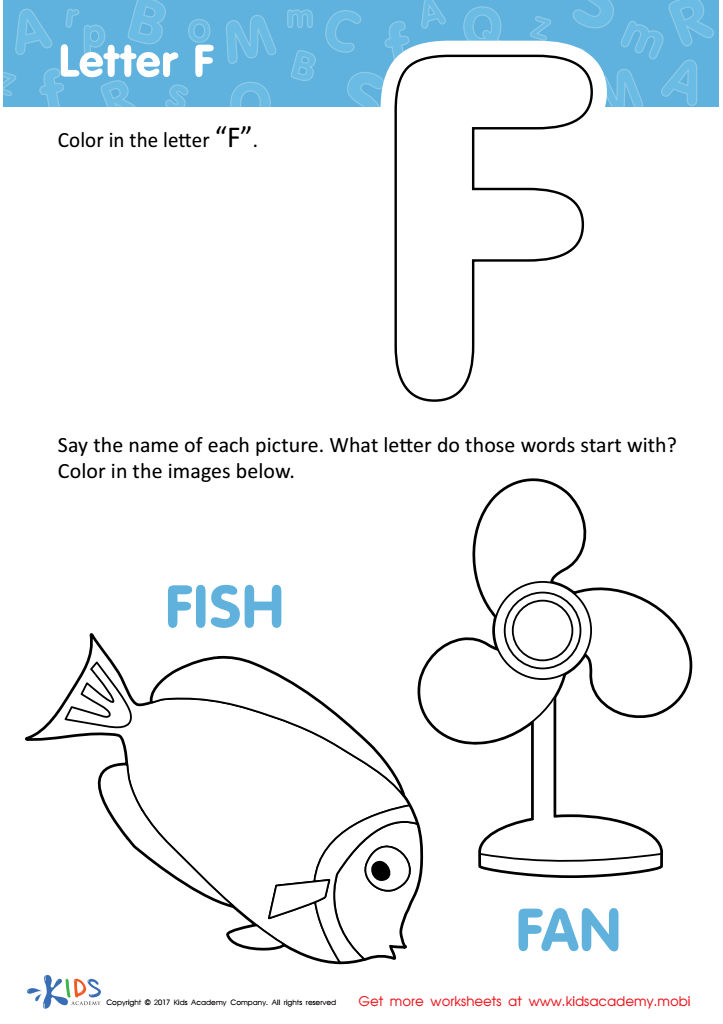
Letter F Coloring Sheet
Assign to My Students








Alphabet recognition in normal ABC letters is a foundational skill critical for an 8-year-old’s literacy development. At this age, children transition from learning to read to reading to learn. Recognizing and understanding the alphabet is the bedrock upon which these reading skills are built. When children can identify and differentiate between letters, they can more easily decode words, paving the way for improved reading fluency and comprehension.
For parents and teachers, focusing on alphabet recognition ensures children are well-prepared academically. Struggling with basic letter recognition can hinder progress in all subjects since most learning materials assume a certain level of literacy. Furthermore, early proficiency in alphabet recognition builds children's confidence, making them more eager and open to tackling new learning challenges.
Additionally, strong letter recognition skills are tightly linked to better spelling and writing abilities. Children who can quickly identify and recall letters can more efficiently spell words, leading to clearer and more effective written communication. In layman's terms, recognizing the alphabet isn’t just about knowing letters; it forms the cornerstone of all future learning and communication skills. Therefore, investing time in activities and practices that strengthen alphabet recognition is critical to setting children up for lifelong academic success.







