Motor skills development Normal ABC Letters Worksheets for 8-Year-Olds
3 filtered results
-
From - To
Enhance your 8-year-old's fine motor skills with our Normal ABC Letters Worksheets! Specially designed to support critical learning, these engaging printables help children practice letter formation, improve handwriting, and boost overall coordination. Each worksheet challenges students to trace and write uppercase and lowercase letters, strengthening muscle memory and control. Our fun, skill-building activities make learning enjoyable, fostering confidence in young writers while supporting classroom lessons. Perfect for parents and educators, these worksheets are an invaluable resource for developing essential motor skills in a playful and educational manner. Download now and watch your child's abilities flourish!

Letter H Tracing Page




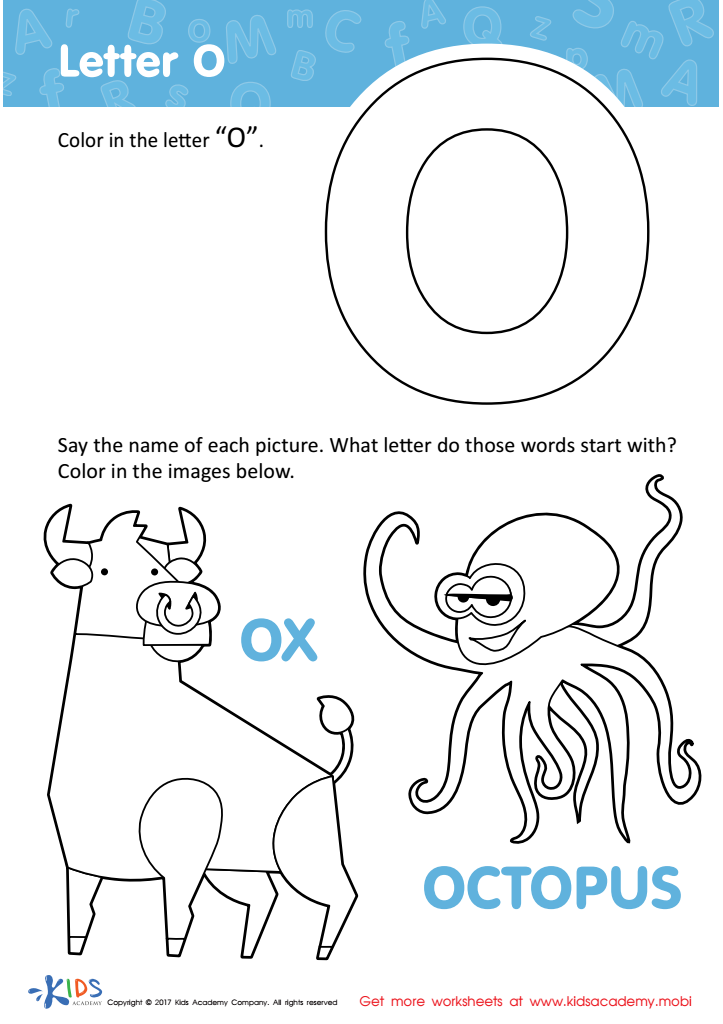
Letter O Coloring Sheet
 Assign to My Students
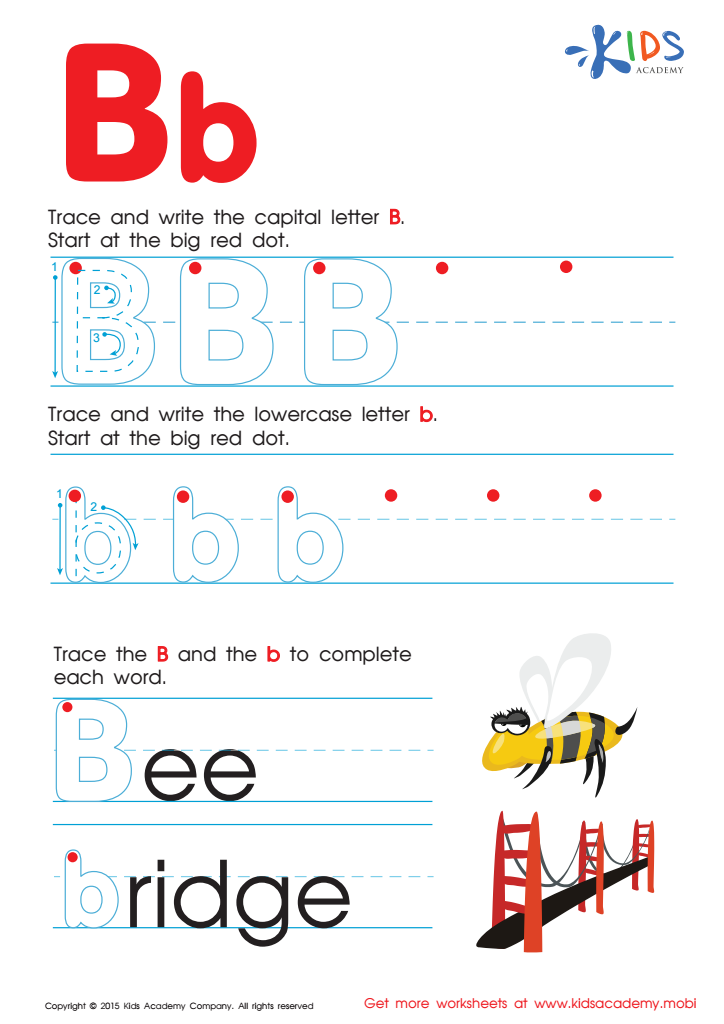
Letter B Tracing Page







Motor skills development is essential for 8-year-olds as it underpins a multitude of crucial aspects of a child's overall growth and learning. At this age, mastering both fine and gross motor skills is vital. Fine motor skills—like writing ABC letters or buttoning a shirt—directly impact a child's academic abilities, especially their writing skills. Proper development enables children to perform tasks efficiently, boosting their confidence and independence.
Gross motor skills—such as running, jumping, and playing sports—aid in physical fitness and overall health. Proficient motor skills contribute to better posture, balance, and coordination, which are imperative for daily activities and academic settings where kids need to sit still or participate in physical education.
Furthermore, motor skills development promotes cognitive development. Activities that require motor skills engage different parts of the brain, fostering better problem-solving and critical thinking abilities. For instance, forming letters while writing helps improve hand-eye coordination and concentration.
Additionally, proficient motor skills facilitate social interactions. Children comfortable with their motor functions are more likely to participate in group activities and playground games, which help build social skills and friendships.
Therefore, both parents and teachers should actively support motor skills development through structured activities, play, and various tasks, laying a strong foundation for a child’s academic, physical, and social success.







