Fine Motor Skills Normal Alphabet Worksheets for 8-Year-Olds - Page 2
27 filtered results
-
From - To
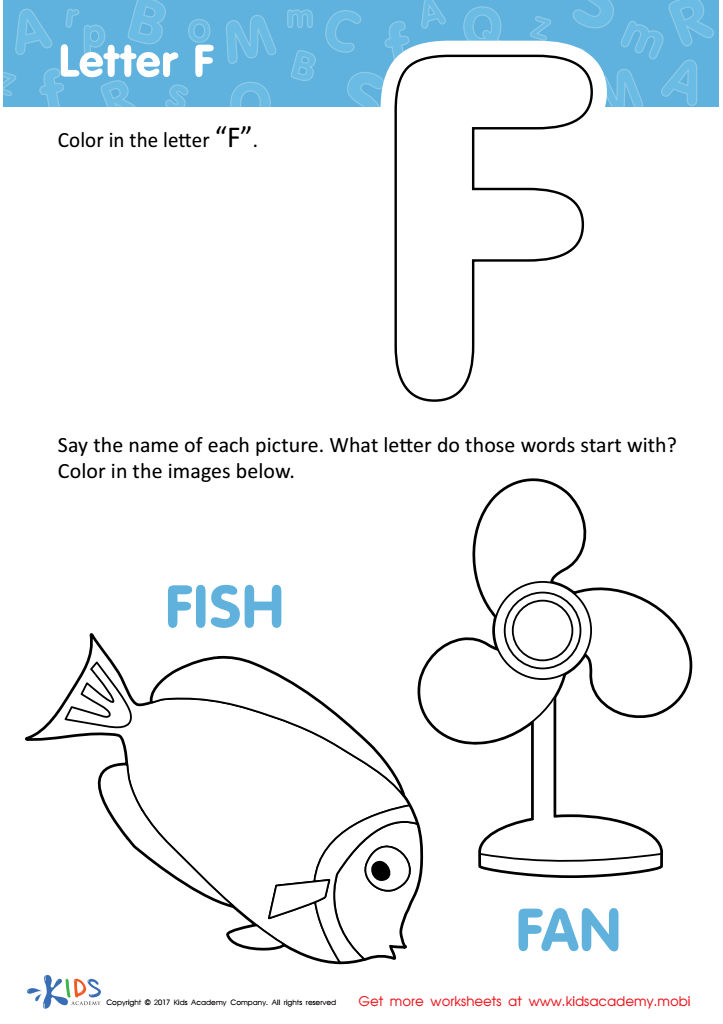
Letter F Coloring Sheet
 Assign to My Students
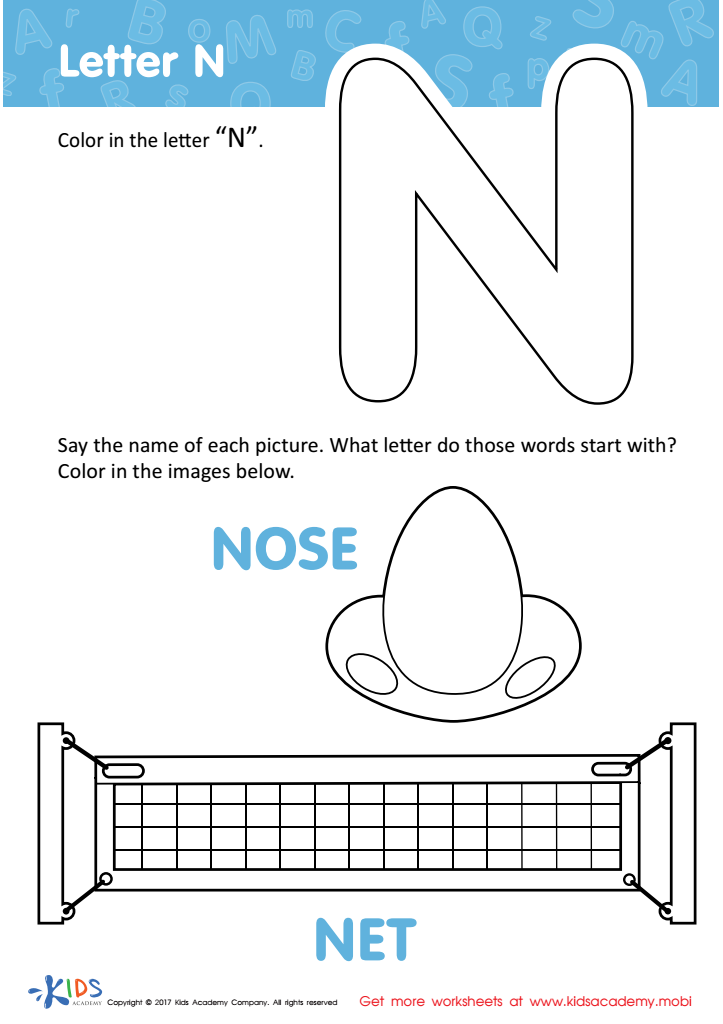
Letter N Coloring Sheet
Assign to My Students

Letter D Tracing Page







Fine motor skills are crucial for 8-year-olds as they encompass the small movements that involve the coordination of small muscles, particularly in the hands and fingers. Developing these skills is essential for children's overall growth, affecting their ability to perform tasks like writing, drawing, cutting, and completing puzzles. Proficient fine motor skills enable children to express themselves effectively and participate fully in classroom activities.
For parents and teachers, recognizing the importance of these skills means understanding how they directly influence academic success and everyday tasks. Children with strong fine motor skills can write legibly, control their pencil better, and create more precise artwork, enhancing their self-esteem and motivation to learn. Additionally, improved dexterity is associated with better hand-eye coordination and problem-solving abilities.
Moreover, in an increasingly digital world, children also benefit from refined motor skills through typing and using technological devices with ease. By fostering these skills, parents and teachers support more than just handwriting; they help cultivate a child’s independence and confidence. To aid in this development, incorporating activities like arts and crafts, playing with building blocks, and engaging in hands-on tasks is essential, paving the way for a well-rounded educational experience.







