Reading skills development Normal Alphabet Worksheets for 8-Year-Olds
3 filtered results
-
From - To
Enhance your child’s reading proficiency with our engaging Normal Alphabet Worksheets designed specifically for 8-year-olds! These worksheets focus on key reading skills, enabling young learners to recognize letters, sound out words, and build essential vocabulary through fun, interactive exercises. Each worksheet features colorful illustrations and age-appropriate activities that capture children’s interest, making learning enjoyable. By practicing these skills regularly, kids will boost their confidence and fluency in reading. Perfect for both classroom settings and at-home learning, our worksheets provide a solid foundation for early literacy development. Dive into an exciting reading adventure today with our effective and entertaining resources!
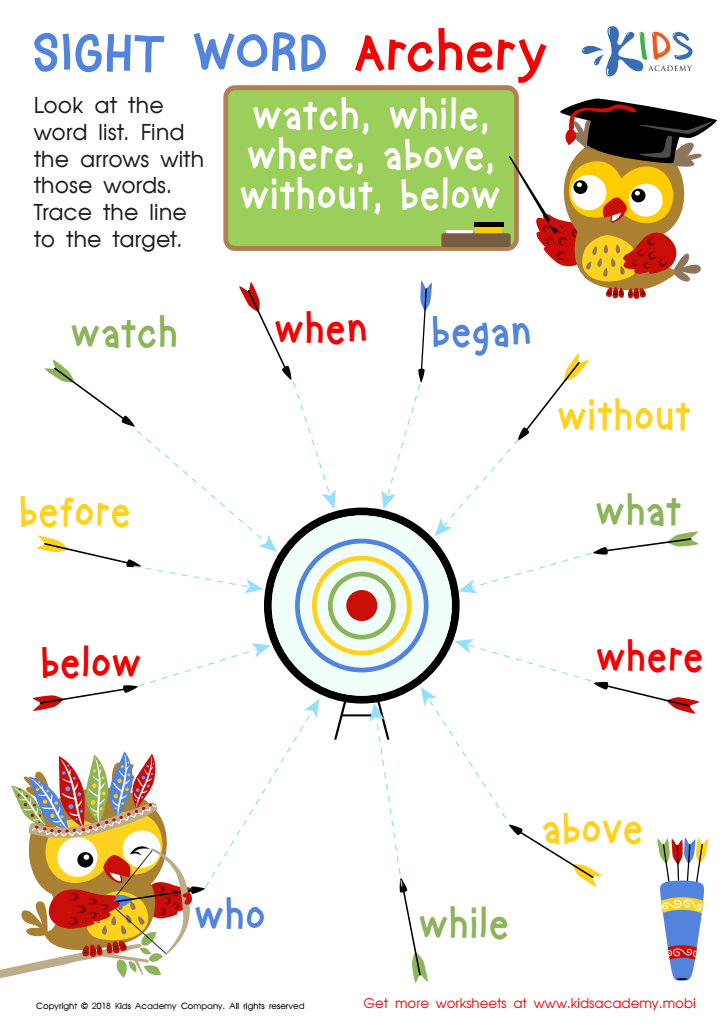
Sight Word Archery Worksheet
 Assign to My Students
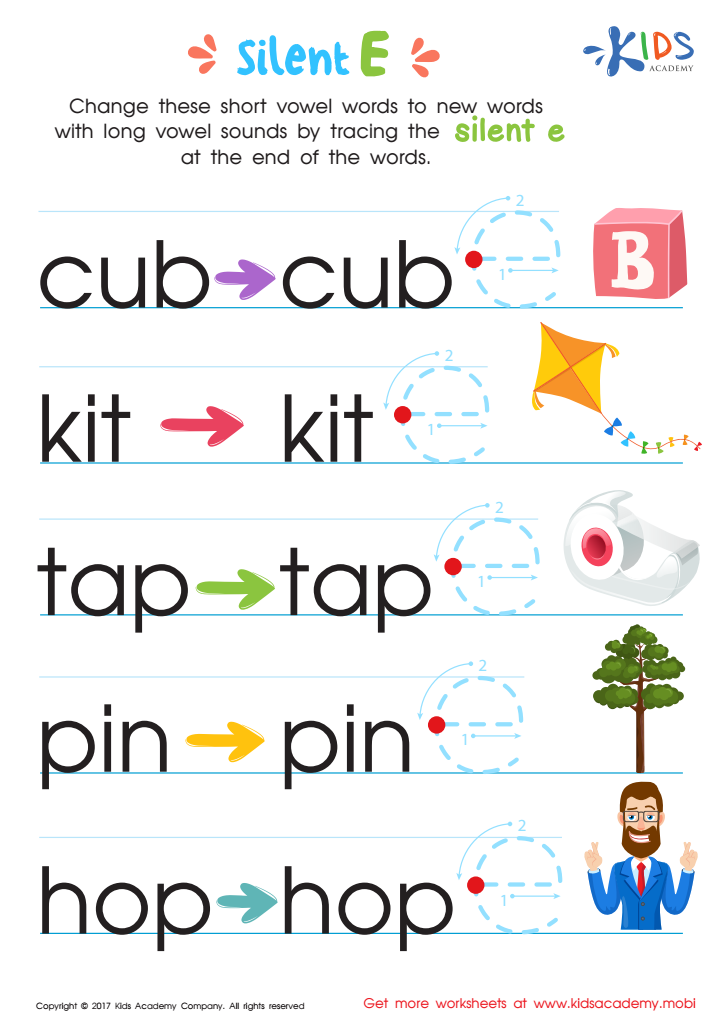
Silent E Words Worksheet
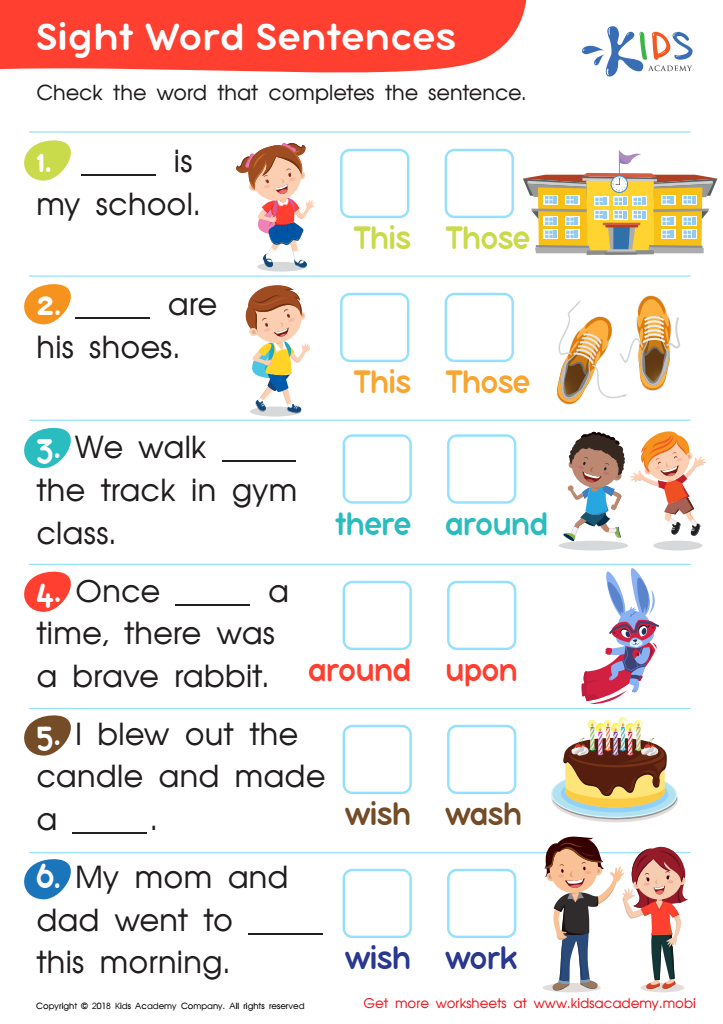
Sight Word Sentences Worksheet








Reading skills development is crucial for 8-year-olds as it forms the foundation for their academic success and overall cognitive growth. At this age, children are transitioning from learning to read to reading to learn, making it essential for them to develop fluency and comprehension skills. Strong reading abilities enhance their capacity to grasp concepts across subjects, boosting confidence and engagement in school.
Parents and teachers should prioritize reading skills because they can profoundly affect a child's social and emotional development. Fluent readers often enjoy learning and participate more actively in discussions, fostering collaboration and communication skills. Furthermore, children who struggle with reading may feel frustrated or discouraged, potentially leading to a negative self-image and disengagement from school.
Encouraging reading also nurtures a lifelong love for literature and learning. By providing access to a variety of texts—like storybooks, educational material, and poetry—adults can inspire curiosity and creativity. Additionally, promoting regular reading practices through shared activities between parents and children strengthens familial ties and supports language development.
In summary, investing in reading skills at this critical age supports academic achievement, emotional well-being, and personal growth, shaping well-rounded individuals for the future.







