Alphabet Recognition Normal Letter Recognition Worksheets for 8-Year-Olds
19 filtered results
-
From - To
Enhance your child's alphabet recognition skills with our engaging worksheets designed specifically for 8-year-olds. Our Normal Letter Recognition Worksheets offer a fun and interactive way for children to identify and differentiate between letters. Featuring vibrant illustrations and diverse activities, these worksheets cater to various learning styles, ensuring an enjoyable educational experience. As children progress, they'll improve their reading and writing proficiency, building a solid foundation in literacy. Whether for at-home learning or classroom use, our worksheets are perfect for reinforcing essential skills. Download and start your child's alphabet journey today, making learning exciting and effective!
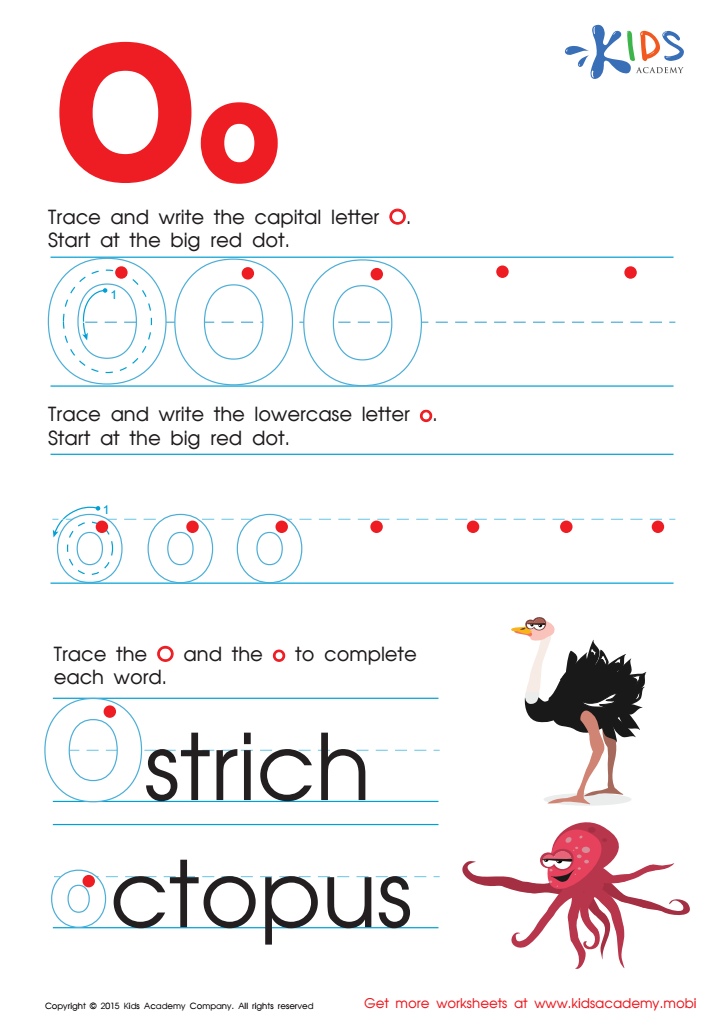
Letter O Tracing Page
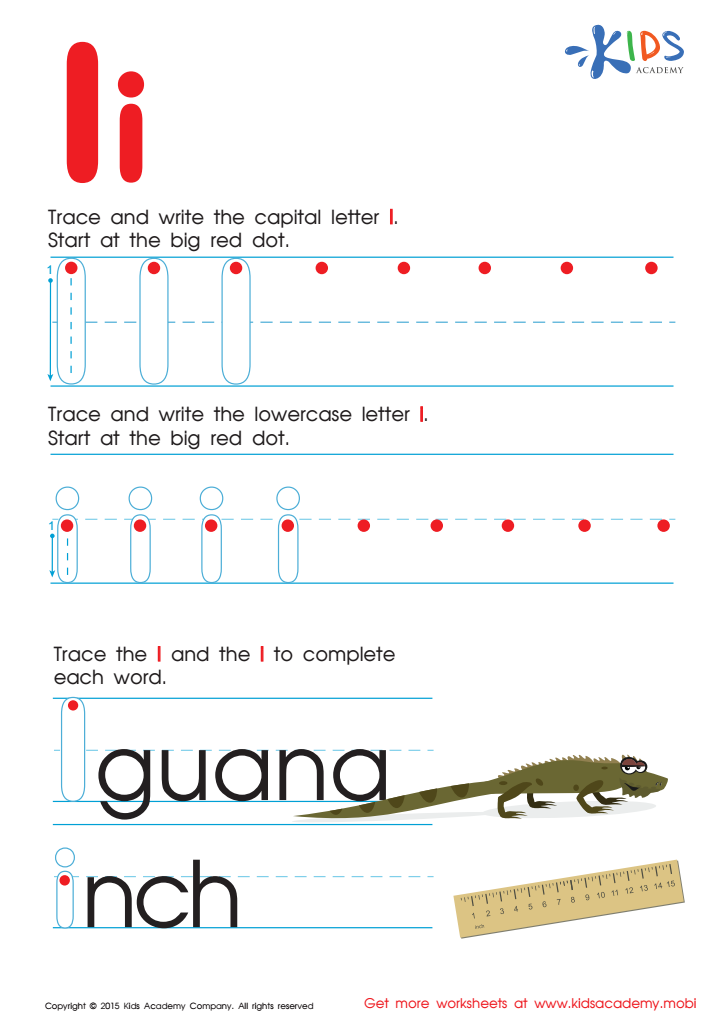
Letter I Tracing Page
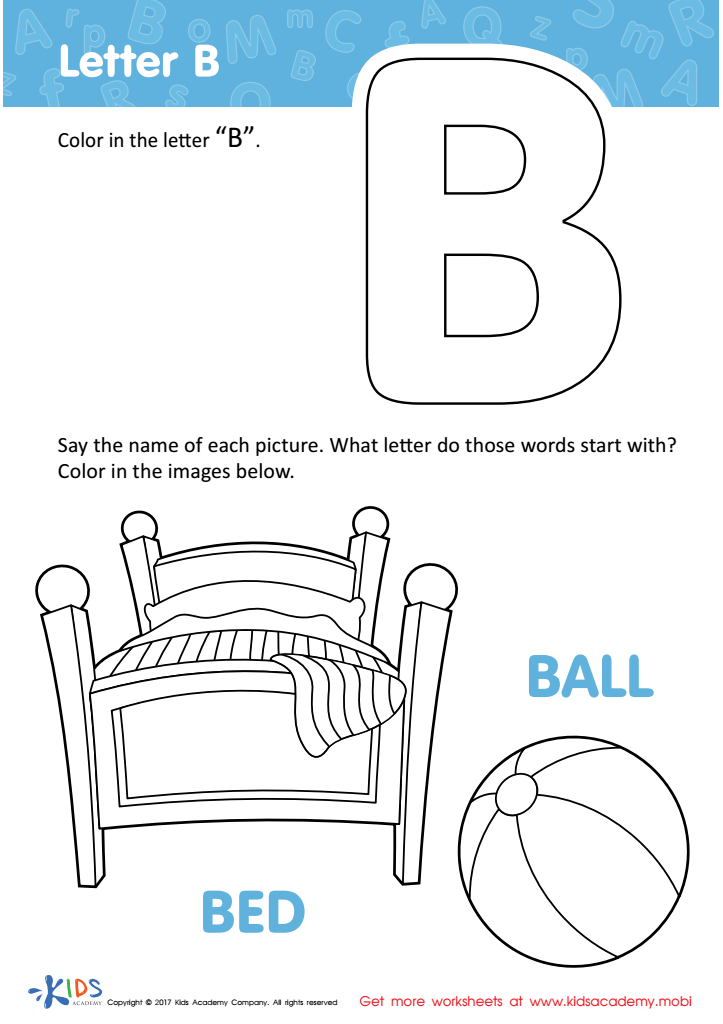
Letter B Coloring Sheet
 Assign to My Students
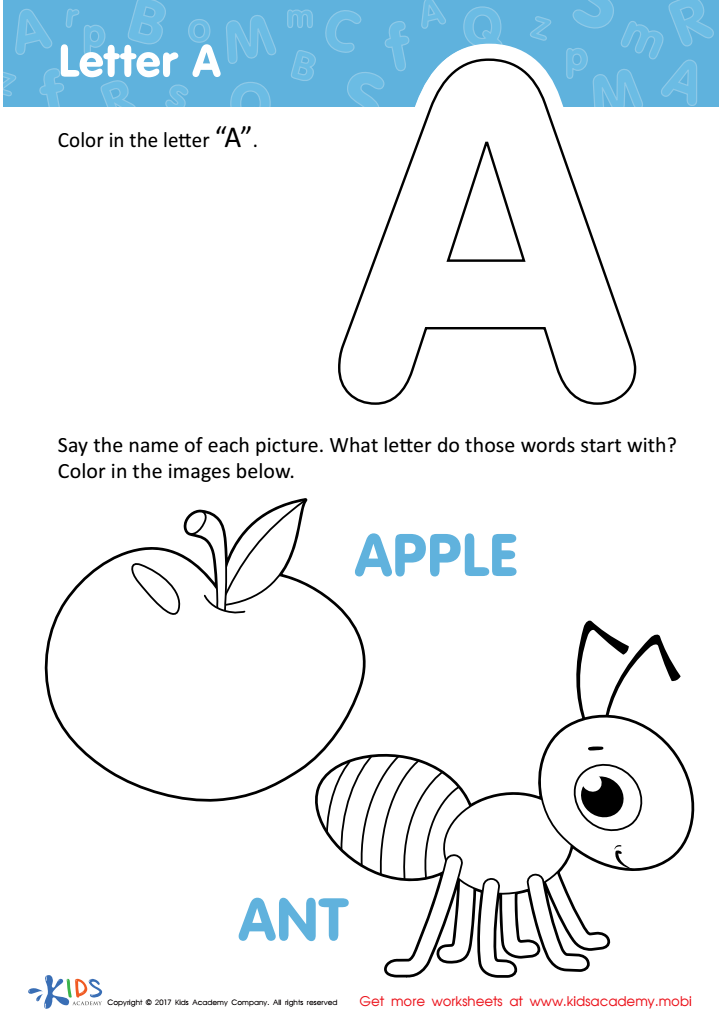
Letter A Coloring Sheet
Assign to My Students
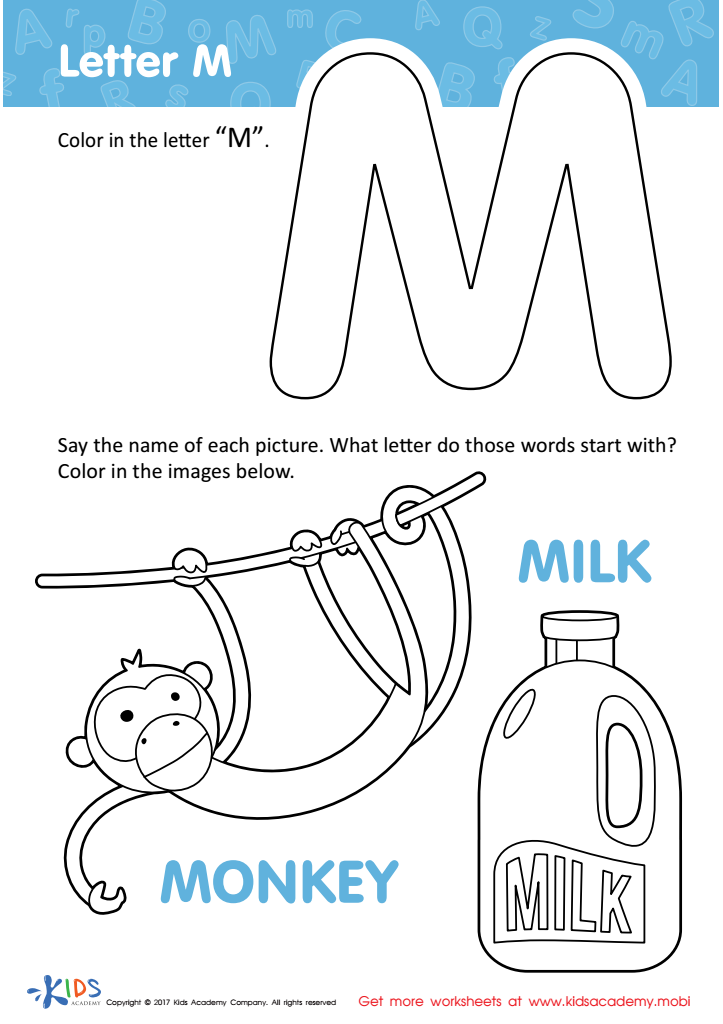
Letter M Coloring Sheet
Assign to My Students
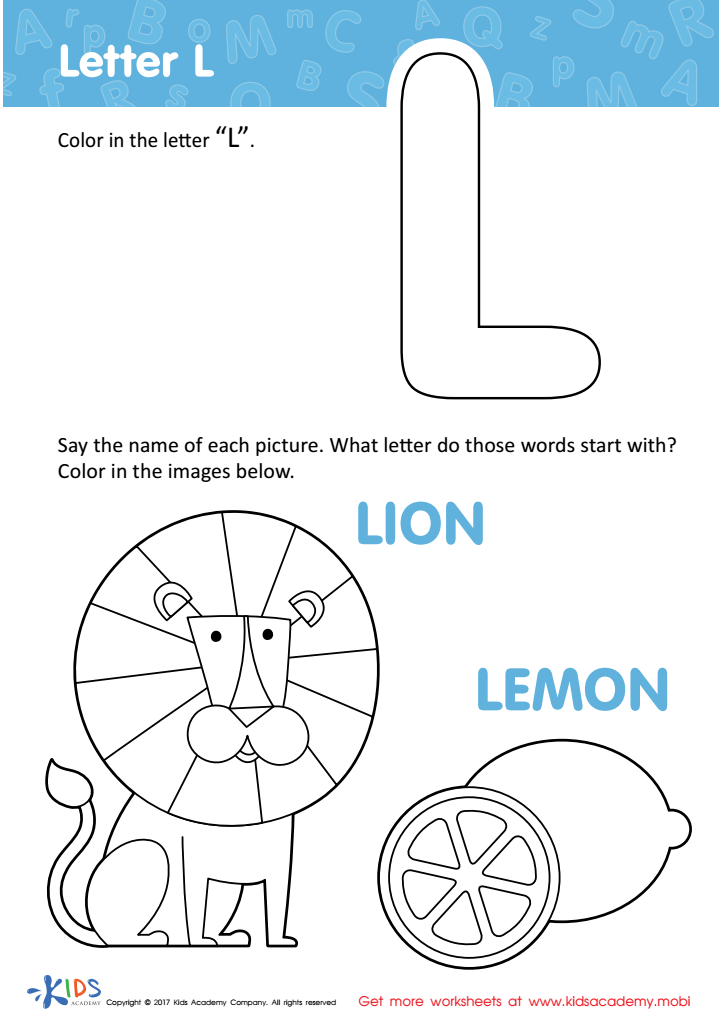
Letter L Coloring Sheet
Assign to My Students
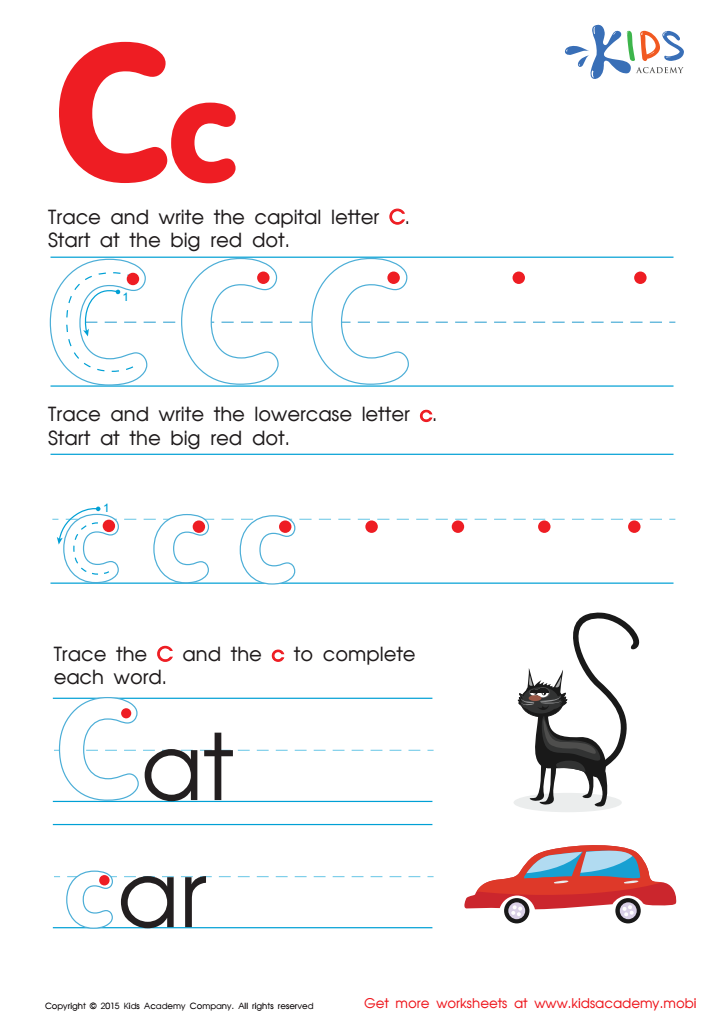
Letter C Tracing Page
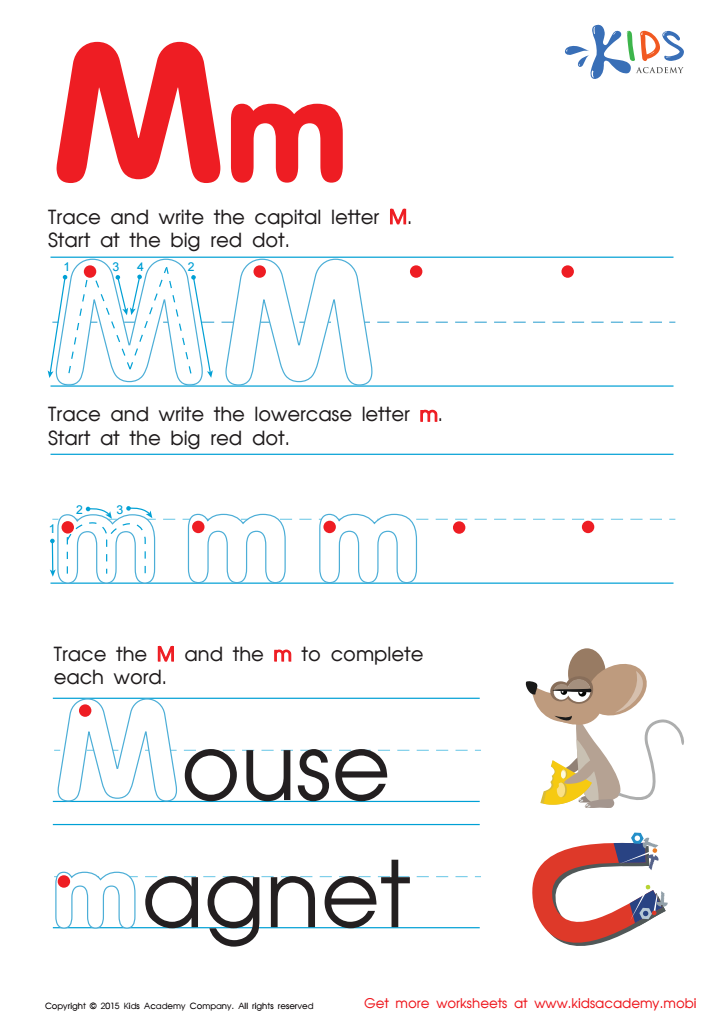
Letter M Tracing Page
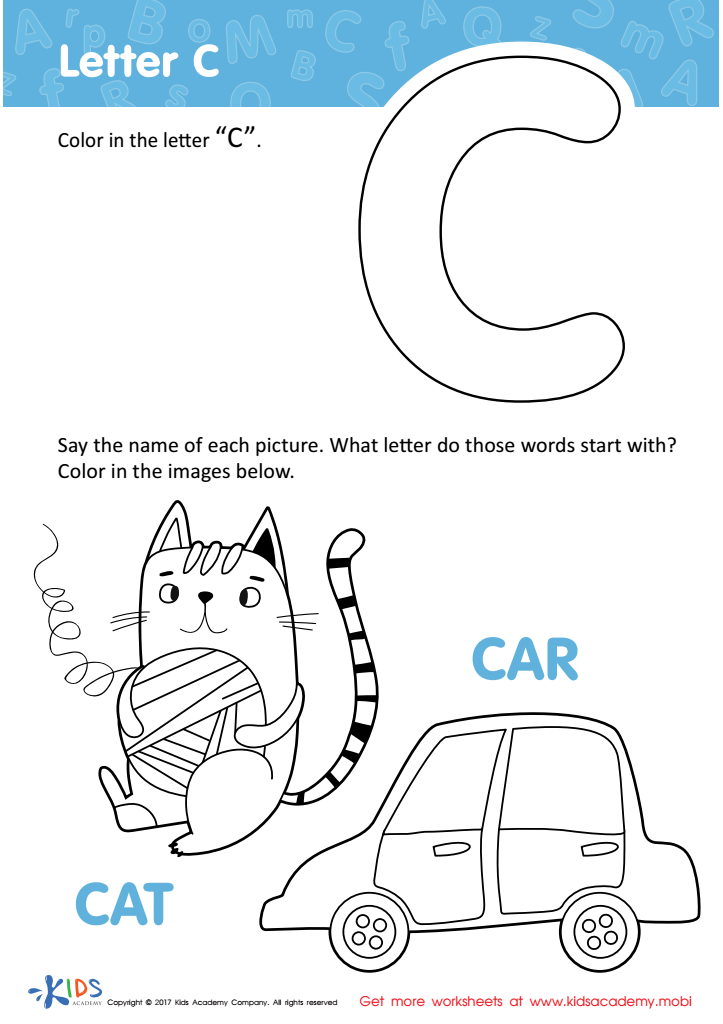
Letter C Coloring Sheet
Assign to My Students
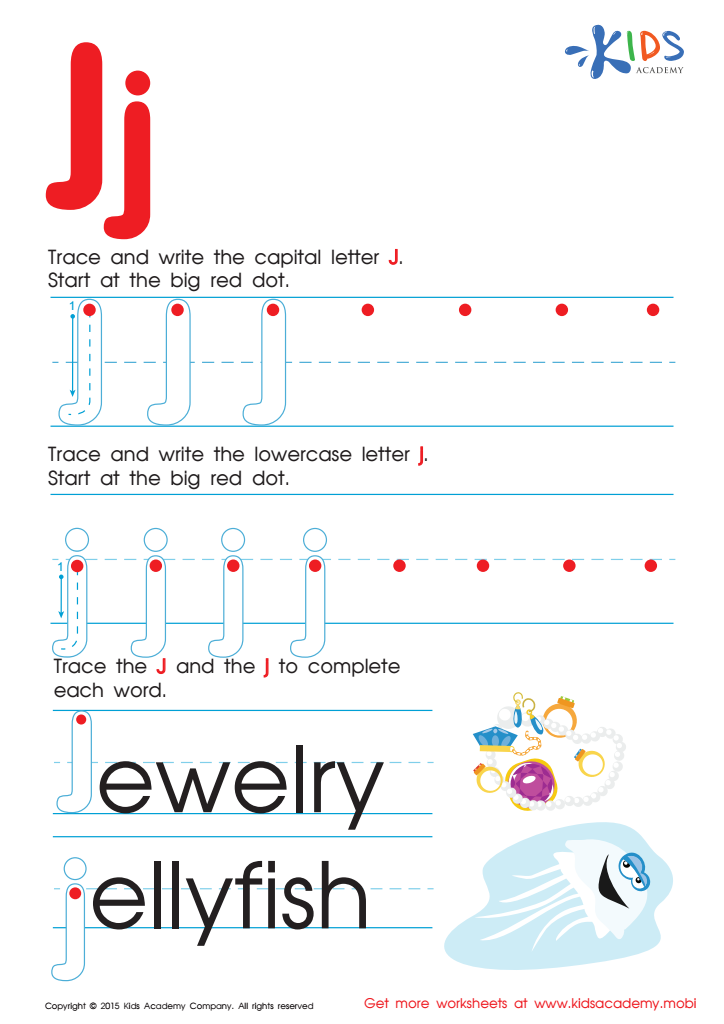
Letter J Tracing Page
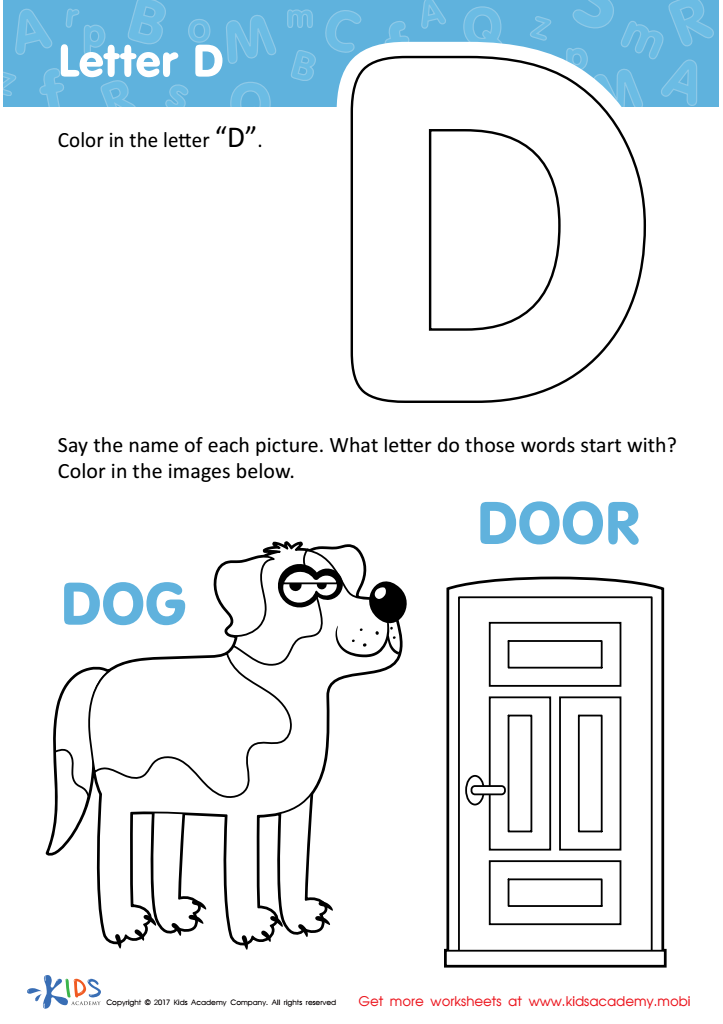
Letter D Coloring Sheet
Assign to My Students
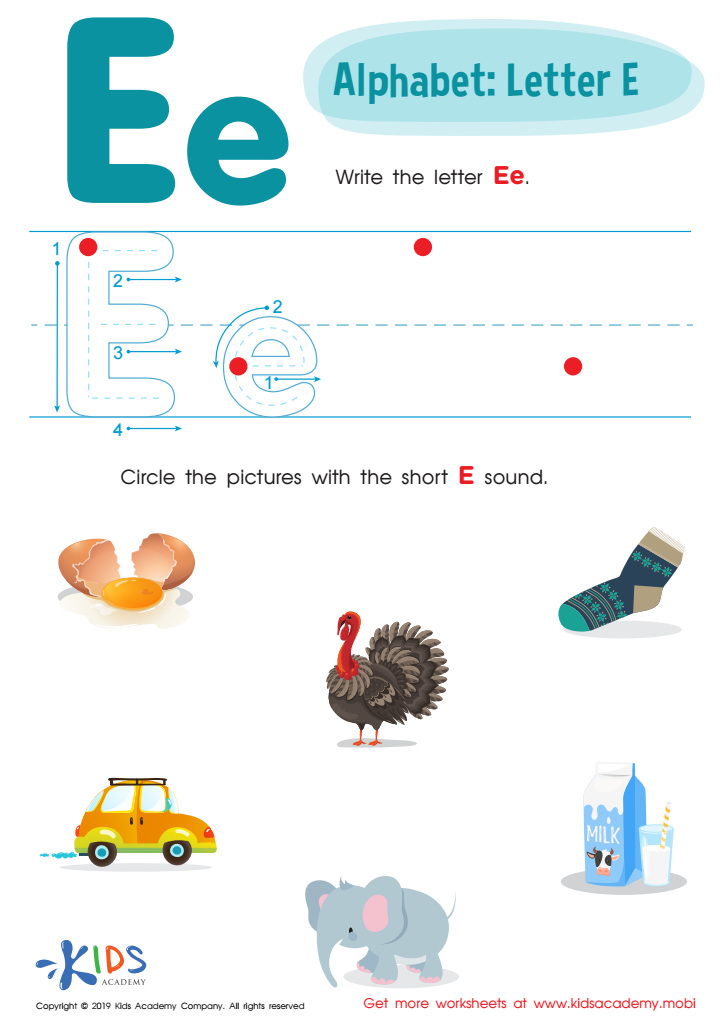
Letter E Tracing Worksheet
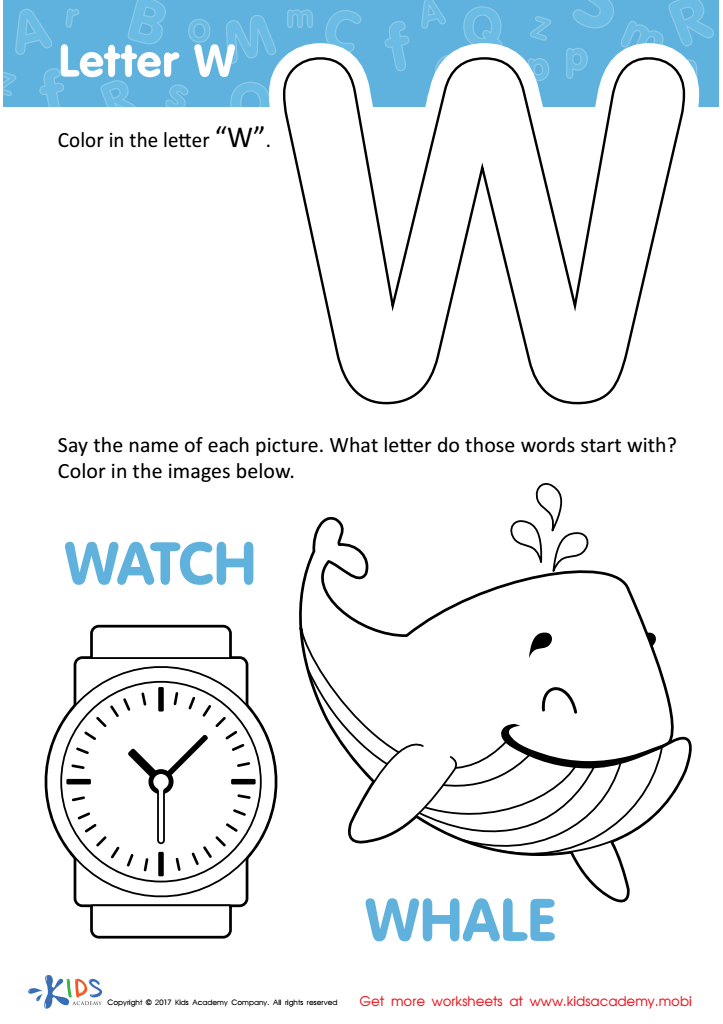
Letter W Coloring Sheet
Assign to My Students
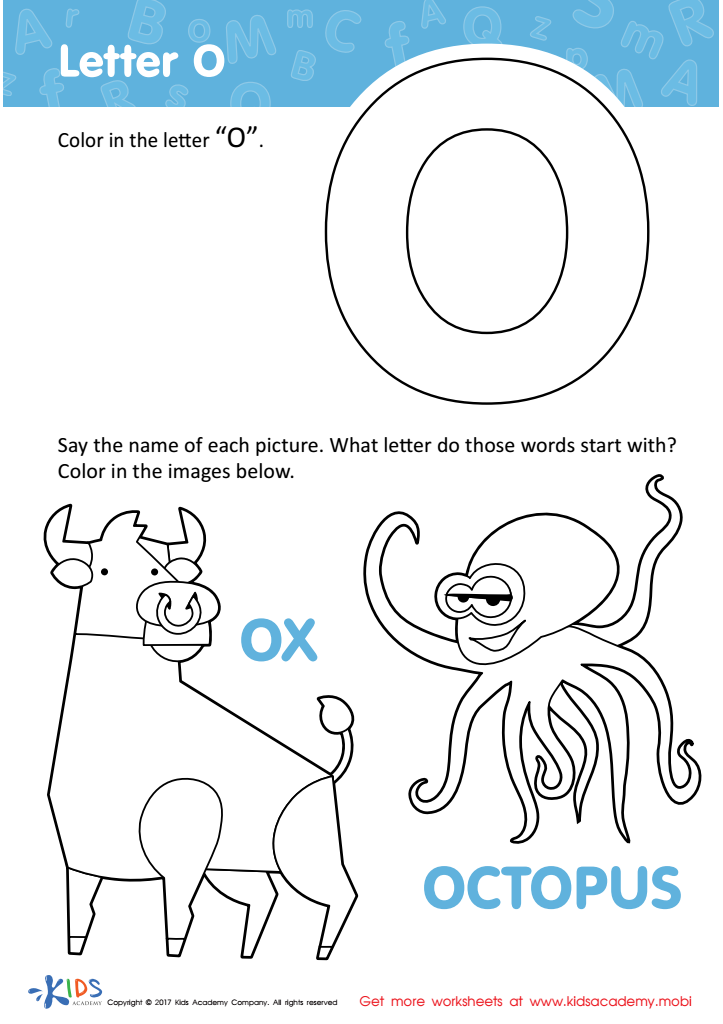
Letter O Coloring Sheet
Assign to My Students
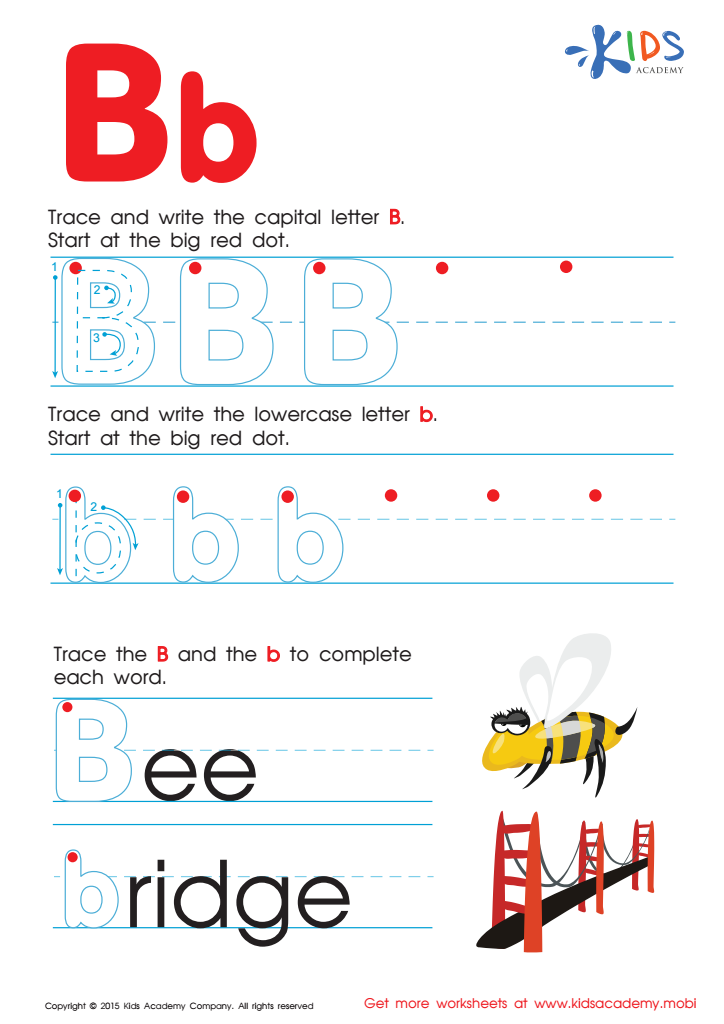
Letter B Tracing Page
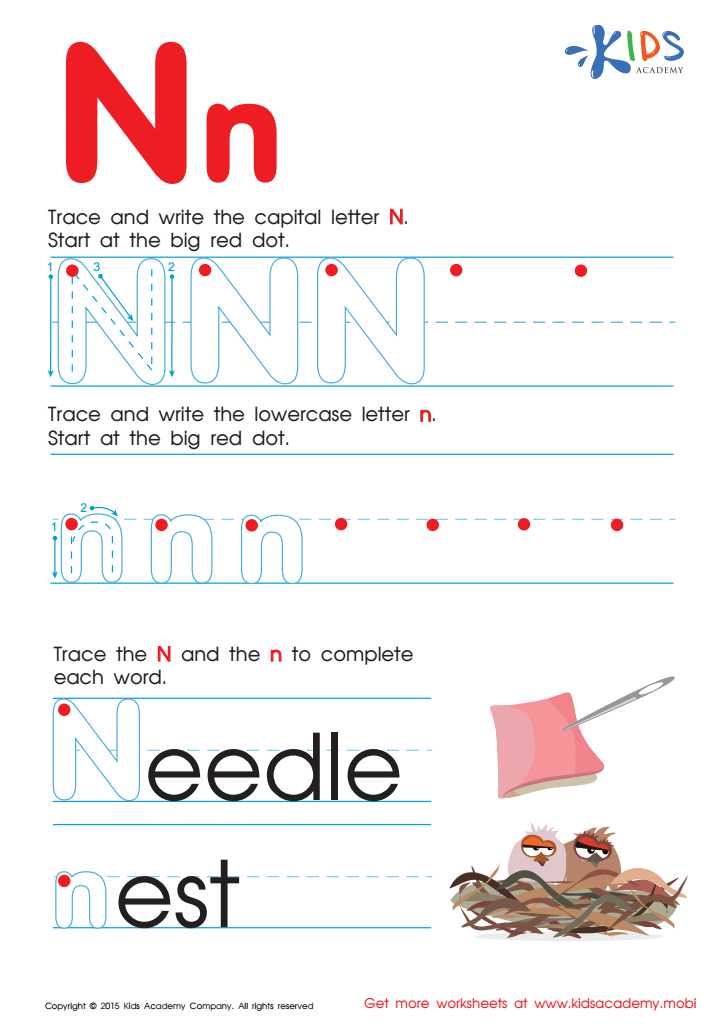
Letter N Tracing Page
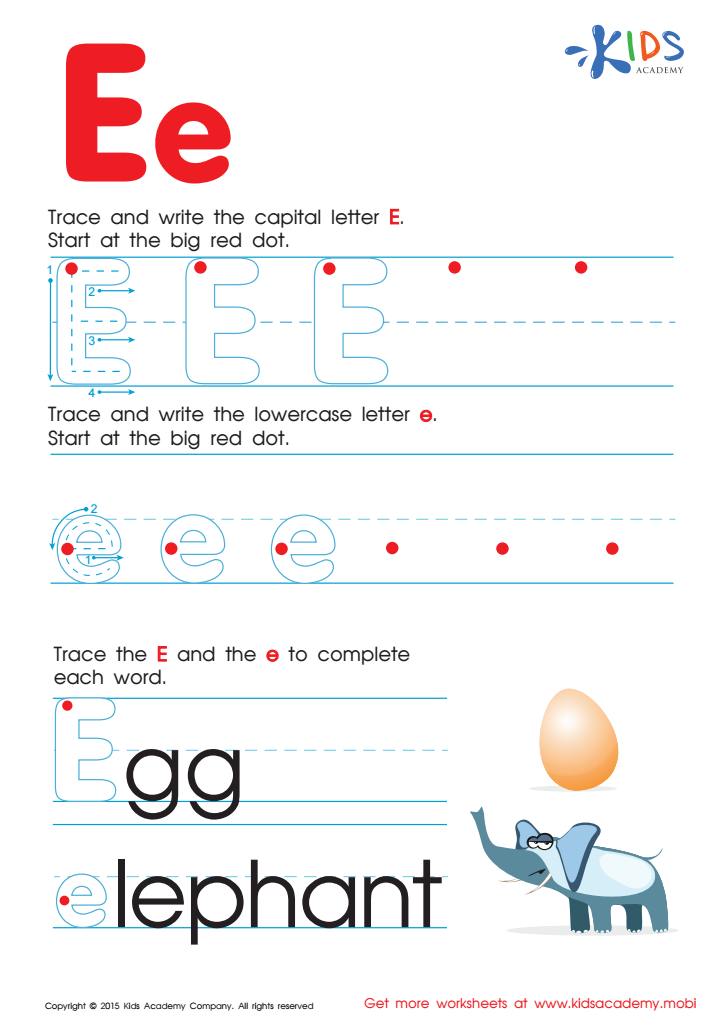
Letter E Tracing Page
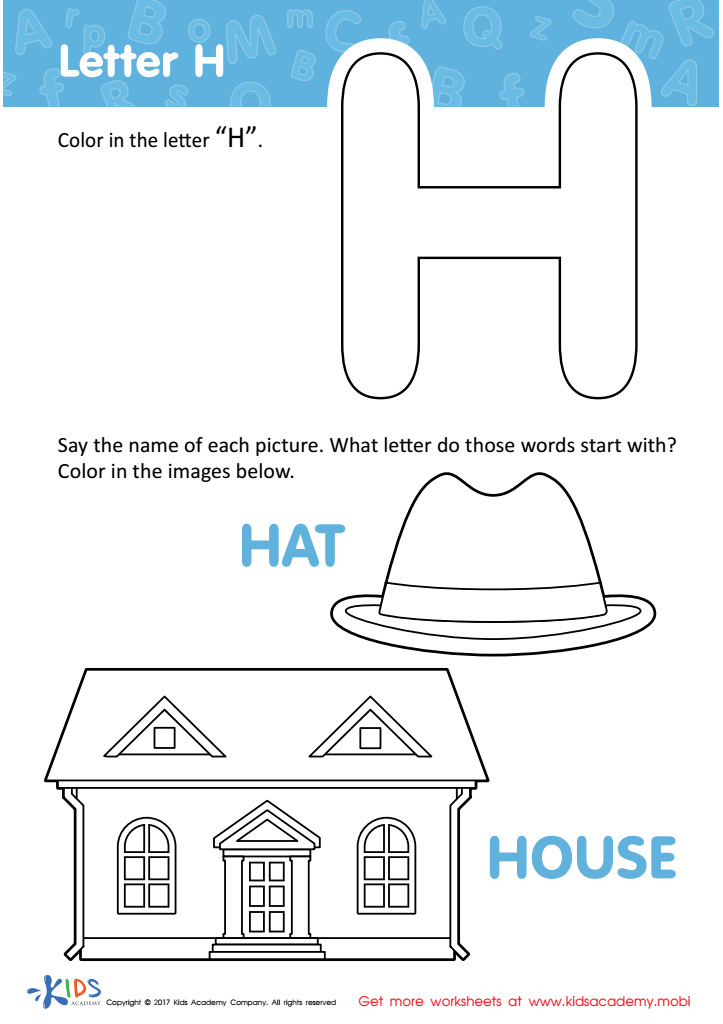
Letter H Coloring Sheet
Assign to My Students
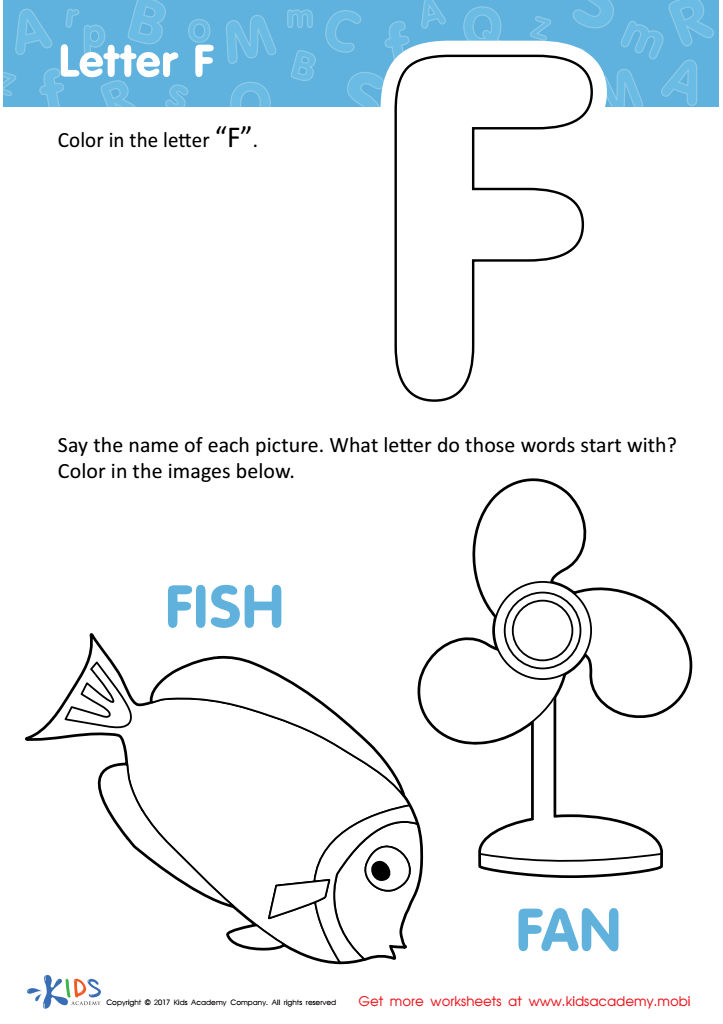
Letter F Coloring Sheet
Assign to My Students








Alphabet recognition, particularly normal letter recognition, is crucial for 8-year-olds as it forms the foundation for literacy development. At this age, children typically transition from learning to read to reading to learn. Mastery of letter recognition enables them to decode words accurately, promoting fluency and comprehension.
Parents and teachers should care about this skill because it significantly impacts a child’s academic confidence and success. When children can readily identify and differentiate letters, they become more adept at phonics and vocabulary building. This competence leads to better writing skills, as they can focus on content rather than struggling with letter formation or phonetic sounds.
Additionally, letter recognition plays a role in cognitive development. It enhances visual search skills, memory retention, and pattern recognition, which are essential for a multitude of subjects beyond reading.
Furthermore, supporting children in developing letter recognition fosters a love for reading. Engaging activities at home and in the classroom can stimulate interest and make learning enjoyable. Ultimately, nourishing these foundational skills empowers children to navigate their educational journey with confidence, paving the way for lifelong learning and literacy appreciation. Engaging with children in their learning process can help motivate them and support their growth.








