
Letter Tracing Normal Letter Recognition Worksheets for 8-Year-Olds
4 filtered results
Difficulty Level
Grade
Age
-
From - To
Subject
Activity
Standards
Boost your 8-year-old's writing skills with our expertly designed Letter Tracing Normal Letter Recognition Worksheets from Kids Academy. Our interactive worksheets provide a fun and educational way for children to practice tracing and recognizing standard alphabet letters. Ideal for improving handwriting, enhancing letter recognition, and building foundational literacy skills, each worksheet combines engaging activities with effective learning techniques. Whether used at home or in the classroom, these worksheets support young learners in developing confidence and proficiency in writing. Download and print our high-quality, age-appropriate worksheets to give your child the tools they need for academic success.
Favorites
With answer key
Interactive
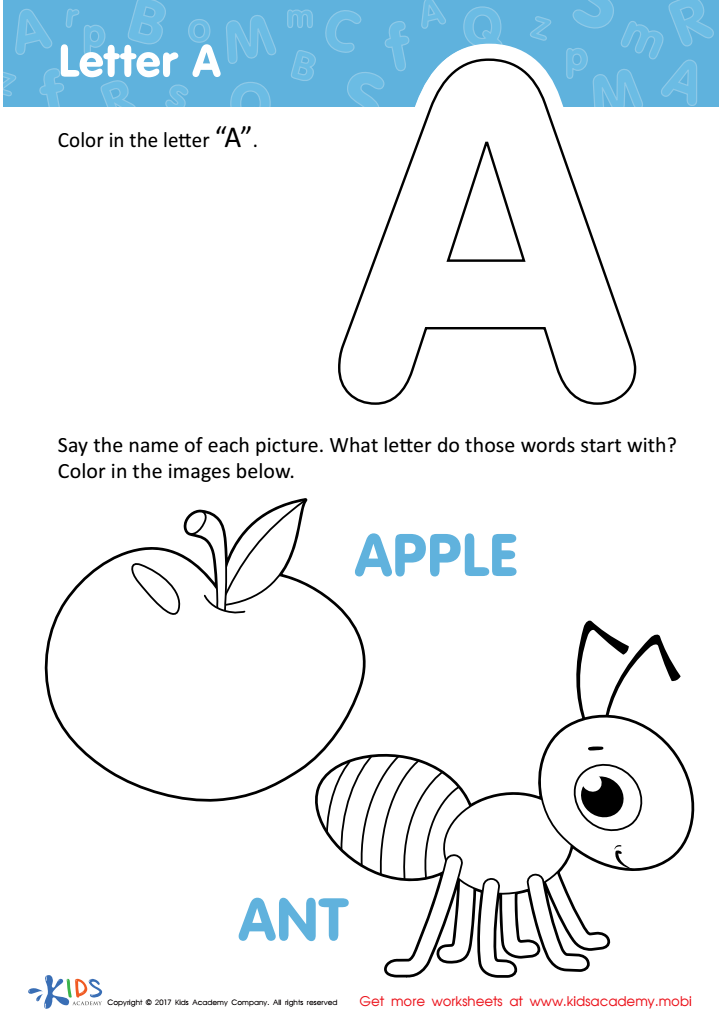
Letter A Coloring Sheet
This letter "A" coloring page is great for introducing kids to the alphabet! Let them exercise their creativity while they learn to recognize letters and sounds - it's a fun and easy way to help them get started.
Download (PDF)
 Assign to My Students
Assign to My Students
Letter A Coloring Sheet
Worksheet
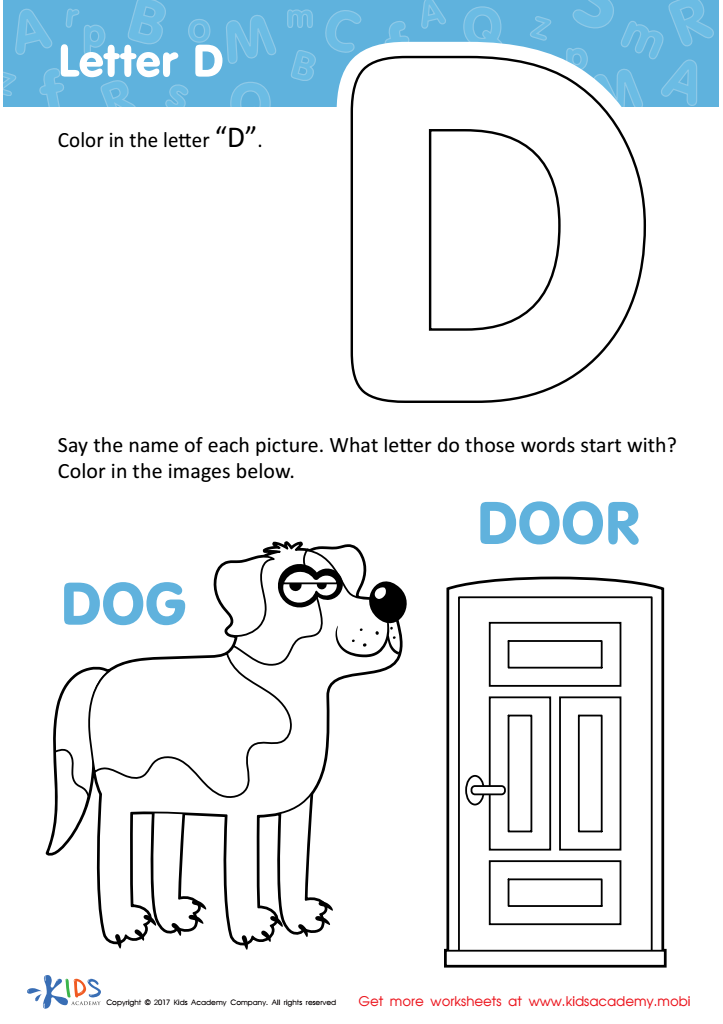
Letter D Coloring Sheet
Coloring with this letter "D" page is a great way to encourage your child's creativity while they learn the letter "D" and its sound. It's a fun activity to stimulate their imagination!
Download (PDF)
Assign to My Students
Assign to My Students
Letter D Coloring Sheet
Worksheet
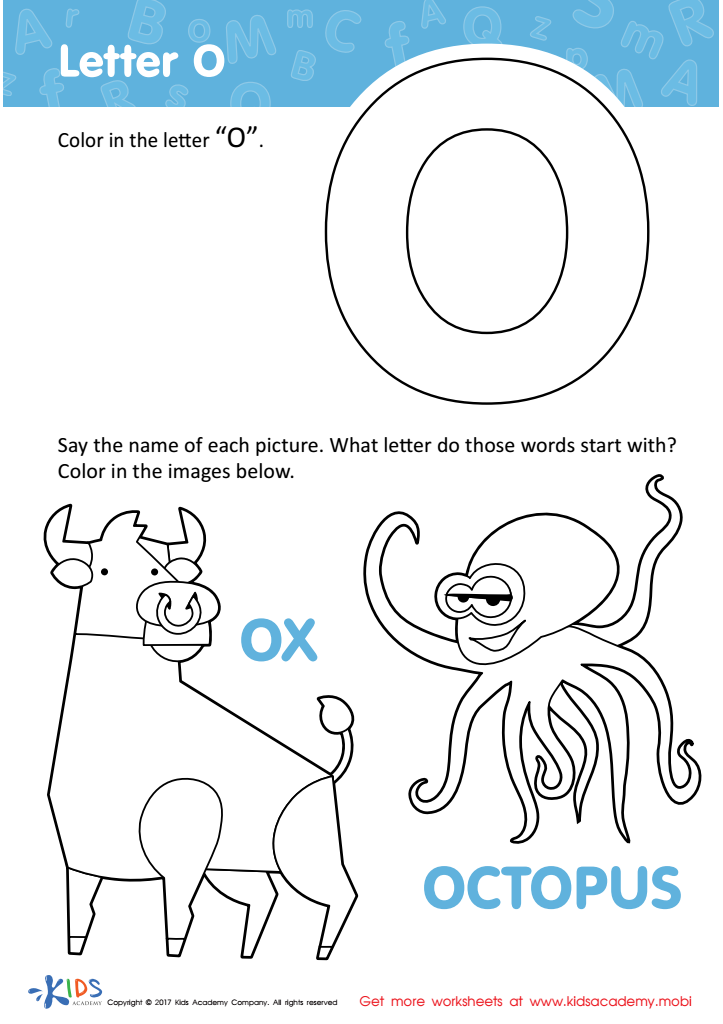
Letter O Coloring Sheet
Oh my! The letter "O" is so much fun. Coloring in the octopus and ox on this delightful letter "O" coloring page can help your child have fun while strengthening their recognition of the letter and sound.
Download (PDF)
Assign to My Students
Assign to My Students
Letter O Coloring Sheet
Worksheet
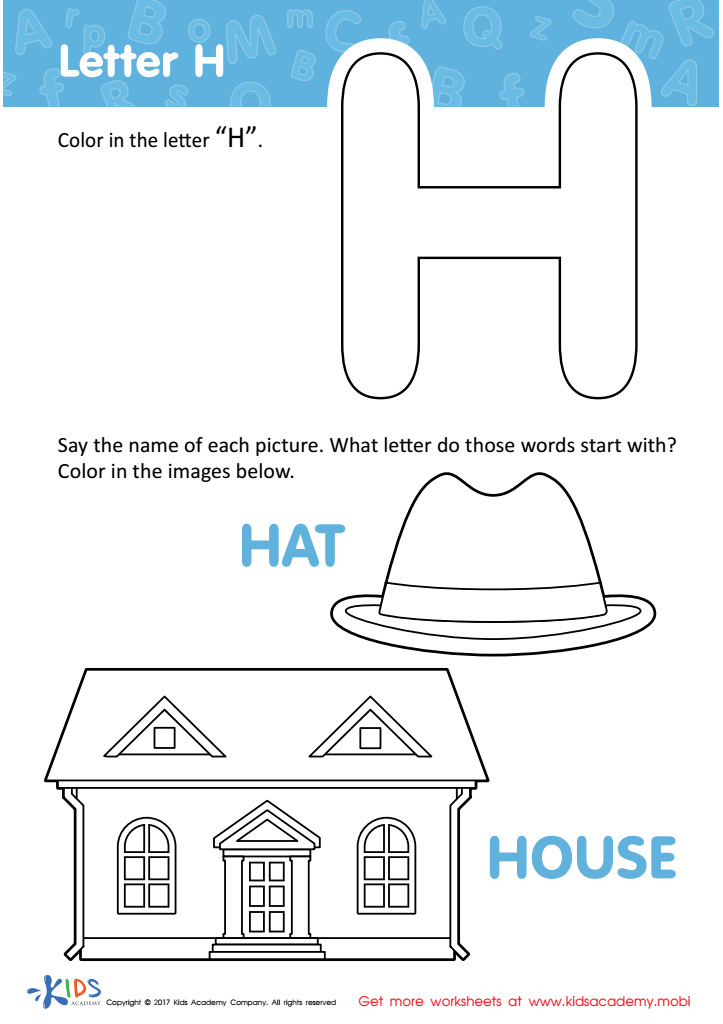
Letter H Coloring Sheet
This fun "H" coloring page will help your child recognize the letter and sound of "H"! With a hat and house to color, your little learner will have a blast picking colors and creating designs, all while learning about the letter "H"!
Download (PDF)
Assign to My Students
Assign to My Students
Letter H Coloring Sheet
Worksheet
Join Kids Academy for Free
Who is primarily going to use this learning content?








Letter tracing and normal letter recognition are vital skills for 8-year-olds, acting as foundational blocks for literacy and learning. At this age, children should already have a steady grasp on recognizing and writing letters, but refining these skills is essential for fluency in reading and writing.
Firstly, letter tracing aids in fine motor skill development. It encourages precision and muscle memory in young hands, facilitating smoother handwriting. Children with strong letter recognition and the ability to neatly write their letters tend to perform better academically, as writing is a primary method of communication in school.
Secondly, letter tracing reinforces memory retention and cognitive development. When children repeatedly trace letters, they strengthen neural pathways associated with letter shapes and sounds. This practice solidifies their ability to recognize letters quickly and correctly, which is essential for ease in reading. Fluent reading is directly tied to better comprehension and overall learning.
Moreover, fostering a positive relationship with writing boosts confidence and independence in children. It enables them to express their ideas clearly and enhances self-esteem as they see their improvement.
Parents and teachers should prioritize letter tracing and letter recognition to ensure children develop these indispensable skills, setting the stage for lifelong academic success and effective communication.








